

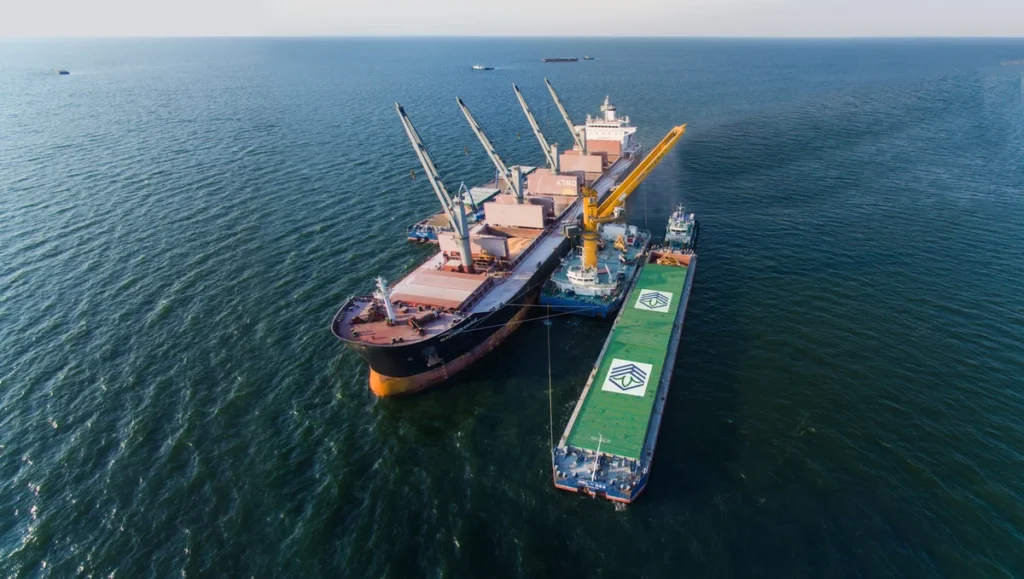
When dealing with cargo damage, one document becomes central to the entire claims process: the cargo damage survey report.
This report, prepared by a surveyor appointed by the insurer or a claims management agency, defines who is responsible and how much should be paid. Sounds simple. But it rarely is.
However, what happens when you disagree with the findings?
Whether it’s discrepancies in valuation, questionable methodologies, or overlooked evidence, disputes can arise.
But disagreeing with an expert assessment doesn’t mean you’re out of options.
On the contrary, it opens the door to legal options that allow you to challenge or supplement it.
This is where strategy comes into play: technical objections, additional evidence, requesting a second opinion—each case demands a different approach.
And this all starts with one cornerstone: understanding the cargo damage survey.
1. Understanding the importance of cargo damage surveys
1.1. How is compensation for cargo damage determined?
Determining compensation for cargo damage after an incident involves assessing various technical and contractual factors.
Typically, the carrier’s or cargo owner’s insurer appoints a surveyor to evaluate the nature and extent of the damage, as well as its potential causes.
The surveyor’s report provides a detailed evaluation of:
- Review of documentation: Includes the insurance policy, bill of lading, and other related documents. This review verifies the applicable coverage under the contracted clauses (e.g., Institute Cargo Clauses A, B, or C) and whether the damage is partial or total.
- Physical inspection of the cargo: Visible damage is assessed to determine its extent.
- Determination of the cause of the damage or loss: Identifying the responsible party—whether the carrier, port operator, or a third party—is crucial, based on the terms of the transport contract. Factors such as poor stowage, adverse weather conditions, and non-compliance with regulations by the involved parties are also analyzed.
- Identification of pre-existing conditions of the cargo: Evaluating whether the damage might have occurred prior to transport.
- Analysis of voyage records: Reviewing data such as the route taken, transit time, and incident reports during the journey.
- Nature and extent of the damage: Determining the severity of the damage and its impact on the cargo.
- Calculation of economic loss: Estimating the actual value of the damage based on the quantity of cargo affected and its commercial value.
The surveyor’s report serves as the basis for determining the amount the insurer will pay, which may not always align with the claimant’s expectations.
1.2. How do expert reports influence decisions in appeals or arbitration?
Expert reports can make or break a case in appeals or arbitration. Why? Because they carry weight—sometimes more than you’d expect.
- They provide the expertise that judges, arbitrators, or juries lack, breaking down complex technical or scientific matters into something they can act on.
- Courts lean heavily on these reports to decide cases where the issues go far beyond everyday legal knowledge.
- Arbitrators often rely on expert assessments—sometimes because procedural rules require it—to ensure their decisions are informed and fair.
However, here’s the catch: these reports aren’t perfect. Disagreements happen. And when they do, it’s essential to understand the reasons behind them and how to address these issues effectively.
2. Common reasons for disputing a survey report
The parties may challenge the validity of the report or the credibility of the surveyor by presenting arguments related to:
1. Methodological issues
- Inadequate Inspection Procedures: The surveyor may have failed to follow industry-standard inspection protocols.
- Insufficient Sampling: In cases of bulk cargo, the sampling method might be questioned if it’s not representative of the entire shipment.
- Environmental Factors: Failure to consider external conditions like weather or temperature that could have affected the cargo.
2. Discrepancies in valuation
- Market value disagreements: The assessed value of damaged goods may not align with current market rates.
- Repair vs. replacement costs: Disputes can arise over whether repair costs or full replacement value should be applied.
- Depreciation calculations: Disagreements on how depreciation of goods is factored into the valuation.
3. Omission of key facts or evidence
- Incomplete documentation: Failure to include relevant shipping documents, photographs, or test results.
- Overlooked pre-existing conditions: Not accounting for the condition of goods prior to shipment.
- Ignored contributory factors: Neglecting to consider all potential causes of damage, such as improper packaging or handling.
4. Impartiality concerns
- Perceived bias: If the surveyor appears to favor one party over another.
- Conflict of interest: When there’s a pre-existing relationship between the surveyor and one of the involved parties.
5. Technical competence
- Lack of expertise: Questions about the surveyor’s qualifications or experience in dealing with specific types of cargo or damage.
- Misapplication of standards: Incorrect application of industry standards or regulations.
Conclusion
Appealing a cargo damage survey report requires a thorough understanding of maritime law, insurance practices, and the appeals process.
Whether you’re dealing with jurisdictional conflicts or complex damage assessments, having experienced legal representation can make a significant difference in the outcome of your appeal.
For more information on how we can assist you with maritime claims and appeals, please contact our international law firm specializing in trade and marine insurance litigation.


