Common Arbitration Clauses in International Contracts

Close-up of a conference table with legal documents and a pen, symbolising arbitration negotiations. In the background, two business professionals are engaged in a discussion

In every contract, particularly in international trade and maritime agreements, arbitration clauses enhance the enforceability of dispute resolution. 

Enforceability is what makes an arbitration contractual clause carried out, effective.

For instance, when an agreement between two parties, such as a carrier and a trader, includes an arbitration clause that clearly specifies the seat of arbitration, let’s say, London, that means that the arbitration proceedings will be governed by English arbitration law, specifically the Arbitration Act 1996.

In the event of a dispute, the exporter cannot argue that the conflict should be resolved in another jurisdiction, as the agreed seat of arbitration determines the procedural framework, judicial oversight, and enforceability of the arbitral award.

Choosing the right arbitration jurisdiction helps determine the procedural framework, judicial oversight, and the enforceability of arbitral awards.

If we were to define the term precisely, we could say:
“Arbitration clauses establish a structured and predictable framework for dispute resolution, allowing parties to circumvent prolonged litigation in foreign jurisdictions while ensuring enforceable and efficient settlements.”

Why do arbitration clauses matter?

A properly structured arbitration clause ensures:

  • Predictability in dispute resolution, defining clear jurisdictional rules.
  • Legal certainty, reducing exposure to conflicting national laws.
  • Efficient enforcement, aligning with the New York Convention and other arbitration frameworks.

This article explores key arbitration clauses in maritime, insurance, and trade contracts, highlighting best practices and enforcement considerations.

1. LMAA Arbitration Clause (Shipping & Maritime)


“Any dispute arising out of or in connection with this contract shall be referred to arbitration in London in accordance with the London Maritime Arbitrators Association (LMAA) Terms. The arbitration shall be conducted by a tribunal of three arbitrators unless otherwise agreed by the parties.”

The things we’d like to point out are:

  • The LMAA is specifically tailored for disputes involving charter parties, bills of lading, shipbuilding contracts, collisions, and marine insurance.
  • Arbitrators are maritime specialists, offering expert rulings grounded in industry standards.
  • It ensures disputes are resolved under English arbitration law and the Arbitration Act 1996.
  • English courts have a pro-arbitration stance, providing strong support for arbitration agreements and limited judicial interference.
  • Awards are enforceable under the New York Convention, facilitating recognition in over 160 jurisdictions.
  • Arbitration under the LMAA is private and confidential, protecting sensitive commercial information.

Best practices for LMAA Arbitration Clauses:

  • London as the arbitration seat to ensure enforcement efficiency.
  • Clearly define whether the dispute will be handled under the Small Claims Procedure (claims up to $100,000) or the Intermediate Claims Procedure ($100,000–$400,000).
  • Consider including explicit confidentiality provisions, as these are not automatic under LMAA rules.

2. Standard ICC Arbitration Clause


“All disputes arising out of or in connection with the present contract shall be finally settled under the Rules of Arbitration of the International Chamber of Commerce by one or more arbitrators appointed in accordance with the said Rules. “

What characterises this clause? What does its inclusion imply?

  • The clause binds the parties to the ICC Rules of Arbitration, which are comprehensive and well-established.
  • The ICC Rules of Arbitration provide a comprehensive framework for all stages of the arbitration process, from the initial filing of a request for arbitration to the final award.
  • Awards issued under the ICC Rules are generally enforceable in most countries, thanks to the New York Convention on the Recognition and Enforcement of Foreign Arbitral Awards.
  • By agreeing to arbitration, the parties are giving up their right to have a court hear the dispute, at least in the first instance.

Best practices for ICC Arbitration Clauses

  • Specify the number of arbitrators: Default ICC rules assume a sole arbitrator, but high-stakes disputes may require a tribunal of three.
  • Define the governing law clearly to avoid procedural uncertainty.
  • Include an expedited procedure option for disputes under $2 million, reducing time and cost.

3. SIAC Arbitration Clause (Asia-Pacific Disputes)


“Disputes shall be referred to arbitration in Singapore under the rules of the Singapore International Arbitration Centre (SIAC). The tribunal shall consist of three arbitrators, and the language of arbitration shall be English.”

When is it recommended to use this clause?

  • Well-structured and internationally recognised framework where parties benefit from SIAC Rules, ensuring a modern arbitration process with clear procedural guidelines, widely accepted for efficient dispute resolution.
  • Strong enforceability in Asia-Pacific where SIAC awards are recognised across key jurisdictions, making it an ideal choice for businesses operating in Singapore, China, India, Indonesia, and other regional markets.
  • Neutral and arbitration-friendly jurisdiction where Singapore provides a stable legal environment, with courts that uphold arbitral awards, minimise judicial interference, and support arbitration as a preferred dispute resolution method.
  • Efficient and cost-effective dispute resolution where SIAC offers streamlined procedures, including expedited arbitration options, reducing time and costs while ensuring a fair and enforceable outcome.

Best practices for SIAC Arbitration Clauses

  • Choose Singapore as the arbitration seat for strong enforceability in Asia.
  • Specify whether expedited procedures apply for smaller disputes.
  • Clearly define the language of arbitration to prevent misinterpretation.

4. UNCITRAL Ad Hoc Arbitration Clause

“Disputes shall be resolved by ad hoc arbitration under the UNCITRAL Arbitration Rules, with the seat of arbitration in Geneva. The tribunal shall consist of three arbitrators, and the language of arbitration shall be French.”

With the UNCITRAL Ad Hoc Arbitration Clause, the parties in a contract get to customise how their disputes will be resolved without relying on a specific arbitration institution (like ICC or SIAC). Instead, they follow the UNCITRAL Arbitration Rules, which provide a flexible framework for handling disputes fairly.

Here’s what this clause lets them decide:

  • Where the arbitration will take place. This affects which country’s courts have oversight and how easy it will be to enforce the final decision.
  • Who will decide the case (the arbitrators). The clause states there will be three arbitrators, which helps ensure fairness in complex disputes.
  • What language will be used during the process to avoid misunderstandings.
  • How arbitrators are chosen – either the parties agree on them or follow a method in the rules to prevent bias.
  • What rules will be followed in the arbitration process – the UNCITRAL Rules provide structure but allow flexibility to adjust the process as needed.

Best Practices for UNCITRAL Arbitration Clauses

  • Define how arbitrators are selected to prevent procedural deadlocks.
  • Choose a seat of arbitration with strong enforcement mechanisms.
  • how costs and procedures will be handled to avoid delays.

5. Customisation Considerations in Arbitration Clauses

AspectLMAA (Maritime)ICC (International Commercial Arbitration)UNCITRAL (Ad Hoc Arbitration)SIAC (Asia-Pacific Trade & Investment)
Number of ArbitratorsThree arbitrators by default, unless otherwise agreed.One by default, three for complex disputes.May be one or three, depending on party agreement.Three arbitrators in large disputes; one for smaller cases.
Seat of ArbitrationGenerally London, but parties may agree on another seat.Paris, London, Singapore, or any agreed venue.Parties may define any seat of arbitration.Singapore is the default but can be modified.
Governing LawGenerally English law, but may vary.Determined by parties or, in absence, by the tribunal.Must be defined in the arbitration agreement.Determined by parties; Singapore is a common choice.
Institutional vs. Ad Hoc RulesStructured tribunal under LMAA rules.Administered rules under ICC Court of Arbitration.Flexible framework without institutional oversight.Supervised by SIAC Tribunal with well-defined procedures.
Language of ArbitrationEnglish is the standard.English by default, but modifiable.No predefined language, must be agreed upon.English by default, but may be changed.
ConfidentialityNot automatically guaranteed, must be agreed upon.Not automatically guaranteed, must be agreed upon.No specific rule on confidentiality.Specific confidentiality rules for commercial disputes.
Appointment of ArbitratorsParties appoint or LMAA President intervenes if no agreement.Appointment by parties or ICC Court.Decided by parties or a nominating authority.Appointment by parties or SIAC Tribunal.
Procedural TimelinesStructured but flexible.Well-defined with ICC administrative supervision.No strict timelines, adaptable to case needs.Well-established timelines to prevent delays.
Scope of ApplicationMainly maritime disputes, charter-parties, and insurance.Applied in international commercial contracts.Used in commercial and investment disputes.Suitable for commercial, maritime, and investment disputes in Asia.
Enforceability & ComplianceRecognised under the New York Convention, backed by Arbitration Act 1996.Strong global enforceability under the New York Convention.Subject to local court oversight, but supported by the New York Convention.Efficient enforceability in Asia and pro-arbitration countries under the New York Convention.

6. Best Practices for Drafting Arbitration Clauses

  • Choose a pro-arbitration jurisdiction (London, Singapore, Paris) to maximise enforceability.
  • Specify the seat of arbitration to determine governing procedural law.
  • Define the language of arbitration to prevent misinterpretation issues.
  • Clarify the number of arbitrators (one for efficiency, three for high-value disputes).
  • Ensure compatibility with the New York Convention for global enforcement.
  • Include a confidentiality clause, as not all arbitration rules grant automatic confidentiality.

7. Key Enforcement Considerations

One of the primary considerations in arbitration enforcement is recognition under the New York Convention. Awards rendered under institutional frameworks such as ICC, SIAC, and LMAA are recognised in over 160 jurisdictions, ensuring that arbitration remains a viable and enforceable dispute resolution mechanism in cross-border transactions. The Convention provides a uniform standard for recognition and enforcement, although local courts may still impose procedural requirements.

However, enforcement is not always straightforward. Judicial intervention risks remain a concern in certain jurisdictions where courts have historically been reluctant to enforce arbitration awards. For example, in countries such as India and Brazil, national courts may challenge the validity of arbitral awards on procedural or substantive grounds, leading to protracted enforcement proceedings. These delays can undermine the efficiency of arbitration and introduce uncertainty for businesses relying on swift dispute resolution.

Another key issue is public policy exceptions, where local courts refuse to enforce awards that are deemed to violate national public policy or regulatory frameworks. This exception is often interpreted broadly, allowing courts to set aside or refuse recognition of awards that contradict domestic legal principles. While this safeguard is intended to protect national interests, it can also be invoked as a defensive tactic to obstruct enforcement, particularly in politically or economically sensitive disputes.

Finally, asset location plays a crucial role in the practical enforcement of arbitration awards. Even if an award is legally valid, its enforceability depends on whether the losing party has assets in a jurisdiction that upholds arbitration agreements. Choosing an enforcement-friendly jurisdiction where the respondent maintains assets is essential to securing compliance with an award. Without this strategic foresight, successful claimants may face difficulties in recovering damages, rendering arbitration ineffective in practice.

Conclusion

At Marlin Blue, we specialise in:

  • Drafting arbitration clauses tailored to international trade and maritime contracts.
  • Advising on arbitration-friendly jurisdictions to maximise enforceability.
  • Negotiating and enforcing arbitration awards in multi-jurisdictional disputes.
  • Ensuring compliance with the New York Convention, reducing enforcement risks.

Contact Marlin Blue today to ensure your arbitration clauses are legally robust and commercially effective.

DIFC Arbitration: Resolving Trade & Maritime Disputes in the UAE

DIFC arbitration for trade and maritime disputes in the UAE

Arbitration is the preferred method for resolving commercial disputes in the United Arab Emirates  (UAE), and the Dubai International Financial Centre (DIFC) stands out as a premier arbitration seat. With its common law framework, independent courts, and international recognition, DIFC arbitration is a strategic choice for maritime, trade, and commercial disputes.

However, the Dubai International Arbitration Centre (DIAC) now plays a crucial role as the primary administrative body for arbitration in Dubai. Understanding the relationship between DIFC and DIAC is essential for businesses navigating dispute resolution in the region.

Here are the four key aspects to consider when choosing DIFC arbitration and DIAC administration.

1. A Legal System That Works for International Businesses

Unlike the rest of the UAE, which follows civil law principles, DIFC operates under a common law system, similar to jurisdictions like England and Singapore. This makes it familiar to multinational companies, insurers, and shipping firms accustomed to international legal frameworks.

More importantly, arbitration in DIFC is governed by the DIFC Arbitration Law (Law No. 1 of 2008), which is modeled on the UNCITRAL Model Law. This ensures:

  • Neutral and business-friendly proceedings
  • Minimal court interference
  • Alignment with global arbitration standards

2. Enforceability of DIFC Arbitral Awards

One of the biggest concerns in arbitration is whether an award will be enforced. DIFC offers a strong enforcement mechanism both within the UAE and internationally.

How does it work?

  • DIFC arbitral awards can be enforced across the UAE without needing approval from local Dubai courts.
  • The UAE is a signatory to the New York Convention 1958, meaning DIFC awards are enforceable in over 170 countries.
  • DIFC Courts also serve as an opt-in jurisdiction, meaning businesses can choose DIFC as a neutral seat of arbitration even if they are based elsewhere.

For companies engaged in cross-border trade, maritime disputes, and financial conflicts, DIFC arbitration provides a secure, enforceable, and efficient resolution process.

3. DIFC & DIAC: Understanding Their Roles in Arbitration

DIFC was once home to the DIFC-LCIA Arbitration Centre, a key player in international arbitration. However, in 2021, Dubai’s arbitration landscape was restructured, and its functions were absorbed into the Dubai International Arbitration Centre (DIAC).

What does this mean?

  • DIFC remains a top arbitration seat, but DIAC now administers most cases.
  • The DIFC Courts still support and enforce arbitration, ensuring smooth proceedings.
  • Parties can choose DIFC as the arbitration seat while selecting DIAC as the administering institution, benefiting from both international enforceability and efficient case handling.

This dual structure allows businesses to combine the benefits of DIFC’s legal certainty with DIAC’s institutional expertise, making arbitration in Dubai a more flexible and globally competitive option.

4. Why DIFC Arbitration is Ideal for Trade and Maritime Disputes

DIFC arbitration is increasingly used for marine insurance, charter party disputes, cargo claims, and trade finance disagreements. Businesses choose DIFC arbitration for its:

  • Common law principles – Familiar legal framework for global businesses
  •  Independent courts – DIFC Courts uphold arbitration awards with minimal interference
  •  International recognition – DIFC awards are enforceable worldwide under the New York Convention
  •  Strategic location – Connecting Europe, Asia, and Africa for global trade

By combining DIFC’s legal stability as an arbitration seat with DIAC’s efficient administration, businesses can maximize enforceability and procedural efficiency in their dispute resolution strategies.

Final Thoughts

DIFC arbitration isn’t just about resolving disputes—it’s about doing so efficiently, globally, and with legal certainty. Choosing DIFC as the arbitration seat and DIAC as the administering institution offers businesses the best of both worlds: an internationally recognized legal framework and a leading arbitration center for case management.

📌 Need guidance on drafting arbitration clauses or enforcing an award? Is DIFC arbitration the right fit for your dispute? Contact our arbitration specialists today to explore your options. 

Key Arbitration Centres for Trade and Maritime Disputes

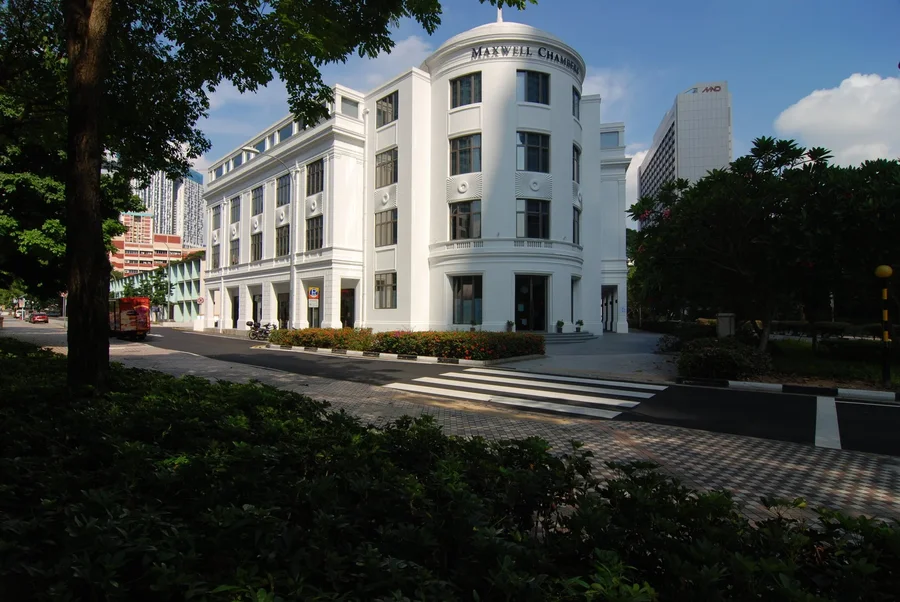
Maxwell Chambers in Singapore, home to the Singapore Chamber of Maritime Arbitration (SCMA) and other dispute resolution institutions.

In international trade and maritime contracts, disputes are inevitable. Whether it’s a charter-party conflict, a cargo claim, or a marine insurance dispute, resolving these matters quickly and efficiently is crucial to keeping global commerce moving.

Arbitration has become the preferred mechanism for resolving such disputes due to its neutrality, confidentiality, cost-effectiveness, and enforceability under international treaties 

The choice of arbitration venue often depends on jurisdictional preference, governing law, and enforceability under international arbitration conventions.

This article aims to provide an overview of Arbitration Centres specializing in maritime and trade-related disputes, their jurisdictional advantages, and their role in shaping the global arbitration landscape.

1. Choosing the Right Arbitration Framework

Selecting an arbitration mechanism depends on several key factors, including the nature of the contract, the governing law, and the enforcement mechanisms available under international treaties. 

Arbitration provides a private and efficient mechanism to resolve disputes, avoiding lengthy litigation in national courts.

The right arbitration framework ensures efficiency, neutrality, and enforceability in resolving disputes.

Arbitration spans multiple industries, each with specialized institutions, procedural rules, and expert arbitrators. In our field, the most relevant branches include:

  • Trade Arbitration – Sales contracts, distribution agreements, and commodity trade disputes.
  • Maritime Arbitration – Shipping disputes, charterparties, and marine insurance claims.
  • Commercial Arbitration – Corporate disputes, joint ventures, and supply chain conflicts.
  • Aviation Arbitration – Airline liability, aircraft leasing, and aviation insurance claims.
  • Energy Arbitration – Covering oil & gas contracts, renewables, and power generation disputes.
  • Environmental Arbitration – Cross-border environmental liability and regulatory compliance disputes.

Each branch has specialized institutions, procedural rules, and expert arbitrators familiar with industry-specific legal frameworks.

2. Key Arbitration Centres

There are specialist Arbitration Centres set up for the specific purpose of Maritime Arbitration. The two prominent ones are the London Maritime Arbitration Association (LMAA) and the Singapore Chamber of Maritime Arbitration (SCMA). Both centres handle a substantial caseload of maritime arbitration cases.

2.1. London Maritime Arbitrators Association (LMAA) – United Kingdom

When it comes to maritime arbitration, London is the undisputed global hub, and the London Maritime Arbitrators Association (LMAA) is at the heart of it. Handling thousands of cases each year, LMAA is the go-to institution for resolving disputes in charterparties, ship sales, cargo claims, and marine insurance conflicts.

What makes LMAA stand out? One major factor is that most international shipping contracts are governed by English law, a legal framework that has shaped maritime commerce for centuries. 

Interesting fact: In some years, LMAA has handled more maritime arbitration cases than all other major arbitration centres combined

🔗 Related article: Arbitration Jurisdictions: Singapore and London in Charterparties


2.2. Singapore Chamber of Maritime Arbitration (SCMA) – Singapore

Why choose SCMA?

  • A fast-growing arbitration hub for maritime disputes in Asia.
  • Provides a neutral and flexible framework tailored to the shipping industry.
  • Supported by Singapore’s strong legal system and proximity to major global shipping routes.

While London (LMAA) remains the dominant force in maritime arbitration, Singapore (SCMA) has rapidly emerged as a serious competitor, especially for disputes involving Asia-Pacific trade. 

Unlike LMAA, which follows a more traditional structure, SCMA offers a more flexible, ad hoc arbitration model, allowing parties to tailor proceedings to their specific needs. 

This makes SCMA particularly attractive for businesses looking for cost-effective and efficient dispute resolution outside the rigid frameworks of institutional arbitration.

🔗 Related article: Arbitration Jurisdictions: Singapore and London in Charterparties


2.3. Hong Kong Maritime Arbitration Group (HKMAG) – Hong Kong

The Hong Kong Maritime Arbitration Group (HKMAG) operates under the framework of the Hong Kong International Arbitration Centre (HKIAC), positioning itself as a key institution for resolving maritime and commodity trade disputes in the Asia-Pacific region.

Unlike LMAA, which dominates in English law-governed shipping disputes, HKMAG offers an attractive alternative for businesses with strong trade links to China. Its procedures align with English legal principles while also benefiting from Hong Kong’s arbitration-friendly legal system, making it a preferred choice for companies involved in cross-border trade with mainland China.

4. Society of Maritime Arbitrators (SMA) – United States

In the United States, the Society of Maritime Arbitrators (SMA) in New York serves as a major arbitration forum, particularly for charter-party disputes, marine insurance claims, and maritime trade conflicts.

As one of the longest-established arbitration institutions in the industry, SMA provides a set of widely recognised arbitration rules frequently included in contracts by shipowners, charterers, and insurers. While SMA does not have the same volume of cases as LMAA, its strong ties to the New York maritime sector make it a crucial centre for those dealing with disputes involving the Americas.

5. China Maritime Arbitration Commission (CMAC) – China

For businesses operating in China-related maritime trade, the China Maritime Arbitration Commission (CMAC) offers a distinct advantage.

Functioning under the China International Economic and Trade Arbitration Commission (CIETAC), CMAC handles disputes arising from shipping, trade, and logistics, providing a direct and efficient mechanism for resolving conflicts involving Chinese companies.

Unlike Hong Kong’s HKMAG, which follows a common law approach, CMAC operates within China’s broader legal framework, making it the go-to choice for those seeking arbitration under Chinese jurisdiction.


6. Chambre Arbitrale Maritime de Paris (CAMP) – France

In Europe, the Chambre Arbitrale Maritime de Paris (CAMP) stands as France’s leading maritime arbitration institution.

Specialising in transport, commodities trade, and shipping contract disputes, CAMP is particularly well-regarded within Francophone jurisdictions.

While it may not have the same global reach as LMAA or ICC, it provides a strong regional alternative for companies operating in French-speaking markets, offering expertise in civil law-based dispute resolution.


7. International Chamber of Commerce (ICC) – France (Paris)

The International Chamber of Commerce (ICC), headquartered in Paris, remains one of the most prestigious arbitration institutions worldwide.

Unlike sector-specific maritime arbitration bodies such as LMAA or SCMA, ICC arbitration is widely used across various industries, including commodity trading and shipping.

ICC arbitration clauses are a standard feature in international contracts, offering structured procedures, a neutral venue, and strong enforcement mechanisms under the New York Convention, making it a preferred choice for companies seeking a globally recognised dispute resolution framework.


8. Dubai International Arbitration Centre (DIAC) – UAE

For parties engaged in trade and maritime business in the Middle East, the Dubai International Arbitration Centre (DIAC) serves as a key arbitration hub.

DIAC provides a structured arbitration system tailored to shipping, logistics, and international trade, offering an efficient alternative to London or Singapore for disputes arising in the Gulf region.

Unlike some Western arbitration bodies, DIAC is uniquely positioned to accommodate disputes involving regional legal and commercial practices, making it an increasingly attractive choice for businesses operating in the UAE and beyond.


9. Stockholm Chamber of Commerce (SCC) – Sweden

Finally, the Stockholm Chamber of Commerce (SCC) has built a reputation as a leading arbitration centre for European and Russian trade disputes.

While it may not be as maritime-focused as LMAA or SCMA, SCC is frequently chosen for commodity trading and international commercial agreements.

With its neutral and reliable arbitration procedures, SCC is a particularly strong option for companies seeking an independent venue for resolving cross-border trade disputes.

International Arbitration Process in Trade & Marine Insurance

Classical Ionic column representing stability and structure, symbolizing the International Arbitration Process in Shipping & Insurance.

The international arbitration process in trade & marine insurance remains a preferred alternative to litigation, offering a neutral and enforceable means of resolving disputes.

When disputes arise in international trade and shipping operations, arbitration often takes center stage.

But what makes arbitration the preferred choice for trade and marine insurance disputes?

Arbitration offers a specialized, efficient, and enforceable means of settling conflicts, particularly in cases involving complex contractual terms, cross-border regulations, and industry-specific challenges.

It is widely used in shipping disputes, charterparties, marine insurance claims, and trade contracts.

Parties can agree to arbitration clauses in their sales contracts, distribution agreements, and transport insurance policies, ensuring that conflicts are handled by an impartial tribunal.

When is arbitration recommended? It becomes essential when direct negotiations fail, necessitating a structured dispute resolution mechanism that balances legal certainty with commercial flexibility.

For example, in a case of recovery after subrogation, arbitration ensures that insurers or P&I clubs can efficiently claim reimbursement from liable third parties, minimizing prolonged litigation and jurisdictional uncertainties.

In this article, we provide a comprehensive overview of the arbitration process, and its application across different industries, including shipping and commodity trade.

1. Key Principles of Arbitration

1.1. Arbitration is consensual

Arbitration can only take place if both parties mutually agree to it, distinguishing it from litigation, which can be imposed by law. In commercial contracts, parties often include an arbitration clause specifying that any future disputes will be resolved through arbitration.

Alternatively, if a dispute has already arisen, the parties may enter into a submission agreement, referring the matter to arbitration.
Unlike mediation, where a party can withdraw at any stage, arbitration is binding once agreed upon.

1.2. Party autonomy

One of the core tenets of arbitration is party autonomy, which grants disputing parties the flexibility to tailor the arbitration process to their needs.

This includes selecting arbitrators with relevant expertise, defining procedural rules, choosing the governing law, and determining the scope of disputes covered under the arbitration clause.

1.3. Neutrality and expertise

Unlike court litigation, where judges may not have specialized industry knowledge, arbitration panels consist of experts in maritime law, shipping, and insurance.

Neutrality is another key factor, as arbitrators operate independently of the parties and jurisdictional biases, making arbitration particularly suitable for international disputes.

1.4. Finality and limited appeals

Arbitration provides a final and binding resolution, reducing prolonged disputes that may arise in traditional litigation.

Unlike court decisions, which can be subject to multiple levels of appeal, arbitral awards have limited grounds for challenge, typically restricted to procedural irregularities or violations of due process. Courts generally uphold arbitration decisions under international conventions such as the New York Convention (1958), ensuring their enforceability across multiple jurisdictions.

1.5. Confidentiality

A significant advantage of arbitration over litigation is its confidential nature. Arbitration proceedings remain private, protecting sensitive commercial information, contractual terms, and proprietary business strategies from public exposure. This is particularly relevant in marine insurance disputes, shipping contracts, and high-value commodity trade, where confidentiality helps maintain business reputations and prevents unnecessary market disruptions.

2. The Arbitration Process: Key Stages

2.1. Arbitration agreement & clause

The arbitration process typically starts with a well-drafted arbitration clause in a charterparty, sales contract, marine insurance policy, or commodity trade agreement. 

A standard arbitration clause should specify:

  • Governing law (e.g., English Law, Singapore Law, UAE Law)
  • Arbitration institution (LMAA, ICC, SIAC, DIFC, etc.)
  • Seat of arbitration (e.g., London, Singapore, Dubai)
  • Number of arbitrators and their appointment process
  • Language of arbitration

Some agreements may require preliminary steps, such as senior management discussions or mediation, before arbitration can commence.

2.2. Notice of arbitration

If institutional rules apply, they typically dictate the required content of the notice to arbitrate, which generally includes a summary of the dispute and, if applicable, the nomination of an arbitrator.

Key elements in a Notice of Arbitration:

  • Identification of parties
  • Arbitration agreement reference
  • Description of the dispute
  • Relief sought
  • Proposed arbitrator (if applicable)

Arbitration begins when the claimant serves a formal notice of arbitration to the respondent.

The respondent then has a set period to reply, after which arbitrators are appointed based on the agreed terms.

2.2. Appointment of arbitrators

Arbitrators are appointed according to the terms of the contract. For example, parties may specify an arbitral institution, such as the ICC in Paris or a Chamber of Commerce, to oversee the process.

Once arbitrators are appointed, the tribunal must be formally constituted.

Common selection methods include:

  • Single arbitrator: If parties agree on one neutral arbitrator.
  • Three-arbitrator panel: Each party appoints one arbitrator, and both select a third neutral chair.
  • Institutional appointment: When parties fail to agree, the institution (e.g., ICC, LMAA) appoints arbitrators.

If a three-member tribunal is required, each party typically selects one arbitrator, and the two nominees or the arbitral institution appoint a chairperson. In cases with multiple parties or a sole arbitrator, the applicable arbitration rules will determine the selection process.

Additionally, parties are usually required to make an advance on costs, which covers administrative expenses, arbitrators’ fees, and any procedural costs. The institution or tribunal assesses the amount, and failure to pay may result in the arbitration being suspended or terminated. Proper financial planning is essential to ensure the smooth progression of the proceedings.

2.3. Preliminary meetings

The arbitrators and parties meet to agree on timelines, procedures, interim measures, and even the language of arbitration.
Although the arbitration language is often outlined in the agreement, this meeting allows the parties to confirm or adjust these details, ensuring the process is tailored to the specifics of the case.

2.4. Submissions and evidence

Each side presents their evidence, documents, and arguments.

For trade and transport disputes, this could include:

  • charterparty agreements, or other contractual documents.
  • Shipping logs
  • Bills of lading
  • Marine surveyor reports
  • Insurance policies and claim records
  • Correspondence and expert testimonies

This step is similar to discovery in litigation but typically less formal and faster.

2.5. Hearings

Arguments are presented, and witnesses or experts may be examined. Unlike court trials, arbitration hearings are private and structured to address the dispute’s specifics.

2.6. Final award

The arbitrators issue their decision, known as the “award.” Arbitration awards are typically confidential, unlike judicial sentences, which are public.

2.7. Challenging or appealing an award

Arbitral awards are generally final, but they may be challenged under limited circumstances, such as procedural errors, jurisdictional issues, or violations of due process. The availability of an appeal depends on the arbitration agreement, the chosen arbitral seat, and the governing institutional rules.

2.8. Enforcement of arbitration awards

One of arbitration’s key advantages is the enforceability of awards under the New York Convention (1958), which allows recognition and enforcement in over 160 countries. Enforcement depends on the jurisdiction where the award is sought and factors such as the financial status of the losing party or the availability of assets for execution.

Ensuring enforceability should be a key consideration before initiating arbitration, particularly in international disputes.

3. Common Disputes in Shipping & Insurance Arbitration

International arbitration in shipping and insurance is commonly used for resolving disputes involving:

  • Shipping Disputes & Freight Insurance – Charterparty disagreements, freight insurance claims, cargo recovery, and liability disputes.
  • Marine Insurance Disputes & Claims Subrogation – Claims subrogation, hull and cargo claims, cargo policies clauses, and P&I claims.
  • Sales Contracts, Distribution Agreements & Commodity Trade – Disputes involving distribution agreements, commodity trade, and contract breaches.
  • Corporate, Joint Ventures & Supply Chain Disputes – Joint ventures, supply chain conflicts, and contractual obligations.
  • Environmental & Regulatory Compliance Disputes – Cross-border environmental liability, oil & gas contracts, and renewables-related claims.
  • Aviation Insurance & Liability – Airline liability disputes and aviation insurance claims.

4. Key Legal Frameworks Governing International Arbitration

Several legal frameworks provide a robust foundation for arbitration in the maritime and insurance sectors:

InstitutionKey FeaturesCommon Use Cases
New York Convention (1958)Ensures global enforcement of arbitration awards.Enforcing cross-border arbitration decisions.
UNCITRAL Model LawHarmonized arbitration laws worldwide.Governing procedural aspects of arbitration.
London Maritime Arbitrators Association (LMAA)Specializes in maritime arbitration.Charterparty and shipping disputes.
International Chamber of Commerce (ICC)Commercial arbitration in global trade.Insurance and contract-related disputes.
Singapore International Arbitration Centre (SIAC)Preferred for Asia-Pacific disputes.Shipping, energy, and trade conflicts.
Dubai International Financial Centre (DIFC)Arbitration hub for the Middle East.Maritime, trade, and logistics disputes.

5. Arbitration Recap: Key Questions Answered

What is arbitration in international trade and marine insurance?
Arbitration is a private dispute resolution process where an impartial tribunal resolves conflicts arising from trade, transport, and marine insurance contracts. It is preferred over litigation due to its speed, confidentiality, and enforceability.

Unlike litigation, arbitration is a consensual process where parties agree on arbitrators, procedural rules, and governing law. It is generally faster, confidential, and enforceable across borders under the New York Convention.

The arbitration process involves: (1) Notice of arbitration, (2) Appointment of arbitrators, (3) Preliminary meetings, (4) Submission of evidence, (5) Hearings, (6) Final award issuance, and (7) Enforcement of the award.

Yes, arbitration awards are enforceable in over 160 countries under the New York Convention (1958), making it a preferred method for cross-border dispute resolution.

Conclusion

Arbitration isn’t one-size-fits-all. The process can vary depending on the seat of arbitration. That’s why it’s crucial to draft arbitration clauses carefully to avoid surprises.

If you require legal representation in arbitration for hull claims, cargo disputes, or trade contract conflicts, our team at Marlin Blue specializes in arbitration. 

Contact us today to learn more about how we can assist you.

Appealing a cargo damage survey report

A bulk carrier and a barge performing cargo transfer operations at sea, representing the significance of precise assessments in cargo damage survey reports and appeals.

When dealing with cargo damage, one document becomes central to the entire claims process: the cargo damage survey report.

This report, prepared by a surveyor appointed by the insurer or a claims management agency, defines who is responsible and how much should be paid. Sounds simple. But it rarely is.

However, what happens when you disagree with the findings?

Whether it’s discrepancies in valuation, questionable methodologies, or overlooked evidence, disputes can arise.

But disagreeing with an expert assessment doesn’t mean you’re out of options.

On the contrary, it opens the door to legal options that allow you to challenge or supplement it.

This is where strategy comes into play: technical objections, additional evidence, requesting a second opinion—each case demands a different approach.

And this all starts with one cornerstone: understanding the cargo damage survey.

1. Understanding the importance of cargo damage surveys

1.1. How is compensation for cargo damage determined?

Determining compensation for cargo damage after an incident involves assessing various technical and contractual factors. 

Typically, the carrier’s or cargo owner’s insurer appoints a surveyor to evaluate the nature and extent of the damage, as well as its potential causes. 

The surveyor’s report provides a detailed evaluation of:

  1. Review of documentation: Includes the insurance policy, bill of lading, and other related documents. This review verifies the applicable coverage under the contracted clauses (e.g., Institute Cargo Clauses A, B, or C) and whether the damage is partial or total.
  2. Physical inspection of the cargo: Visible damage is assessed to determine its extent.
  3. Determination of the cause of the damage or loss: Identifying the responsible party—whether the carrier, port operator, or a third party—is crucial, based on the terms of the transport contract. Factors such as poor stowage, adverse weather conditions, and non-compliance with regulations by the involved parties are also analyzed.
  4. Identification of pre-existing conditions of the cargo: Evaluating whether the damage might have occurred prior to transport.
  5. Analysis of voyage records: Reviewing data such as the route taken, transit time, and incident reports during the journey.
  6. Nature and extent of the damage: Determining the severity of the damage and its impact on the cargo.
  7. Calculation of economic loss: Estimating the actual value of the damage based on the quantity of cargo affected and its commercial value.

The surveyor’s report serves as the basis for determining the amount the insurer will pay, which may not always align with the claimant’s expectations.

1.2. How do expert reports influence decisions in appeals or arbitration?

Expert reports can make or break a case in appeals or arbitration. Why? Because they carry weight—sometimes more than you’d expect.

  1. They provide the expertise that judges, arbitrators, or juries lack, breaking down complex technical or scientific matters into something they can act on.
  2. Courts lean heavily on these reports to decide cases where the issues go far beyond everyday legal knowledge.
  3. Arbitrators often rely on expert assessments—sometimes because procedural rules require it—to ensure their decisions are informed and fair.

However, here’s the catch: these reports aren’t perfect. Disagreements happen. And when they do, it’s essential to understand the reasons behind them and how to address these issues effectively.

2. Common reasons for disputing a survey report

The parties may challenge the validity of the report or the credibility of the surveyor by presenting arguments related to:

1. Methodological issues

  1. Inadequate Inspection Procedures: The surveyor may have failed to follow industry-standard inspection protocols.
  2. Insufficient Sampling: In cases of bulk cargo, the sampling method might be questioned if it’s not representative of the entire shipment.
  3. Environmental Factors: Failure to consider external conditions like weather or temperature that could have affected the cargo.

2. Discrepancies in valuation

  1. Market value disagreements: The assessed value of damaged goods may not align with current market rates.
  2. Repair vs. replacement costs: Disputes can arise over whether repair costs or full replacement value should be applied.
  3. Depreciation calculations: Disagreements on how depreciation of goods is factored into the valuation.

3. Omission of key facts or evidence

  1. Incomplete documentation: Failure to include relevant shipping documents, photographs, or test results.
  2. Overlooked pre-existing conditions: Not accounting for the condition of goods prior to shipment.
  3. Ignored contributory factors: Neglecting to consider all potential causes of damage, such as improper packaging or handling.

4. Impartiality concerns

  • Perceived bias: If the surveyor appears to favor one party over another.
  • Conflict of interest: When there’s a pre-existing relationship between the surveyor and one of the involved parties.

5. Technical competence

  • Lack of expertise: Questions about the surveyor’s qualifications or experience in dealing with specific types of cargo or damage.
  • Misapplication of standards: Incorrect application of industry standards or regulations.


Conclusion

Appealing a cargo damage survey report requires a thorough understanding of maritime law, insurance practices, and the appeals process.

Whether you’re dealing with jurisdictional conflicts or complex damage assessments, having experienced legal representation can make a significant difference in the outcome of your appeal.

For more information on how we can assist you with maritime claims and appeals, please contact our international law firm specializing in trade and marine insurance litigation.


How to appeal Hull Insurance denials

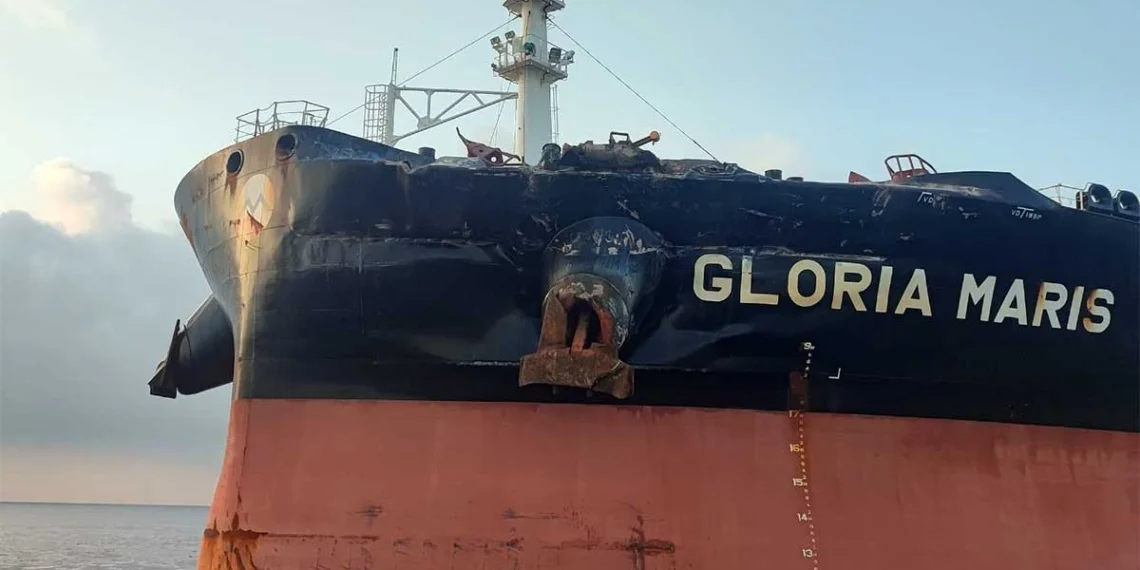
Visible damage to the bow of the oil tanker Gloria Maris after a maritime collision

The purpose of this post is to give an overview of how to appeal hull insurance denials, understand the legal nuances involved, and clarify the role that the insured plays in these complex scenarios.

It assumes some knowledge of general insurance terminology but this post is particularly helpful for shipowners and others new to the marine hull side of the business.

Whether dealing with hull appeals or cargo appeals, the appeal process in marine insurance will be similar, but for hull claims it is worthy to mention the nuances related to hull clauses, policy exclusions, and specific responsibilities of the insured. In most cases, the appeals process takes place within the framework of the insurance contract before escalating to courts or civil proceedings. Appeal hull insurance denials are frequent, often resulting from policy ambiguities or disputes over documentation requirements. It typically begins with the insured submitting a formal appeal letter and supporting documentation to the insurer. If the denial persists, alternative dispute resolution methods, such as mediation or arbitration, may come into play as outlined in the policy.

This article aims to provide shipowners with a broad understanding of the opportunities available to address and appeal hull insurance denials, empowering them to manage these complex scenarios effectively.

What we will explore, for example, is whether, after the initial claim denial, shipowners have legal or contractual options to appeal, how to provide additional documentation, and what strategies they can follow to strengthen their case with the insurer.

1. Understanding Hull Insurance Denials

Hull insurance covers physical damage to ships and related risks, such as collisions, grounding, or machinery failure. It is designed to mitigate the “friction” in global trade caused by risks to vessels, including piracy, fire, and weather conditions.

However, claims may be denied for several reasons, including:

  • Policy exclusions explicitly list certain damages not covered, such as wear and tear, inherent vice, or negligence of the insured.
  • Breach of warranty happens when there is non-compliance with conditions like maintaining the vessel’s class.
  • Failure to report incidents promptly (late notification) can prejudice the insurer’s ability to investigate.
  • Insufficient documentation occurs when there is a lack of evidence to prove that the damage was caused by a covered peril.
  • Disputes over proximate cause arise from disagreements on whether the damage was directly caused by an insured risk.

These reasons are closely tied to fundamental principles of marine insurance, particularly “utmost good faith,” which requires complete transparency from shipowners and other parties involved. Breaches in disclosure, such as withholding information about prior incidents or the vessel’s condition, can lead to claims being voided. To avoid such issues, shipowners must ensure full compliance with policy terms.

A relevant legal consideration for shipowners is the importance of timely reporting. For instance, a recent legal case involving a collision highlighted how delays in notifying insurers can significantly weaken a claim. In that case, the shipowner reported the incident after repairs had already begun, making it difficult for the insurer to investigate the proximate cause of the damage. To prevent this, shipowners should ensure compliance with notification clauses, which often require reporting incidents within a specific timeframe—typically 48 or 72 hours. Failure to do so could result in a denial of the claim based on late notification.

2. Steps to appeal a Hull Insurance Denial

2.1. Understand the denial

When an insurer denies a claim, the first critical step is to fully understand their reasoning. This begins by carefully reviewing the denial letter provided by the insurer. Identify the cited hull clauses or exclusions and evaluate whether their interpretation aligns with your policy. For instance:

  • Was the damage caused by an insured peril, such as a collision?
  • Did efforts to extinguish a fire directly result in cargo or vessel damage?

For shipowners, it’s crucial to consider the operational context of the incident. For example, if the vessel was navigating in a high-risk area or under specific weather conditions, ensure this is documented and presented as part of your case.

Next, compare these reasons against the terms of your hull insurance policy. This includes evaluating coverage clauses, exclusions, and warranties. Pay particular attention to obligations such as maintaining class and complying with reporting requirements. Understanding whether the insurer’s interpretation of these clauses aligns with your own is essential to formulating a strong response.

Legal tip for shipowners: Keep detailed records of your vessel’s maintenance, operational logs, and incident reports. These documents not only fulfill reporting requirements but also provide the evidence needed to counter any misinterpretation by the insurer. For instance, if the claim involves collision damage, include bridge logs, radar recordings, and third-party witness statements to build a robust appeal.

2.2. Gather Supporting Evidence

The success of an appeal often hinges on the quality and comprehensiveness of the evidence you provide. Start by collecting all relevant documentation to support your claim.

Key documents include:

  • Policy documents and endorsements: Detail your coverage and obligations, highlighting any hull clauses applicable to the claim.
  • Incident reports: Include surveys conducted immediately after the incident, photographs or videos of the damage, and detailed accounts from witnesses, including crew members.
  • Repair estimates, receipts, and invoices: These quantify the financial impact of the damage and support your claim’s valuation.

For shipowners, ensuring that incident logs and crew testimonies are accurate and detailed can make a significant difference. For instance, documenting how and when the damage occurred, along with weather conditions and navigational data, can strengthen your claim against an insurer’s denial.

Marine surveyors or average adjusters can provide impartial assessments of the damage and validate your claims. Their reports carry significant weight in disputes and can help clarify technical details for the insurer. An average adjuster specializes in analyzing claims under the terms of marine insurance policies and can provide:

  • Detailed assessments of the validity of your claim, evaluating the insurer’s reasons for denial.
  • Expert advice on calculating claims involving total loss or partial loss, ensuring financial assessments are accurate and fair.
  • Support in establishing proximate cause: If the insurer argues that an excluded peril caused the damage, an average adjuster can provide evidence to demonstrate that the damage aligns with a covered peril, documenting the sequence of events leading to the loss.

Legal tip for shipowners: Maintain a pre-approved list of marine surveyors or adjusters familiar with your operations. This can save valuable time when disputes arise, ensuring you have access to trusted experts who understand your vessel’s specifications and operational context.

Handling proximate cause disputes

Proximate cause disputes are among the most common in hull insurance claims. If your insurer denies a claim based on their determination of proximate cause, you must build a compelling case. Start by:

  1. Documenting the sequence of events that led to the damage, supported by navigational logs and witness accounts.
  2. Providing expert testimony or reports that validate your interpretation of the proximate cause.
  3. Referencing legal precedents, such as Rhesa Shipping Co. S.A. v. Edmunds (The Popi M), to demonstrate how proximate cause disputes have been resolved in favor of insured parties in the past.

Example for shipowners: In disputes over total loss, adjusters’ reports must demonstrate that the destruction of the vessel meets legal definitions. For instance, if your vessel suffered irreparable damage after grounding, evidence such as structural reports, towing attempts, and salvage efforts should be included to substantiate your claim.

2.3. Engage your broker

Brokers have a vested interest in maintaining good relationships with both the insurer and the insured. They can:

What brokers can do for shipowners:

  1. Facilitate Communication effectively by acting as intermediaries between you and the insurer. Brokers ensure concerns are accurately conveyed and responses are well understood.
  2. Leverage their industry knowledge and relationships to advocate for a favorable resolution. They can highlight precedents or clarify policy terms to strengthen your case.
  3. Brokers provide strategic guidance to help you understand the insurer’s perspective, adjust your appeal, and identify weaknesses to improve your chances of success.

Legal tip for shipowners: In complex cases, particularly those involving proximate cause disputes or policy exclusions, involve your broker as early as possible. They can coordinate with marine surveyors, average adjusters, and legal counsel to build a cohesive case that aligns with your policy’s hull clauses.

Example of broker support:

Suppose your claim involves damage due to firefighting efforts after a fire onboard. If the insurer denies the claim, arguing that the damage is secondary and not covered, your broker can:

  • Refer to specific hull clauses or endorsements that explicitly cover such scenarios.
  • Facilitate expert input to clarify how the damage is directly related to an insured peril.
  • Negotiate with the insurer to reconsider their position based on policy wording and supporting evidence.

2.4. Respond with a formal appeal

After understanding the denial and gathering supporting evidence, the next step is to draft a formal appeal letter. This letter is a critical component of your appeal process and should include the following elements:

  • Start with a professional tone to establish credibility and clearly state your intent to appeal the denial.
  • Reference specific policy provisions that align with your claim and support your position.
  • Summarize the incident concisely, highlighting the proximate cause and its connection to covered perils.
  • Attach relevant documentation as evidence, including photos, surveys, repair estimates, and expert reports, to counter the insurer’s reasoning.
  • Highlight misinterpretations or restrictive readings of policy terms that may have influenced the denial.

Ensure the letter is detailed but not overly technical. Clear, factual arguments are more persuasive and resonate better with claims adjusters. For example, if the claim denial involves collision damage, include bridge logs, radar records, and photographs of the damage to reinforce your appeal.

2.5. Negotiate with the insurer or seek legal recourse

Once you’ve submitted your appeal with new evidence, the next step is to engage in negotiations with the insurer. Request a formal review of your claim, presenting the additional documentation and arguments that counter the insurer’s reasons for denial. If the insurer remains firm, consider proposing mediation as a non-adversarial method to resolve the dispute. Mediation involves a neutral third party facilitating discussions between you and the insurer to reach an amicable resolution. This approach is often quicker and less costly than litigation or arbitration.

However, if negotiations and mediation fail, shipowners may need to pursue legal recourse. A maritime lawyer specializing in insurance disputes can:

  • Assess the legal merits of your case and determine the best course of action.
  • Provide guidance on arbitration or litigation, ensuring compliance with any contractual obligations.
  • Represent you in court or arbitration proceedings, protecting your interests and ensuring a fair outcome.

In maritime insurance contracts, arbitration clauses are common, obliging parties to resolve disputes outside of court under specific rules, such as the Lloyd’s Open Form. Arbitration is typically faster and less expensive than litigation but lacks the judicial oversight that courts provide.

If arbitration is not mandatory or the insured opts for another route, litigation in a competent court becomes the alternative. Courts will examine whether the insurer’s reasons for denial align with the terms of the policy and maritime laws.

Case Example: In Rhesa Shipping Co. S.A. v. Edmunds (The Popi M), the Court underscored the importance of proving proximate cause in hull insurance disputes. Shipowners must establish that the damage was directly caused by a covered peril, particularly in cases involving total loss or complex incidents like collisions or firefighting damage.

Legal tip: Ensure that any legal action is initiated within the policy’s limitation period to preserve your rights and strengthen your case.

2.6. Consider regulatory support

In jurisdictions with established insurance regulators, shipowners have an additional avenue to address claim denials: filing a formal complaint. Regulatory bodies play a vital role in overseeing insurers’ compliance with local laws and ensuring they act in good faith.

What regulatory support can offer:

  • Investigations into insurer conduct to determine whether they adhered to principles of good faith and fair dealing.
  • Enforcement of compliance with local insurance laws, ensuring the insurer meets its obligations under the policy.
  • Additional leverage for shipowners, pressuring insurers to reconsider their position and negotiate more favorably.

Legal tip for shipowners: Familiarize yourself with the regulatory frameworks applicable in your jurisdiction, as processes and options for recourse can vary widely. In some cases, lodging a regulatory complaint can prompt the insurer to re-evaluate their decision, avoiding the need for costly litigation.

Conclusion

Appealing a hull insurance claim denial is a demanding process that requires diligence, comprehensive evidence, and expert guidance. Whether the denial involves damage to a vessel, collisions, or total loss, shipowners must understand their policy responsibilities and explore every available recourse.

While navigating this process, shipowners should be prepared for challenges such as prolonged timelines, significant resource commitments, and pushback from insurers. However, these obstacles can often be overcome with the support of maritime legal experts who can:

  • Interpret complex policy terms and provide clarity on coverage disputes.
  • Develop compelling arguments that align with both policy language and legal precedents.
  • Negotiate with insurers or represent shipowners in mediation, arbitration, or court.

For shipowners facing denied claims, seeking professional guidance is critical. At Marlin Blue, we specialize in helping shipowners resolve disputes effectively, from initial appeals to arbitration or litigation.

Don’t let a denied claim jeopardize your operations. Contact Marlin Blue today to appeal denied marine insurance claims effectively.

The Role of Appeals in Jurisdictional Conflicts in Maritime Claims: Lessons from the Prestige Case

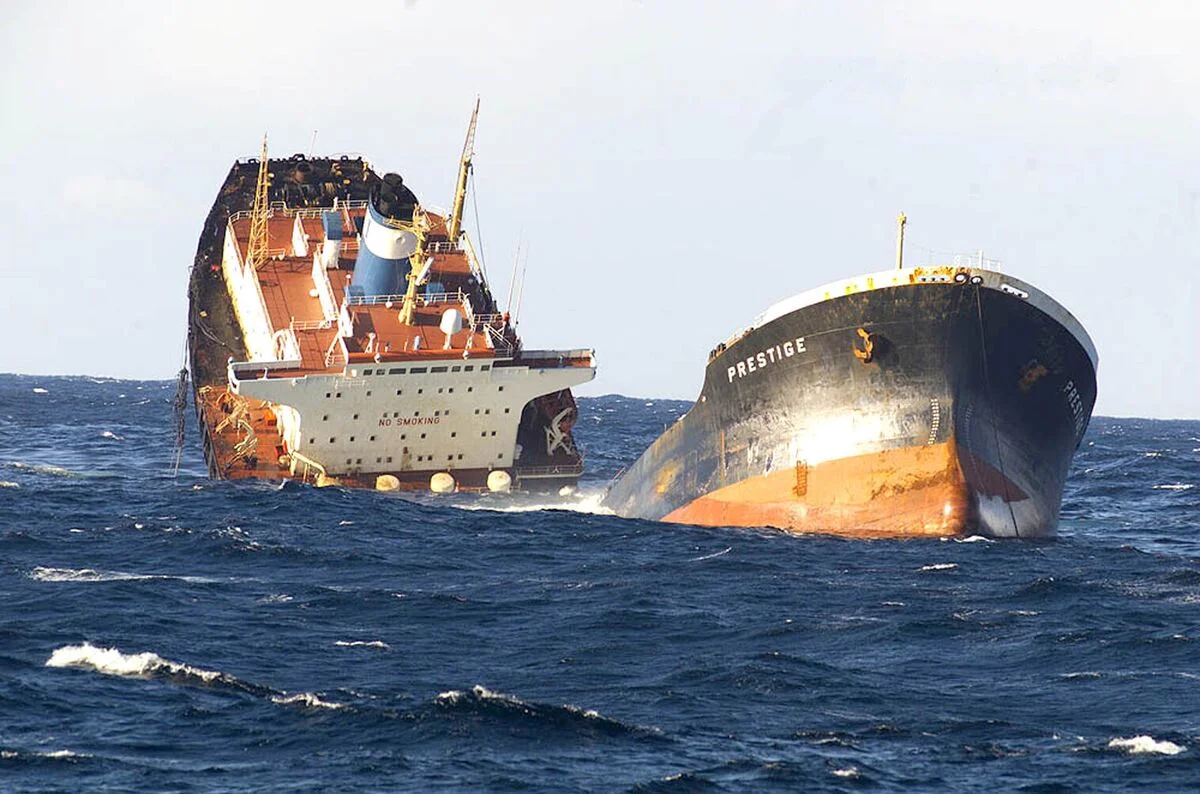
The Prestige oil tanker breaking apart in rough seas before sinking off the coast of Galicia in November 2002, leading to a major environmental disaster.

Jurisdictional conflicts are a recurring challenge in international maritime incidents, and the Prestige case stands as an example of how legal disputes can become even more complex when appeals are involved.

This landmark case highlights how arbitration clauses, state immunity, and international conventions intersect, creating a web of legal challenges that appeals tend to exacerbate. The involvement of multiple jurisdictions, coupled with differing interpretations of international laws, not only delays resolutions but also amplifies uncertainties for key stakeholders such as insurers, shipowners, and states.

In this post, we will explore the multifaceted role of appeals in these conflicts, analyzing their impact on legal timelines, stakeholder dynamics, and the overall effectiveness of international maritime dispute resolution.

1. The Prestige case and the origin of the conflict

The sinking of the oil tanker Prestige in November 2002 off the coast of Galicia triggered one of the most devastating environmental disasters in recent history. Following the incident, numerous claims emerged, ranging from pollution damages to disputes over the civil liability of the parties involved, including the shipowner, captain, insurers, and reinsurers. These disputes were further complicated by the transnational nature of the event, which raised significant challenges in determining which jurisdiction had authority over the case.

The case involved prolonged legal battles across multiple countries, including Spain, France, Greece, and England, with disputes often escalating to higher courts through a series of appeals. These appeals not only sought to overturn unfavorable rulings but also to reinterpret critical aspects of liability and the application of international conventions.

In Spain, the nation most affected by the disaster, the case was initially handled by Galician courts, which assumed jurisdiction due to the location of the most severe environmental damage. In 2013, more than a decade after the sinking, the Provincial Court of La Coruña issued a controversial ruling absolving the ship’s captain, Apostolos Mangouras, and the shipowner of criminal liability. This decision was appealed by the Spanish State and other parties. Finally, in 2016, Spain’s Supreme Court partially overturned the ruling, holding the captain criminally responsible for environmental crimes and declaring both the shipowner and its insurer civilly liable for the damages. While this marked a turning point, it did not fully resolve the ongoing legal disputes.

In France, courts became involved due to pollution along its coastline. Although French courts did not play a central role in the claims process, they faced significant challenges interpreting international conventions, particularly the International Convention on Civil Liability for Oil Pollution Damage (CLC 1992). These disputes underscored the difficulties of coordinating legal efforts across jurisdictions affected by the same maritime incident.

In Greece, the case gained attention due to the nationality of the captain, Apostolos Mangouras, and his detention in Spain. Internationally, appeals regarding his criminal liability sparked debates over jurisdiction, the proportionality of bail measures (initially set at €3 million), and his eventual conviction. These issues drew criticism from international human rights organizations, which questioned the treatment of Mangouras and highlighted the broader implications for maritime workers.

In England, the case became a focal point for contractual disputes involving insurers and reinsurers. England’s legal system, a prominent hub for maritime arbitration and litigation, hosted key proceedings regarding insurance coverage, contractual obligations, and the interpretation of international agreements. The shipowner’s primary insurer, The London Steam-Ship Owners’ Mutual Insurance Association (London P&I Club), headquartered in England, became embroiled in disputes over the application of arbitration clauses in the insurance contracts. England also served as the venue for litigation on the interpretation of the CLC 1992 and the scope of its liability limits. These proceedings often highlighted the insurers’ efforts to limit financial obligations, creating tensions with courts in other jurisdictions, particularly Spain, which sought broader compensation for the damages caused by the disaster.

Beyond the national-level disputes, the Prestige case underscored the limited effectiveness of international dispute resolution mechanisms. While frameworks like the CLC 1992 and the 1992 Fund provide guidance for oil pollution claims, disagreements over their interpretation and application caused significant delays in compensating affected parties. The fragmented legal processes and jurisdictional conflicts revealed the difficulty of achieving uniform application of international conventions in complex, transnational maritime incidents.

2. The role of appeals in jurisdictional conflicts

In the context of international maritime claims, appeals are a critical tool for parties seeking to defend their interests. However, they also present significant challenges to resolving jurisdictional conflicts, particularly in the following areas:

2.1. Procedural delays

In the Prestige case, appeals filed by the captain, the shipowner, and insurers prolonged the litigation for over a decade. The Spanish Supreme Court, for instance, did not issue a final decision on liability until 2016—fourteen years after the incident. This ruling partially overturned earlier decisions by the Provincial Court of La Coruña, declaring the shipowner and its insurer, The London P&I Club, civilly liable for damages and holding Captain Apostolos Mangouras criminally responsible for environmental crimes. The final decision imposed substantial compensation obligations, including €1.5 billion in damages to the Spanish State. These protracted legal battles not only delayed environmental restoration but also severely impacted local communities, such as fishermen, who depended on timely compensation for their livelihoods.

2.2. Conflicts between national and international courts

Appeals across different jurisdictions often exacerbate conflicts when courts interpret international conventions in inconsistent ways. In the Prestige case, one of the central debates was determining which court held jurisdiction to rule on liability and how to apply the CLC’s compensation limits. For example, Spanish courts argued that the environmental damage warranted broader compensation under national law, whereas English courts focused on enforcing arbitration clauses and liability limits as defined by the CLC. The Spanish Supreme Court’s ruling in 2016 clashed with earlier interpretations by English courts, underscoring the challenges of harmonizing legal frameworks in transnational disputes.

2.3. Impact on insurers and reinsurers

Appeals introduce significant legal uncertainty for insurers and reinsurers, making it difficult to assess financial exposure while litigation remains unresolved. In the Prestige case, the shipowner’s insurer, London P&I Club, faced years of uncertainty regarding the extent and scope of its liability. Disputes over compensation levels strained relationships with Spanish courts, which sought higher payments to cover environmental restoration and damages to affected communities. For instance, the insurer’s stance on limiting payouts under the CLC framework created tensions with Spain’s broader claims for damages, further complicating the resolution process.

3. Lessons learned and practical recommendations

The Prestige case offers key lessons on the impact of appeals in maritime jurisdictional conflicts and how parties can manage them more effectively:

3.1 Clear use of jurisdiction and arbitration clauses

Including specific clauses in maritime contracts and insurance policies can help prevent prolonged disputes over which court has jurisdiction. Contracts should explicitly state the court or arbitration panel that will have jurisdiction. In cases of complex incidents, international arbitration can provide a faster and more efficient resolution.

In addiction, the contracts must clearly define which national or international legal framework will apply to disputes. This is particularly crucial in cases involving multinational stakeholders because ambiguities in arbitration clauses often lead to additional litigation, as seen in the Prestige case, where conflicting interpretations of international conventions prolonged the resolution process.

3.2 Encouraging alternative dispute resolution

Promoting the use of mediation or binding arbitration can help parties offering faster resolutions compared to litigation, and avoiding the lengthy delays often caused by court appeals in maritime cases.

Arbitration panels with maritime law and environmental experts can ensure specialized and informed decisions, particularly in complex, high-profile incidents like the Prestige case.

While this may not always be feasible, particularly in high-profile cases like the Prestige, it can be a valuable tool for managing smaller-scale incidents.

Conclusion

Appeals are a legitimate right in maritime litigation, but they can also become an obstacle to the effective resolution of jurisdictional conflicts.

The Prestige case underscores the pressing need for proactive legal strategies, including the use of clear arbitration clauses, the promotion of alternative dispute resolution mechanisms, and enhanced international coordination to minimize delays and uncertainties in resolving maritime jurisdictional conflicts.

Ultimately, jurisdictional disputes and the appeals they generate highlight the necessity of a more coordinated and proactive approach in international maritime law to ensure better outcomes for all stakeholders involved.

At Marlin Blue, we specialize in providing expert legal consultancy, handling litigation, and offering mediation and arbitration services tailored to the maritime and trade sectors. Contact us today to explore how we can support your business in navigating complex legal challenges efficiently.

The appellate process for Trade & Marine Insurance

When we lose a civil lawsuit and consider that the sentence is erroneous, incomplete, inconsistent, or has assessed the evidence incorrectly—or, in short, is wrong for any other reason—a hope immediately arises: to resort to a civil appeal. The appellate process allows individuals and organizations to challenge unfavorable lower court rulings.

In trade and marine insurance disputes, common reasons for filing an appeal include when an insurer denies or reduces payment for damages related to the hull or cargo, or when there are disagreements over specific clauses in insurance policies, charter parties, or trade contracts, or when disputes arise from demurrage, trade embargoes, or delivery delays. If one of the parties does not agree with the ruling, they can file an appeal with the court where the decision was issued, in ordinary courts or specialized maritime tribunals or arbitration processes.

Appealing a sentence becomes necessary when disputes arise that cannot be resolved through initial proceedings.

In this article, we provide a comprehensive overview of the appellate process in the context of trade and marine insurance.

1. Key Principles of the Appellate Process

Appeals in trade and marine insurance disputes are governed by fundamental legal principles designed to ensure fairness and consistency.

1.1 Revisio Prioris Instantiae

The appellate process allows for a comprehensive review of the legal and factual elements of the case, enabling higher courts or panels to reassess decisions made in the first instance.

1.2 Limits on Appeals

Tantum Devolutum Quantum Appellatum: The appellate body can only address the specific issues raised in the appeal.
Prohibition of Reformatio in Peius: The appellate decision cannot worsen the position of the appealing party unless a cross-appeal is filed.

1.3 Forums for Appeals

Depending on the nature of the dispute, appeals may be directed to:

  • National courts: For legal and procedural issues under domestic laws.
  • Specialized maritime tribunals: Such as the International Tribunal for the Law of the Sea (ITLOS).
  • Arbitration panels: Including the London Maritime Arbitrators Association (LMAA) or the International Chamber of Commerce (ICC).

2. Stages of the Appellate Process

2.1. Reviewing the initial decision

Before filing an appeal, it is essential to thoroughly analyze the lower court’s judgment or arbitration award. This stage involves:

  • Identifying errors in legal interpretation, procedural fairness, or factual findings.
  • Consulting legal and industry experts to assess the strength of the appeal.

2.2. Gathering evidence

Successful appeals require a strong evidentiary foundation. This includes:

  • Contracts (e.g., charter parties, insurance policies, sales agreements).
  • Expert reports (e.g., marine surveyors, salvage experts).
  • Correspondence with the insurer or opposing party.
  • Legal precedents and case law to support the argument.

2.3. Submitting the appeal 

Submitting a formal appeal involves directing your case to the appropriate body responsible for reviewing the dispute. Depending on the nature of the case, this could involve submitting the appeal to a maritime arbitration panel. Alternatively, the appeal might be escalated to a national appeals court, particularly if the issue involves jurisdictional or legal errors made during the initial trial. In cases of denied claims, policyholders may also need to present their appeal to the insurer’s internal appeals committee, which typically handles reviews of rejected claims.

During this stage, it is essential to adhere to several critical steps to ensure the appeal proceeds smoothly. First, the appeal must be filed within the specified deadline, which can vary depending on the jurisdiction but is often 20 days from the notification of the original decision. Timeliness is crucial, as missing this window could result in dismissal regardless of the merits of the case.

Second, the preparation of a detailed written brief is vital. This document should clearly outline the legal arguments, procedural errors, or misinterpretations of evidence that form the basis of the appeal, supported by relevant documentation and legal precedents.

Finally, it is essential to comply with all procedural rules, including paying filing fees and ensuring that all required forms and documentation are submitted accurately. Attention to these details not only ensures that the appeal is admitted but also helps establish credibility and preparedness from the outset.

2.4. Hearings and resolution

If the case proceeds to a hearing:

  •  Parties present oral and written arguments focusing on legal errors or procedural violations.
  • The appellate body reviews the case but does not re-examine factual evidence unless errors are proven.

3. Common Types of Appeals in Trade and Marine Insurance

3.1. Hull damage claims appeals

Disputes over repairs, partial loss, or total loss claims involving ship structures and machinery.

3.2. Cargo claims representation 

Challenging denied or undervalued claims for damaged or lost cargo, often involving international trade conventions.

3.3. Salvage disputes and liability limitations 

Appeals related to payment for salvage operations or reducing liability under the LLMC framework.

3.4. Contractual disputes with charterers 

Conflicts over clauses in charter party agreements or unpaid freight costs.

3.5. Demurrage and freight cost disputes

Appeals related to delays in loading or unloading cargo and disagreements over unpaid freight costs under charter party agreements.

3.6. Disputes over letters of credit and payment terms

Cases where payment disputes arise under trade finance instruments, such as letters of credit, due to delays, discrepancies, or non-performance.

3.7. Contractual breaches in trade agreements

Conflicts over terms in sales agreements, such as quality disputes, delays, or application of force majeure clauses.

4. Best Practices for Managing Appeals

Appealing a decision in maritime insurance and trade disputes requires a strategic approach that combines legal expertise, procedural precision, and persuasive argumentation. Below are best practices to enhance the likelihood of success in the appellate process, incorporating lessons learned from both practical and legal perspectives:

4.1. Build a strong evidentiary foundation

A well-documented appeal is the cornerstone of success. To strengthen your case:

  • Organize all relevant documents: Ensure contracts, policies, technical reports, and communications are clearly categorized and accessible.
  • Highlight specific errors: Pinpoint the procedural or substantive mistakes in the initial ruling and link them to supporting evidence.
  • Avoid information overload: Focus on the most relevant documents to maintain clarity and impact.
  • Address omissions: If key arguments or evidence were overlooked in the first instance, emphasize them during the appeal.

4.2. Develop focused and persuasive arguments

The appellate court or arbitration panel is not interested in revisiting the entire first-instance trial. Instead:

  • Target the core issues: Concentrate on errors in law, misinterpretation of contractual clauses, or improper application of technical evidence.
  • Critique the lower court’s reasoning: Provide a detailed yet concise analysis of where the court’s judgment deviated from applicable law or contractual obligations.
  • Avoid repetitive arguments: Don’t recycle arguments from earlier stages unless they are directly relevant to the appellate issues.

4.3. Work with specialized lawyers and experts

Appeals require a specific skill set that includes legal analysis, brief-writing, and oral advocacy.

  • Hire an appellate claims lawyer: Choose someone with experience in maritime appellate cases, particularly those involving hull damage, cargo claims, or trade disputes.
  • Engage technical experts: Maritime engineers, surveyors, or salvage specialists can provide critical insights to support your case.
  • Collaborate closely: Ensure alignment between the legal team and technical experts to present a cohesive argument.

4.4. Tailor the written submission

Appellate judges or arbitrators prioritize concise, well-organized briefs. To ensure your submission is effective:

  • Limit unnecessary content: Avoid lengthy, unfocused arguments that could obscure your main points.
  • Structure arguments clearly: Use headings, subheadings, and bullet points to guide the reader through your case.
  • Avoid “cut-and-paste” errors: While it may be tempting to reuse content from previous filings, tailor your brief specifically for the appellate stage.

4.5. Consider alternative resolutions before the appeal

Not all cases need to proceed to full appellate review. Before initiating an appeal:

  • Engage in mediation or negotiation: These processes can save time and resources while potentially achieving a favorable resolution.
  • Evaluate the likelihood of success: Consult with your legal team to assess the merits of your case and the potential risks of pursuing an appeal.

4.6. Understand procedural rules and deadlines

Appeals are often dismissed due to procedural errors, so:

  • File within deadlines: Ensure compliance with jurisdiction-specific rules, such as the 20-day limit in many civil systems.
  • Prepare for pre-hearing requirements: Some appeals require additional filings or procedural steps, such as requesting clarification or rectification of errors in the lower court judgment.
  • Avoid reformative errors: Be cautious about requesting relief that could lead to a worse outcome for your client (reformatio in peius).

4.7. Leverage the appellate Court’s role

Understand the nature of appellate review:

  • Focus on legal and procedural issues: Appellate courts generally do not re-examine factual evidence unless a significant procedural error is proven.
  • Emphasize misapplications of law: Show how the lower court failed to apply the appropriate legal standards or misinterpreted international maritime conventions.

4.8. Anticipate counterarguments

Prepare for potential challenges from the opposing side:

  • Address weaknesses in your case: Acknowledge and rebut potential counterarguments to demonstrate thorough preparation.
  • Preempt procedural objections: Ensure all filings comply with technical requirements to avoid dismissal.


Conclusion

If you need representation for hull claims appeals, cargo claims litigation, or any other maritime appellate case, our team of experts is here to help. At Marlin Blue, we specialize in appellate advocacy for trade and marine insurance cases. From hull damage claims to trade finance disputes, our experts provide tailored legal support to help you achieve favorable outcomes. 

Contact us today to learn more about how we can assist you.

Expansion of Emission Control Areas (ECA) in the Mediterranean

Starting on May 1, 2025, the Mediterranean will be officially designated as an Emission Control Area (ECA), drastically reducing the maximum sulfur content allowed in marine fuel from 0.5% to 0.1%.

This regulatory change is expected to significantly influence marine claims, as stricter regulations may lead to heightened scrutiny and potential disputes related to non-compliance.

This initiative is part of the broader “Regulations Impacting Maritime Transport in 2025” framework, aimed at reducing maritime emissions and paving the way toward achieving the environmental goals set for 2030. These measures signify a major step forward in protecting air quality, public health, and the marine ecosystem in the Mediterranean region.

1. What are Emission Control Areas (ECA)?

Emission Control Areas (ECA) are zones designated by the International Maritime Organization (IMO) under regulation 13 of MARPOL Annex VI (NOx emission control), where strict regulations are enforced to reduce atmospheric pollutants from ships. These measures include limits on:

  • Sulfur oxides (SOx).
  • Nitrogen oxides (NOx).
  • Particulate matter.

The primary objective is to improve air quality and mitigate negative impacts on human health and the environment.

Currently, there are four established ECAs:

  • Baltic Sea: Includes the entire Baltic Sea and its entrances.
  • North Sea: Covers the North Sea and part of the English Channel.
  • North American Area: Includes the coastal zones of the United States and Canada in the Atlantic and Pacific Oceans, as well as the Gulf of Mexico.
  • United States Caribbean Sea Area: Surrounds Puerto Rico and the U.S. Virgin Islands.

As of May 1, 2025, the Mediterranean will become the fifth ECA, requiring ships to use fuels with a sulfur content not exceeding 0.10% in this region.

A global map highlighting current Emission Control Areas (ECAs), including the Baltic Sea, North Sea, North American sea area, and the United States Caribbean Sea area.
Current Emission Control Areas (ECAs), showing strict sulfur oxides (SOx) and nitrogen oxides (NOx) limits in designated maritime zones. Source: meoexamz.co.in.

2. Historical context

The decision to designate the Mediterranean as an Emission Control Area was made during the 21st Conference of the Parties to the Barcelona Convention in Naples in December 2019. Mediterranean countries agreed on a roadmap to establish a sulfur emission control area (SECA) following three comprehensive impact assessments that demonstrated significant socioeconomic and environmental benefits.

While the decision was welcomed by environmental organizations such as Transport & Environment and Ecologistas en Acción, criticism arose due to the delayed implementation schedule and the exclusion of nitrogen oxide (NOx) regulations. The proposed roadmap delays presenting the proposal to the IMO’s Marine Environment Protection Committee (MEPC) until 2022, resulting in an effective SECA implementation date of March 2024—nine years after Northern European countries adopted similar regulations in 2015. The designation of a nitrogen emission control area (NECA) remains undefined.

Sönke Diesener, a maritime transport expert at NABU, highlighted the potential benefits, stating that the ECA could reduce air pollution from ships by up to 40% in coastal Mediterranean cities, benefiting 325 million inhabitants. He urged policymakers to accelerate the process, emphasizing the socioeconomic gains and improved health outcomes demonstrated by previous studies.

3. The new regulation for the Mediterranean

The Mediterranean will join the Emission Control Areas in 2025, marking a significant change in maritime transport operations in the region. The regulation will require ships to:

  1. Use fuels with a sulfur content not exceeding 0.10%.
  2. Implement gas scrubber technologies if using fuels with higher sulfur content.

This implies technological adaptations and increased operational costs for shipping companies.

3.1. Key deadlines and main regulators

  • Implementation date: January 2025 marks the official enforcement of ECA regulations in the Mediterranean. This will require all vessels operating in the region to comply with stricter emission standards, specifically limiting sulfur content in fuels to 0.10%.
  • Main regulators: The International Maritime Organization (IMO) is the central authority overseeing the designation and implementation of ECAs globally. For the Mediterranean, the IMO collaborates closely with the European Maritime Safety Agency (EMSA) and national maritime administrations of Mediterranean countries. EMSA provides technical assistance, ensures regulatory alignment, and supports monitoring and enforcement efforts.
  • Adaptation phases:
    • Phase 1: Awareness campaigns and industry consultations were conducted from 2020 to 2022 to prepare stakeholders for the upcoming changes.
    • Phase 2: From 2023 to late 2024, shipping companies were expected to retrofit vessels with compliant technologies, such as scrubbers, and transition to low-sulfur fuels.
    • Phase 3: By January 2025, full compliance is mandatory, with inspections and monitoring mechanisms in place. This includes onboard fuel sampling, documentation reviews, and emissions testing at ports to ensure adherence to the new standards.

3.2. How will compliance be enforced?

Compliance with the new ECA regulations in the Mediterranean will involve a combination of monitoring, inspections, and advanced technological tools to ensure adherence to the stricter emissions standards. The following methods will be employed:

Onboard fuel sampling

Inspectors will take fuel samples directly from vessels during port calls to verify sulfur content. These samples will be analyzed in certified laboratories to ensure compliance with the 0.10% sulfur limit.

Document reviews

Vessels will be required to maintain accurate records of their fuel usage and procurement. Inspectors will review the Bunker Delivery Notes (BDNs) and ship logbooks to cross-check compliance with regulations.

Emission testing

Portable emission measurement tools will be used to directly test exhaust gases for sulfur oxide (SOx) levels. Ports will deploy these tools during routine inspections to detect non-compliant vessels.

Remote sensing technologies

Pilot projects like the EMSA-supported drone initiative in the Strait of Gibraltar will be expanded.These drones are equipped with sensors to measure SOx emissions from ship exhausts in real-time, allowing for monitoring even while ships are at sea.

The AESM has implemented a drone program known as “sniffers,” which are designed to measure ship emissions directly in situ as vessels pass through European waters or while docked at port. These drones fly into the plume—the dark, toxic trail of gases produced by fuel combustion—cross through it, and collect samples. Onboard gas sensors primarily analyze sulfur oxides (SOx) and nitrogen oxides (NOx). The drones are capable of taking off from ships or land under all kinds of conditions: rough seas (there are numerous videos on YouTube showcasing impressive takeoffs or landings), cold, heat, high humidity, and even in extreme environments like the toxic exhaust plume, as they operate without a vulnerable human pilot.

Collaboration with regional authorities

Port authorities and maritime administrations in Mediterranean countries will coordinate to enforce compliance through joint initiatives. Regular data sharing and communication channels will be established to track non-compliant vessels across borders.

Penalties for non-compliance

Ships found using non-compliant fuels or falsifying records will face significant fines and possible detention. Repeat offenders may be blacklisted, restricting their access to Mediterranean ports.


4. Impact on insurers, reinsurers, and cargo owners

The expansion of ECAs in the Mediterranean is poised to create significant implications across various sectors, particularly for insurers, reinsurers, cargo owners, and shipping companies.

For insurers and reinsurers, these new regulations introduce heightened risks tied to maritime transport. Strict compliance measures and the adoption of emissions control technologies may lead to an increase in claims, particularly in cases of non-compliance or technological failures. This demands a thorough reassessment of underwriting practices and policy structures to account for the evolving regulatory landscape and its potential impact on marine insurance claims.

Cargo owners will face additional financial pressures as the costs associated with compliance, such as the transition to low-sulfur fuels or the installation of scrubbers, are likely to be passed down the supply chain. This may result in higher freight rates and necessitate logistical adjustments to accommodate the new requirements, potentially affecting the overall cost-efficiency of transporting goods.

Shipping companies will bear the brunt of compliance costs as they strive to balance regulatory adherence with maintaining market competitiveness. Investments in cleaner technologies and operational adjustments will increase their financial burden, requiring strategic decision-making to remain viable in an increasingly stringent regulatory environment.


5. Frequently Asked Questions

Q1. Which vessels are subject to these regulations?

All vessels transiting or operating in the Mediterranean will be subject to the new regulations.

Q4. How does this affect marine insurance contracts?

Insurers will need to include specific clauses related to compliance with ECA regulations.

Q5. What are the technological alternatives for compliance?

The use of low-sulfur fuels or the installation of scrubbers are the main options.

Q6. Will there be penalties for non-compliance?

Yes, penalties may include significant fines and operational restrictions.

Conclusion

The expansion of ECAs in the Mediterranean represents a crucial step toward more sustainable maritime transport. However, it also presents significant challenges for insurers, reinsurers, and cargo owners. Preparing for these regulatory changes and evaluating their impact on operations and future claims is essential.

At Marlin Blue, as a law firm specializing in marine insurance, our expertise ensures that stakeholders are equipped to navigate the challenges posed by these regulatory changes, mitigate risks, and safeguard their operations.

Contact our team to assess how these regulations will affect your business and obtain tailored solutions to meet your needs.

2025: Entry into Force of Mandatory Electronic STCW Certifications

The image shows the silhouette of a maritime worker wearing a hard hat, standing near a dock with cranes and a vessel in the background during sunset.

Starting January 1, 2025, all new or renewed Seafarers’ Training Certification and Watchkeeping (STCW) certificates must be issued in electronic format aligning with amendments adopted by the Maritime Safety Committee (MSC) during its 107th session in 2023.

What are STCW certifications?

STCW certifications are mandatory for anyone working aboard a commercial vessel, including officers, deckhands, engineers, and service personnel. The type of certification required depends on the role or responsibility of the crew member:

  • Certificates of Competence (CoC): For officers such as captains and chief engineers.
  • Certificates of Proficiency (CoP): For crew with specific roles, e.g., fire-fighting or lifeboat handling.

These certifications ensure compliance with international standards established by the International Maritime Organization (IMO) and include provisions for:

  • Masters, chief mates, and officers in charge of navigational watches (OICNW).
  • Ratings forming part of navigational watches (RFPNW) and engine watches (RFPEW).
  • Electro-technical officers (ETO) and electro-technical ratings (ETR).
  • Able seafarer deckhands (AB Deck) and able seafarer engine ratings (AB Engine).
  • Chief engineers, second engineers, and officers in charge of engineering watches (OICEW).
  • Radio operators, with a requirement to demonstrate proficiency in the Global Maritime Distress and Safety System (GMDSS).
  • General safety training and other essential maritime competencies to ensure the safe operation of vessels and the protection of life at sea.

What is to be achieved with the Electronic STCW Certifications?

  • Improve efficiency in issuance and renewal.
  • Enhance security with digital authentication.
  • Simplify verification for authorities and employers.
  • Reduce the risk of fraud or misrepresentation.

Key questions about STCW certifications

1. When are they required?

STCW certifications are needed in the following situations:

  • Before joining a vessel as part of the crew.
  • When assuming new responsibilities aboard a ship.
  • For periodic renewals, typically every five years.

2. How are certificates transitioned to electronic format?

Since 2023, the transition to electronic STCW certifications has been implemented gradually by IMO member states, following the guidelines in MSC.1/Circ.1665:

  • Certificates must display a minimum set of information.
  • Digital systems include authentication tools like QR codes and encrypted signatures.

3. How are electronic certificates verified?

The authenticity and validity of certificates can be verified online using specific data:

  • Name, surname(s), and ID (NIF, NIE, or passport).
  • Certificate number.

For example, Spain provides an official platform for real-time verification of STCW certifications issued by its government.

Impact on Marine Insurance and Claims

Impact of the policy options regarding cooperation between authorities

Cooperation between maritime authorities is essential for the global recognition and verification of electronic certificates. Discrepancies in interoperability may result in detentions or disputes during inspections.

Impact of the policy options regarding certification issuance and renewal processes

  • Streamlined processes: Digital issuance reduces administrative delays.
  • Challenges for older systems: Some countries or operators may struggle to adapt, leading to compliance issues.

Impact of the policy options regarding certification verification and compliance

Real-time verification improves transparency and compliance during port inspections but requires digital infrastructure.

Impact of the policy options regarding transitioning existing certificates to electronic format

  • Conversion challenges may arise for mariners with older certificates, especially in countries with limited digital infrastructure.
  • Authorities must ensure clear guidelines and accessible support for the transition.
 

Many hull and cargo insurance policies incorporate clauses mandating strict adherence to international regulations, including compliance with the STCW Convention. A failure to comply, such as the inability to present valid electronic certificates as required under the new regulatory framework, may have significant legal and financial consequences for shipowners and operators.

Claims denial: Insurers may invoke non-compliance to refuse coverage for incidents arising from or during periods when the vessel is found in breach of the STCW Convention, whether identified during inspections or following a casualty.

Exclusion of liability: Insurance policies often include specific provisions excluding liability for losses or damages resulting from detentions, delays, or other consequences directly attributable to regulatory non-compliance. This may extend to operational inefficiencies linked to invalid crew certifications.

In the context of salvage or general average declarations, non-compliance with STCW requirements may lead insurers to argue contributory negligence on the part of the shipowner. This could result in a limitation or outright denial of recoverable costs under the relevant clauses, particularly if the non-compliance is deemed a causative factor in the incident.

Furthermore, failure to meet STCW requirements may precipitate disputes under charter party agreements and associated insurance policies:

  • Demurrage claims: Charterers may pursue compensation for delays arising from detentions caused by crew certification issues, arguing a breach of contract terms.
  • Insurer obligations: Clarity in policy language is paramount, particularly regarding whether detentions or delays stemming from regulatory non-compliance fall within the scope of coverage.

At Marlin Blue, we specialize in hull and cargo claims, regulatory compliance, and legal issues related to maritime law, transport, and insurance. We provide specialized guidance to help maritime stakeholders adapt their policies and contracts to this evolving regulatory environment.