What Is Concealed Damage and How to Handle It in Cargo Claims

Worker inspecting a delivery with hidden damage inside an unopened box, documenting the issue for a freight claim.

Concealed damage is one of the most challenging issues in freight claims. Unlike visible damage, it isn’t apparent at the time of delivery, making it harder to prove liability and obtain compensation.

For claims handlers, this scenario requires quick thinking, detailed documentation, and a solid understanding of both logistics and cargo insurance. 

In this article, we’ll cover five essential questions every claims handler should ask to evaluate a concealed damage claim effectively. We’ll also explain the key differences between concealed damage and latent defects.

What Is Concealed Damage?

Concealed damage refers to freight that arrives with internal damage that wasn’t visible during delivery inspection. Often, the external packaging appears intact, and the damage is only discovered after unpacking. This scenario is also known as hidden cargo damage or damage discovered after delivery.

Often referred to as hidden cargo damage or damage discovered after delivery, this type of claim presents specific challenges within the scope of a contract of carriage:

  • The Proof of Delivery (POD) was signed clean
  • The cargo damage is discovered after the allowed notification window
  • It’s difficult to prove whether the issue occurred in transit or pre-shipment

Concealed Damage vs. Latent Defect

ConceptConcealed DamageLatent Defect
CauseOccurs during transit but not immediately visiblePre-existing flaw in the item before shipping
ResponsibilityUsually carrier, if provenManufacturer or seller
DiscoveryShortly after deliveryDays or weeks later, during normal use
Claim typeFreight claimProduct warranty or supplier dispute

1. Was the Damage Reported Immediately After Discovery?

Most freight conventions and cargo insurance policies require concealed damage to be reported within 5 to 15 days. For example, the Hague-Visby Rules allow a three-day period to give notice of damage not apparent at delivery, while many cargo policies refer to timelines consistent with Clause 19 of the ICC (A) terms.

If reported late, recovery chances drop significantly and may fall outside the terms of the policy.

Always ask: When was the damage first noticed, and how quickly was it reported to the carrier as required by the contract of carriage and policy conditions?

2. Was the Delivery Receipt Signed Clean?

f the POD was signed clean, it implies acceptance of the goods in apparent good condition. That doesn’t invalidate a concealed damage claim, but it shifts the burden of proof significantly, both contractually and in terms of insurance recoverability.

Claims handlers must determine: Is there secondary documentation that contradicts the clean POD, and does it meet the evidentiary threshold under the policy?

3. Is There Valid Documentation Supporting the Claim?

Solid documentation is the foundation of any successful claim. Useful materials include:

This evidence should establish that the damage occurred while the freight was in the carrier’s custody, not before or after.

4. Was the Packaging Appropriate for the Contents?

Carriers often deny claims if they argue the packaging was inadequate. The burden then may fall on the shipper, or reduce recovery potential, especially if the policy includes exclusions related to inadequate packing.

Examples:

  • Was fragile equipment padded correctly?
  • Were heavy items properly braced?
  • Was the packaging sealed and intact upon delivery?

5. Can We Establish Pre-Shipment Condition and Custody Chain?

To support the claim, it helps to have confirmation from the shipper that the goods were in good condition before loading. Statements, pre-shipping photos, or QC checklists can help eliminate the possibility of a latent defect and shift liability toward the carrier.

This helps narrow down liability under the contract of transport and reinforces the insurer’s right to recover through subrogation.

Strengthening a Concealed Damage Claim

  • Train receivers to inspect goods immediately, even if the packaging looks fine
  • Preserve packaging, pallets, and digital evidence
  • Use geo-tagged and time-stamped photos
  • Notify the carrier formally and on time per the contract of carriage
  • Document conversations and claims correspondence thoroughly

Conclusion

Concealed damage is difficult to prove, but not impossible. With timely reporting, strong documentation, and clarity about liability under the contract of transport and cargo policy, insurers can pursue subrogation confidently.

At Marlin Blue, we support insurers in recovering losses from freight damage, including complex hidden cargo claims.

If you’re handling a challenging concealed damage case under your policy framework, we’re ready to help.
Contact our subrogation team or explore how our claims support can assist your recovery efforts.

What to Do When Facing a Cargo Damage Claim: Essential Steps, Services & FAQs

Cargo in Transit – Managing Freight Damage Risk

When goods are transported across oceans, borders or within a country, the risk of damage is annavoidable reality.

These risks impact everyone involved in the logistics chain, including traders, carriers, insurance companies, freight forwarders, and other stakeholders.

Experiencing a cargo damage claim can be overwhelming, but understanding the administrative procedures clearly and acting swiftly can significantly protect your financial interests.

As a global law firm managing cargo damage claims regularly, we have seen first-hand how essential prompt and strategic actions are in preserving claim rights and ensuring successful outcomes.

In this post, we explain what a cargo damage claim entails, highlight the most common causes, provide a detailed step-by-step procedure for filing a claim, list all required documentation, and offer crucial legal and insurance strategies to manage claims effectively.

What is a Cargo Damage Claim?

A cargo damage claim is a formal request for financial compensation submitted by shippers, consignees, or insurers when goods suffer damage during transportation. 

The handling of such claims may involve multiple professionals depending on the stage and complexity of the incident.

A cargo damage claim is typically managed by a combination of stakeholders:

  • Claims Handlers or Claims Adjusters: These professionals, whether internal or appointed by the insurer, evaluate the documentation, inspect the loss, and coordinate the claim process.
  • Loss Adjusters: Independent experts who assess the extent of the damage and provide an objective valuation to support the claim.
  • Marine Surveyors: Often the first technical party on-site, responsible for inspecting the goods and issuing a survey report.
  • Freight Forwarders and Logistics Providers: In some cases, these parties assist with communication and documentation.
  • Insurance Brokers or Underwriters: They ensure the claim is consistent with the insurance policy and may negotiate settlement terms.
  • Legal Advisors: Law firms specialising in maritime and transport law are often involved in complex, high-value, or disputed claims.

Common Causes of Cargo Damage

Some typical causes include:

  • Rough handling during loading and unloading
  • Insufficient or improper stowage and securing of cargo
  • Mechanical failures, particularly with reefer units leading to temperature deviations (Read more about reefer cargo claims)
  • Severe weather conditions during shipment
  • Transport accidents involving collisions or derailments
  • Theft, pilferage, or contamination

Knowing these risks prepares you to take proactive steps in documentation and risk mitigation.

How to File a Cargo Damage Claim: A Step-by-Step Guide

In case of a cargo damage claim, it is essential to act quickly, methodically, and in accordance with both contractual and insurance policy requirements. Delays or missteps can weaken your position and potentially forfeit your right to compensation. Below is a structured process designed to help you manage cargo claims effectively, minimise further losses, and maximise recovery potential.

Taking the correct steps immediately after identifying damage is crucial to preserving your right to compensation:

1. Inspect and Document the Damage

Upon receipt of goods, conduct a thorough inspection. Photograph the damage from various angles and preserve evidence such as broken packaging. Engage a marine surveyor if necessary.

If you find discrepancies between the delivery and shipping documents, record them immediately on the delivery receipt or Bill of Lading. Learn how to protect your claim rights by appealing a potentially biased survey report.

2. Notify the Carrier (Notice of Loss)

Issuing a notice of loss is the first formal step in the cargo damage claim process. This notification informs the carrier of the damage and triggers their obligation to assess or investigate the situation. It’s important to distinguish this notice from an insurance claim, as both follow different protocols and involve different parties.

Specific requirements for the notice, such as the timeframe (often 3–7 days), format, and recipient, can vary by jurisdiction and contract terms. Always consult your shipping agreement to comply with its stipulations

3. Mitigate Further Losses

Take reasonable steps to prevent further deterioration of the cargo. This might include moving goods to safe storage or arranging for emergency repairs.

4. Compile the Necessary Documentation

Assemble all required documents to support your claim:

  • Copy of the Bill of Lading (noted with damages, if applicable)
  • Commercial invoice and packing list
  • Surveyor’s independent report
  • Photographic evidence
  • Notification letter sent to the carrier
  • Freight invoices and proof of payment
  • Statement outlining the claim amount

Documentation is your strongest asset in a cargo damage claim.

5. Submit the Cargo Damage Claim

Submit your claim with all supporting evidence, a detailed description of the loss, and the compensation amount sought. It is best practice to send your cargo damage claim through registered post or other verifiable delivery methods.

6. Engage Claims and Legal Professionals

Consider consulting specialists to strengthen your position. For instance, mastering best practices in freight damage claims can significantly increase success rates (Freight damage claims: best practices).

Essential Documentation Checklist for Cargo Damage Claims

Submitting a comprehensive and accurate package of documents improves your chances of prompt and fair settlement:

  • Bill of Lading
  • Invoice and proof of cargo value
  • Packing list
  • Survey report (preferably independent)
  • Photographs of damaged goods
  • Damage notice to carrier
  • Statement of claim amount

Insufficient documentation risks rejection or reduced compensation.

Legal Services & Insurance Strategies for Cargo Damage Claims

The Role of Loss Adjustment

In many cargo damage claims, particularly those involving substantial financial values or complex circumstances, the appointment of a loss adjuster is essential. A loss adjuster is a neutral, independent professional engaged to assess the extent of the damage and quantify the amount of compensation that may be owed under the policy. They gather facts, inspect the cargo, review documentation, and analyse contractual responsibilities to present a fair valuation of the loss.

The outcome of the loss adjustment process often shapes the negotiation between the insured and the insurer. Ensuring that the adjuster receives full and accurate information, including photos, reports, and expert opinions, is key to achieving a result that reflects the true scope of the damage.

Understand Subrogation Rights

When your insurer compensates you for loss, they may exercise subrogation rights to recover costs from the responsible third party.  Knowing your policy’s subrogation clauses is critical.

Review Carrier Liability Terms

Understand contractual limitations or exclusions in your carrier’s liability terms, as these clauses directly influence your claim.

Act Within Prescribed Timeframes

Many jurisdictions impose strict limitation periods to initiate cargo damage claims, often one year from the date of delivery. Missing these deadlines could forfeit your right to compensation.

Engage Expert Claims Handlers

Cargo damage claims involving sensitive, high-value, or perishable items demand specialist expertise. Collaborating with experienced professionals reduces risks and procedural errors.

Implementing the best practices for handling freight damage claims ensures that all procedural steps are followed, deadlines are met, and communications with carriers and insurers are strategically aligned. These practices include timely notification of damage, comprehensive documentation, appointment of independent surveyors, and close monitoring of claim progress to avoid procedural pitfalls and ensure maximum recovery.

Alternative Dispute Resolution (ADR)

In the event of disagreements between the claimant and carrier or insurer, whether regarding liability, compensation, or evidence interpretation, ADR can be a constructive route. Methods such as mediation or arbitration provide faster, less adversarial alternatives to litigation, often resulting in mutually agreeable outcomes.

If a surveyor’s report appears biased, incomplete, or factually inaccurate, you have the right to commission a second, independent survey. Appealing an unfavorable cargo damage survey ensures that your claim is supported by fair and objective assessments, which is particularly important in complex or high-value disputes.

Our experienced claims adjusters and maritime lawyers handle your cargo damage claims with precision and diligence.


What inspections must be done for container serviceability?

Stacked shipping containers showing corrosion and damage, highlighting the need for container inspection services.

The integrity of your cargo starts with the container.

This is the solid gold moment to reduce damage, clarify carrier liability, and strengthen your position when filing or defending container damage claims.

Whether you’re a freight forwarder, an insurer, a cargo owner, or a carrier, container inspections are your first line of defence.

If you’re involved in shipping operations and want to ensure your containers are truly fit for purpose, or need to know how to handle a cargo claim or dispute involving containers, this article outlines the key inspections required for container serviceability, and why Marlin Blue’s Container Inspection Services are trusted by industry leaders worldwide.

1. What Does ‘Container Serviceability’ Mean?

“Serviceability” means the container is fit for purpose: structurally sound, compliant with international regulations (CSC, ISO), weatherproof, and free from contamination or pest risks.

In our sector, a container that isn’t serviceable may:

  • Be rejected at port
  • Trigger shipment delays
  • Invalidate cargo insurance
  • Shift liability to the shipper or consignee

That’s why the concept of ‘container serviceability’ is directly linked to the inspections that truly matter, especially if you’re looking to prevent or handle claims and avoid costly disputes.


2. Types of Inspections Required

When it comes to cargo transported in containers, the type of inspection required depends on when the inspection takes place and what its purpose is, whether it’s for damage assessment, claim documentation, or, in this case, to verify container serviceability.

If the goal is to confirm that a container is in suitable condition to carry goods, whether by sea, road, or rail, the first step is to ensure the inspection is carried out by certified inspection companies or independent marine surveyors with proven expertise in international cargo handling standards.

Below, we’ve summarised the key inspections needed to determine whether a container is truly serviceable and compliant with international shipping regulations.

a) Visual Inspection

A fundamental step, involving:

  • Exterior checks: dents, corrosion, cracks
  • Floor and roof condition: warping or rust
  • Door functionality and gasket condition
  • Interior: residues, odours, pests

Tip for shippers and carriers: Always include this before loading, especially if cargo value is high.

b) Structural Integrity Check

This inspection verifies that the container’s frame, walls, and flooring can endure typical shipping stresses. Key points include:

  • Corner castings and edges.
  • Cross members under the flooring.
  • Welding joints and rivets.
  • Flooring condition, especially for wooden floors in dry containers.

Tip for freight forwarders: Structural weaknesses often go unnoticed in reused containers—don’t assume serviceability.

c) Weatherproofing & Sealing

Containers must be watertight and airtight to prevent water ingress, which could result in cargo damage or mold.

  • Inspect rubber gaskets on doors.
  • Perform a light test inside the container to identify seal breaches.
  • Use pressure or leak tests for reefer containers.

d) Contamination Risk Inspection

Residual contamination can compromise cargo integrity, especially for food, pharma, or chemicals. Inspectors must:

  • Identify spills, residues, or foreign odors.
  • Assess previous cargo (e.g., chemicals before foodstuff).
  • Verify absence of pests or fumigation residue.

Container contamination testing plays a crucial role here, especially for food-grade or pharmaceutical cargo.

e) Reefer-Specific Inspections

Refrigerated containers require more detailed assessments:

  • Temperature control system functionality.
  • Pre-trip inspection (PTI) results.
  • Calibration and historical performance data.
  • Cleanliness and structural integrity of insulation and seals.

Tip for insurers and claims handlers: Logs and PTI data can be decisive in proving if failure occurred pre-loading or under carrier’s responsibility.

In the case of reefers, it’s essential to verify the PTI (Pre-Trip Inspection), temperature logs, and sensor alerts before the container is handed over to the carrier. These logs serve not only as performance indicators but also as legal proof in the event of a claim.

Reefer cargo claims are among the most frequent in marine insurance, and if the container fails during the voyage, having these logs can be crucial to demonstrating that the issue occurred under the carrier’s custody, not due to pre-loading negligence.

3. When Should Inspections Occur?

To proactively mitigate risk and ensure smoother insurance recoveries, container inspections should be scheduled at key operational stages:

  • Pre-shipment: Before cargo is loaded, to confirm container condition and avoid liability shifts.

  • Post-incident: Immediately following any visible or suspected damage, to document condition and support claims.

  • Periodic: Especially for containers used regularly or carrying sensitive cargo such as reefer or food-grade products.

4. Container Damage Claims: Why Reports Matter

When cargo is damaged, the success of your insurance recovery often depends on the quality and completeness of your documentation, starting with a reliable container damage survey report (or container survey report PDF).

As legal and technical experts in marine claims, we’ve seen how well-prepared inspection reports can:

  • Clearly distinguish between carrier and shipper liability
  • Provide a solid foundation for insurance claims
  • Strengthen the legal position in subrogation or recovery actions

Insurers, cargo owners, and freight forwarders should ensure inspections include:

  • Time-stamped photographs
  • Seal integrity checks
  • Clear narratives describing the container’s condition at each handover point

Surveyors should also confirm whether the container complies with current international standards, an essential element in transhipment or multimodal scenarios.

Maintaining detailed and consistent container inspection records also helps clarify policy exclusions (e.g., whether damage is due to inherent vice or poor handling).

By consistently producing high-quality inspection reports, traders and shippers can build a defensible track record, reducing exposure in recurring claims.

How can this affect denied cargo insurance claims?

Failure to perform proper inspections can result in:

  • Breach of charter party contracts
  • Assumption of liability by the shipper
  • Denial of coverage under P&I or cargo insurance policies

For example:

  • If a reefer container’s PTI isn’t verified, the insurer may deny a refrigerated container cargo claim.
  • If a container is loaded with known structural defects, carrier liabilitymay not apply.

Modern digital tools now allow us to issue real-time container survey report PDFs, improving traceability and claim credibility.

A defensible legal position begins with a robust container inspection protocol and a well-maintained chain of evidence.

When a cargo claim arises, whether due to impact, contamination, or reefer malfunction, a thorough inspection report can make the difference between resolving or prolonging the dispute.

From a legal perspective, effective container inspection supports:

  • Proactive Liability Management: Proves the cargo owner’s due diligence at the point of loading
  • Dispute Resolution: Supplies compelling evidence in arbitration, litigation, or P&I Club investigations
  • Claim Validation: Helps confirm whether the loss was due to a carrier’s breach of duty or an excluded event

Establishing a chain of custody is often critical. Comprehensive logs allow insurers and legal advisors to trace container condition from origin to delivery.

Surveyor independence is equally important. Engaging neutral third-party inspectors enhances the evidentiary value of your reports and minimises conflict of interest.

Finally, timely legal advice should be sought whenever discrepancies in inspection results arise. Delays in response can weaken your legal position, especially when multiple stakeholders are involved.

Conclusion

Maintaining your competitive edge, and avoiding unnecessary claims, starts with expert container inspections.

By identifying risks early, you protect your cargo, your clients, and your bottom line.

At Marlin Blue, we combine technical expertise and legal insight to help clients:

  • Prove due diligence in the event of cargo damage
  • Strengthen ADR, arbitration, and litigation outcomes
  • Validate or contest complex marine claims with confidence

Our clients include insurers, shipowners, cargo traders, and P&I Clubs who rely on us for robust inspection protocols and expert evidence.

Need expert support to prevent cargo losses or strengthen your claim?  Request a Container Survey Today

Freight Forwarder Responsibilities: Defending Cargo Claims

Port logistics network illustrating Freight Forwarder Responsibilities

For freight forwarders, insurers, and logistics professionals, understanding freight forwarder responsibilities and how to strategically defend against cargo claims within the legal framework of the European Union is part of a claims strategy to defend their legal interests and limit liability exposure in cargo disputes.

These disputes often arise from common issues such as cargo damage insurance claims, improper handling, inaccuracies in documentation, and shipment delays—challenges frequently encountered in international logistics operations. Further complicating matters are disputes involving bills of lading, particularly related to cargo descriptions or handling errors.

Having comprehensive freight forwarder liability insurance coverage can provide additional security against these common exposures.

This article is particularly relevant for professionals involved in cargo insurance claims, freight forwarder liability, maritime liability defence, and cargo claims management in the context of EU transport law marine cargo.

1. Identifying the Responsibilities: What Was Your Role in This Shipment?

The initial and most crucial step when faced with cargo claims is to precisely identify your role in the transaction.

Freight forwarders can operate in various capacities—sometimes acting purely as an agent arranging transport, while other times taking on the role of a principal carrier. This distinction significantly impacts the legal strategies available.

Here’s a comparative table clarifying typical freight forwarder roles and associated responsibilities:

Role Responsibilities Potential Liability Exposure
Agent (Arranging Transport)
  • Booking cargo space
  • Preparing documentation
  • Arranging cargo insurance (optional)
  • Communicating with carriers and shippers
Limited liability; primarily contractual, subject to clear terms of engagement.
Principal (Acting as Carrier)
  • Direct carriage of goods
  • Issuance of own bill of lading or similar documents
  • Responsibility for cargo safety and handling
  • Obligations under international maritime conventions (e.g., Hague-Visby Rules, LLMC 1976)
Higher liability exposure; governed by EU transport law and international maritime regulations.

For instance, if you acted merely as an intermediary arranging transportation without directly handling the goods, liability might be limited. Conversely, if you assumed carrier responsibilities, the implications under international and EU transport law could be far more extensive.

This distinction is also relevant when comparing freight forwarding with other forms of cargo transport, such as freight haulage, where the contractual and liability framework differs significantly.

2. Examine the Contract of Carriage (Bill of Lading or Charter Party)

To effectively defend a cargo claim, freight forwarders must carefully review the relevant transportation contracts—primarily the Bill of Lading (B/L) or Charter Party (C/P).

Under applicable EU and international conventions, such as the Hague-Visby Rules for maritime transport, a civil action for loss, damage, or delay may typically be brought against either the actual delivering carrier or the contractual carrier alleged to be responsible. Bills of Lading typically incorporate terms derived from these conventions, clearly defining claim conditions and providing crucial liability limitations which can significantly strengthen your legal defence.

Additionally, correctly determining jurisdiction and applicable law is essential. Transportation contracts usually include jurisdiction clauses specifying courts or arbitration forums and governing laws. However, their enforceability must be carefully verified in line with EU regulations, notably the Brussels I bis Regulation (EU Regulation No. 1215/2012) concerning jurisdiction, and the Rome I Regulation (EU Regulation No. 593/2008) governing the applicable law.

When reviewing jurisdiction clauses, freight forwarders should specifically consider:

  • Whether the jurisdiction clause was validly incorporated into the contract.
  • If the jurisdiction clause grants exclusive or non-exclusive jurisdiction to the selected forum.
  • Whether there are mandatory EU or national provisions regarding transport liability that may override the contractual choice of jurisdiction or applicable law.

These considerations are essential in cargo claim litigation in Europe, particularly involving cross-border elements or cargo insurance disputes.

Finally, besides reviewing the contract of carriage, it is prudent to examine the sales contract (the commercial agreement for the goods). Commercial terms, known as Incoterms (e.g., CIF, FOB, EXW), establish the exact point at which risks, costs, and logistics responsibilities transfer from the seller to the buyer. Although Incoterms do not directly alter the contractual obligations of the contract of carriage itself, they can significantly influence your potential liability exposure related to cargo claims.

3. Analyse the Evidence of Damage or Loss

Once the freight forwarder’s contractual role is established, the next logical step involves meticulous analysis of the evidence presented regarding cargo damage or loss.

Reliable and comprehensive documentation is crucial at this stage, including cargo condition reports issued at loading and discharge points, photographic or video evidence, professional survey reports, and signed delivery or receipt documents clearly noting any reservations or damages. Such evidence will determine both the actual existence and extent of the alleged loss or damage.

Furthermore, it’s legally prudent to examine and document potential alternative causes beyond the freight forwarder’s control, such as inadequate packaging performed by the shipper, inherent defects of the cargo itself, or third-party negligence during loading or unloading operations.

Demonstrating these scenarios through clear and robust evidence can significantly limit the forwarder’s liability and strengthen the legal defence in cargo claims disputes.

Additionally, engaging specialised marine surveyors and technical experts early in the process can be crucial. Professional surveys and inspections conducted by qualified marine experts, such as those provided by Marlin Blue, can identify the p

4. Use Liability Limits to Your Advantage

One of the smartest moves a freight forwarder can make when facing a cargo claim? Know your limits—literally.
International conventions like the Hague-Visby Rules or the LLMC 1976 aren’t just legal texts; they’re tools designed to protect you. These frameworks allow you to cap your liability, often based on the weight or number of packages, which can drastically reduce your financial exposure in a dispute.

In the EU, these liability limits are not just theory—they’re often fully recognised and enforceable, especially when national laws align with international standards.

The key is timing: identifying early whether these rules apply, and invoking them properly, can make the difference between a manageable claim and a costly one.

So before diving into the details of a dispute, ask yourself: are the right defences already written into the framework you’re operating under? Because if they are, they’re yours to use—if you act on time.

5. Consider Negotiation Settlement vs. Litigation Strategy

When dealing with cargo damage allegations, freight forwarders face the strategic choice between settlement and litigation. While pursuing litigation can be beneficial in clarifying liability, especially in complex cargo claim disputes, settlement frequently offers quicker and more economically viable resolutions. Evaluating settlement opportunities early requires assessing claim validity, potential exposure, and available defences.

Conclusion

Freight forwarders operate in a complex legal environment where the smallest contractual detail can determine the outcome of a claim. Understanding your responsibilities, identifying your legal position, and using available liability limitations to your advantage are essential to protecting your business. Add to that a proactive approach to documentation, communication, and insurance—and you’re not just reacting to claims, you’re staying one step ahead.

At Marlin Blue, we help you navigate that legal complexity with clarity and confidence. Whether it’s reviewing a Bill of Lading, analysing the cause of cargo damage, or defending your position in litigation, our legal and technical teams are ready to support you.

Get in touch with Marlin Blue’s legal and marine survey team.

Freight Forwarder Liability Explained in 2025

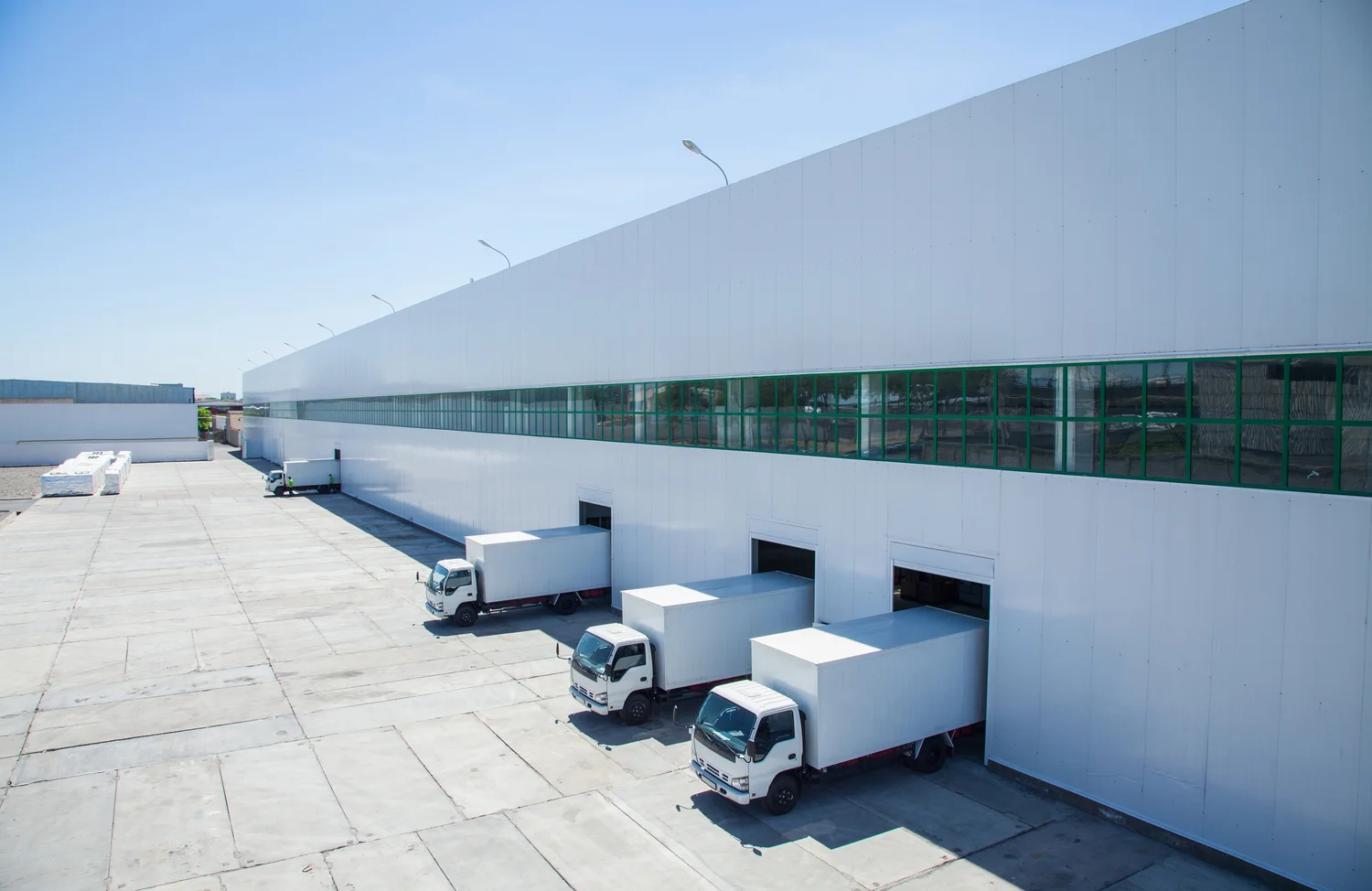
Freight forwarding warehouse with loading docks and trucks ready for cargo transportation

Being a freight forwarder in 2000 was vastly different from what it is today. Back then, liability risks were largely tied to physical cargo handling, lost shipments, and contractual disputes. By 2025, the risks for freight forwarders have changed. They now face not just operational challenges, but also issues with contracts, regulations, and cybersecurity.

Each year, new regulations, digital transformations, and compliance requirements reshape the freight forwarding industry. The digitalization of supply chains, the rise of e-documentation, and increased regulatory scrutiny mean that a simple documentation error or contract misinterpretation can trigger legal disputes.

As a firm specializing in claims and disputes for freight forwarders, this article covers:

  • What Freight Forwarder Liability is and why it matters
  • The key risks freight forwarders face today
  • How to mitigate claims and disputes effectively

Let’s dive in.

1. What Are Freight Forwarder Liabilities?

Freight forwarders don’t own the cargo they coordinate, yet they are legally responsible for ensuring safe delivery under the terms of their contracts. 

Their legal status varies depending on their role in a particular transaction:

  • As an agent, the freight forwarder arranges transport on behalf of the shipper, with limited liability.
  • As a principal, the freight forwarder assumes the carrier’s obligations, increasing liability exposure.
  • As a multimodal transport operator (MTO), the freight forwarder may be responsible for the entire transport chain under a single contract, exposing them to multimodal transport liability.

Without freight forwarder liability insurance, forwarders expose themselves to:

  • Cargo claims if the shipment is lost, stolen, or mishandled.
  • Breach of contract disputes if delivery terms are not met.
  • Legal liability for third-party claims (customs agents, carriers, shippers)
  • Regulatory fines under international trade and transportation laws

In 2025, these risks have expanded due to stricter global trade regulations and multimodal liability frameworks, making proper liability coverage essential.

2. Types of Freight Forwarder Liabilities

Liability can arise from multiple sources and contractual obligations, and each type of freight forwarder liability carries its own legal risks, which is why having the right contractual protections and insurance coverage is critical.

2.1. Contractual Liability

This type of liability is based on agreements between freight forwarders, shippers, and carriers. Forwarders are legally bound by the terms and conditions of their contracts, including service levels, liability limitations, and dispute resolution mechanisms.

2.2. Tort Liability

Tort liability arises when a freight forwarder is found responsible for negligence, misrepresentation, or failure to exercise due diligence in handling cargo or providing logistics services.

2.3. Statutory Liability

Statutory liability is defined by international transport laws and conventions that regulate the liability of freight forwarders based on the mode of transport used. Defined under CMR Convention, Hague-Visby Rules, Montreal Convention, and Rotterdam Rules. 

Under maritime law, the concept of General Average applies when a voluntary sacrifice is made to save a vessel and its cargo from peril. Freight forwarders may be required to contribute to these costs, making it essential to understand their potential financial exposure under international regulations.

2.4. Third-Party Liability

Freight forwarders often subcontract warehousing, trucking, and last-mile delivery services, which can expose them to liability if third parties fail to meet their obligations. Freight forwarders must ensure that contracts with subcontractors include contractual defences in freight claims, limiting their liability for third-party actions.

3. Freight Forwarder Liability Clause 

To protect themselves, freight forwarders must ensure that contracts clearly define liability limitations.

A strong liability clause should include the following key provisions:

  • Scope of Liability: Clearly defines what the freight forwarder is responsible for and under what conditions.
  • Limitations of Liability: Sets financial caps on claims to protect the forwarder from excessive financial exposure. This often follows industry-standard limits, such as:
    • FIATA Model Rules
    • Hague-Visby Rules for sea freight
    • CMR Convention for road transport
  • Exemptions from Liability – Specifies situations where the forwarder is not responsible, such as:
    • Acts of God (natural disasters)
    • War or political instability
    • Errors by the shipper or consignee
    • Delays caused by customs or government authorities
  • Indemnification Clause: Protects the forwarder from legal claims arising due to shipper or consignee negligence.
  • Governing Law and Jurisdiction: Defines which country’s laws apply in case of a dispute.

Comprehensive forwarders’ liability clauses, combined with the right insurance coverage, ensure freight forwarders are financially protected against unexpected claims

4. Freight Forwarder Liability Risks & Dispute Triggers

Freight forwarders can be held accountable for losses even if they do not physically transport goods. Liability often arises from contractual terms, regulatory changes, and operational risks.

Below are the top 10 risks and dispute triggers affecting freight forwarders in 2025:

Risk CategoryImpact on Freight Forwarders
Regulatory Compliance ViolationsInaccurate documentation or trade filings can lead to hefty fines and operational restrictions.
Cybersecurity BreachesData leaks or cyberattacks can expose sensitive trade and client information, leading to legal claims.
Incorrect Customs DocumentationMisfiled customs paperwork can result in shipment holds, delays, and financial penalties.
Multimodal Liability DisputesComplex transport arrangements increase the risk of liability conflicts over cargo loss and delays.
Contract DisputesPoorly defined liability terms can lead to costly legal battles between forwarders, shippers, and carriers.
Supply Chain DelaysLate deliveries, disruptions, or missed deadlines can result in breach-of-contract claims.
Insurance Coverage DisputesDenied claims due to policy exclusions can leave forwarders financially vulnerable.
Environmental Compliance IssuesViolations related to emissions, hazardous cargo, or improper waste disposal can trigger legal penalties.
Cargo Damage & Loss ClaimsForwarders may be held responsible for cargo mishandling, even if the fault lies with third parties.
Rising Freight Costs & Surcharge DisputesFluctuating fuel prices, surcharges, and rate increases often lead to financial conflicts with clients and carriers.

And, the best and most effective way to mitigate liability risks is by securing the right insurance coverage. This way, forwarders won’t have to pay costs out of pocket.

5. Freight Forwarder Liability vs. Carrier Liability

The liability responsibilities differ significantly beetween freight forwarders and carriers.

Freight forwarders act as intermediaries, coordinating logistics but not physically transporting goods, while carriers take direct possession of the cargo and assume responsibility for its transportation.

They have distinct contractual obligations, with freight forwarders primarily governed by service agreements and multimodal transport regulations, whereas carriers operate under bills of lading, carriage contracts, and international transport conventions.

Additionally, their insurance coverage differs—freight forwarders typically require Freight Forwarder Liability Insurance to cover legal and contractual risks, while carriers rely on Cargo Insurance and Carrier Liability Insurance to protect against physical damage and transportation-related claims.

AspectFreight Forwarder LiabilityCarrier Liability
RoleArranges transport but doesn’t move goods.Physically transports cargo.
Key ResponsibilityEnsuring proper documentation and contractual compliance.Safe delivery of goods to the consignee.
Liability RisksContractual disputes, customs errors, regulatory fines.Cargo damage, delays, transportation failures.
Legal FrameworkGoverned by contracts, trade laws, and multimodal transport regulations.Governed by carriage contracts and transport conventions (CMR, Hague-Visby, etc.).

6. Regulatory Changes Impacting Freight Forwarders in 2025

Freight forwarder liability is not uniform across jurisdictions. Different regions impose varying legal responsibilities, which can significantly impact how liability is assigned in disputes.

The international conventions that

  • CMR Convention – Governs road transport liability in Europe.
  • Hague-Visby Rules – Define marine liability for freight forwarders.
  • Montreal Convention – Regulates air cargo liability.
  • Rotterdam Rules – Emerging framework for multimodal freight liability.

How does freight forwarder liability vary by country?

Examples of regional differences:

  • United States: Liability often governed by the Carmack Amendment, which provides specific rules for loss or damage claims.
  • European Union: Freight forwarders follow FIATA standard trading conditions and national regulations, with strict compliance requirements.
  • Asia: Some countries impose limited liability unless gross negligence is proven.
  • Latin America: Regulations vary widely, often depending on local trade agreements and international treaties.

As regulatory frameworks evolve, understanding regional legal variations is essential for mitigating liability risks.

Two major legal developments in 2025 are reshaping freight forwarder liability:

  1. Expansion of the Rotterdam Rules
  2. Implementation of the EU Digital Trade Compliance Act

6.1. Expansion of the Rotterdam Rules

The Rotterdam Rules, which govern multimodal transport involving sea carriage, now expand freight forwarder liability, even in cases where forwarders do not have direct control over all transport modes. Key updates include:

  • Extended liability periods: Freight forwarders may be held accountable beyond traditional port-to-port obligations.
  • Higher compensation limits: Increased financial exposure for claims related to cargo damage or delays.
  • Stronger electronic documentation standards: Digital transport records must meet new authenticity and security standards.

How to Prepare? Forwarders should review contract clauses to ensure liability allocation is clear and backed by appropriate insurance coverage.

6.2. EU Digital Trade Compliance Act

With the rapid digitalization of freight operations, the EU has introduced stricter compliance measures for electronic documentation, customs filings, and trade records.

How does this impact freight forwarders?

  • Errors in digital documents can trigger penalties or customs delays.
  • Electronic contracts must meet enforceability standards to avoid disputes.
  • Data security is now a critical compliance factor—forwarders must protect trade information.

7. Handling Freight Forwarder Liability Disputes

Freight forwarders often deal with legal and contractual conflicts related to liability, especially in multimodal operations where multiple parties—shippers, carriers, and insurers—are involved.

To minimize legal costs and avoid prolonged disruptions, freight forwarders should leverage effective dispute resolution strategies based on the nature of the conflict:

  • Negotiation and Settlement: The most cost-effective and time-efficient method, allowing parties to reach a mutually beneficial agreement without legal intervention.
  • Arbitration: A structured yet faster alternative to litigation, where an independent arbitrator delivers an enforceable ruling based on contractual agreements.
  • Litigation: The last resort when negotiation and arbitration fail, often leading to lengthy court proceedings with significant financial and reputational implications.

In many cases, consulting a specialized legal team can make the difference between a swift resolution and costly litigation.

To handle claims effectively, freight forwarders should take a proactive approach to risk management. This starts with clearly defining liability terms in contracts and keeping detailed records of shipments, agreements, and communications—since solid evidence is the best protection in a dispute.

Conclusion

The evolving legal landscape of 2025 demands heightened diligence. Ignorance is not a defense, and relying on outdated practices is no longer an option.

Given the complexity of international freight liability, working with a legal team that specializes in freight forwarding disputes can help protect your business, strengthen contracts, and reduce liability exposure.

Firms like Marlin Blue, provide tailored legal support, ensuring that freight forwarders handle claims efficiently and stay compliant with industry regulations.

Get a personalized freight forwarder liability consultation.

Appealing a cargo damage survey report

A bulk carrier and a barge performing cargo transfer operations at sea, representing the significance of precise assessments in cargo damage survey reports and appeals.

When dealing with cargo damage, one document becomes central to the entire claims process: the cargo damage survey report.

This report, prepared by a surveyor appointed by the insurer or a claims management agency, defines who is responsible and how much should be paid. Sounds simple. But it rarely is.

However, what happens when you disagree with the findings?

Whether it’s discrepancies in valuation, questionable methodologies, or overlooked evidence, disputes can arise.

But disagreeing with an expert assessment doesn’t mean you’re out of options.

On the contrary, it opens the door to legal options that allow you to challenge or supplement it.

This is where strategy comes into play: technical objections, additional evidence, requesting a second opinion—each case demands a different approach.

And this all starts with one cornerstone: understanding the cargo damage survey.

1. Understanding the importance of cargo damage surveys

1.1. How is compensation for cargo damage determined?

Determining compensation for cargo damage after an incident involves assessing various technical and contractual factors. 

Typically, the carrier’s or cargo owner’s insurer appoints a surveyor to evaluate the nature and extent of the damage, as well as its potential causes. 

The surveyor’s report provides a detailed evaluation of:

  1. Review of documentation: Includes the insurance policy, bill of lading, and other related documents. This review verifies the applicable coverage under the contracted clauses (e.g., Institute Cargo Clauses A, B, or C) and whether the damage is partial or total.
  2. Physical inspection of the cargo: Visible damage is assessed to determine its extent.
  3. Determination of the cause of the damage or loss: Identifying the responsible party—whether the carrier, port operator, or a third party—is crucial, based on the terms of the transport contract. Factors such as poor stowage, adverse weather conditions, and non-compliance with regulations by the involved parties are also analyzed.
  4. Identification of pre-existing conditions of the cargo: Evaluating whether the damage might have occurred prior to transport.
  5. Analysis of voyage records: Reviewing data such as the route taken, transit time, and incident reports during the journey.
  6. Nature and extent of the damage: Determining the severity of the damage and its impact on the cargo.
  7. Calculation of economic loss: Estimating the actual value of the damage based on the quantity of cargo affected and its commercial value.

The surveyor’s report serves as the basis for determining the amount the insurer will pay, which may not always align with the claimant’s expectations.

1.2. How do expert reports influence decisions in appeals or arbitration?

Expert reports can make or break a case in appeals or arbitration. Why? Because they carry weight—sometimes more than you’d expect.

  1. They provide the expertise that judges, arbitrators, or juries lack, breaking down complex technical or scientific matters into something they can act on.
  2. Courts lean heavily on these reports to decide cases where the issues go far beyond everyday legal knowledge.
  3. Arbitrators often rely on expert assessments—sometimes because procedural rules require it—to ensure their decisions are informed and fair.

However, here’s the catch: these reports aren’t perfect. Disagreements happen. And when they do, it’s essential to understand the reasons behind them and how to address these issues effectively.

2. Common reasons for disputing a survey report

The parties may challenge the validity of the report or the credibility of the surveyor by presenting arguments related to:

1. Methodological issues

  1. Inadequate Inspection Procedures: The surveyor may have failed to follow industry-standard inspection protocols.
  2. Insufficient Sampling: In cases of bulk cargo, the sampling method might be questioned if it’s not representative of the entire shipment.
  3. Environmental Factors: Failure to consider external conditions like weather or temperature that could have affected the cargo.

2. Discrepancies in valuation

  1. Market value disagreements: The assessed value of damaged goods may not align with current market rates.
  2. Repair vs. replacement costs: Disputes can arise over whether repair costs or full replacement value should be applied.
  3. Depreciation calculations: Disagreements on how depreciation of goods is factored into the valuation.

3. Omission of key facts or evidence

  1. Incomplete documentation: Failure to include relevant shipping documents, photographs, or test results.
  2. Overlooked pre-existing conditions: Not accounting for the condition of goods prior to shipment.
  3. Ignored contributory factors: Neglecting to consider all potential causes of damage, such as improper packaging or handling.

4. Impartiality concerns

  • Perceived bias: If the surveyor appears to favor one party over another.
  • Conflict of interest: When there’s a pre-existing relationship between the surveyor and one of the involved parties.

5. Technical competence

  • Lack of expertise: Questions about the surveyor’s qualifications or experience in dealing with specific types of cargo or damage.
  • Misapplication of standards: Incorrect application of industry standards or regulations.


Conclusion

Appealing a cargo damage survey report requires a thorough understanding of maritime law, insurance practices, and the appeals process.

Whether you’re dealing with jurisdictional conflicts or complex damage assessments, having experienced legal representation can make a significant difference in the outcome of your appeal.

For more information on how we can assist you with maritime claims and appeals, please contact our international law firm specializing in trade and marine insurance litigation.


Claims Subrogation in Cargo Insurance: From Claim to Recovery

The image shows a port worker wearing a safety vest and hard hat standing on a dock, observing a large crane loading or unloading shipping containers. Several containers and a cargo ship are visible in the background.

What is Subrogation in Cargo Insurance?

Cargo insurance is designed to cover the risks associated with transporting goods by sea, air, road, or rail, providing compensation to cargo owners for losses. In this sector, claims subrogation is a common term used to refer to the legal process by which an insurer, after compensating the policyholder for a covered loss, assumes the rights of the insured to seek recovery from the party responsible for the loss.

Once the insurer indemnifies the policyholder, the recovery process begins. The insurer leverages legal and contractual rights to pursue the responsible party, which could include carriers, warehouse operators, freight forwarders, or other third parties. This recovery process involves detailed investigation, formal demands, negotiation, and, when necessary, legal action to enforce accountability and recover the indemnified amount.

Subrogation rights are often defined by contractual agreements and the jurisdiction governing the insurance policy. For example:

  • Under English Law: Subrogation rights are implied within the Marine Insurance Act 1906, which provides a comprehensive framework for insurers to recover losses.
  • Under Spanish Law: Article 43 of the Ley de Contrato de Seguro explicitly governs subrogation, requiring the insurer’s right to be formally acknowledged in indemnity receipts.

In both cases, the principle is clear: once an insurer pays a claim, it gains the legal right to recover the loss from responsible third parties.

Why Subrogation Matters

Subrogation is particularly vital in the logistics and freight forwarding industry. Here, goods pass through multiple hands—carriers, warehouse operators, and port authorities—each of whom may bear some responsibility for cargo damage or loss. Claims subrogation ensures that accountability is traced back to the liable party.

The nature of international trade means that claims subrogation can arise from a variety of incidents. Below are the most frequent scenarios in which subrogation plays a role:

  1. Cargo Damage
    When goods are damaged during transit or handling, insurers can recover compensation from responsible parties like carriers or warehouse operators.
  2. Theft
    If goods are stolen during transit or while in storage, insurers may pursue recovery from liable parties, such as carriers, warehouse operators, or port authorities, depending on where the theft occurred and who was responsible for safeguarding the cargo.
  3. Shipping Delays
    If delays cause financial losses for the insured, insurers may pursue recovery from freight forwarders, port operators, or other logistics providers.
  4. Lost Cargo
    Missing shipments in the supply chain may lead insurers to recover losses from shipping companies or subcontractors involved in transportation.
  5. Warehouse Incidents
    Loss or damage occurring in storage facilities can result in claims against warehouse operators or their subcontractors.
  6. Carrier Negligence
    Improper handling, insufficient maintenance, or failure to comply with shipping protocols often leads to subrogation claims against carriers.
  7. Third-Party Liability
    Claims may arise from incidents involving customs brokers, dockworkers, or other third parties in the logistics process.

How Does Claims Subrogation Work in Cargo Insurance?

Below are the key circumstances under which subrogation rights are activated, along with detailed explanations.

2.1. Activation of Subrogation Rights Through Payment

When the insurer compensates the policyholder for the loss, subrogation rights are activated. This payment is the trigger that allows the insurer to step into the policyholder’s position and pursue recovery from the responsible third party.

Without this payment, there’s no legal ground for subrogation. The Indemnity and Subrogation Receipt formally acknowledge the transfer of rights.

2.2 Legal or Contractual Basis for Subrogation

When permitted by law or specified in the contract, this provides the legal or contractual right to subrogate. In the UK, subrogation arises under common law and is typically included in policies as part of the right of indemnity. In Spain, Article 43 of the Ley de Contrato de Seguro requires that the insurer’s right to subrogate be explicitly stated in the indemnity receipt, setting the legal grounds for recovery. Without this legal or contractual foundation, subrogation is unenforceable.

2.3. Demonstration of a Liable Third Party

When the party pursuing the claim can demonstrate the responsibility of a third party for the loss of cargo. If there’s no clearly identifiable liable third party (e.g., a carrier, freight forwarder, or handling agent), recovery isn’t possible because there’s no one to pursue for the claim.

2.4. Protecting the Policyholder’s Other Rights

When there’s no interference with the policyholder’s other rights. The subrogation process must not affect the policyholder’s other rights, such as their right to file a separate claim independently.

2.5. When waiver of subrogation clauses are present.

A waiver of subrogation clause can limit or completely negate the insurer’s right to pursue recovery against a third party. These clauses are commonly included in contracts to prevent one party from seeking reimbursement from the other for certain losses, even if subrogation rights would otherwise exist. In the presence of a waiver of subrogation, the insurer is contractually barred from exercising its right of subrogation, even if indemnity has been paid. These factors significantly influence the scope of coverage and the potential recovery process following a claim.

This highlights the importance of thoroughly reviewing contractual agreements before initiating a subrogation claim.

2.6. Payments by Interested Third Parties

When payment is made by a party with a vested interest in fulfilling the obligation, except where confusion arises regarding the portion covered.

Subrogation is allowed for a third party with an interest in ensuring the debt is paid (e.g., a guarantor). However, if there are multiple debtors, there may be ambiguity about which portion of the debt is subject to subrogation.

2.7. Legal Exclusions

When legal exclusions don’t apply.

Subrogation may be restricted by law if exercising this right would harm the insured. Under Article 43 of the Ley de Contrato de Seguro, subrogation cannot proceed against close family members of the insured or if the insured themselves caused the damage, except in cases of willful misconduct (dolo).

Understanding legal exclusions is crucial. Attempting to subrogate in cases where exclusions apply can invalidate the claim and damage client relationships.

2.8. Role of Loss Adjusters in Subrogation

When the claim is managed by a loss adjuster on behalf of the insurer

A loss adjuster or claims manager, such as Marlin Blue, can initiate the subrogation process when authorized by the insurer. This is particularly effective in complex claims where specialized knowledge is required.

Acting as the insurer’s representative, Marlin Blue can efficiently handle subrogation claims, leveraging industry expertise to pursue recovery against the liable third party, streamlining the entire process.

2.9. Adherence to Policy Limits

The indemnity payment must adhere to the coverage limits outlined in the insurance policy. If the payment exceeds these limits or is made without proper coverage, the insurer may need to pursue a recovery action instead of subrogation.

Ensuring that the indemnity payment aligns with the policy limits is critical for the validity of subrogation. Exceeding coverage limits could lead to disputes and jeopardize the right of recovery.

Challenges in Claims Subrogation

Despite its importance, subrogation is not without challenges. Key obstacles include:

  1. Jurisdictional Differences: Laws governing subrogation vary widely, creating complexity in cross-border claims.
  2. Multiple Liable Parties: In logistics, several parties may share responsibility for a loss, complicating recovery efforts.
  3. Waiver of Subrogation Clauses: These contractual provisions can limit or negate an insurer’s recovery rights.
  4. Insufficient Evidence: Successful recovery hinges on proving liability. Without clear evidence, subrogation claims may fail.
  5. Time Constraints: Many jurisdictions impose strict deadlines for filing subrogation claims.

FAQ sobre Subrogación de Reclamos en Seguros de Carga

What Rights Does an Insurer Gain After Paying a Claim?
The insurer gains the right to pursue recovery from the liable third party under the insured’s name.

What Happens If the Insured Receives Additional Payments After Indemnification?
The insurer may be entitled to recover any excess compensation received by the insured.

How Do Local Laws Impact the Subrogation Process?
Local laws may define how subrogation rights are exercised, including limitations on claims against specific parties.

Subrogation vs. Compensation: What’s the Difference?
Subrogation is the insurer’s right to recover losses from a third party, while compensation is the indemnity payment made to the insured for their loss.

At Marlin Blue, we specialize in managing the entire claims subrogation process, from negotiating with responsible parties to initiating legal actions when necessary. 

Whether you’re dealing with complex cargo claims, navigating waiver of subrogation clauses, or requiring support in cross-border logistics disputes, we’re here to help. 

Liquid Cargo Measurement: Ullage, Sounding & Draft Survey

Close-up of a ship's draft marks showing measurements in meters and decimeters

In the bulk cargo shipping industry, shortage claims are a common issue faced by insurers, reinsurers, and cargo owners, and they should advocate for the adoption of best practices in cargo surveys to mitigate risks and ensure fair claims resolution.

Cargoes in bulk often experience weight loss during carriage due to natural shrinkage, evaporation, and similar factors. Additionally, the loss amount may increase during handling operations at both ports as a result of various factors, including:

  • Spillages from hoppers.
  • Overloading of cargo receiving equipment.
  • Defects in the weighbridge causing incorrect shore measurements.
  • Differing measuring methods upon loading and discharge.

When the cargo weight discharged is less than that declared in the Bill of Lading (BL), a shortage claim is likely.

Importance of Accurate Cargo Weight Determination

Accurate cargo weight determination is not merely a procedural necessity; it is a legal imperative.

In most bulk cargo commercial transactions, the parties consider the quality and quantity “final at loading.” This means the receiver will pay for the cargo based on the BL weight and may seek compensation in the event of weight loss.

Carriers may argue that such losses constitute a “paper loss” and that the vessel delivered all the cargo received on board. However, this argument might not suffice to defeat a claim, making it crucial to have accurate and reliable methods for cargo measurement and documentation.

The accurate determination of cargo quantities through reliable methods such as ullage, sounding, and draft surveys.

Let’s explore these methods in detail:

1. Ullage method

The ullage method measures the space between the surface of the liquid in a tank and the top of the inner surface of the tank. This method is typically used when the tank content is highly viscous and/or the tank is filled to or near the maximum capacity.

Procedure:

  • Tools Used: Ullage tape or electronic gauge.
  • Steps: Lower the ullage tape or electronic gauge into the tank until it touches the liquid surface. The distance from the liquid surface to the top of the tank is measured.


Marine surveyors in safety gear conducting volume calculations on a tanker ship using specialized equipment.
Diagram comparing the Ullage Method and Sounding Method for measuring liquid levels in a tank
Illustration comparing the Ullage Method and Sounding Method for measuring liquid levels in tanks. The ullage method measures the free space above the liquid, while the sounding method measures the liquid depth. Both methods are essential for accurate liquid cargo measurement. Source: Marine Insight

2. Sounding method

The sounding method measures the depth of the liquid by determining the distance from the liquid’s surface to the bottom of the tank. This method is used to calculate the volume of liquid present in the tank.

Procedure:

  • Tools used: Sounding tape or electronic sounding device.
  • Steps: Lower the sounding tape or electronic device to the bottom of the tank until it touches the bottom. Measure the depth of the liquid from the surface to the tank bottom.

3. Draft survey

The vessel draft survey measures the displacement of the water both before and after the loading or unloading, with the resulting difference between the two displacements representing the weight of the cargo.

A draft Survey must be conducted at both the loading port and discharging port (and at intermediate ports) and by all parties involved/interested (cargo owners, shipowners, insurers, etc.) due to it margin of error in readings.

Procedure:

  • Tools used: Hydrometer, vessel’s hydrostatic table.
  • Steps:
    1. Read six draft marks of the vessel and calculate their mean, corrected for the vessel’s trim.
    2. Sample the water where the vessel floats and determine its density with a hydrometer.
    3. Use the vessel’s hydrostatic table as a reference to provide its weight displacement.
    4. Determine deductible weights by measuring all weights onboard (e.g., ballast, fuel, fresh water, stores, etc.).
    5. Subtract the deductible weight from the vessel’s corrected load displacement weight.
    6. This process is performed by an expert marine surveyor, witnessed by on-site observers and recorded on video.

Comparative Table: Ullage, Sounding, and Draft Survey Methods

MethodPrimary UseApplicationsChallenges/Considerations
Ullage MethodMeasuring ullage (empty space) for viscous liquids or nearly full tanksHighly viscous liquids, tanks filled to/near maximum capacityTank deformation, temperature changes, presence of sediments; regular calibration of tools required
Sounding MethodMeasuring liquid depth to calculate volumeVarious types of liquids, volume calculationTank shape, temperature changes, presence of contaminants; regular calibration and maintenance of tools needed
Draft SurveyDetermining cargo weight by measuring water displacementBulk cargoes, weight verification at loading and discharge ports

Water density, ballast quantity changes, consumable changes, trim and deformation corrections, sea conditions, 

Hogging and sagging

These methods provide crucial evidence to challenge the shipper’s declared cargo weight figure in a BL.

By comparing the figures in the two draft survey reports (i.e., at the port of loading and before discharge), you’ll prove your vessel delivered approximately the same weight received.


Can there be potential errors in the results of these methods?


Yes, potential errors can occur in these methods due to various factors. For the ullage method, errors may arise from improper calibration and ignoring tank conditions like deformation and temperature changes. In the sounding method, improper maintenance and environmental factors such as tank shape and contaminants can impact accuracy. Draft surveys can encounter errors from incorrect readings of conditions like water density, vessel trim, and changes in ballast quantity and sea conditions.

⚠️ Draft surveying requires a high level of technical competence and expertise. Ensure maximum accuracy by hiring a marine surveyor with the right qualifications and background.

Trade Allowance: the acceptable shortage percentage

It is a commercial practice that has been widely accepted by stakeholders and Courts.

Purpose
Corrects measurement inaccuracies/errors within a reasonable percentage. It accounts for minor variations in cargo measurements that may arise due to differences in measurement techniques, equipment calibration, or handling losses during loading and unloading processes.

Negotiation and agreement
Stakeholders can and should agree on a trade allowance for the specific cargo and voyage, to avoid disputes and ensure clarity for both parties.

Only when contractually agreed will a trade allowance be binding.

Be aware: This allowance differ depending on the the governing laws, the countries, and courts. In some countries no allowance is accepted.

For expert legal advice and to ensure the highest standards in marine surveys, contact us today.

Contamination Claims Prevention: Cleanness and Sampling

Pipelines and an oil tanker at a marine terminal for liquid bulk cargo transportation.

One of the primary causes of liquid bulk cargo claims is contamination. Cargo contamination can occur at any stage of transportation, from the pre-loading phase to post-discharging. 

Liquid bulk cargoes have stringent specifications, and any deviation from these can result in significant losses and subsequent claims, which can be costly and time-consuming.

The most common causes of contamination include:

  • Inadequate coatings or materials for specific cargo types.
  • Lack of cleanliness of tanks, pipelines, pumps, and valves. Failure to follow standardized cleaning procedures can leave residues that contaminate the new cargo. This cleanliness requirement applies not only to the ship but also to shore facilities such as tanks and pipelines.
  • Cargo admixture, and unintended mixing of different cargoes can compromise the quality of the load.
  • Incorrect temperature management can lead to contamination or degradation of sensitive cargoes.

Role of Institute Bulk Clauses and IBOC

The Institute Bulk Clauses (ICC) and Institute Bulk Oil Clauses (IBOC) provide specific guidelines and coverage terms that impact how contamination claims are handled.These clauses protect financial interests and promote safer and cleaner transport practices.

Unlike the Institute Cargo Clauses (B), which cover ‘loss or damage’, the IBOC explicitly includes ‘contamination’ as a covered peril. This distinction underscores the critical nature of contamination in liquid bulk cargo transportation and highlights the need for stringent preventive measures.

In the context of the IBOC, “contamination” refers to the presence of undesirable or harmful substances that can compromise the quality of the oil. This can include, but is not limited to:

  • Mixing with other types of oil: During loading or unloading, there may be accidental mixing of different types of crude that degrade the quality of the product.
  • Introduction of impurities: Solid particles, water, or chemicals can enter the oil during the transport process.
  • Cross-Contamination: Residues from a previous cargo can contaminate the new cargo due to inadequate cleaning of the tanks.

Marine insurance relies on the clauses of these policies to effectively prevent, manage, and resolve contamination claims in the shipping industry.

Key actions in contamination losses/claims prevention.

To ensure the effective implementation of these guidelines and to prevent losses and claims due to contamination in the transport of liquid bulk cargo, it is essential to implement a series of key actions from a legal perspective.

These measures not only help protect the quality of the product but also minimize the risks and costs associated with potential insurance claims.

The main actions to follow are detailed below:

1. Maintenance and Cleaning of Tanks

Cleanliness is essential to prevent residues from previous cargoes and to avoid the contamination of subsequent cargoes being loaded or discharged. Different types of cargo may require specific cleaning methods.

Additionally, regular maintenance of equipment is essential to ensure proper functioning and to prevent failures that could lead to contamination. Regularly maintain all handling equipment, including pumps and pipelines, to prevent leaks and the introduction of contaminants. Utilize monitoring and measurement equipment to detect any signs of contamination during transportation.

1.1. Cleanliness Requirements

It’s recommended to establish the required cleanliness for the “next cargo” and identify the necessary cleaning methods to remove any residues of the “previous” cargo to prevent chemical reactions that could cause contamination.

These requirements will vary depending on the nature of both the previous and next cargo. It is crucial to follow standard cleanliness guidelines and advisable for all involved parties (shipper, charterer, shipowner, carrier) to agree in advance on these requirements.

Example of cleanliness guidelines for tank preparations based on BP Tank Cleaning Guide.
An illustrative example of cleanliness guidelines for tank preparations. The table shows the necessary cleaning steps for different cargoes. In this example, for loading leaded motor spirit after avgas, no washing is needed—only stripping and draining are required.

1.2. Cleaning Procedures

Implement adequate cleaning procedures to ensure the tank is clean, dry, and visually free of residues from the previous cargo and any foreign matter, with no uncharacteristic odors. 

This step ensures that the tank is properly prepared for the next cargo.

1.3. Cleanliness Certification

Inspect and certify that the required level of cleanliness is achieved, adhering to standards such as the Visually Clean Standard, Water White Standard, High-Purity Standard, and Ultra-High Purity Standard.

In the absence of a pre-loading agreement, it is common practice to follow guidelines provided by major companies or independent experts/organizations. Examples include:

  • Energy institute guidelines: (i.e. HM50 Guidelines for the preparation of tanks and lines for marine tank vessels carrying petroleum and refined products).
  • Dr. Verwey’s Tank Cleaning Guide .
  • INTERTANKO Cargo Tank Cleanliness Standards for Chemical Tankers.
  • Federation of Oils, Seeds and Fats Association (FOSFA) Guidelines for cleanliness and accepted and forbidden previous cargoes.

These inspections should be carried out by certified inspectors, and all procedures should be meticulously documented. Detailed records of cleaning processes, inspections, and cargo handling provide critical evidence in the event of a claim.

3. Sampling

In claims management, multiple sampling is crucial to determine liability for contamination.

Proper sampling techniques and timely analysis help in detecting any potential contamination before it escalates into a significant issue. It is essential to collect multiple samples throughout the entire process. Approximately 40 percent of alleged shipboard contamination problems are found to be shore-related upon investigation. 

Samples often serve as the only hard evidence that shipowners can present when defending against cargo contamination claims.

Therefore, sampling should be conducted by an appointed surveyor at both loading and discharging ports, as well as at various points throughout the loading and discharging process. Joint sampling with the presence of all interested parties is beneficial, and an independent laboratory should analyze the samples to ensure impartiality and accuracy.

Proper labeling and storage of samples are essential to maintain the integrity of the evidence. Following guidelines from recognized organizations such as the American Petroleum Institute (API) and the International Standards Organization (ISO) for best practices in quality and quantity measurements is recommended.

Additionally, maintaining detailed records of all loading, transportation, and unloading operations, including quality tests and cleaning measures, is crucial. Any contamination incidents should be reported immediately, with all actions taken to mitigate the issue thoroughly documented.

Pre-Loading Quality Assurance

Before loading, conduct thorough quality tests to ensure the cargo meets the required specifications. This includes:

  • Shore tank sampling: Analyze the cargo stored in shore tanks to establish baseline quality. Ensure tanks are clean and free from contaminants.
  • Jetty manifold sampling: Take samples at the jetty manifold to check for any contamination introduced during transfer from shore tanks to the ship.
  • Shipboard manifold sampling: Conduct sampling at the shipboard manifold to detect any potential contamination as the cargo enters the vessel.
  • First foot samples in cargo tanks: Collect samples once the first quantity of cargo (the “first foot”) has been loaded into the tanks to verify cleanliness and detect contaminants early.
  • Completion of loading samples: Take samples after the completion of loading to ensure the entire cargo batch maintains the required quality standards.

Sampling at discharging port

  • Pre-discharge samples: Collect samples from the cargo tanks before discharging begins to confirm the cargo remains uncontaminated during transit.
  • Shipboard manifold sampling before discharge: Sample at the shipboard manifold to identify any contaminants potentially introduced during the voyage.
  • Shore tank sampling before and after discharge: Take samples from shore tanks both before receiving the cargo and after discharge to detect any contamination occurring during the unloading process.

Importance of continuous sampling

Continuous sampling throughout the loading and discharging process is imperative for detecting and managing any potential contamination before it escalates into a significant issue. Even with the implementation of proper cleaning operations, the possibility of contamination remains. Regular sampling serves multiple crucial purposes.

First, it allows for the identification of contamination sources, determining at which stage—whether during loading, transit, or discharge—contamination occurs. This facilitates timely and effective intervention.

Second, it verifies compliance with cleanliness standards by ensuring that cleaning procedures are effective and that tanks and equipment meet the necessary cleanliness criteria required for the cargo.

Third, it documents cargo quality by providing a comprehensive record of the quality at various stages. This documentation is essential for resolving disputes and claims, as it offers verifiable evidence of the cargo’s condition throughout its handling and transport.

By adopting these practices, insurers can help their clients minimize the risks of contamination, thereby reducing the frequency and severity of claims.

For more detailed guidance on contamination prevention and handling bulk cargo claims, or to discuss specific legal concerns, please contact our team of transport law specialists. Our expertise ensures that you receive comprehensive legal advice tailored to your needs.

Institute Bulk Clauses: Definition and Guaranteed Outturn

A large ship on fire at a port with thick black smoke rising into the sky, surrounded by smaller boats on the water.

The Institute Bulk Clauses (IBC) provide standardized terms and conditions for insurance coverage in maritime trade, particularly for the transportation of liquid bulk cargoes, generally products such as crude oil and palm oil. Institute Bulk Oil Clauses is in accordance with English Law, which is often the governing law for marine insurance policies.

The IBC are developed by the Institute of London Underwriters (ILU) and are used worldwide to standardize the insurance coverage for bulk cargo.

These clauses are incorporated into marine insurance policies to cover bulk cargo shipments against various risks, including damage, loss, and liability during transit. They offer to cargo owners, insurance companies, and any company involved in transportation and sale contracts within the liquid bulk trade market, guidelines that simplify and expedite contract negotiations and drafting.

As the maritime liquid bulk traffic continues to grow, the importance of these clauses in mitigating risks and protecting the interests of all parties involved cannot be overstated.

This article delves into these clauses and their extensions, with a focus on the Guaranteed Outturn Extension (GOE).

Structure and Content of Institute Bulk Clauses

The clauses include defining covered perils, exclusions, conditions, and warranties precisely. A well-structured policy will delineate the scope of coverage, the obligations of the assured, and the procedures for claims.

The structure and content of the IBC typically include the following sections:

1. Introduction

The introduction sets the stage for the clauses, providing a brief overview of the purpose and scope of the insurance coverage. It may include definitions of key terms used throughout the document.

2. Coverage Scope

The Institute Bulk Clauses provide comprehensive coverage for various risks associated with liquid bulk cargo shipments. These include:
  • Physical Damage: Coverage for any physical damage to the cargo during transit.
  • Contamination: Protection against contamination of the liquid cargo, which can significantly impact its value.
  • Shortage: Coverage for any shortages in the cargo delivered compared to the quantity stated in the shipping documents.

3. General Average and Salvage

The clauses often include provisions for general average (shared loss among all parties) and salvage (compensation for rescuing a ship or its cargo).

4. Duration & Transit

This insurance attaches from the moment the insured subject matter is loaded on board the vessel for the purpose of the insured voyage. Additionally, the risk commences from the time the consignment leaves the tanks for loading at the place named in the policy for the commencement of transit.

The insurance continues during the ordinary course of transit.

This means the coverage remains active while the goods are in transit from the point of origin to the final destination, including any necessary transshipments.

The insurance terminates upon the first of the following events:

  • Entry into storage tanks at the destination, when the insured subject matter is discharged into storage tanks or a storage vessel at the destination named in the policy.
  • 30 days after arrival at the destination. Alternatively, the coverage ceases 30 days after the vessel arrives at the destination named in the policy.

5. Exclusions

The IBC explicitly list certain exclusions to prevent ambiguity and manage risk effectively, including:

  • Willful misconduct of the assured.
  • Ordinary leakage and wear and tear.
  • Insufficient or unsuitable packing or preparation.
  • Inherent vice or nature of the insured subject matter.
  • Loss due to delay.
  • Financial default of the vessel’s operators.
  • War and nuclear risks.
  • Unseaworthiness of the vessel.

Specific warranties and conditions must be adhered to, such as the seaworthiness of the vessel and the legality of the voyage.
Understanding the detailed terms and conditions of the Institute Bulk.

6. Claims Process and Subrogation Recovery

The claims process under the Institute Bulk Clauses requires insurers and reinsurers to adhere to strict protocols for notification, documentation, and assessment of claims.

Prompt notification of loss or damage by the assured is crucial, and insurers must ensure that all necessary documentation, including survey reports and evidence of loss, is provided.

Insurers need to conduct thorough and impartial assessments to determine the validity of claims and the appropriate indemnification.

Effective communication and documentation are essential to managing claims efficiently and mitigating the risk of disputes.

Additionally, insurers must consider the process of recovery after subrogation. Subrogation rights allow the insurer to recover losses from third parties responsible for the damage. This section outlines:

  • Insurer’s Rights: The process by which the insurer steps into the shoes of the assured to pursue recovery from liable third parties.
  • Recovery Process: Legal strategies to maximize recoveries and offset the losses paid out under the policy.

7. Dispute Resolution

The IBC often include clauses related to dispute resolution, specifying the mechanisms through which disputes should be resolved, such as arbitration or court proceedings.

Policies often include arbitration clauses specifying the preferred method of resolving disputes outside of court, which can be faster and more cost-effective. Insurers must ensure that dispute resolution provisions are clear and enforceable, and they should be prepared to engage in arbitration or litigation if necessary. It’s vital to choose arbitration institutions and rules that align with the nature of maritime disputes and ensure fair and efficient outcomes.

Guaranteed Outturn Extension under Institute Bulk Clauses for Liquid Bulk Cargo Insurance

The Guaranteed Outturn Extension (GOE) is an additional coverage option under the IBC, designed to address measurement inaccuracies during the loading and unloading of liquid bulk cargo, which can lead to disputes and claims.

The GOE ensures compensation for any shortfall between the quantity of cargo loaded and discharged at the destination, provided the shortfall exceeds a specified percentage or amount defined in the policy. Accurate documentation and measurement at both loading and discharge ports are crucial for validating the claim.

The loss is calculated based on the difference between the BL quantity and the outturn quantity. Financial compensation is determined by the market value of the shortfall at the destination port.

Case Study: National Oilwell Varco Norway AS v. Keppel FELS Ltd

Court: Singapore International Commercial Court

Scenario
A shipment of machinery parts for oil drilling was found to be short upon arrival at the discharge port. The Bill of Lading indicated 1,000 metric tons loaded, but only 950 metric tons were received. 

Application of GOE
The shipper invoked the Guaranteed Outturn Extension under the Institute Bulk Clauses, claiming the shortfall exceeded the threshold specified in the policy. Accurate documentation was provided from both the loading and discharge ports.

Outcome
The court upheld the claim under the GOE, and the insurer was ordered to compensate the shipper for the 50 metric ton shortfall. This case demonstrated the effectiveness of the GOE in providing financial protection against quantity discrepancies during transit.

Legal Advice

For detailed legal advice on how these clauses can be effectively utilized in your contracts, contact us.

Our team of experts is ready to provide the guidance you need to navigate the complexities of bulk cargo insurance and ensure that your interests are fully protected.