

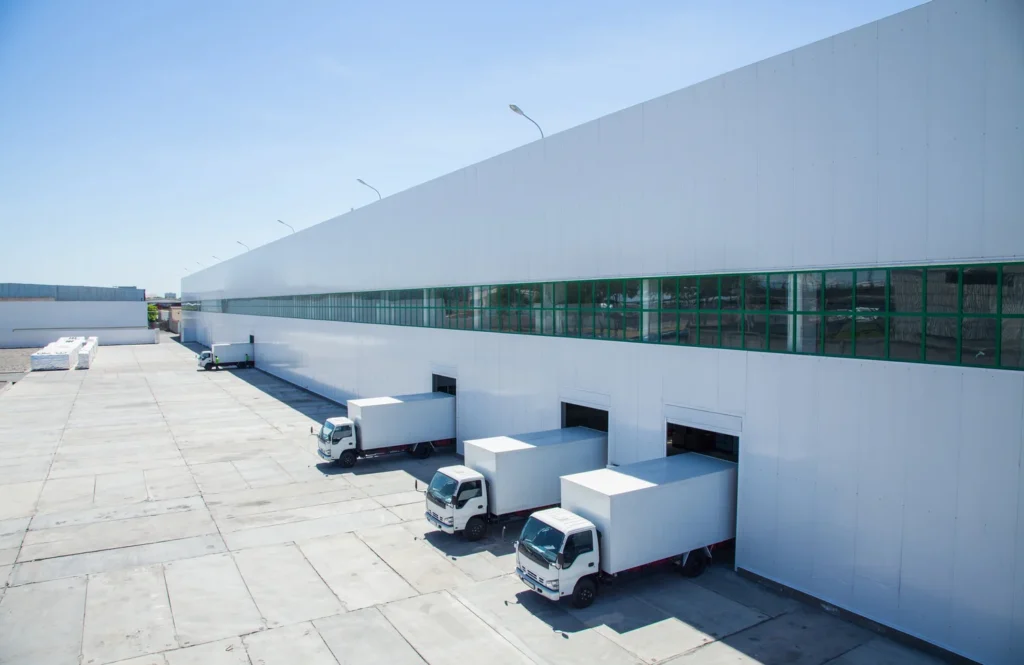
Being a freight forwarder in 2000 was vastly different from what it is today. Back then, liability risks were largely tied to physical cargo handling, lost shipments, and contractual disputes. By 2025, the risks for freight forwarders have changed. They now face not just operational challenges, but also issues with contracts, regulations, and cybersecurity.
Each year, new regulations, digital transformations, and compliance requirements reshape the freight forwarding industry. The digitalization of supply chains, the rise of e-documentation, and increased regulatory scrutiny mean that a simple documentation error or contract misinterpretation can trigger legal disputes.
As a firm specializing in claims and disputes for freight forwarders, this article covers:
- What Freight Forwarder Liability is and why it matters
- The key risks freight forwarders face today
- How to mitigate claims and disputes effectively
Let’s dive in.
1. What Are Freight Forwarder Liabilities?
Freight forwarders don’t own the cargo they coordinate, yet they are legally responsible for ensuring safe delivery under the terms of their contracts.
Their legal status varies depending on their role in a particular transaction:
- As an agent, the freight forwarder arranges transport on behalf of the shipper, with limited liability.
- As a principal, the freight forwarder assumes the carrier’s obligations, increasing liability exposure.
- As a multimodal transport operator (MTO), the freight forwarder may be responsible for the entire transport chain under a single contract, exposing them to multimodal transport liability.
Without freight forwarder liability insurance, forwarders expose themselves to:
- Cargo claims if the shipment is lost, stolen, or mishandled.
- Breach of contract disputes if delivery terms are not met.
- Legal liability for third-party claims (customs agents, carriers, shippers)
- Regulatory fines under international trade and transportation laws
In 2025, these risks have expanded due to stricter global trade regulations and multimodal liability frameworks, making proper liability coverage essential.
2. Types of Freight Forwarder Liabilities
Liability can arise from multiple sources and contractual obligations, and each type of freight forwarder liability carries its own legal risks, which is why having the right contractual protections and insurance coverage is critical.
2.1. Contractual Liability
This type of liability is based on agreements between freight forwarders, shippers, and carriers. Forwarders are legally bound by the terms and conditions of their contracts, including service levels, liability limitations, and dispute resolution mechanisms.
2.2. Tort Liability
Tort liability arises when a freight forwarder is found responsible for negligence, misrepresentation, or failure to exercise due diligence in handling cargo or providing logistics services.
2.3. Statutory Liability
Statutory liability is defined by international transport laws and conventions that regulate the liability of freight forwarders based on the mode of transport used. Defined under CMR Convention, Hague-Visby Rules, Montreal Convention, and Rotterdam Rules.
Under maritime law, the concept of General Average applies when a voluntary sacrifice is made to save a vessel and its cargo from peril. Freight forwarders may be required to contribute to these costs, making it essential to understand their potential financial exposure under international regulations.
2.4. Third-Party Liability
Freight forwarders often subcontract warehousing, trucking, and last-mile delivery services, which can expose them to liability if third parties fail to meet their obligations. Freight forwarders must ensure that contracts with subcontractors include contractual defences in freight claims, limiting their liability for third-party actions.
3. Freight Forwarder Liability Clause
To protect themselves, freight forwarders must ensure that contracts clearly define liability limitations.
A strong liability clause should include the following key provisions:
- Scope of Liability: Clearly defines what the freight forwarder is responsible for and under what conditions.
- Limitations of Liability: Sets financial caps on claims to protect the forwarder from excessive financial exposure. This often follows industry-standard limits, such as:
- FIATA Model Rules
- Hague-Visby Rules for sea freight
- CMR Convention for road transport
- Exemptions from Liability – Specifies situations where the forwarder is not responsible, such as:
- Acts of God (natural disasters)
- War or political instability
- Errors by the shipper or consignee
- Delays caused by customs or government authorities
- Indemnification Clause: Protects the forwarder from legal claims arising due to shipper or consignee negligence.
- Governing Law and Jurisdiction: Defines which country’s laws apply in case of a dispute.
Comprehensive forwarders’ liability clauses, combined with the right insurance coverage, ensure freight forwarders are financially protected against unexpected claims
4. Freight Forwarder Liability Risks & Dispute Triggers
Freight forwarders can be held accountable for losses even if they do not physically transport goods. Liability often arises from contractual terms, regulatory changes, and operational risks.
Below are the top 10 risks and dispute triggers affecting freight forwarders in 2025:
| Risk Category | Impact on Freight Forwarders |
|---|---|
| Regulatory Compliance Violations | Inaccurate documentation or trade filings can lead to hefty fines and operational restrictions. |
| Cybersecurity Breaches | Data leaks or cyberattacks can expose sensitive trade and client information, leading to legal claims. |
| Incorrect Customs Documentation | Misfiled customs paperwork can result in shipment holds, delays, and financial penalties. |
| Multimodal Liability Disputes | Complex transport arrangements increase the risk of liability conflicts over cargo loss and delays. |
| Contract Disputes | Poorly defined liability terms can lead to costly legal battles between forwarders, shippers, and carriers. |
| Supply Chain Delays | Late deliveries, disruptions, or missed deadlines can result in breach-of-contract claims. |
| Insurance Coverage Disputes | Denied claims due to policy exclusions can leave forwarders financially vulnerable. |
| Environmental Compliance Issues | Violations related to emissions, hazardous cargo, or improper waste disposal can trigger legal penalties. |
| Cargo Damage & Loss Claims | Forwarders may be held responsible for cargo mishandling, even if the fault lies with third parties. |
| Rising Freight Costs & Surcharge Disputes | Fluctuating fuel prices, surcharges, and rate increases often lead to financial conflicts with clients and carriers. |
And, the best and most effective way to mitigate liability risks is by securing the right insurance coverage. This way, forwarders won’t have to pay costs out of pocket.
5. Freight Forwarder Liability vs. Carrier Liability
The liability responsibilities differ significantly beetween freight forwarders and carriers.
Freight forwarders act as intermediaries, coordinating logistics but not physically transporting goods, while carriers take direct possession of the cargo and assume responsibility for its transportation.
They have distinct contractual obligations, with freight forwarders primarily governed by service agreements and multimodal transport regulations, whereas carriers operate under bills of lading, carriage contracts, and international transport conventions.
Additionally, their insurance coverage differs—freight forwarders typically require Freight Forwarder Liability Insurance to cover legal and contractual risks, while carriers rely on Cargo Insurance and Carrier Liability Insurance to protect against physical damage and transportation-related claims.
| Aspect | Freight Forwarder Liability | Carrier Liability |
|---|---|---|
| Role | Arranges transport but doesn’t move goods. | Physically transports cargo. |
| Key Responsibility | Ensuring proper documentation and contractual compliance. | Safe delivery of goods to the consignee. |
| Liability Risks | Contractual disputes, customs errors, regulatory fines. | Cargo damage, delays, transportation failures. |
| Legal Framework | Governed by contracts, trade laws, and multimodal transport regulations. | Governed by carriage contracts and transport conventions (CMR, Hague-Visby, etc.). |
6. Regulatory Changes Impacting Freight Forwarders in 2025
Freight forwarder liability is not uniform across jurisdictions. Different regions impose varying legal responsibilities, which can significantly impact how liability is assigned in disputes.
The international conventions that
- CMR Convention – Governs road transport liability in Europe.
- Hague-Visby Rules – Define marine liability for freight forwarders.
- Montreal Convention – Regulates air cargo liability.
- Rotterdam Rules – Emerging framework for multimodal freight liability.
How does freight forwarder liability vary by country?
Examples of regional differences:
- United States: Liability often governed by the Carmack Amendment, which provides specific rules for loss or damage claims.
- European Union: Freight forwarders follow FIATA standard trading conditions and national regulations, with strict compliance requirements.
- Asia: Some countries impose limited liability unless gross negligence is proven.
- Latin America: Regulations vary widely, often depending on local trade agreements and international treaties.
As regulatory frameworks evolve, understanding regional legal variations is essential for mitigating liability risks.
Two major legal developments in 2025 are reshaping freight forwarder liability:
- Expansion of the Rotterdam Rules
- Implementation of the EU Digital Trade Compliance Act
6.1. Expansion of the Rotterdam Rules
The Rotterdam Rules, which govern multimodal transport involving sea carriage, now expand freight forwarder liability, even in cases where forwarders do not have direct control over all transport modes. Key updates include:
- Extended liability periods: Freight forwarders may be held accountable beyond traditional port-to-port obligations.
- Higher compensation limits: Increased financial exposure for claims related to cargo damage or delays.
- Stronger electronic documentation standards: Digital transport records must meet new authenticity and security standards.
How to Prepare? Forwarders should review contract clauses to ensure liability allocation is clear and backed by appropriate insurance coverage.
6.2. EU Digital Trade Compliance Act
With the rapid digitalization of freight operations, the EU has introduced stricter compliance measures for electronic documentation, customs filings, and trade records.
How does this impact freight forwarders?
- Errors in digital documents can trigger penalties or customs delays.
- Electronic contracts must meet enforceability standards to avoid disputes.
- Data security is now a critical compliance factor—forwarders must protect trade information.
7. Handling Freight Forwarder Liability Disputes
Freight forwarders often deal with legal and contractual conflicts related to liability, especially in multimodal operations where multiple parties—shippers, carriers, and insurers—are involved.
To minimize legal costs and avoid prolonged disruptions, freight forwarders should leverage effective dispute resolution strategies based on the nature of the conflict:
- Negotiation and Settlement: The most cost-effective and time-efficient method, allowing parties to reach a mutually beneficial agreement without legal intervention.
- Arbitration: A structured yet faster alternative to litigation, where an independent arbitrator delivers an enforceable ruling based on contractual agreements.
- Litigation: The last resort when negotiation and arbitration fail, often leading to lengthy court proceedings with significant financial and reputational implications.
In many cases, consulting a specialized legal team can make the difference between a swift resolution and costly litigation.
To handle claims effectively, freight forwarders should take a proactive approach to risk management. This starts with clearly defining liability terms in contracts and keeping detailed records of shipments, agreements, and communications—since solid evidence is the best protection in a dispute.
Conclusion
The evolving legal landscape of 2025 demands heightened diligence. Ignorance is not a defense, and relying on outdated practices is no longer an option.
Given the complexity of international freight liability, working with a legal team that specializes in freight forwarding disputes can help protect your business, strengthen contracts, and reduce liability exposure.
Firms like Marlin Blue, provide tailored legal support, ensuring that freight forwarders handle claims efficiently and stay compliant with industry regulations.
Get a personalized freight forwarder liability consultation.


