How to appeal Hull Insurance denials

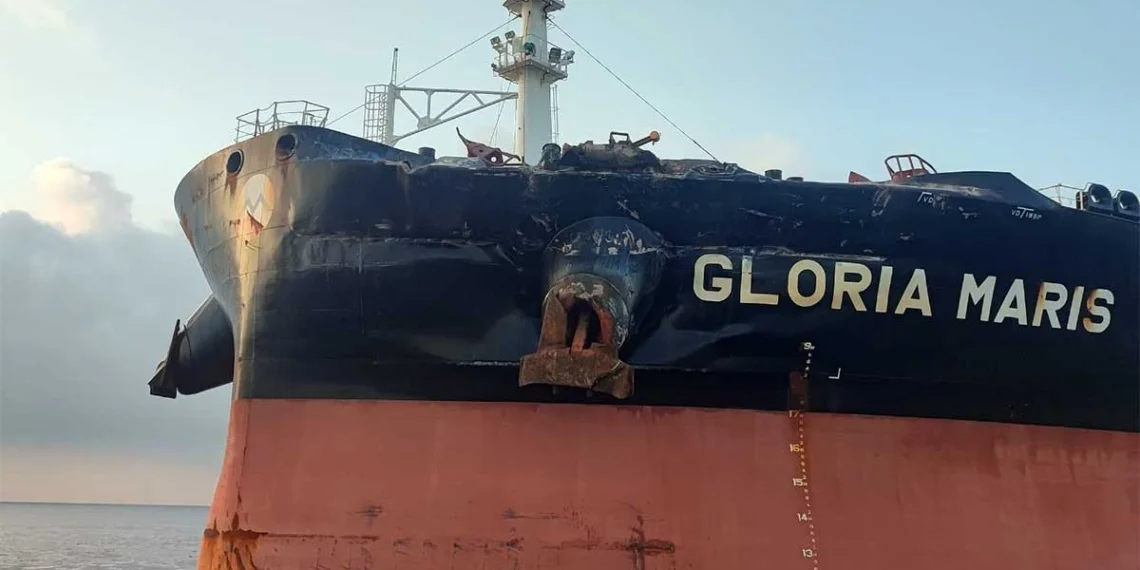
Visible damage to the bow of the oil tanker Gloria Maris after a maritime collision

The purpose of this post is to give an overview of how to appeal hull insurance denials, understand the legal nuances involved, and clarify the role that the insured plays in these complex scenarios.

It assumes some knowledge of general insurance terminology but this post is particularly helpful for shipowners and others new to the marine hull side of the business.

Whether dealing with hull appeals or cargo appeals, the appeal process in marine insurance will be similar, but for hull claims it is worthy to mention the nuances related to hull clauses, policy exclusions, and specific responsibilities of the insured. In most cases, the appeals process takes place within the framework of the insurance contract before escalating to courts or civil proceedings. Appeal hull insurance denials are frequent, often resulting from policy ambiguities or disputes over documentation requirements. It typically begins with the insured submitting a formal appeal letter and supporting documentation to the insurer. If the denial persists, alternative dispute resolution methods, such as mediation or arbitration, may come into play as outlined in the policy.

This article aims to provide shipowners with a broad understanding of the opportunities available to address and appeal hull insurance denials, empowering them to manage these complex scenarios effectively.

What we will explore, for example, is whether, after the initial claim denial, shipowners have legal or contractual options to appeal, how to provide additional documentation, and what strategies they can follow to strengthen their case with the insurer.

1. Understanding Hull Insurance Denials

Hull insurance covers physical damage to ships and related risks, such as collisions, grounding, or machinery failure. It is designed to mitigate the “friction” in global trade caused by risks to vessels, including piracy, fire, and weather conditions.

However, claims may be denied for several reasons, including:

  • Policy exclusions explicitly list certain damages not covered, such as wear and tear, inherent vice, or negligence of the insured.
  • Breach of warranty happens when there is non-compliance with conditions like maintaining the vessel’s class.
  • Failure to report incidents promptly (late notification) can prejudice the insurer’s ability to investigate.
  • Insufficient documentation occurs when there is a lack of evidence to prove that the damage was caused by a covered peril.
  • Disputes over proximate cause arise from disagreements on whether the damage was directly caused by an insured risk.

These reasons are closely tied to fundamental principles of marine insurance, particularly “utmost good faith,” which requires complete transparency from shipowners and other parties involved. Breaches in disclosure, such as withholding information about prior incidents or the vessel’s condition, can lead to claims being voided. To avoid such issues, shipowners must ensure full compliance with policy terms.

A relevant legal consideration for shipowners is the importance of timely reporting. For instance, a recent legal case involving a collision highlighted how delays in notifying insurers can significantly weaken a claim. In that case, the shipowner reported the incident after repairs had already begun, making it difficult for the insurer to investigate the proximate cause of the damage. To prevent this, shipowners should ensure compliance with notification clauses, which often require reporting incidents within a specific timeframe—typically 48 or 72 hours. Failure to do so could result in a denial of the claim based on late notification.

2. Steps to appeal a Hull Insurance Denial

2.1. Understand the denial

When an insurer denies a claim, the first critical step is to fully understand their reasoning. This begins by carefully reviewing the denial letter provided by the insurer. Identify the cited hull clauses or exclusions and evaluate whether their interpretation aligns with your policy. For instance:

  • Was the damage caused by an insured peril, such as a collision?
  • Did efforts to extinguish a fire directly result in cargo or vessel damage?

For shipowners, it’s crucial to consider the operational context of the incident. For example, if the vessel was navigating in a high-risk area or under specific weather conditions, ensure this is documented and presented as part of your case.

Next, compare these reasons against the terms of your hull insurance policy. This includes evaluating coverage clauses, exclusions, and warranties. Pay particular attention to obligations such as maintaining class and complying with reporting requirements. Understanding whether the insurer’s interpretation of these clauses aligns with your own is essential to formulating a strong response.

Legal tip for shipowners: Keep detailed records of your vessel’s maintenance, operational logs, and incident reports. These documents not only fulfill reporting requirements but also provide the evidence needed to counter any misinterpretation by the insurer. For instance, if the claim involves collision damage, include bridge logs, radar recordings, and third-party witness statements to build a robust appeal.

2.2. Gather Supporting Evidence

The success of an appeal often hinges on the quality and comprehensiveness of the evidence you provide. Start by collecting all relevant documentation to support your claim.

Key documents include:

  • Policy documents and endorsements: Detail your coverage and obligations, highlighting any hull clauses applicable to the claim.
  • Incident reports: Include surveys conducted immediately after the incident, photographs or videos of the damage, and detailed accounts from witnesses, including crew members.
  • Repair estimates, receipts, and invoices: These quantify the financial impact of the damage and support your claim’s valuation.

For shipowners, ensuring that incident logs and crew testimonies are accurate and detailed can make a significant difference. For instance, documenting how and when the damage occurred, along with weather conditions and navigational data, can strengthen your claim against an insurer’s denial.

Marine surveyors or average adjusters can provide impartial assessments of the damage and validate your claims. Their reports carry significant weight in disputes and can help clarify technical details for the insurer. An average adjuster specializes in analyzing claims under the terms of marine insurance policies and can provide:

  • Detailed assessments of the validity of your claim, evaluating the insurer’s reasons for denial.
  • Expert advice on calculating claims involving total loss or partial loss, ensuring financial assessments are accurate and fair.
  • Support in establishing proximate cause: If the insurer argues that an excluded peril caused the damage, an average adjuster can provide evidence to demonstrate that the damage aligns with a covered peril, documenting the sequence of events leading to the loss.

Legal tip for shipowners: Maintain a pre-approved list of marine surveyors or adjusters familiar with your operations. This can save valuable time when disputes arise, ensuring you have access to trusted experts who understand your vessel’s specifications and operational context.

Handling proximate cause disputes

Proximate cause disputes are among the most common in hull insurance claims. If your insurer denies a claim based on their determination of proximate cause, you must build a compelling case. Start by:

  1. Documenting the sequence of events that led to the damage, supported by navigational logs and witness accounts.
  2. Providing expert testimony or reports that validate your interpretation of the proximate cause.
  3. Referencing legal precedents, such as Rhesa Shipping Co. S.A. v. Edmunds (The Popi M), to demonstrate how proximate cause disputes have been resolved in favor of insured parties in the past.

Example for shipowners: In disputes over total loss, adjusters’ reports must demonstrate that the destruction of the vessel meets legal definitions. For instance, if your vessel suffered irreparable damage after grounding, evidence such as structural reports, towing attempts, and salvage efforts should be included to substantiate your claim.

2.3. Engage your broker

Brokers have a vested interest in maintaining good relationships with both the insurer and the insured. They can:

What brokers can do for shipowners:

  1. Facilitate Communication effectively by acting as intermediaries between you and the insurer. Brokers ensure concerns are accurately conveyed and responses are well understood.
  2. Leverage their industry knowledge and relationships to advocate for a favorable resolution. They can highlight precedents or clarify policy terms to strengthen your case.
  3. Brokers provide strategic guidance to help you understand the insurer’s perspective, adjust your appeal, and identify weaknesses to improve your chances of success.

Legal tip for shipowners: In complex cases, particularly those involving proximate cause disputes or policy exclusions, involve your broker as early as possible. They can coordinate with marine surveyors, average adjusters, and legal counsel to build a cohesive case that aligns with your policy’s hull clauses.

Example of broker support:

Suppose your claim involves damage due to firefighting efforts after a fire onboard. If the insurer denies the claim, arguing that the damage is secondary and not covered, your broker can:

  • Refer to specific hull clauses or endorsements that explicitly cover such scenarios.
  • Facilitate expert input to clarify how the damage is directly related to an insured peril.
  • Negotiate with the insurer to reconsider their position based on policy wording and supporting evidence.

2.4. Respond with a formal appeal

After understanding the denial and gathering supporting evidence, the next step is to draft a formal appeal letter. This letter is a critical component of your appeal process and should include the following elements:

  • Start with a professional tone to establish credibility and clearly state your intent to appeal the denial.
  • Reference specific policy provisions that align with your claim and support your position.
  • Summarize the incident concisely, highlighting the proximate cause and its connection to covered perils.
  • Attach relevant documentation as evidence, including photos, surveys, repair estimates, and expert reports, to counter the insurer’s reasoning.
  • Highlight misinterpretations or restrictive readings of policy terms that may have influenced the denial.

Ensure the letter is detailed but not overly technical. Clear, factual arguments are more persuasive and resonate better with claims adjusters. For example, if the claim denial involves collision damage, include bridge logs, radar records, and photographs of the damage to reinforce your appeal.

2.5. Negotiate with the insurer or seek legal recourse

Once you’ve submitted your appeal with new evidence, the next step is to engage in negotiations with the insurer. Request a formal review of your claim, presenting the additional documentation and arguments that counter the insurer’s reasons for denial. If the insurer remains firm, consider proposing mediation as a non-adversarial method to resolve the dispute. Mediation involves a neutral third party facilitating discussions between you and the insurer to reach an amicable resolution. This approach is often quicker and less costly than litigation or arbitration.

However, if negotiations and mediation fail, shipowners may need to pursue legal recourse. A maritime lawyer specializing in insurance disputes can:

  • Assess the legal merits of your case and determine the best course of action.
  • Provide guidance on arbitration or litigation, ensuring compliance with any contractual obligations.
  • Represent you in court or arbitration proceedings, protecting your interests and ensuring a fair outcome.

In maritime insurance contracts, arbitration clauses are common, obliging parties to resolve disputes outside of court under specific rules, such as the Lloyd’s Open Form. Arbitration is typically faster and less expensive than litigation but lacks the judicial oversight that courts provide.

If arbitration is not mandatory or the insured opts for another route, litigation in a competent court becomes the alternative. Courts will examine whether the insurer’s reasons for denial align with the terms of the policy and maritime laws.

Case Example: In Rhesa Shipping Co. S.A. v. Edmunds (The Popi M), the Court underscored the importance of proving proximate cause in hull insurance disputes. Shipowners must establish that the damage was directly caused by a covered peril, particularly in cases involving total loss or complex incidents like collisions or firefighting damage.

Legal tip: Ensure that any legal action is initiated within the policy’s limitation period to preserve your rights and strengthen your case.

2.6. Consider regulatory support

In jurisdictions with established insurance regulators, shipowners have an additional avenue to address claim denials: filing a formal complaint. Regulatory bodies play a vital role in overseeing insurers’ compliance with local laws and ensuring they act in good faith.

What regulatory support can offer:

  • Investigations into insurer conduct to determine whether they adhered to principles of good faith and fair dealing.
  • Enforcement of compliance with local insurance laws, ensuring the insurer meets its obligations under the policy.
  • Additional leverage for shipowners, pressuring insurers to reconsider their position and negotiate more favorably.

Legal tip for shipowners: Familiarize yourself with the regulatory frameworks applicable in your jurisdiction, as processes and options for recourse can vary widely. In some cases, lodging a regulatory complaint can prompt the insurer to re-evaluate their decision, avoiding the need for costly litigation.

Conclusion

Appealing a hull insurance claim denial is a demanding process that requires diligence, comprehensive evidence, and expert guidance. Whether the denial involves damage to a vessel, collisions, or total loss, shipowners must understand their policy responsibilities and explore every available recourse.

While navigating this process, shipowners should be prepared for challenges such as prolonged timelines, significant resource commitments, and pushback from insurers. However, these obstacles can often be overcome with the support of maritime legal experts who can:

  • Interpret complex policy terms and provide clarity on coverage disputes.
  • Develop compelling arguments that align with both policy language and legal precedents.
  • Negotiate with insurers or represent shipowners in mediation, arbitration, or court.

For shipowners facing denied claims, seeking professional guidance is critical. At Marlin Blue, we specialize in helping shipowners resolve disputes effectively, from initial appeals to arbitration or litigation.

Don’t let a denied claim jeopardize your operations. Contact Marlin Blue today to appeal denied marine insurance claims effectively.

Environmental Factors in Hull Damage

The image is a collage showing various environmental factors that contribute to hull damage. It includes images of rusted bolts, corroded hulls, marine biofouling with barnacles, and rough seas impacting ships, highlighting the diverse conditions that lead to deterioration in maritime environments.

The impact of environmental factors on hull damage is inherently severe, as the deterioration of ship structures, especially steel hulls, can lead to substantial economic losses, operational disruptions, and even safety risks for crew and cargo.

This concern has been at the forefront of maritime engineering since the construction of the SS Great Britain, launched in 1843 as the first iron-hulled ocean-going ship. While this historic vessel proved the viability of iron hulls in shipbuilding, it also marked the beginning of an ongoing battle against marine corrosion. Today, vessels with steel hulls—such as tankers, cargo ships, and container vessels—continue to face these challenges, as they are highly susceptible to corrosion from constant exposure to saltwater and humidity. Meanwhile, aluminum-hulled vessels like ferries and patrol boats face accelerated material degradation in high-salinity areas, and fiberglass-hulled recreational boats require specific maintenance in tropical climates, where UV radiation weakens protective coatings.

Unlike sailing vessels that may have fewer operational hours and typically avoid heavily polluted waters, large commercial vessels operate under intense environmental exposure across various regions, amplifying their maintenance requirements. Aluminum hulls, commonly found in high-speed ferries, are especially prone to pitting corrosion in saline waters, while traditional wooden hulls used in smaller boats are vulnerable to rot and structural weakening in tropical climates. 

This variety in hull materials and vessel functions highlights the complexity of maintenance management in the maritime industry.

In light of these vulnerabilities, hull claims represent a significant aspect of risk management and operational costs in the diverse maritime industry. These claims cover various types of physical damage to a vessel’s hull and machinery, with factors such as corrosion, impact, grounding, and environmental stressors varying by hull material and vessel type. For instance, steel-hulled cargo ships and tankers are highly prone to rust and corrosion, while fiberglass boats may suffer from structural degradation due to prolonged UV exposure.

It is well-documented in scientific literature that an effective maintenance strategy for marine assets must account for climatic conditions such as temperature, relative humidity, wind speed and direction, and pollution levels. Early and targeted conservation of hulls, whether steel, aluminum, or fiberglass, is crucial, as each material responds differently to factors like corrosion, UV degradation, and biological fouling.

1. Environmental factors affecting hull damage

1. Marine atmospheric corrosion

Marine atmospheric corrosion is one of the primary causes of hull degradation in steel vessels. In oceanic environments, the continuous presence of salts, chlorides, and other corrosive compounds significantly accelerates the corrosion process. 

Key environmental factors influencing this corrosion include temperature, relative humidity, sunlight exposure, rainfall, pH levels, and airborne salt concentration. 

These particles, carried by winds and waves, settle on hull surfaces and dissolve upon contact with moisture, creating a highly corrosive saline solution. This process is particularly aggressive in warm climates and high-salinity regions, such as tropical and coastal waters, where the marine atmosphere is dense with salts and corrosive compounds.

Impact: Marine atmospheric corrosion directly affects the structural integrity of the hull and leads to increased operational costs due to the need for constant maintenance, reapplication of anti-corrosive coatings, and potential efficiency losses due to increased drag.

The image shows salt-induced corrosion on a metal boat structure. White salt deposits and rust spots are visible on the metal surface, particularly around joints and crevices where salt has accumulated.
Marine atmospheric corrosion on a metal structure due to salt buildup, highlighting the environmental effects on hull damage.
The image shows rusted bolts and metal parts with visible signs of corrosion. The rust has formed heavily on the bolts and areas surrounding them, indicating prolonged exposure to moisture or corrosive elements.
Corroded bolts showing significant rust accumulation due to environmental exposure.

2. Relative Humidity and Time Wetness

Relative humidity (RH) is expressed as the ratio of the amount of water vapor present in the air to the amount needed for saturation. When relative humidity exceeds 60%, a thin layer of moisture forms on metal surfaces, initiating corrosion. In dry air, corrosion rarely occurs; instead, humidity enables the formation of an electrolyte film on metal surfaces, facilitating the corrosion process.

In coastal or marine environments, where humidity levels are consistently high, salts and chlorides in the air adhere to the hull, combining with moisture to create a persistent, highly corrosive layer. Salts like ferrous chloride absorb moisture even from seemingly dry air, maintaining an electrolytic solution on the hull surface, which enables corrosion to continue.

When RH surpasses a specific threshold, known as the “critical relative humidity,” the rate of metal corrosion rises sharply. This threshold varies depending on the type of metal and the presence of contaminants. In clean environments, metals may not corrode even at very high humidity levels, close to 99% RH. However, in marine or polluted environments, where salts like potassium chloride (KCl) and sodium chloride (NaCl) are present, corrosion can begin at much lower humidity levels, sometimes around 35% RH for steel.

This continuous moisture presence keeps salt particles active and promotes ongoing corrosion, leading to thickness reduction and structural weakening over time. The accumulation of corrosion products, such as iron oxides and hydroxides, can further attract moisture, intensifying the damage.

According to the ISO 9223 standard, the time of wetness (TOW) is defined as the time period during which the relative humidity is in excess of 80% and the temperature is above 0 °C, and also plays a critical role. When a water layer on the surface is sufficiently thick, an electromotive force (EMF) is generated that can reach a critical value, initiating corrosion. Factors influencing the time of wetness include temperature, surface porosity, oxidation degree, grain boundaries, and surface roughness. For example, high temperatures reduce water adsorption, while rougher or more porous surfaces retain more water, raising the corrosion risk.

Typically, time of wetness is defined as the duration during which RH exceeds 80% and temperatures are above 32°C. In temperate zones, this ranges from 100 to 2700 hours per year, while in humid tropical zones, it can reach 3000 to 5000 hours annually. In regions with high time-of-wetness values, like Southeast Asia, corrosion intensifies as salt particles and moisture remain active on the hull surface for extended periods.

Additionally, water adsorption on metallic surfaces can occur in both molecular and dissociated forms. When the adsorbed layer reaches a thickness of three monolayers, it begins to resemble bulk water, reaching critical humidity levels where corrosion rates accelerate. Environmental contaminants like SO₂ can further lower this critical humidity threshold, increasing corrosion likelihood even at lower RH levels.

Impact: High humidity and prolonged wetness accelerate material degradation, especially in marine environments, necessitating enhanced preventive maintenance. For vessels in humid conditions, maintaining protective coatings, dehumidifying key areas, and conducting regular inspections are essential to mitigate corrosion and extend hull longevity.

3. Temperature Fluctuations

High temperatures accelerate chemical reactions involved in corrosion, while colder temperatures slow them down. 

However, temperature fluctuations also cause thermal expansion and contraction in the hull, leading to micro-cracks that further expose the steel to corrosive elements. Seasonal changes and geographical location are critical in determining the corrosion rate for vessels operating in diverse environments.

Impact: Repeated temperature fluctuations cause material stress and fatigue, increasing the risk of structural weakness over time.

4. Biofouling and Fouling

Marine organisms like barnacles, algae, and other biofouling agents attach to hulls, increasing drag, fuel consumption, and providing micro-environments for corrosion to thrive. This accumulation, combined with pollutants, requires frequent hull cleaning and raises maintenance costs.

Impact: Biofouling increases resistance, reduces fuel efficiency, and accelerates corrosion, necessitating regular cleaning and anti-fouling measures.

The image shows a boat hull with a heavy buildup of biofouling, including barnacles, algae, and other marine organisms. These organisms form dense clusters across the hull surface.

5. Pollutants and Chemicals

Pollutants such as industrial chemicals, oil residues, and other contaminants accelerate corrosion, particularly in ports or industrial zones where water quality is compromised. Contaminants can erode protective coatings and increase the rate of structural degradation.
Impact: Pollutant exposure heightens corrosion, demanding compliance with environmental regulations and regular protective maintenance to avoid liability claims.

6. Fog

In regions with high contamination, like some urban areas, like the cities of
Lahore and Karachi in Pakistan, fog can have a low pH (1.8-3.5), acting as a corrosion promoter. This acidic moisture accelerates the breakdown of protective coatings and increases hull corrosion rates.

Impact: Vessels in fog-prone, industrial areas are more susceptible to corrosion, especially if fog water is acidic, requiring additional protective measures.

7. Wind Velocity

Wind plays a significant role in distributing salt particles and pollutants over metallic surfaces, which can dislodge protective layers and promote corrosion. Strong winds, combined with certain structural geometries, expose hulls to increased corrosion risks.

Impact: High wind velocity facilitates pollutant transport and deposition on hulls, potentially reducing the effectiveness of protective coatings.

8. Sunlight Exposure

Sunlight exposure, especially in tropical regions, can exacerbate corrosion by heating the metal surfaces, which increases the rate of chemical reactions that contribute to corrosion. UV radiation can also degrade some coatings, reducing their effectiveness in protecting the hull from corrosion.

Impact: Prolonged sunlight exposure accelerates coating degradation and corrosion, requiring more frequent reapplication of protective coatings.

9. Seawater Temperature

Higher seawater temperatures generally increase the corrosion rate of metal surfaces. Warmer waters facilitate chemical reactions, dissolve oxygen more readily, and create conditions where salt and contaminants stay active longer on the hull.
Impact: In warm or tropical waters, corrosion rates increase, requiring reinforced maintenance and specialized anti-corrosion measures.

10. Waves

Wave action, especially in open ocean conditions, physically erodes hull surfaces. This repetitive impact wears down protective coatings and exposes bare metal to corrosive seawater and air, intensifying corrosion.

Impact: Constant wave exposure erodes protective layers, requiring maintenance to prevent extensive hull degradation.

2. Preventive measures and maintenance strategies

Below are some strategies that insurers, shipowners, and operators should consider.

  1. Hull Insurance and Exclusions
    Hull insurance policies typically cover corrosion-related damage under specific conditions. However, exclusions are common for gradual wear and tear, biofouling, and environmental pollutants. Understanding these exclusions helps shipowners avoid unexpected financial liabilities and identify preventive measures that might impact insurance terms.

  2. Technical Inspections
    Regular hull inspections are vital for detecting early signs of corrosion and other structural weaknesses. Comprehensive inspections should include thickness measurements and corrosion rate assessments to gauge the extent of damage. This data informs maintenance schedules, insurance evaluations, and cost planning, helping to identify high-risk areas and assess repair priorities.

  3. Corrosion Prediction Models
    Utilizing corrosion prediction models that incorporate environmental factors such as temperature, humidity, and salinity supports long-term maintenance planning. These models allow operators to anticipate potential areas of damage and allocate resources efficiently. For insurers and brokers, predictive data supports risk assessment and helps tailor coverage terms.

  4. Structural Health Monitoring (SHM)
    Structural Health Monitoring (SHM) systems leverage sensors to provide real-time data on hull condition, enabling the early detection of corrosion and other structural vulnerabilities. SHM is particularly beneficial for vessels in extreme marine environments, where rapid changes can intensify corrosion. By addressing issues promptly, SHM reduces maintenance costs and enhances the structural reliability of vessels.

  5. Condition-Based Maintenance (CBM)
    Condition-Based Maintenance (CBM) allows maintenance to be scheduled based on the hull’s actual condition rather than a fixed interval. Supported by SHM and corrosion prediction models, CBM optimizes maintenance costs and extends the hull’s operational life by addressing specific conditions unique to each marine region. This strategy is highly effective in adapting to varying environmental corrosion risks.

  6. Anti-Corrosion Coatings
    Applying anti-corrosion coatings is among the most effective ways to shield hulls from environmental damage. These coatings form a barrier between the steel and corrosive elements, significantly reducing corrosion rates. Regular maintenance and high-quality coatings extend hull life and reduce repair costs. Unlike smaller recreational vessels, large vessels and tankers cannot be washed frequently due to prolonged time at sea, making durable coatings essential for protection.

  7. Freshwater Washdown Systems
    Some tankers and vessels are equipped with freshwater washdown systems that rinse key areas, such as decks and salt-prone sections, while in port. These systems help to remove residual salts, reducing corrosion in vulnerable areas. For ships that cannot be washed after each voyage, this provides a strategic solution for minimizing salt accumulation and prolonging hull integrity.

  8. Scheduled Dry Docking and Maintenance
    Vessels undergo comprehensive inspections and maintenance during scheduled dry-docking periods, allowing for a complete hull cleaning, damaged coating removal, and reapplication of protective layers. Dry-docking is essential for long-term corrosion prevention but requires careful planning to minimize vessel downtime and optimize operational availability.

  9. Compliance with Environmental Regulations
    Adherence to environmental regulations, such as the IMO’s sulphur content limits for fuel, influences hull maintenance strategies by reducing exposure to pollutants that accelerate corrosion. Compliance not only mitigates environmental damage but also lowers liability risks for shipowners, who benefit from cleaner operational standards and reduced corrosion from pollutant exposure.

Conclusion

Environmental factors significantly impact hull degradation, influencing the safety, reliability, and operational costs of marine vessels.As the marine industry faces evolving environmental challenges, proactive and informed maintenance practices are key to reducing risks associated with hull damage. 

For insurers and brokers, these measures also provide a clearer understanding of potential liabilities, helping to create insurance policies that reflect real-world conditions and promote safer, more reliable marine operations.

 Safeguard your fleet and minimize hull claims. Schedule a comprehensive hull inspection with Marlin Blue’s expert team to stay ahead of potential damage and optimize your maintenance strategy. Discover how our inspections and preventive solutions can help protect your assets from environmental risks.

Contact Us for Hull Inspections and Claims Support:
📞 +34 955 283 913
✉️ info@marlinblue.com
Connect with us on LinkedIn

An introduction to Hull Claims:  Types, Process and Disputes

The image shows a large cargo ship with visible hull damage, being assisted by smaller vessels. The ship appears partially sunken, with the stern submerged lower in the water than the bow, indicating significant damage. The smaller vessels are likely involved in containment or salvage operations.

The shipping industry, which connects global trade, relies heavily on the importance of structural integrity in maritime operations. When ships suffer damage, hull claims come into play, impacting various stakeholders such as insurers, brokers, shipping lines, shipowners, and logistics contractors. 

Hull insurance is designed to protect against losses caused by damage to the vessel’s structure (hull), machinery, and associated equipment, including the coverage offered by hull insurance policies.

In this post, we will explore the key aspects of hull claims, including types of claims, the notification and settlement process, common disputes, and best practices.

What are hull claims?

Hull claims arise when a ship experiences damage, either due to operational incidents or external factors, and the shipowner or operator seeks compensation under the hull and machinery insurance policy. 

These claims are typically associated with the vessel’s structural damage, damage to machinery, or any equipment crucial to the vessel’s operation. This can include environmental damage, particularly if the vessel’s structural failure leads to a spill or hazardous materials release.

According to the International Union of Marine Insurance (IUMI), in 2023, hull claims accounted for approximately 40% of all marine claims

Moreover, the frequency and cost of hull claims have been on an upward trend, reflecting not only the risks associated with maritime operations but also the importance of proactive maintenance and thorough damage assessments

According to the International Union of Marine Insurance (IUMI), in 2024, in the latest Statistics Autumn 2024, From 2016 to 2023, the average cost of hull claims has shown an upward trend, driven by inflation, increased repair costs, and the complexity of modern machinery. This suggests that the financial impact of hull claims is becoming more significant, especially with rising material and labor costs. 

In addition, While there was a long-term downward trend in hull claims frequency before 2020, the report indicates a post-pandemic increase in claims. However, the levels remain moderate, and total loss frequency has only seen a slight rise. This highlights the resilience of the hull insurance market despite global disruptions

1.1. What are the common causes of hull claims?

Ships face various mechanical and environmental stresses that can compromise their structural integrity. Based on IUMI reports, the most common causes of hull claims include:

  • Collisions with other vessels or fixed objects like docks or port installations, often resulting in significant structural damage.
  • Fires on board, especially in container ships and RoRo (roll-on/roll-off) vessels, which have become an increasing concern.
  • Machinery failure, particularly in propulsion systems, with the growing complexity of onboard machinery contributing to higher claim frequency.
  • Severe weather damage from storms or high seas, which can affect the vessel’s hull and technical equipment.
  • Groundings, where vessels run aground, causing significant damage to the hull and sometimes the machinery, especially if salvage operations are delayed.

1.2. What types of vessels are most commonly involved in hull claims? 

The type of vessel, along with factors such as fleet aging, operational complexity, and the nature of the cargo transported, significantly influences the frequency of claims.

Ships are exposed to a wide range of mechanical and environmental stresses that can weaken their structural integrity.

According to reports from the IUMI and other authoritative sources in the maritime sector, the frequency of claims varies depending on the type of vessel. The types of maritime vessels that typically have a higher frequency of claims include:

  • Container ships
  • Roll-on/Roll-off ships
  • General cargo vessels
  • Tankers
  • Bulk carriers
  • Specialist vessels
  • Passenger ships

1.3. What are the types of damage in hull claims?

Hull claims can arise from various types of damage that affect the structure and functionality of a vessel.   

Below are some key types of damage commonly encountered in hull claims:

  • Collision damage
  • Grounding damage
  • Corrosion
  • Stress concentrations
  • Fatigue cracking
  • Fire and explosion damage
  • Impact from heavy seas (pounding)
  • Cargo handling damage
The image shows the Shinyo Ocean VLCC with a significant breach on its port side, extending from the waterline up to the deck, caused by a collision. The hull damage is extensive, with torn and crumpled metal visible.
The Shinyo Ocean sustained a massive hull breach after a collision with the LNG carrier Aseem in Fujairah anchorage, UAE (2019)

2.1. Types of hull claims

2.1. Total Loss Claims

Total loss claims represent some of the most significant and complex claims in marine insurance, arising when a vessel or cargo is completely destroyed, rendered irrecoverable, or so damaged that repair is either impossible or uneconomical.

Marine insurance typically distinguishes between two types of total loss: Actual Total Loss (ATL) and Constructive Total Loss (CTL), both governed by international maritime law and standard insurance policies.

  • ATL occurs when the insured property, such as a ship or cargo, is entirely destroyed or lost. This can happen in several ways, including the vessel sinking, being irretrievably lost at sea, or when the property is so severely damaged that it no longer exists in its insured form. ATL is recognized when the insured subject matter no longer exists or has been completely taken beyond the reach of its owners. Claims for ATL are straightforward, as the insurer is obligated to pay the full insured value of the lost property. In these cases, the insured must prove that the loss is absolute and irrecoverable.
  • CTL is declared when the cost of recovering or repairing the damaged vessel or cargo exceeds a certain percentage of its insured value, or the vessel is so damaged that it is no longer reasonable to attempt repair. CTL is often more complex than ATL, as it requires a thorough evaluation of whether the cost of recovery or repair makes economic sense. Under the Marine Insurance Act 1906 and internationally recognized marine insurance clauses such as the Institute Time Clauses (Hulls), CTL occurs when the shipowner, acting reasonably, abandons the vessel or cargo because the repair costs exceed the policy’s threshold, typically 75% or more of the insured value.

In both ATL and CTL cases, the policyholder can claim the full insured value of the vessel or cargo. However, for CTL, the insured must formally abandon the ship or cargo to the insurer, allowing the insurer to take possession of any salvageable material.

This process is known as notice of abandonment, and it is a legal prerequisite for recovering the full insured value under CTL provisions. The abandonment must be given promptly, and the insurer must accept or reject the notice based on an assessment of the loss.

Regulatory framework

Total loss claims are governed by various international conventions and national laws. The Marine Insurance Act 1906 continues to be the cornerstone of marine insurance law in many jurisdictions, establishing clear definitions and principles for ATL and CTL. For instance, under Section 60 of the Act, a CTL is defined based on whether it is reasonable to abandon the ship or goods due to the cost of repair or recovery.

Moreover, SOLAS compliance is a key factor in determining whether a vessel’s condition contributed to a total loss, particularly in cases where a vessel sinks or is otherwise lost.

Managing total loss claims 

Handling total loss claims requires a strategic approach, especially in CTL cases, where the decision to abandon must be made based on a comprehensive cost-benefit analysis. Engaging technical experts early in the process ensures that a realistic assessment of the damage and repair costs is conducted. Legal counsel is often necessary to manage the intricacies of abandonment notices, insurer negotiations, and compliance with international regulations.

Total loss claims are also subject to time limitations. According to the York-Antwerp Rules, which govern General Average and other maritime claims, there are strict time limits for filing a total loss claim, typically ranging from one to two years, depending on the jurisdiction. It is critical for shipowners and insurers to act quickly in filing claims to avoid the risk of being time-barred.

Additionally, total loss claims often involve salvage rights, particularly in cases where some of the vessel’s or cargo’s materials can be recovered. In such scenarios, salvage companies may be called upon to retrieve valuable assets, with salvage awards determined based on the value of the recovered property. If a CTL is declared and the insurer takes possession of the salvageable remains, they may choose to sell or auction the property, recovering part of the loss. Any proceeds from the salvage operation are typically deducted from the total indemnity paid to the insured.

2.2. Partial Loss Claims

Partial loss claims refer to damages sustained by a vessel or cargo that can be repaired or restored without declaring the vessel a total loss. These claims are common in the shipping industry and typically cover a wide range of incidents where the damage is limited to specific areas of the vessel or cargo, and repair is both feasible and economically reasonable.

Examples of partial loss claims include:

  • Hull fractures resulting from minor collisions or heavy weather damage, where the structural integrity of the vessel can be restored.
  • Machinery breakdown, such as engine or propulsion system failure, where individual components may need to be repaired or replaced.
  • Localized damage following a collision or grounding that affects a particular part of the ship, such as a damaged bow or stern section, without compromising the vessel’s overall seaworthiness.

In most cases, insurers will cover the cost of repairs to restore the vessel or cargo to its original state, subject to the terms of the policy.

The management of partial loss claims requires prompt action, with surveyors often appointed to assess the damage and recommend the most appropriate course of repair. Insurers will generally seek detailed documentation, including repair estimates and invoices, to ensure that the claim accurately reflects the costs incurred.

Unlike total loss claims, which may involve significant delays due to abandonment and salvage operations, partial loss claims tend to be resolved more quickly, allowing shipowners to return their vessels to operational status with minimal disruption. However, insurers may impose deductibles or other limitations based on the extent of the damage and the specific terms of the policy, meaning that not all repair costs may be fully reimbursed.

2.3. Sue and Labour (S&L)

The sue and labour clause is a standard provision found in most marine insurance policies. Its purpose is to obligate shipowners and cargo interests to take reasonable steps to prevent or minimize further damage to insured property after a loss. This provision is in the best interest of the insurer, as it helps mitigate additional losses, and the costs associated with these efforts are recoverable from the insurer.

The principle of sue and labour is governed by various international conventions and established maritime practices.

Under the Marine Insurance Act 1906, the insured party has a duty to “sue and labour” to protect the subject matter of the insurance. This entails taking reasonable and necessary measures to safeguard the vessel or cargo, such as hiring salvage services, conducting repairs, or securing the property.

The insurer, in turn, is obligated to indemnify the insured for such reasonable expenses, even if the efforts prove unsuccessful, provided they were made in good faith to avoid further loss.

The Institute Time Clauses (Hulls), widely used in marine hull insurance policies, explicitly include provisions for sue and labour. These clauses ensure that the insured is entitled to recover the reasonable costs incurred in efforts to avert or minimize a loss, separate from the insured loss itself.

Unlike a general average claim, which distributes liability across all parties involved, the sue and labour clause applies specifically to actions taken to protect the insured property, with costs solely covered by the insurer.

In practice, sue and labour expenses can cover a broad range of activities. For instance, if a vessel sustains damage during a voyage, the master may immediately engage salvage teams, arrange temporary repairs, or tow the vessel to safety. These expenses are typically recoverable under the sue and labour clause, treated as a distinct claim, separate from the general claim for loss or damage. This ensures that proactive efforts by the insured are incentivized and compensated.

Management of S&L claims

Proper management of S&L claims requires early coordination between shipowners, legal representatives, and insurers. Engaging technical survey experts to assess the situation is crucial in determining the scope of necessary measures and ensuring the steps taken are both reasonable and justified under the policy.

One key distinction of the sue and labour clause is that it applies regardless of the ultimate outcome of the main claim. Even if the insured property is subsequently deemed a total loss, S&L expenses incurred in the attempt to mitigate damage can still be recovered.

It is important to note that failure to take reasonable sue and labour actions can result in a denial of claims.

International regulations such as the York-Antwerp Rules and the Hague-Visby Rules reinforce the duty of the insured to act prudently and mitigate losses. If the insured neglects to take action when it is within their power to do so, insurers may reject the claim for the avoidable portion of the loss.

2.4. Salvage and General Average in Hull Claims

Salvage and General Average are key components in the framework of hull claims by determining how financial responsibilities are shared between shipowners, cargo interests, and insurers. These principles often result in disputes, particularly regarding cost distribution, compensation, and the justification of actions taken during emergencies. In salvage claims, the salvage company may be called upon to refloat a grounded vessel, fight fires, or tow a damaged ship to safety. The focus here is on saving the vessel’s hull and preventing further structural damage. Disputes often arise over the compensation due for these services, especially when the salvage efforts involve significant hull damage. For instance, salvors might argue for higher compensation when the hull is severely compromised, while insurers may question whether the efforts were reasonable or necessary. One example of a hull dispute is the Castor” incident in 2000, where a tanker experienced structural issues during a storm, leading to concerns over a potential break-up. Salvors were called to secure the vessel and tow it to safety, but disputes arose over the compensation for their efforts in preventing catastrophic hull failure. The case highlighted how disagreements over salvage operations involving the hull’s integrity can lead to hull claims disputes. General Average is similarly relevant in hull claims. When a ship’s hull is damaged or in danger, and extraordinary expenses are incurred to save it, General Average may be declared. For example, if a vessel encounters severe structural stress and the shipowner opts for emergency repairs to prevent further hull damage, the costs may be shared between the shipowner and insurers. Unlike cargo, the focus here is on the hull’s preservation, and the costs are distributed according to the York-Antwerp Rules. Disputes in hull-related General Average claims often center on the necessity of repairs or the extent of hull damage, with insurers and shipowners disagreeing over whether certain actions qualify under General Average. In such cases, the role of average adjusters is crucial, as they assess the value of the hull-related repairs and allocate the costs fairly among the parties involved. The Ever Given incident is now one of the most prominent recent cases in maritime law and hull claims, particularly concerning General Average and the complexities of grounding incidents in a critical maritime chokepoint like the Suez Canal.

2.5. Collision Claims in Hull Insurance

Ship collisions represent significant events in maritime operations, often triggering complex hull claims that involve legal, operational, and financial considerations. These claims involve the repair or replacement of the vessel’s hull and machinery, operational losses, and potential environmental damages. When dealing with collision claims in hull insurance, it is important to highlight the following five aspects:
  1. In most collisions, liability is shared between vessels, with each party responsible for hull repair costs based on their degree of fault. This principle ensures that the financial burden is equitably distributed.
  2. Prompt engagement of marine surveyors and adjusters is crucial for assessing hull damage and providing accurate repair estimates.
  3. Besides damage to the insured vessel, collisions often involve third-party claims, such as damage to other ships, cargo, or port infrastructure.
  4. Severe hull damage can lead to pollution, such as oil spills, which extend the scope of hull claims to include environmental liabilities. This is particularly relevant in tanker collisions, where pollution-related damages are significant.
  5. Insurers expect shipowners to take reasonable measures to mitigate further damage following a collision.
Claims and Recourse Actions Once liability is determined, shipowners typically file hull claims with their H&M insurers to recover the costs of repairs. These claims encompass not only the direct hull damage but also associated losses, such as machinery repairs and operational interruptions. In shared-liability cases, recourse actions are often pursued to recover costs from the other vessel’s insurers. For example, in tanker collisions, the International Convention on Civil Liability for Oil Pollution Damage (CLC 1969) may come into play if an oil spill occurs, making the polluter liable for environmental damages. The responsible party may then seek recourse from other involved parties if they share part of the responsibility. Additionally, it’s important to distinguish between a collision (involving two moving vessels) and an allision (where a moving vessel strikes a stationary object, such as a dock or bridge). While the principles of liability and hull claims are similar, the nature of the incident influences how responsibility and compensation are assigned.

3. Hull claims notification process

The notification of a hull claim is the foundational step in the claims process and is essential to ensuring timely resolution. Shipowners and operators must promptly inform their insurers following any incident to prevent delays or disputes over liability.

Steps in the hull claims notification process:

  1. Immediate notification to the insurer
    The first step is for the shipowner or operator to notify their Hull & Machinery (H&M) insurer as soon as the damage or loss occurs. This is usually required within 24 to 72 hours after the incident, as most policies have a prompt reporting clause. The notification is typically sent via email or through the insurer’s designated claims platform, depending on the terms outlined in the insurance contract.

  2. Preliminary incident report
    The initial notification should include a preliminary incident report that briefly describes the circumstances of the damage, such as the nature of the incident (e.g., collision, grounding, machinery failure), location, time, and potential extent of the damage. It’s also essential to provide details of any immediate actions taken to mitigate further damage.

  3. Marine surveyor appointment
    After the notification is received, the insurer will appoint a marine surveyor to inspect the vessel and assess the extent of the damage. In many cases, the shipowner or operator is responsible for ensuring that the vessel is available for inspection and that all necessary documents, including logs and maintenance records, are made accessible.

  4. Submission of supporting documentation
    The insured party must prepare and submit additional supporting documentation, which typically includes the ship’s logbook, maintenance records, photographs of the damage, repair estimates, and relevant contracts or agreements. Prompt submission of these documents can expedite the claims process.

  5. Insurer review and claim filing
    After receiving the surveyor’s report and supporting documentation, the insurer will review the findings to determine the validity and scope of the claim. Once this is complete, a formal claim must be filed within the timeline stipulated in the policy, often ranging from 6 months to a year after the incident.

  6. Mitigation of further damage
    Throughout the process, the insured must continue to take reasonable measures to mitigate further damage to the vessel, as required by the policy’s sue and labour clause. Insurers often reimburse reasonable costs incurred during these mitigation efforts.

4. Common disputes in hull claims

Disputes in hull claims often arise due to differing interpretations of the extent of damage, delays in processing, or underinsurance. Here’s a closer look at these key issues:

  • Extent of the damage: One of the most frequent disputes is whether damage is purely cosmetic or if it affects the vessel’s structural integrity. For example, small fractures in the hull may seem minor at first but could evolve into more severe issues. Insurers might challenge the shipowner’s assessment of the damage to reduce their liability, leading to lengthy debates over repair costs.

  • Causation of damage: Determining the exact cause of damage can be contentious, especially if multiple factors were involved (e.g., human error, adverse weather conditions, or machinery failure). Insurers may challenge the shipowner’s claim by asserting that the damage was caused by factors not covered by the policy, such as negligence or failure to comply with safety protocols.

  • Coverage disputes: Hull insurance policies contain exclusions, and disputes may occur if the insurer believes the claim falls under one of these policy exclusions. For instance, the insurer might argue that the damage was due to normal wear and tear, design defects, or improper maintenance, which are typically not covered by hull insurance.

  • Delays in claims processing: Delays often stem from incomplete documentation, disagreements over the cause of damage, or the involvement of multiple insurers. These delays can prolong a vessel’s downtime, increasing operational costs for shipowners. It’s critical to submit comprehensive evidence and collaborate with all stakeholders to expedite the claims process.

  • Repairs and costs: Shipowners and insurers frequently disagree on the cost of repairs. Shipowners may submit higher repair estimates than the insurer is willing to approve, or disputes may arise over the choice of repair yard, the necessity of certain repairs, or the use of specific materials. Insurers may also challenge the time taken for repairs, which affects loss-of-hire claims.

  • Underinsurance: A vessel insured for less than its market or replacement value can cause disputes if the insurer refuses to cover the full extent of the damages. This leaves shipowners with significant out-of-pocket expenses. Regularly updating the insured value of the vessel to match its current market value can mitigate these disputes.

  •  
  • Contributory negligence: In cases where the shipowner’s negligence contributed to the damage, insurers may argue that this contributory negligence reduces or invalidates the claim. For example, failure to maintain the vessel properly or neglecting to follow safety protocols can lead to disputes over the percentage of responsibility each party should bear.

  • Third-party liability: If the damage involves third parties, such as in collisions with other vessels or port infrastructure, disputes can arise over third-party liability. Insurers may seek to reduce their payment obligations by shifting responsibility to the other party, leading to protracted negotiations or litigation.

  • Interpretation of policy terms: A significant source of disputes is the interpretation of policy terms and clauses. Differences in the reading of key terms, such as “constructive total loss” or “actual total loss,” can result in disagreements about whether the claim qualifies for a full payout or only partial compensation.

Conclusion

Hull claims are a complex part of marine insurance, involving various stakeholders, including shipowners, insurers, and brokers. Success in handling these claims depends on a solid understanding of the types of claims, the notification process, and how disputes are resolved. Timely notifications, thorough documentation, and clear communication between all parties are essential for smooth claims management.

By ensuring that hull and machinery insurance is comprehensive and up-to-date, shipowners can minimize disputes and reduce the downtime of their vessels following an incident.

FAQs

Q1. What are the typical exclusions in hull insurance policies?

A1. Common exclusions in hull insurance policies include damage caused by normal wear and tear, intentional acts, and losses resulting from war or terrorism unless explicitly covered by a War Risks clause. 

Certain environmental liabilities might also be excluded, unless specifically added to the coverage. For a thorough analysis of your policy exclusions, explore the aspects of hull insurance exclusions. 

Q2. What is the difference between hull insurance and P&I insurance?

A2. Hull insurance covers physical damage to the ship and its machinery, while Protection & Indemnity (P&I) insurance covers third-party liabilities, such as injury or death of crew members, environmental damage, and cargo claims. These two types of insurance complement each other.


What are the basic types of hull damage inspections?

The image shows an underwater diver inspecting a large ship propeller. The diver is equipped with scuba gear and is closely examining the propeller's blades for damage or defects as part of a hull inspection.

Hull damage inspections within our industry are primarily concerned with the thorough evaluation of damage sustained by a vessel and its machinery, ultimately determining the compensation owed to the insured party.

To clarify, the term “hull” refers to the watertight exterior of a vessel. Whether constructed from wood, iron, concrete, or fiberglass, the hull forms a substantial surface that is in direct contact with water, acting as the first line of defense against leaks and potential flooding.

One of the major challenges faced by shipowners and operators is the preservation for safe navigation and the overall integrity of the vessel, as neglecting hull maintenance can lead to serious issues, including structural failures, costly repairs, and environmental hazards such as oil spills.

Simply by sailing, the ship’s hull experiences natural wear, including abrasions and corrosion. Repairing these damages not only enhances the vessel’s appearance but also improves its navigation efficiency by reducing friction. This allows for smoother movement, benefiting speed and displacement—key aspects in today’s booming maritime cargo and cruise industries.

Understanding the materials used in hull construction is equally important. Different materials have distinct properties and maintenance requirements; for instance, wooden hulls may require more frequent inspections for rot, while metal hulls are susceptible to rust and corrosion.

According to the International Union of Marine Insurance (IUMI), in 2023, hull claims accounted for approximately 40% of all marine claims. Moreover, the frequency and cost of hull claims have been on an upward trend, reflecting not only the risks associated with maritime operations but also the importance of proactive maintenance and thorough damage assessments.

1.Why are hull damage inspections important?

Hull damage inspections work for all types of incidents related to maritime vessels.

The primary purposes of these inspections include:

  1. Identifying damage and leak issues, detecting any damage or potential leaks before they escalate into emergencies.
  2. Preventive maintenance, with regular inspections helping to identify wear and corrosion, allowing repairs to be planned and preventing costly unforeseen issues.
  3. Extending the hull lifespan, addressing problems early to result in significant savings for operators.
  4. Regulatory compliance, as inspections are often required by maritime authorities and regulatory bodies.
  5. Meeting certification requirements, ensuring proper hull inspections to demonstrate the vessel meets safety and operational standards.
  6. Risk assessment, evaluating risks associated with vessel operation, which is essential for insurance planning and risk management.

2. Types of hull damage requiring inspection

The following are different types of damage that may require special attention during inspections, along with the methods used for identification:

  • Cracks: These may appear in various parts of the hull due to mechanical stress or adverse environmental conditions. Recommended inspection: Visual inspection and ultrasonic testing to identify internal cracks.
  • Corrosion: One of the most common issues in steel hulls, caused by exposure to saltwater and other corrosive elements. Recommended inspection: Visual inspection to identify signs of surface corrosion, along with ultrasonic or magnetic testing to detect internal corrosion.
  • Coating deterioration: Over time, paint and other protective coatings may wear away, exposing the underlying material to additional risks such as corrosion. Recommended inspection: Visual inspection to assess the condition and effectiveness of the coating.
  • Dents and deformations: Resulting from impacts or collisions, these damages may appear superficial but can affect the structural integrity of the hull. Recommended inspection: Visual inspection for deformations and, if necessary, magnetic inspections to assess internal damage.
  • Structural fatigue: Prolonged use can lead to material fatigue, resulting in structural failures. Recommended inspection: Ultrasonic inspection to evaluate structural integrity and detect potential internal failures.

For more details on common damages, check out our article on types of common hull damages.

4.Types of hull damage inspections

Hull damage inspections can be performed at three different stages:

  • Scheduled Inspection, as part of a preventive maintenance plan.
  • Post-Incident Inspection, aimed at assessing damage after an event and planning necessary repairs.
  • Risk-Based Inspection, focused on high-risk areas of the hull or vessel, based on factors like vessel age, hull material, operational environment, and damage history.

Based on the techniques applied and following standard practices in non-destructive testing (NDT), hull damage inspections can be categorized as follows:

4.1. Visual Inspection (Visual Testing – VT)

The initial step in assessing the hull is performed by eye to identify visible defects such as corrosion, cracks, deformations, other physical damage, and other surface flaws. Although basic, it is critical when combined with other non-destructive methods.  In addition to traditional methods, drone technology is increasingly being used to capture high-resolution images in a 3D environment, allowing surveyors to visualize the entire hull remotely. This approach is particularly beneficial for difficult-to-access areas, offering a safer and faster alternative to manual inspections.
The image shows a technician wearing protective gear while performing a visual inspection on a metal surface. The technician is using a flashlight to carefully examine the area for visible defects.

4.2. Magnetic Particle Testing – MT

Magnetic Particle Testing is a widely used method for inspecting ferromagnetic materials, such as steel, to detect surface and near-surface defects.

It works by magnetizing the inspection area, after which ferrous particles—either dry or suspended—are applied. These particles gather around any imperfections, such as cracks or corrosion, creating a visible indication of the flaw by distorting the magnetic field.

This technique is highly effective at identifying surface-breaking and near-surface flaws, including cracks, corrosion, porosity, and laps, making it a reliable choice for assessing the structural integrity of materials.

The image shows a technician using a magnetic particle testing device on a metal surface. The device is applied to the steel, and ferrous particles are sprayed onto the area being inspected to detect surface and near-surface defects.
Magnetic Particle Testing (MT) being used to inspect a steel surface for surface and near-surface defects.

4.3. Ultrasonic Inspection (Ultrasonic Testing – UT)

Ultrasonic Testing (UT) detects internal corrosion and invisible cracks using high-frequency sound waves. Ultrasonic Thickness Testing (UTT) measures material thickness to ensure structural integrity.

UT employs sound waves to detect internal and surface flaws and to gauge thickness in materials like steel, aluminum, glass, and composites. Skilled operators interpret the results to determine the acceptance or rejection of detected flaws.

This technique is commonly used for corrosion and erosion surveys, weld testing, corrosion mapping, and hull damage inspections.

The image shows an ultrasonic testing device being used on a metal surface. A technician is operating the equipment, which is connected to the surface to send high-frequency sound waves through the material, detecting any internal flaws or measuring thickness.
Ultrasonic Testing (UT) being used to detect internal corrosion and measure material thickness for structural integrity.

4.4. Dye Penetrant Inspection (Dye Penetrant Testing – PT)

Dye Penetrant Testing (PT) is a cost-effective method to detect surface-breaking flaws in non-porous materials, particularly in non-ferrous and non-magnetic metals like stainless steel and aluminum.

The process involves applying a visible or fluorescent dye, which penetrates surface cracks. After removing the excess dye, a developer draws the penetrant to the surface, revealing flaws for evaluation. 

This method is ideal for detecting cracks, corrosion, porosity, and surface defects, making it a valuable tool for hull damage inspections and ensuring structural integrity.

The image shows a metal cylinder with a weld that has been coated with red dye penetrant as part of a dye penetrant inspection. Various tools, including a brush and cans of developer and remover, are positioned around the inspection area.
Dye Penetrant Testing (PT) used on a metal weld to detect surface-breaking flaws.

These days, AI-powered platforms are revolutionizing hull inspections by analyzing data from drones and NDT techniques. For instance, AI software can generate coating and maintenance plans, prioritizing areas based on the extent of wear, corrosion, and structural damage. This integration helps streamline maintenance efforts and ensures compliance with regulatory standards, facilitating the class society’s evaluations.

Lastly, we will review a classification of the types of hull damage inspections, according to the area of the vessel being inspected. This classification gives us a comprehensive overview of the different areas that require attention, ensuring that each zone is thoroughly examined to identify potential issues:

  • In underwater hull inspection, divers use video or photography to examine the hull’s condition, focusing on paint, cleaning, structural damage, sacrificial anodes, and marine growth. The collected data is analyzed to help clients make informed decisions.
  • Above-water hull inspection includes checking hull welds, ballast tanks, and internal structures to identify any visible corrosion, structural deformations, or damage caused by environmental factors.
  • Ballast tank inspection involves evaluating the internal condition of ballast tanks, focusing on detecting internal corrosion, leaks, and wear, which could affect the vessel’s stability and structural integrity.
  • Hull weld inspection targets the welded joints of the hull, checking for cracks or defects that could compromise the structural strength of the vessel. It is essential for maintaining the integrity of the ship’s structure.
  • Internal structure inspection covers the evaluation of internal components such as bulkheads, decks, and other load-bearing elements of the hull, looking for signs of wear, deformation, or damage that may not be visible from the outside.
  • General vessel inspection involves draft surveys and overall vessel assessments to ensure stability, operational safety, and compliance with regulatory requirements.

3. Coordination process for hull damage inspections

The coordination process for a hull damage inspection begins with a formal request, usually initiated by the vessel’s owner, insurance company, or legal representative. Upon receiving the request, a qualified marine surveyor assesses the documentation, determining the necessity of the inspection and planning the logistics, including scheduling, vessel accessibility, and required equipment. The surveyor may also liaise with stakeholders to ensure that all legal and regulatory aspects are considered.

During the inspection, the surveyor starts with a thorough visual assessment of the hull, deck, and machinery. If deeper analysis is needed, the surveyor may employ specialized non-destructive testing methods.

Key responsibilities of the surveyor during this process include:

  • Evaluating the vessel’s overall condition and specific characteristics.
  • Identifying and documenting hull, deck, and machinery damage through detailed reports and photographic evidence.
  • Investigating liability and attributing responsibility for the damage.
  • Assessing the legal viability of the client’s case based on the inspection findings.

Following the inspection, the surveyor compiles a comprehensive damage report detailing the extent of the issues and providing recommendations for necessary repairs. This report is then discussed with the vessel’s stakeholders, after which the repairs are planned and coordinated to restore the ship’s operational safety. This coordination process ensures that all parties are informed and that damages are addressed effectively.

For more in-depth information, please refer to our detailed guide on survey coordination for hull inspections.

5. Claims management after the inspection

The results of the inspection play a crucial role in the claims management process, particularly in marine insurance claims.

The data collected during the inspection informs how claims related to the incident are processed, guiding stakeholders from the initial claim reporting phase through to the resolution. Inspection reports are key in securing compensation and providing evidence that supports or refutes liability claims.

To learn more about how inspection outcomes influence the claims handling process, please explore our claims management process for maritime incidents, which provides valuable insights into shipping claims management services.

6. Conclusion

Engaging a team of experts in inspections and claims management offers significant value in resolving disputes and obtaining fair compensation. For those facing legal challenges after an inspection, seeking professional advisory services is highly recommended.

For more information on legal support related to marine claims, visit our legal support for marine claims and disputes section, which offers a wealth of resources designed to assist in addressing legal complexities.

FAQs

Q1. Can hull damage inspection reports be used as evidence in legal disputes?

A1. Yes, our hull damage inspection reports are often pivotal in litigation involving vessel damage. The thorough documentation provided by our marine surveyors can establish the extent of damage, responsibility, and maintenance negligence, making it a valuable asset in court cases or arbitration. Our services extend to supporting legal teams in interpreting the findings for maritime disputes, ensuring that the evidence is presented clearly and effectively.
 
Q2. How can a ballast tank inspection help in supporting insurance claims or legal disputes over corrosion or leaks?
A2. A ballast tank inspection plays a crucial role in identifying internal corrosion, leaks, or structural integrity issues that can affect the vessel’s stability. Our marine surveyors provide documentation that can serve as valuable evidence in insurance claims or legal disputes. By identifying and assessing the extent of corrosion or damage, our inspection reports help establish liability and ensure that clients have a strong basis for negotiations with insurers or during legal proceedings. Additionally, we assist in preparing defenses or claims by providing expert analysis of the tank’s condition.

Q3. How does a hull damage inspection contribute to determining the scope and cost of repairs?

A3. A hull damage inspection provides insights into the extent and nature of damage to the vessel’s structure, which directly impacts the scope and cost of repairs. Our marine surveyors offer detailed reports with photographic evidence. This information is vital for shipowners and repair teams to develop accurate repair plans, estimate costs, and prioritize work. Additionally, our inspection reports support insurance claims and help minimize disputes regarding repair costs by providing clear, reliable documentation that both insurers and repair contractors can agree on.


Top 10 Common Hull Damage: Causes, Types, and Claims

The image shows the hull of the Cosco Busan container ship with a large gash, resulting from a collision with the San Francisco-Oakland Bay Bridge. The tear in the hull extends across a significant portion of the ship, exposing internal sections of the vessel.

Ship hulls endure a variety of damages over time, often due to direct impacts with foreign objects or environmental stress. These instances of hull damage can lead to significant issues if not promptly addressed.

Survey coordination in hull claims can be critical after collisions, groundings, or contact with debris, as these incidents can cause immediate and severe damage that requires prompt inspection to prevent catastrophic failure. Even the largest cargo ships, designed to withstand harsh conditions, are not immune to the powerful forces of the sea.

Recent studies highlight the growing concern among stakeholders, including insurers, brokers, and shipowners, about the integrity of ship structures. Ships’ hulls are constantly exposed to wear and tear due to extreme marine environments, making them vulnerable to damage. 

Understanding the most common types of hull defects, their causes, and effective advocacy for maritime claims management is essential for maintaining vessel integrity and avoiding costly claims. This post aims to help identify specific hull defects, explore their root causes, and offer practical solutions to mitigate the risk of further damage. It provides a comprehensive guide for maritime professionals seeking to enhance ship reliability and safety, ultimately reducing risks in hull claims.

1. What is hull damage?

Hull damage refers to any form of deterioration, impairment, or harm to a vessel’s hull—the core structural component of a ship. As the ship’s primary barrier between the vessel and the surrounding environment, the hull plays a crucial role in maintaining seaworthiness and stability. When the hull is compromised, the overall operation and safety of the vessel are at risk, potentially leading to catastrophic consequences such as flooding, sinking, or even total loss. Hull damage can occur across various types of vessels, including ocean-going ships, bulk carriers, yachts, inland ships, and motorboats.

Hull damage is typically classified into two categories:

  1. Partial Loss: This type of damage is significant but repairable. In cases of partial loss, the insurer typically covers the repair costs as stipulated by the policy terms.
  2. Total Loss: This occurs when the damage is so severe that repairing the vessel is deemed uneconomical. In such cases, the insurer compensates the shipowner for the insured value of the vessel, following a thorough assessment.

Both types of hull damage directly influence hull insurance claims and have significant implications on the vessel’s seaworthiness.

2. Types of Hull Damage

Ships are exposed to a range of stresses, both mechanical and environmental, that can weaken their structural integrity over time.

Hull damage manifests in several forms, often influenced by the type of ship, its operational environment, and the materials used in its construction. Below are the five most common types of damage to a ship’s hull: 

2.1. Holes

A hole in the hull is a breach in the vessel’s structural integrity and represents a critical issue for ship safety.

Causes of loss

Hull hole damage can result from collisions, grounding, or being punctured by sharp objects. Other contributing factors include material deterioration, corrosion, and impacts from external debris.

Risks

Holes are particularly dangerous because they allow water to enter the vessel, which can lead to flooding or even sinking if not repaired quickly. The severity of this damage is often worsened by the ship’s operating environment.

This type of hull damage is common across different types of vessels, including container ships, bulk carriers, tankers, and passenger ships. 

A ship’s operational environment, as well as the nature of its cargo, can increase the likelihood and extent of hull damage. For instance, vessels carrying bulk cargo or operating in harsh sea conditions are more vulnerable to hull deterioration due to factors like heavy loads and extended exposure to corrosive elements. 

The image depicts a large cargo ship with severe hull damage, featuring a massive hole on the port side. Several containers are crushed or hanging precariously due to the impact, with the ship's internal structures exposed through the gaping tear in the hull.
Damage to the MSC Alexandria - Image: PressTV.ir

2.2. Rupture

A rupture refers to a significant break, separation, or tear in the longitudinal or structural plates of the hull.

Causes of loss

Ruptures are often the result of severe collisions, grounding, or improper handling during cargo operations, such as loading and unloading.

These events place undue stress on the hull structure. Additionally, metal fatigue—where materials weaken after repeated stress—and manufacturing defects can lead to structural failure, causing ruptures over time.

Risks

Ruptures can lead to catastrophic situations, allowing a significant influx of water into the ship, which destabilizes the vessel and could lead to sinking. The extent of water ingress can quickly escalate into a critical situation. Therefore, early detection and immediate repair are essential to prevent further deterioration and avoid a total loss of the ship.

Common occurrences

  • Carlings of forecastle decks may experience ruptures extending through the full height of the deck.
  • A rupture can occur in the forward transverse coaming-carlings from the starboard forecastle deck.
  • Top plates of starboard coamings on the main deck, particularly in hold areas, are prone to ruptures that may extend through the full width.
  • Longitudinal stiffeners on the main deck, especially near the frame areas, may break along the entire height.
  • The forecastle deck may also experience rupture in areas such as the coaming brackets.
  • Ruptured fuel tanks can lead to significant oil spills, as demonstrated by cases where heavy oil covered coastal shorelines after a rupture.
Hull rupture causes MOL Comfort to break in half, resulting in the loss of thousands of containers.

2.3. Cracks

Cracks are a common issue in ship hulls, typically caused by material fatigue or stress concentration over time. Cracks refer to narrow gaps or fractures that form between two parts of the hull, such as hull plates, frames, or other structural components.

These cracks can appear in both the shell and framing, and often develop gradually, but if not addressed, they can pose serious risks to the vessel’s structural integrity.

Causes of loss

Cracks in the hull are often the result of a combination of factors, including:

  • Metal fatigue: Repeated cycles of stress from regular operations and environmental conditions cause the metal to weaken over time, leading to crack formation.
  • Stress concentration: Areas of the hull where stress is focused, such as near welds or joints, are more likely to develop cracks.
  • Vibrations: Constant vibrations from the ship’s engines, machinery, or rough seas can gradually weaken the hull, making it more prone to cracking.
  • Overloading: Carrying excess weight can significantly increase stress on the hull, especially in high-load areas, making it more vulnerable to damage.
  • Inappropriate design: Hulls that are not properly designed to withstand the specific conditions they face, such as rough seas or heavy loads, are more prone to cracks due to poor stress distribution.
  • Poor workmanship: Substandard construction techniques, including improper welding, can introduce weak spots that are prone to cracking under operational stresses.
  • Extensive wear and tear: Long-term use without proper maintenance can lead to cracks, as the hull becomes progressively weaker from prolonged exposure to stress and environmental conditions.

Risks
Cracks, though small initially, can rapidly expand under stress. If not addressed, they can lead to water ingress, weakening the ship’s overall structure and increasing the risk of hull failure, leading to large casualties, such as the MSC Napoli accident in 2007.

Cracks near fuel tanks or cargo holds can result in leaks or more serious damage if they develop into larger openings.

Mitigation
Any minor cracks should be addressed immediately before they grow into more severe structural issues.

  • Frequent inspections, particularly at stress points, are crucial.
  • Ultrasonic testing and radiography are effective techniques for detecting hidden cracks early, allowing for prompt intervention and repairs to prevent them from developing into major failures.
  • Regular maintenance checks with advanced technology can ensure the long-term safety and structural integrity of the vessel, reducing the risk of costly hull damage claims.

Common occurrences

  • Cracks may develop in the longitudinal coaming on the starboard forecastle deck, with lengths up to 1200 mm and openings of 45 mm, compromising the coaming’s structural integrity.
  • A crack in the starboard carling of the forecastle deck, with a length of 150 mm and an opening of 3 mm, is another common occurrence that can spread under stress.

If there are any changes in the sounding (the measurement of tank levels), this may indicate the presence of a crack or even a hole in the tank, posing a significant risk to the ship’s safety.

The image shows two examples of fatigue cracks in the hull structure of a ship. In both images, the cracks are circled to highlight their location. The first image (a) shows a marked crack in the hull measuring approximately 120mm, while the second image (b) shows a hand next to another fatigue crack for scale.
Fatigue cracks discovered in ship hulls

2.4. Dents and indentations

These twotypes of hull damage share a common aspect: they are local, permanent deflections caused by impacts. Typically, this occurs when the hull comes into contact with solid objects, but without resulting in a breach.

Let’s explain the differences between each type:

  • Dents: Dents are deep, concentrated deformations caused by heavy impacts. They typically occur when the hull collides with a solid object, such as another ship, a dock, or heavy machinery. The depth and severity of dents can compromise the structural integrity of the hull, making it less capable of withstanding future impacts.
  • Indentations: Indentations are broader, shallower deformations that do not penetrate the hull or affect its overall integrity. These are caused by continuous pressure or contact with solid objects, such as the seabed or floating debris. While less severe than dents, indentations can weaken the hull over time, particularly if left unrepaired, potentially leading to more significant issues in high-stress areas.
  • Scratches: Scratches are superficial marks caused by friction or contact with abrasive objects. Unlike dents or indentations, scratches do not cause structural deformation, but they can remove protective layers (e.g., paint or anti-corrosion coatings) from the hull, leaving the underlying metal exposed to rust and corrosion.

Causes of loss

  • Minor collisions with floating debris or docking piers.
  • Impacts from cranes or heavy equipment during loading or unloading operations.
  • Grounding incidents or sliding contact with seabeds, causing local deformation.

Risks

Even though indentations may not cause immediate breaches, they can lead to long-term structural weakening. These deformations can increase the hull’s vulnerability to corrosion and, over time, may lead to cracks or other more severe damages, especially in areas exposed to significant operational stress (such as near the waterline or around key structural elements).

Mitigation

  • Regular inspections after docking, loading, or grounding incidents to detect early signs of dents, indentations, or scratches.
  • Preventive measures during cargo handling and port operations to minimize accidental impacts from equipment or other ships.
  • Timely repairs to restore the hull to its original shape, thereby preventing long-term structural weakening and reducing the risk of corrosion.
The image shows a cargo vessel with a visible indentation or dent on its hull, located near the waterline. The damage to the ship’s hull is evident as the dent disrupts the smooth surface of the vessel’s side, indicating possible structural impact or pressure damage.
A cargo vessel with a visible dent on its hull, illustrating typical indentation damage that can compromise structural integrity.

2.5. Corrugation

Corrugation is a frequent type of hull deformation that occurs in ships, primarily caused by long-term stress and pressure exerted on the plates between stiffeners. It refers to the permanent deflection of several adjacent areas of the ship’s plating, creating a wavy or ribbed appearance.

Causes of loss

Corrugation in a ship’s hull is usually the result of a combination of operational and environmental factors, including:

  • High pressure on plates between stiffeners, especially during loading/unloading, causes gradual deflection.
  • Hydrostatic pressure at greater depths exacerbates plate deflection, particularly in ballast tanks.
  • Weak design or improper stiffening results in unsupported plates that are more prone to deforming.
  • Vibrations from machinery or rough seas can accelerate the weakening of hull plates.
  • Weld degradation in corrugated bulkheads can lead to detachment and further deformation​.
  • Corrosion in areas where welds are exposed, especially when compounded with stress, significantly increases the risk of corrugation.

Risks

Corrugation reduces the hull’s ability to evenly distribute loads, weakening structural integrity over time. Additionally:

  • Buckling may occur in severe cases, where the bulkheads lose their load-carrying capacity.
  • Water ingress is more likely in areas where corrugation affects tank plating, leading to leaks or fuel contamination.
  • Decreased hull performance: The irregular surface created by corrugation can increase resistance and reduce the ship’s hydrodynamic efficiency, leading to increased fuel consumption.

Mitigation

To prevent corrugation, early detection and corrective actions are the key.

Regular inspections, both visual and ultrasonic, are key for identifying issues in high-stress areas. Reinforcing weak spots with additional stiffeners or thicker plates restores integrity. Proper load management prevents overloading and reduces hull deformation risk. Design improvements, such as using thicker plates and closer stiffener spacing in new builds, minimize future risks. Monitoring and reducing mechanical vibrations also help prevent long-term structural damage.

Common occurrences

  • Cargo tanks are prone to corrugation due to fluctuating pressure during loading/unloading cycles.
  • Ballast tanks experience corrugation from constant hydrostatic pressure and varying load conditions.
  • Deck plating may also show signs of corrugation after long-term exposure to stress from heavy equipment or environmental conditions​.

2.6. Gashes

A gash is a large tear or cut in the hull plating, typically caused by a sharp object or a significant collision.

Causes of loss

Gashes often result from collisions with other vessels, piers, or sharp debris present in the water. Impact during operations or extreme weather events can also lead to gashes.

Risks

Gashes are particularly dangerous because they compromise the watertight integrity of the vessel, allowing water to flood compartments. This can lead to a loss of buoyancy, severe damage to cargo, or even cause the ship to sink if not addressed promptly.

Mitigation

Immediate emergency repairs should be initiated at sea to prevent further water ingress, followed by comprehensive repairs at a shipyard. Regular crew training for emergency response is essential to ensure quick action during such incidents, reducing potential damage and preventing further complications.

Common occurrences

  • Gashes often occur in the bow or stern areas of ships, especially after collisions with smaller vessels, piers, or underwater debris. These regions are more vulnerable due to their exposure during navigation and docking maneuvers.
  • Gashes below the waterline are common when vessels collide with submerged objects or reefs. The pressure from the impact can create long, deep cuts, compromising the watertight integrity of the hull and leading to flooding.
  • Large gashes may also result from high-speed impacts during severe weather conditions, where the ship is thrown against rocks or harbor walls, leading to significant hull damage.
The image shows the hull of the Cosco Busan container ship with a large gash, resulting from a collision with the San Francisco-Oakland Bay Bridge. The tear in the hull extends across a significant portion of the ship, exposing internal sections of the vessel.
A large gash in the hull of Cosco Busan after colliding with the San Francisco-Oakland Bay Bridge on November 7, 2007.

2.7. Scrapes

Scrapes refer to surface-level damage caused by contact or friction between the hull and abrasive objects. Unlike dents or indentations, scrapes do not cause structural deformation but can remove protective coatings, exposing the hull to corrosion risks.

Causes of loss

Scrapes usually result from minor collisions or contact with rough surfaces, such as when docking, maneuvering near piers, or brushing against debris in the water. Repeated contact during routine operations, especially in crowded ports or during adverse weather conditions, can also cause scrapes.

Risks

Although scrapes are not immediately dangerous, they can lead to long-term damage. The removal of paint or anti-corrosion coatings exposes the bare metal to rust and corrosion. If left unaddressed, corrosion can weaken the hull over time, potentially leading to more severe structural issues like cracks or pitting. Scrapes near high-stress areas, such as the waterline or ballast tanks, pose a higher risk of corrosion-related problems.

Mitigation

  • Routine maintenance is crucial to managing the risk of scrapes.
  • Applying protective coatings such as paint or anti-corrosion treatments after minor scrapes helps prevent rust.
  • Regular inspections of the hull after docking or operations in confined areas are essential to catch and address any scrapes before they result in more serious damage.
  • Additionally, using fenders and being cautious during port maneuvers can help reduce scrape incidents.

Common occurrences

  • Scrapes frequently occur during docking when the ship makes contact with piers or other vessels.
  • Ships navigating through narrow or congested waters may experience scrapes from contact with underwater debris or other obstacles.
  • Frequent loading and unloading activities near heavy machinery can also lead to scrapes on the hull, especially around the waterline where impacts are common.
The image shows the hull of the Carnival Magic cruise ship with visible scraping and denting along the lower part of the ship's side. The damage appears to be the result of the vessel coming into contact with a pier, leading to scuffs and scrapes on the ship's blue-painted hull.
Carnival Magic cruise ship scraped and dented after hitting a pier in Jamaica during strong winds.

2.8. Corrosion

Corrosion is a major threat to the hull’s integrity, as it involves the gradual deterioration of metal due to chemical reactions between the hull and the marine environment.

Causes of loss

Corrosion occurs when the metal surfaces of the hull are exposed to water and oxygen, leading to oxidation. Continuous exposure to seawater, particularly in harsh marine environments, accelerates the process.

Additionally, mechanical wear and tear, combined with poor maintenance, can lead to localized corrosion, such as pitting.

Risks

Corrosion leads to thinning of hull plates, making the vessel more susceptible to leaks, water ingress, and structural failure.

If corrosion affects critical areas such as fuel tanks or ballast tanks, it can lead to contamination or breaches.

In advanced stages, corrosion can cause the hull to lose its load-bearing capacity, increasing the risk of catastrophic failure during operations.

Mitigation

  • Regular application of protective coatings like anti-corrosive paints, coupled with frequent inspections, is crucial for preventing corrosion.
  • Installing sacrificial anodes or using cathodic protection systems can also help reduce corrosion.
  • In areas prone to corrosion, replacing or reinforcing damaged sections of the hull is necessary to maintain the vessel’s integrity.

Common occurrences

  • Corrosion is commonly found in ballast tanks due to their repeated filling and draining cycles, which expose the hull to both water and air.
  • Hull sections near the waterline and in areas subjected to constant mechanical wear, such as around propellers, are highly susceptible to corrosion.
  • Ships operating in warm, salty waters tend to experience accelerated corrosion rates due to the more corrosive nature of the environment.
Corrosion damage on a ship's hull showing localized rust spots, a sign of metal deterioration over time.

2.9. Buckling

Buckling occurs when hull plates deform or collapse under excessive compressive stress, leading to sudden and often severe structural failures.

Causes of loss

Buckling can result from overloading, improper load distribution, grounding, or external forces such as large waves or collisions. When the hull is subjected to excessive pressure beyond its design limits, the metal may warp or collapse, particularly in areas with inadequate reinforcement. Repeated stress cycles or structural fatigue may also lead to buckling over time.

Risks

Buckling severely weakens the hull and can lead to catastrophic structural failure. If not addressed, buckling may cause significant water ingress, compromising the vessel’s stability and potentially leading to sinking. Areas of the hull that have buckled are also more likely to experience cracking or complete material failure during subsequent voyages.

Mitigation

Preventing buckling requires careful load management and ensuring the ship’s weight is evenly distributed.

  • Regular hull inspections, particularly after heavy loads or grounding incidents.
  • Reinforcing high-stress areas with stronger materials and following strict loading protocols.

Common occurrences

  • Buckling often occurs in the lower sections of the hull, particularly in areas exposed to uneven load distribution or external forces.
  • Ships that experience grounding are more prone to buckling in the bottom plates or keel areas.
  • Longitudinal stiffeners and deck plating may buckle under excessive load or repeated stress cycles, especially in large cargo vessels.

2.10. Bulges

Bulges are another form of hull deformation, characterized by outward protrusions or swelling of the ship’s plating.

Causes of loss

The formation of bulges in a ship’s hull can happen due to various factors:

  • Bulges often result from collisions with other vessels, docks, submerged debris, or ice. The impact pushes the plating outward without breaching it.
  • Prolonged exposure to intense water pressure, especially in deep waters or on ballast tanks, may cause bulges if the hull is not reinforced properly.
  • Over-pressurization in fuel tanks or cargo holds can make the internal pressure push the walls outward, creating bulges.
  • Bulges frequently occur when stiffeners are spaced too far apart or poorly designed, causing the plating to deform under pressure.
  • Corrosion weakens metal plates over time, reducing their resistance to pressure and leading to bulging.
  • Extreme heat, such as from engine rooms or exhaust stacks, can cause metal expansion and deformation, resulting in hull bulges.

Risks

Bulges, though not immediately catastrophic, can significantly compromise the ship’s overall structural integrity and performance. The risks include:

  • Structural weakening: The area around a bulge becomes structurally compromised, as the plating no longer maintains its intended shape and strength. This increases the risk of rupture or collapse under further stress.
  • Wateringress: Bulges in the hull, especially in areas below the waterline, can lead to potential cracking or holes over time, allowing water ingress, which can affect the ship’s buoyancy and stability.
  • Cargo damage: In cases where bulges occur in cargo holds or fuel tanks, the deformation may lead to spills, leaks, or damage to sensitive cargo, leading to financial losses and environmental risks.
  • Increased drag: A bulged hull disrupts the hydrodynamic flow around the ship, increasing resistance in the water and leading to higher fuel consumption and reduced speed.
  • Safety hazards: If bulges are not detected and repaired, they can worsen under continued pressure, potentially leading to more severe structural failures such as cracking, ruptures, or even hull breaches.

Mitigation

Bulges require timely intervention to prevent further structural damage. The following steps can help in managing and mitigating the risks associated with bulges:

  • Regular inspections help detect bulging early, especially in high-pressure areas like ballast and fuel tanks.
  • Reinforcing areas with additional stiffeners or plates restores the hull’s integrity when bulging is found.
  • Monitoring pressure in tanks and cargo holds prevents over-pressurization and reduces bulging risk.
  • Applying corrosion protection and regular inspections reduce metal weakening and the chance of bulging.
  • Improving hull design with thicker plates and proper stiffener spacing prevents structural bulging.

Common occurrences

  • Bulges often appear in ballast and cargo tanks where pressure fluctuates during loading and unloading. Lack of stiffener support and corrosion can worsen the issue.
  • They are also common in hull plating below the waterline due to constant external pressure, especially in older ships with more metal fatigue and corrosion.
  • Heat exposure near exhaust systems or engine rooms can cause bulges in deck plating due to thermal expansion and metal deformation.

The image captures the Prestige oil tanker before it split in two off the coast of Spain in 2002. The tanker experienced significant hull bulging due to stress and metal fatigue, which compromised the structural integrity of the vessel. This type of hull damage, caused by long-term wear and weakening of the ship’s materials, eventually led to the vessel breaking apart and releasing a large amount of oil into the ocean, causing an environmental disaster. The Prestige incident remains one of the most notable examples of hull bulging leading to a catastrophic failure. (Source: Cedre)

The image shows the oil tanker Prestige in rough seas, with visible signs of stress and metal fatigue on the hull. The vessel's hull shows signs of bulging, which occurred before the ship ultimately broke apart.
The oil tanker Prestige experienced hull bulging due to metal fatigue, eventually leading to the vessel splitting in two and causing a massive oil spill off the coast of Spain.

3. Hull Damage Prevention

The maritime industry has seen significant advancements in technology, making it easier to monitor, detect, and prevent potential damage to ship hulls. These cutting-edge techniques not only improve safety but also help reduce maintenance costs and prolong the lifespan of vessels. Here are five advanced techniques currently shaping hull damage prevention:

  1. Structural Health Monitoring (SHM)
    • Real-time sensor systems that monitor the structural integrity of the hull and detect potential damage before it becomes critical.
  2. Finite Element Analysis (FEA)
    • Computational modeling technique used to predict stress and fatigue areas in the hull, allowing for preemptive design optimizations.
  3. Drones and Autonomous Underwater Vehicles (AUVs)
    • Used for regular, non-invasive hull inspections, accessing hard-to-reach areas without the need for dry-docking.
  4. Advanced Coatings and Corrosion Protection
    • New generation of anti-corrosion coatings and cathodic protection systems that offer long-lasting resistance to harsh marine environments.
  5. Predictive Maintenance with AI and Machine Learning
    • Data-driven algorithms that predict potential failures by analyzing operational data and suggesting maintenance activities before issues escalate.

5. Hull Damage for Insurance Claims

Assessing hull damage is a critical step in the insurance claims process, directly influencing both financial recovery and the future seaworthiness of a vessel. Proper documentation and a thorough evaluation of the damage are essential for determining the cause and extent of the incident, ensuring the shipowner’s financial protection. Timely identification of the damage also plays a key role in deciding whether the vessel should be repaired or declared a total loss. A swift assessment and well-documented findings, such as those in a comprehensive ship damage report, can significantly speed up the claims process, leading to a quicker resolution and minimizing downtime for the vessel.

Hull damage claims can vary greatly, ranging from minor cracks to major structural ruptures, and the severity of the damage has a direct impact on the chosen repair strategy and the corresponding insurance payout. Whether the claim involves structural integrity issues, collision damage, or the effects of a corrosive environment, each case requires a tailored evaluation to ensure an accurate understanding of repair costs and liability. For deeper insights on cost management, explore our analysis of Hull Casualty Costs.

In severe cases where structural damage is significant, salvage operations may be necessary to recover the vessel and prevent further financial loss.

In such cases, Hull and Machinery (H&M) insurance is a vital safety net. This type of policy offers broad coverage for various vessels, including bulk carriers, tankers, yachts, and floating machinery such as oil rigs. It provides financial protection against hull damage and machinery breakdown, ensuring the shipowner is compensated for repair or replacement costs. Properly assessing the damage is crucial in securing compensation under H&M insurance, particularly when deciding whether to repair or declare a total loss.

However, it’s important to note that not all damage is covered under these policies. Many H&M insurance plans exclude certain types of damages, such as those caused by improper maintenance, normal wear and tear, or negligence. Understanding these exclusions is essential to avoid disputes during the claims process. For more clarity, you can refer to our detailed guide on Hull Insurance Exclusions, which outlines common coverage limitations.

By ensuring a thorough and well-documented assessment process, shipowners can mitigate potential financial losses. Early action, precise damage evaluation, and understanding the limitations of the insurance policy all contribute to a smoother claims process and a better financial outcome. With the right preparation, shipowners can streamline their claims and ensure the best possible recovery for their vessel.

In conclusion, identifying defects and assessing damage to ship structures can be challenging, and deciding whether a repair is necessary isn’t always straightforward. With years of expertise, we are frequently appointed by shipowners and their H&M underwriters or brokers as independent experts to ensure a thorough and accurate evaluation. Request a consultation on hull claims management and surveys today.

The Most Common Hull Insurance Exclusions

hull insurance exclusions

On one hand, these policies are tailored specifically for marine hull and machinery, offering coverage for all types of vessels involved in both international voyages and domestic waters. On the other hand, the exclusions define the breadth of coverage, delineating the line between covered perils and those risks that remain the responsibility of the vessel’s owner.

This post aims to analyze hull insurance exclusions, their purposes, impacts, and variances between policies, providing a comprehensive guide for insurance and reinsurance companies managing marine claims.

Hull Insurance Exclusions Purposes

Hull insurance exclusions serve as a mechanism to delineate the coverage scope, ensuring that insurers can provide sustainable and affordable protections. 

These exclusions are integral for risk management, allowing insurance companies to clearly define and exclude coverage for risks that are too unpredictable, inherently hazardous, or fall outside their risk appetite. This selective coverage is crucial for maintaining the insurer’s financial stability and sustainability. Moreover, exclusions are key in premium control, enabling insurers to offer more affordable premiums by not covering all conceivable risks, which would necessitate higher charges due to increased risk exposure.

Exclusions also bring clarity to the coverage, setting clear expectations for shipowners and operators and preventing misunderstandings during claim processes. This is vital for policyholders to understand their liabilities fully and seek additional coverage if necessary. Furthermore, exclusions encourage the adoption of risk mitigation strategies by the insured. For example, if the policy excludes certain high-risk navigational areas, shipowners might be motivated to avoid these areas or enhance security measures, thus reducing potential claims.

From a regulatory standpoint, exclusions ensure compliance with international laws and sanctions, such as those related to trade with embargoed countries, reflecting the insurer’s commitment to legal and ethical standards. Additionally, they contribute to the stability of the insurance market by preventing widespread losses from covering highly volatile risks, ensuring the long-term viability and availability of insurance products

Hull Insurance Exclusions Purposes and Industry Needs

Hull insurance policies are not monolithic; they vary significantly across insurers, tailored to meet the diverse needs of the maritime industry. These differences often manifest in the exclusions section, where certain risks might be covered by one insurer but excluded by another.

As the maritime industry advances with the introduction of larger and more sophisticated vessels, along with enhancements in port infrastructure and operational technologies, transporting these valuable assets from one location to another has become more efficient. However, the omnipresent risk of natural disasters, maritime perils, and unforeseen incidents poses a significant threat, potentially leading to substantial financial losses for shipowners and operators.

When dealing with older hull insurance forms, insurers and policyholders might encounter additional exclusions not commonly found in modern policies. These might include specific navigational limits, where coverage is void if the vessel operates beyond predetermined geographical boundaries, or exclusions related to certain types of cargo that pose a higher risk.

To better understand the scope and implications of hull insurance exclusions, we shall examine several practical scenarios where the policy coverages do not extend, shedding light on the types of claims typically not covered under a standard hull insurance policy.

Hull Insurance Exclusions: Examples and Explanations

1. Routine Wear and Tear

A shipping company notices decreased efficiency in one of its oldest vessels due to the aging machinery. Despite regular maintenance, the natural degradation over time has led to significant machinery breakdowns. 

Hull Insurance Exclusion Explained:

This type of damage, inherent to the vessel’s regular usage and old age, typically falls outside the coverage of hull and machinery insurance.

The principle behind this exclusion is straightforward: insurance is designed to protect against sudden and unforeseen losses, not the inevitable decline in an asset’s condition due to regular use and age. Consequently, damage that occurs as a direct result of wear and tear falls outside the ambit of hull and machinery insurance.

The rationale for this exclusion is twofold. Firstly, it encourages shipowners and operators to maintain and replace critical components of their vessels proactively, ensuring that the ships remain seaworthy and efficient. Secondly, it delineates the boundary of an insurer’s responsibility, safeguarding against claims that stem from predictable, gradual deterioration rather than specific, unexpected incidents.

2. Intentional Damage

The owner of a struggling maritime transport company deliberately damages the vessel’s engine to claim insurance money.

Hull Insurance Exclusion Explained:

Insurers classify such actions under intentional damage, and thus, the resulting claims are not covered. This specific exclusion is fundamental to the principles of insurance, which are predicated on providing coverage for unforeseen and accidental losses. Intentional damage, being neither unforeseen nor accidental, represents a clear violation of these principles.

The rationale behind excluding intentional damage from coverage is multi-layered. Primarily, it serves as a deterrent against fraud, ensuring that insurance remains a viable mechanism for risk management rather than a loophole for financial gain through illicit actions. Additionally, it underscores the importance of ethical business practices and financial responsibility among shipowners and operators.

3. Acts of War or Terrorism

A vessel transiting through a high-risk zone is damaged in an act of piracy, considered an act of terrorism. Most standard hull insurance policies exclude losses due to acts of war or terrorism, requiring an additional war risks policy for such coverage.

Hull Insurance Exclusion Explained:

Most standard hull insurance policies explicitly exclude losses resulting from acts of war, terrorism, strikes, riots, civil commotions, or labor disturbances. These exclusions extend to a broad spectrum of hostilities, including war (declared or not), civil war, rebellion, revolution, insurrection, martial law, and military or usurped power. Furthermore, they cover the hostile detonation of weapons of war employing nuclear fission/fusion or other radioactive forces, acts of sabotage, confiscation, nationalization, seizure, detention, appropriation by any government or authority, and hijacking or unlawful seizure or control of the vessel.

The reason for these exclusions is multifaceted. Primarily, the unpredictable nature and potentially enormous financial impact of such incidents make it challenging for insurers to provide standard coverage without facing unsustainable losses. Instead, coverage for these risks typically requires an additional war risks policy, specifically designed to address the unique challenges and exposures associated with geopolitical conflicts and terrorism.

4. Nuclear Risks

A vessel transporting legal cargo passes near a recent nuclear accident site, resulting in radioactive contamination of the hull.

Hull Insurance Exclusion Explained:

Damage from nuclear activity and radioactive contamination is typically excluded in marine hull policies. This policy stance stems from the exceptional nature of nuclear risks, which encompass an array of challenges including, but not limited to, the direct impact of radiation on physical structures, the complex decontamination process required, and the broader environmental and health implications.

The exclusion of nuclear risks from standard hull insurance coverage is predicated on several factors. Primarily, the scale and scope of potential damage associated with nuclear incidents are often beyond the risk appetite of traditional insurance mechanisms. Furthermore, the unpredictable and far-reaching effects of radioactive contamination complicate the assessment and quantification of risks, making it exceedingly difficult for insurers to model potential losses and price policies accordingly.

5. Overloading of Goods/Cargo

To maximize profits, a bulk cargo vessel overloads with mineral ore, exceeding its safe carrying capacity while sailing on the Indian Ocean. This results in structural stress and subsequent hull damage.

Hull Insurance Exclusion Explained:

Insurance policies are designed to mitigate risks, not encourage reckless behavior. Consequently, damage resulting from overloading—a clear act of negligence—is typically excluded from hull insurance coverage. 

This exclusion serves as a deterrent against overloading practices, emphasizing the importance of adhering to safety standards and operational limits. It reflects insurers’ stance on promoting responsible shipping practices and safeguarding maritime safety. 

Overloading is among the most common causes of claims in the maritime industry, making this exclusion a key component in protecting against avoidable risks and encouraging shipowners to maintain rigorous standards of ship operation and cargo management.

6. Unlawful Acts and Breaches of Regulation

During a crew member’s birthday celebration, a vessel approached closer to Mauritius’s coastline for better internet connectivity. This decision caused the ship to run aground on a reef adjacent to UNESCO protected areas, leading to the spillage of approximately 1,000 tonnes of bunker fuel. This spill constituted the most severe ecological crisis Mauritius has ever faced.

Hull Insurance Exclusion Explained:

This incident directly reflects the type of scenario hull insurance policies are designed to exclude from coverage. Policies specifically outline that damages or losses resulting from illegal activities, breaches of maritime regulations, or irresponsible behavior—such as engaging in alcohol-fueled parties on board that compromise vessel safety—are not covered.

This exclusion underscores the insurance industry’s stance that coverage should not extend to risks stemming from deliberate or negligent actions that violate legal and ethical standards.

7. Ignoring Weather Warnings

Despite receiving severe weather warnings, a captain made the fateful decision to proceed with the voyage. This choice led to the vessel encountering a violent sea storm, resulting in significant damage. The adverse weather conditions, compounded by a lack of adherence to clear safety procedures, ultimately necessitated an emergency evacuation and the vessel being towed to safety. This incident highlights the critical importance of heeding meteorological advisories and the dire consequences of neglecting such guidance.

Hull Insurance Exclusion Explained:

Insurance policies distinctly exclude coverage for damage sustained when vessels sail into known adverse conditions, especially following explicit weather warnings. This exclusion reflects the insurance industry’s expectation for maritime operators to engage in responsible navigation and risk assessment practices.

Choosing to ignore weather warnings constitutes a clear violation of safety protocols. It is a decision that not only endangers the vessel and crew but also signals to insurers a disregard for the foundational principles of risk management. Consequently, insurance coverage is withdrawn for damages arising from such reckless navigation decisions, emphasizing the vital role of due diligence and safety adherence in maritime operations.

Conclusion

It’s clear that while hull insurance provides essential coverage to protect against physical damages and significant losses, the exclusions play a decisive role in defining the boundaries of this protection.

The variability among policies from different insurers underscores the need for a detailed and personalized evaluation when selecting the most appropriate coverage. Moreover, these exclusions not only serve to delineate the insurers’ liability but also promote safe and responsible navigation practices among shipowners and operators.

Marlin Blue is poised to help insurers and reinsurers facing challenges with hull insurance exclusions. Our services range from providing proactive advice to mitigate future risks to offering expert legal representation for ongoing claims. 

Contact Marlin Blue for strategic legal guidance and support.

Legal Precision in Hull Insurance: The Impact of the Wording in Exclusion Clauses

Discussing the nuances of these terms helps clarify the extent of protection and the specific risks that are excluded, which can significantly impact both the insurer’s liability and the insured’s coverage expectations.

Let’s delve into specific examples.

1. The seemingly similar terms

The distinction between closely related terms carries different implications for coverage. For instance, the difference between “faulty design” and “faulty workmanship”, “wear and tear” and “gradual deterioration”, “seaworthiness” and “fitness for a voyage”, and “collision” versus “allision.” Each pair presents subtle differences that affect coverage.

For example, “seaworthiness” implies a vessel’s overall condition for safe maritime operations, whereas “fitness for a voyage” specifically relates to its suitability for a particular journey.

“Collision” involves impact with another moving vessel, contrasting with “allision,” which refers to striking a stationary object. These nuanced differences significantly influence the insurer’s liability and the claims process, highlighting the importance of precise terminology in policy documentation.

2. Modifications in the terminology

The adaptation of terminology within exclusion clauses in hull insurance policies testifies to an evolution in language that reflects not only advancements in maritime technology and operations but also a response to broader legal interpretations and risk management strategies.

In Nordic Rules, the transition from “ship” to “vessel” exemplifies this evolution, broadening the insured scope to include not just the physical structure and machinery but also onboard equipment and spare parts. This change, directly affecting coverage scope and potentially leading to premium adjustments due to increased insured value and covered risk, also caters to integrating advanced navigation systems that may eliminate exclusions for navigational errors.

Additionally, when utilizing older hull insurance forms, additional exclusions often added may pertain to risks that have become more prominent or better understood over time.

Regulatory changes in maritime law or insurance regulations, such as environmental concerns, necessitate policy adjustments to cover risks previously excluded. For example, during policy renewal or the negotiation of a new policy, insurers may adjust the exclusions to reflect their evolving understanding of risk exposure and the increasingly comprehensive regulatory environment. This adjustment might include more robust coverage for environmental damage or stricter liability standards for oil spills. 

This shift in language is key for aligning insurance policies with the maritime sector’s current needs and risks, demonstrating an adaptation to the contemporary operational and technological realities of vessels. The aim of adding such exclusions is to clarify coverage limits in response to evolving maritime risks and legal landscapes, ensuring a clear understanding of the policy’s scope for all parties involved.

Conclusion

Exclusions are key in tailoring insurance products to specific risks and accurately pricing policies. The precision in the wording or terms of exclusion clauses is essential for delineating insurance policy coverage. Accurate language mitigates misunderstandings and potential disputes by clearly defining the scope of coverage. 

At Marlin Blue, we offer guidance on how insurers can approach the process of modifying or removing exclusions, including risk analysis, market competition considerations, and policyholder communication. 

For more insights and guidance, contact Marlin Blue’s team and Marlin Blue’s website at www.marlinblue.com.

Top 15 Risks Covered for Shipowners in Marine Insurance

A key strategy lies within the realm of marine insurance, where two principal policy types stand out: Hull and Machinery (H&M) and Protection & Indemnity (P&I).

These insurance types are indispensable tools for a shipowner, acting as a bulwark against the myriad risks that accompany maritime activities.

H&M insurance covers physical damages to the vessel, a crucial aspect of maintaining operational continuity after maritime accidents. On the other hand, P&I insurance covers a broader range of liabilities towards third parties, including damages to other vessels, injuries to individuals, and environmental pollution.

Together, these insurances form a comprehensive shield, fortifying a shipowner’s interests against the unpredictable seas of maritime operations.

Let’s delve into the specific risks and coverages relevant to shipowners in marine insurance:

Navigational Risks

The navigational risks could include groundings, severe weather damage, and damage to maritime structures. Such structures include docks, piers, jetties, bridges, undersea cables, and pipelines.

The H&M insurance is indispensable in this context, providing coverage for physical damage to the ship.

A classic example of where H&M insurance plays a crucial role is in the case of a vessel sinking without loss of life. In such a scenario, the insurance policy would typically reimburse the insured value of the hull to the shipowner.

Pollution Risks

In today’s environmentally conscious world, pollution risks stand out as a primary concern for shipowners.

The maritime industry, with its reliance on heavy fuels, has the potential to significantly impact the environment. Instances of oil spills, chemical leaks, or other forms of pollution can lead to severe ecological damage, resulting in hefty fines and cleanup costs.

Both H&M and P&I policies address these risks.

Collision Risks

Collision liability refers to the shipowner’s legal responsibility for damages caused by their vessel to another vessel, object, or property. 

In the event of a collision, the shipowner could be held liable for any harm inflicted upon the other vessel, its cargo, or any other property implicated in the incident. 

This liability may stem from various factors, including negligence, improper navigation, or other acts or omissions by the shipowner or crew.

Following a collision, the shipowner faces potential legal claims, liabilities to third parties, and significant repair costs.
To protect against these risks, they are covered under the H&M insurance policy. This policy typically covers three-quarters of the damages incurred in a collision. The remaining quarter is either absorbed by the shipowner or covered by P&I insurance.

General Average Contributions

The concept of ‘General Average’ is rooted in maritime law, wherein all parties in a sea venture proportionally share the loss resulting from a sacrifice for the common good. This can include the shipowner, cargo owners, and any other parties with a financial interest in the voyage.

For shipowners, the General Average principle can lead to substantial unforeseen expenses. Hence, having H&M insurance helps by covering their proportion of the loss, and ensuring that shipowners are not disproportionately affected by these shared maritime losses.

The Yantian Express incident in 2019, where cargo owners had to contribute to the losses, exemplifies the necessity of H&M insurance in covering such contributions.

Salvage Charges

In the event of an accident or emergency, the costs associated with the salvage and rescue of a vessel can be considerable.
These expenses are not limited to the recovery of the vessel itself but also include environmental cleanup efforts and measures to mitigate further damage. Additional costs such as legal and consultancy fees often emerge from incident investigations, litigations, or negotiations.

Furthermore, costs related to containment and mitigation are crucial for minimizing environmental and third-party property damage.
In scenarios requiring evacuation, expenses for crew accommodation and repatriation also arise.

A critical, yet sometimes overlooked, consequence is the loss of income during the vessel’s downtime.

H&M insurance typically covers the expenses related to the recovery and repair of the shipowner’s vessel, while P&I insurance may cover salvage-related liabilities towards third parties, including rescue operations for crew and passengers.

Miscellaneous Disaster-Related Expenses

In maritime operations, shipowners face “Miscellaneous Disaster-Related Expenses,” encompassing unforeseen costs from emergencies or disasters. These include emergency response and mitigation actions, legal and administrative fees, environmental cleanup, cargo-related expenses, crew accommodation and repatriation, and potential loss of income.

Such expenses are unpredictable and significant, necessitating comprehensive insurance to safeguard against financial instability.
These risks in the maritime industry may be covered under both H&M and P&I insurance policies, but the extent of coverage depends on the specific terms of each policy.

Constructive Total Loss

This occurs when the cost of repairing a vessel exceeds its value. H&M insurance covers such scenarios, providing vital support to shipowners.

Crew Liability Risks

Shipowners are responsible for their crew’s safety and wellbeing. These encompass responsibilities for crew injuries or illnesses, including medical expenses and compensation, and extend to repatriation and accommodation in emergencies or contract terminations.

Shipowners are also bound to honor contractual wages and benefits, even during vessel inactivity. Negligence, resulting in harm due to unsafe working conditions or inadequate equipment, can lead to significant liability. Additionally, labor disputes or contractual breaches may invoke legal challenges.

P&I insurance offers coverage for any liabilities arising from crew-related incidents.

Passenger and Third-Party Liabilities

Liabilities towards passengers and third parties, such as injuries or damage to cargo, are significant concerns in maritime operations. The risks increase manifold in situations like onboard accidents, cargo mishandling, or navigational errors.

P&I insurance provides protection against claims arising from such incidents.

Risks of Wreck Removal Liabilities

Shipowners are legally bound to remove wrecks, a duty that entails potentially expensive and complex operations. This responsibility often arises in the aftermath of maritime accidents where a vessel has sunk or been abandoned, posing navigational hazards or environmental threats.

P&I insurance typically covers these responsibilities.

Loss of Hire Risks

Loss of Hire insurance addresses the financial implications when a vessel is temporarily non-operational due to covered perils. Scenarios like repair, salvage operations, or inability to fulfill commercial activities are included.

Risks Not Covered by Hull and Machinery (H&M) Policy

Exposure to risks that fall outside the scope of H&M insurance necessitates additional coverage.
These risks might include certain types of environmental damages, specific legal liabilities, or other extraordinary expenses that are not traditionally covered by H&M policies.

Cargo Damage Risks

Cargo insurance, typically separate from H&M and P&I policies, offers coverage for damage or loss of goods in transit.
This insurance is crucial for safeguarding the financial interests of both the shipowner and the cargo owners, ensuring compensation for any harm or loss to the cargo

War Risks

The perils of war, including hostile acts, hijacking, and piracy, are unique challenges in maritime operations.
These dangers are explicitly excluded in the standard H&M insurance clauses, most notably in the Institute Time Clauses (ITC). Recognizing this gap, there exists a specific attachment known as the Institute War and Strikes Clauses, which addresses these exceptional risks.

War risk insurance is essential for providing coverage against these unique threats. It offers crucial protection in areas of heightened risk or during periods of conflict.

This type of insurance is especially vital for vessels operating in high-risk zones or during volatile times. With the standard H&M policies excluding war-related risks, the War and Strikes Clauses attachment becomes a key element in ensuring that shipowners have financial protection against these extraordinary risks.

Cyber Security Risks

As shipowners increasingly integrate technology into all aspects of a vessel’s operations and shore-side activities, cyber security emerges as a significant concern. The growing interconnectivity of these technological systems heightens the risk of cyber attacks, which can disrupt operations and lead to substantial financial losses.

Given the novel nature of these risks, they are not covered under the standard ITC in H&M insurance policies. To address this gap, the shipping industry has introduced a specific attachment known as the Institute Cyber Attack Exclusion Clause. This clause is a critical adaptation to the evolving landscape of maritime risks, acknowledging the unique challenges posed by cyber threats.
The Institute Cyber Attack Exclusion Clause outlines the limitations and exclusions related to cyber risks, highlighting the need for shipowners to seek additional, specialized insurance coverage for cyber threats.

For further information or to check if a specific claim is covered under your policy, please contact us.


Content reviewed by Guillermo Zamora.


Hull Casualty Costs: 5 Key Questions Answered

Hull Casualty Costs: 5 Key Questions Answered

Understanding Hull Casualty Costs

Hull casualty costs is a significant component in marine insurance. But, what exactly are hull casualty costs? These are costs associated with the repair or replacement of parts of a ship’s hull that have been damaged. They can quickly add up, encompassing not only the direct expenses of materials and labor for repairs, potential dry-docking costs, and any associated downtime costs, but also indirect expenses.

Indirect costs can be wide-ranging, from increased insurance premiums following a claim, to a potential loss of business due to reputational damage in the wake of a hull casualty incident. 

Therefore, understanding and effectively managing hull casualty costs is crucial to ensure the financial stability of marine operations and foster the longevity and sustainability of the vessel’s operational life.

5 Key Questions about Hull Casualty Costs Answered

1. What are the current trends in hull casualty costs?

Utilizing data from CEFOR and NORDIC MARINE INSURANCE STATISTICS (NoMIS), we’ve delved into the nuances of hull casualty costs.

  • 2022 has seen record-low major losses in hull insurance, even with an overall uptick in the size and complexity of vessels.
  • In 2022, there was a breakdown of claims cost by type of casualty. Machinery makes up 45.5% of the total cost of claims, followed by fires/explosions (8.2%, with a strong impact on cost) and collisions (12.2%).
  • The frequency of claims that are over USD 500,000 has stabilized between the years 2008 and 2020. This could indicate the effectiveness of risk mitigation measures or advancements in maritime technology during this period.
  • There’s a downward trend in machinery and nautical-related claims, suggesting that improvements in the machinery and navigation systems of ships, as well as increased crew training, are reducing these types of incidents.
  • The year 2022 saw less costly fires than the preceding three years. This could be attributed to improved fire prevention and control measures onboard vessels. However, it’s important to note that while the fires may have been less costly from a hull perspective, they were still serious in terms of crew and cargo impact.
  • There’s been a moderate increase in claims cost per vessel or repair costs, still shy of pre-pandemic levels. This displays a trend of stabilization at a moderate level over the recent years.
  • The past three years have seen a decrease in costs across nearly all age groups and vessel types. An important aspect to consider is the escalating value of vessels, posing a potential risk for more expensive future losses. 2022 also marked an increase in costs related to high-value vessels with substantial deductibles, leading to fewer claims reported to insurers.
  • There’s been an upward trend in claims frequency following an extraordinary drop in 2020, although it’s yet to surpass pre-pandemic levels. Notably, the frequency of major losses, involving costly casualties, was very low in 2022.
Hull Claims Frequency Analysis by Cedix and Nomis
Source: CEFOR and NORDIC MARINE INSURANCE STATISTICS (NoMIS), 2023

2. What factors contribute to the increased hull casualty costs claims?

Several elements drive up the costs of hull casualty claims. These include:

  • Inflation: Rising costs of materials such as steel, and labor can lead to higher repair costs.
  • Damage Type: The severity and location of hull damage significantly affect repair costs. Major hull damage can necessitate costly internal systems repair or replacement.
  • Exchange Rates: Repairs often entail payments in currencies other than USD. A strong USD can potentially help keep costs down.
  • Maintenance Routines: Vessels with poor maintenance are more prone to severe damage, leading to costlier claims.
  • Vessel Operation: Irresponsibly or unsafely operated vessels may incur more damage, and hence, costlier claims.
  • Vessel Age and Type: Older vessels and certain vessel types are more susceptible to damage, thus generating costlier claims.
  • Technological and Design Changes: New vessel technologies and designs can lead to unknown or increased repair costs.
  • Deductible Level: A higher deductible implies more out-of-pocket expenses for the insured, possibly leading to costlier claims for the insurer.

3. What factors influence the frequency of hull casualty incidents?

Several factors impact hull casualty frequency, including static vessel characteristics like age, size, and type, as well as vessel activity which encompasses trade, maintenance, lay-ups, congestions, speed, distance sailed, and geographical factors. The pandemic has variably influenced activity levels across different vessel segments.

Changes in underlying risks such as new technologies, fuels, vessel design also play a role. Higher insurer deductibles result in fewer reported claims, while inflation means more claims may surpass the deductible level

4. What are the challenges on hull casualty costs?

The landscape of hull casualty costs is fraught with challenges and yet presents opportunities for future advancements. Let’s delve into a few key areas.

  • Complexity and Cost of Modern Vessels: The increasing size, complexity, and value of modern vessels are significant challenges. As ships become more sophisticated and expensive, the potential costs associated with hull casualties rise correspondingly. Also, the shift towards more eco-friendly, but technologically complex propulsion systems, like LNG or hybrid engines, will require specialized repair skills, possibly leading to higher repair costs.
  • Climate Change and Extreme Weather: As weather patterns become more severe and unpredictable due to climate change, the maritime industry may face increased hull casualties from extreme weather events. Future strategies will need to factor in these evolving environmental risks.
  • Geopolitical Risks and Piracy: Geopolitical instability can lead to elevated risks, such as piracy or sabotage, causing potential spikes in hull casualty incidents and, subsequently, costs.
  • Regulations: Increased environmental and safety regulations can lead to higher operational costs for shipping companies, which can indirectly impact hull casualty costs. For example, complying with new regulations may require costly equipment upgrades or changes to operational procedures that could impact hull casualty risks.
  • Global Market Dynamics: Fluctuations in the global economy can affect shipping trends and thus impact hull casualty costs. For example, during periods of economic downturn, there may be pressures to cut costs, potentially leading to deferred maintenance or reduced crew training, both of which could increase the risk of hull casualties.

5. As a claims handler, what are the strategies to manage low spend on hull claims?

As a claims handler, effective management of hull claims to minimize spend revolves around several key strategies:

  • Understanding the Policy: Comprehensive understanding of the policy and its terms, conditions, and coverages is essential. This includes the insured’s duties in the event of a loss, the insurer’s rights, and the specifics of what is covered and excluded.
  • Early Intervention: Getting involved at the earliest stages of a claim can lead to more efficient management and help control costs. This can include quickly arranging for damage assessments, gathering necessary documentation, and beginning the adjustment process.
  • Effective Communication: Regular communication with all parties involved, including the insured, surveyors, loss adjusters, and repairers, can streamline the claim process and help prevent unnecessary costs.
  • Detailed Investigation: A thorough investigation can help ensure that claims are valid and that the payout is fair for both the insured and the insurer. This can involve examining the cause of the loss, the extent of the damages, and the cost of repairs.
  • Negotiation of Repair Costs: Negotiating with repairers can be key in managing the cost of hull claims. This can involve seeking multiple repair estimates or working with preferred vendors who offer high-quality services at a lower cost.
  • Leveraging Technology: Using technology can make the claim process more efficient and cost-effective. This can include claim management software to track and manage claims, as well as technologies like drone inspections or 3D scanning for damage assessments.
  • Ongoing Training: Continual training for the claims team can lead to more effective claim management. This can involve keeping up to date with policy changes, insurance laws, and emerging risks and trends in the maritime industry.
  • Prevention and Risk Management: Working with policyholders on preventative measures and risk management can help reduce the frequency and severity of losses, leading to lower hull claims costs over time. This can involve sharing safety resources, offering training, or providing feedback on risk assessments.

Conclusion: Navigating Hull Casualty Costs

In conclusion, hull casualty costs represent a significant potential expense for shipowners and operators. With a clear understanding of what constitutes these costs, how they can occur, and how to minimize them, companies can navigate these waters more safely and efficiently. Investing in prevention measures and appropriate insurance cover can significantly mitigate these risks and protect the business in the long term.

9 most common boat insurance claims

Managing Yacht Claims with Expertise

“Not even God himself could sink this ship”. This is a quote from an employee of the White Start Line, at the launch of the Titanic. Yet she sank…

Accidents do happen, and they come in different shapes and sizes. That’s why we’d like to put our experience in claims handling at your service, by warning you about the 𝗺𝗼𝘀𝘁 𝗰𝗼𝗺𝗺𝗼𝗻 𝗼𝗰𝗰𝘂𝗿𝗿𝗲𝗻𝗰𝗲𝘀 𝗹𝗲𝗮𝗱𝗶𝗻𝗴 𝘁𝗼 𝗯𝗼𝗮𝘁 𝗶𝗻𝘀𝘂𝗿𝗮𝗻𝗰𝗲 𝗰𝗹𝗮𝗶𝗺𝘀.

Let’s count up to 9 👇:
1️⃣ 𝗧𝗵𝗲𝗳𝘁 𝗼𝗳 𝗯𝗼𝗮𝘁: thefts account for a high percentage of claims. We hate to be the bearer of bad news… If your boat is stolen, it’s unlikely to be recovered in usable condition. In other words, you’ll be facing a total loss claim.

2️⃣ 𝗧𝗵𝗲𝗳𝘁 𝗼𝗳 𝗲𝗾𝘂𝗶𝗽𝗺𝗲𝗻𝘁: claims for theft of equipment are on the rise. The most common items stolen are outboard motors, electronics and generators.

3️⃣ 𝗖𝗼𝗹𝗹𝗶𝘀𝗶𝗼𝗻 𝘄𝗶𝘁𝗵 𝘂𝗻𝗱𝗲𝗿𝘄𝗮𝘁𝗲𝗿 𝗼𝗯𝗷𝗲𝗰𝘁: submerged trees, floating debris and the like pose a major risk to your vessel. This type of incident may result in stuffing boxes and underwater gear being demolished. Beware during periods of drought, as water levels drop and create risks that were not apparent before.

4️⃣ 𝗖𝗼𝗹𝗹𝗶𝘀𝗶𝗼𝗻 𝘄𝗶𝘁𝗵 𝗮𝗻𝗼𝘁𝗵𝗲𝗿 𝘃𝗲𝘀𝘀𝗲𝗹: these are the number one cause for claims. Most collisions happen because of lack of attention, excessive speed and blind spots. FYI, jet skis and motorboats are the most common type of boats to collide with another vessel, due to busier waterways in summer.

5️⃣ 𝗦𝗶𝗻𝗸𝗶𝗻𝗴: boats may end up under water due to corrosion, bad weather and slipping the moorings. This would be the most expensive form of boating incident.

6️⃣ 𝗪𝗲𝗮𝘁𝗵𝗲𝗿: high winds, damaging rains and hurricanes can wreak havoc on your boat, which may end up tossed onto shore. If it comes to lightning, things may get uglier. Your board electrics may be disabled or short-circuited, resulting in fire.

7️⃣ 𝗠𝗮𝗹𝗶𝗰𝗶𝗼𝘂𝘀 𝗱𝗮𝗺𝗮𝗴𝗲: physical loss or damage may be caused by someone else on purpose, while you’re away from your boat.

8️⃣ 𝗚𝗿𝗼𝘂𝗻𝗱𝗶𝗻𝗴: a popular saying among sailors is: “There are two kinds of boaters: those who have run aground, and those who will.” It’s easy enough to misjudge the depth of a channel or miscalculate a tide… “little” distractions that end up with you hitting the bottom.

9️⃣ 𝗙𝗶𝗿𝗲𝘀 & 𝗲𝘅𝗽𝗹𝗼𝘀𝗶𝗼𝗻𝘀: the former caused by wiring problems and the latter by issues with fuel. They’re becoming rare, what with all fire detection systems available. However, when they do happen, they often result in a total loss of the vessel.

Wouldn’t you say it’s better to be safe than sorry? Check out the carousel to find out what you can do to prevent boating accidents.

P.S. Most importantly, if an accident does happen, we’re there to handle your claim 🙋♂️🙋♀️.