Who should be worried about adopting FuelEU Maritime clauses?

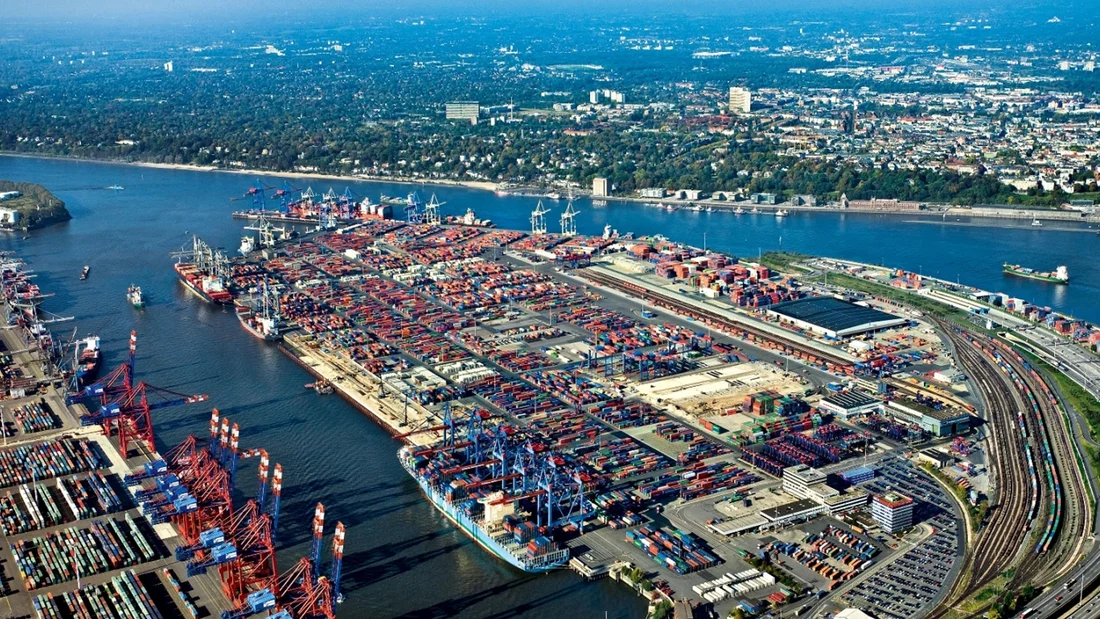
The image shows an expansive aerial view of a busy container port with numerous cranes, cargo containers, and shipping vessels. A nearby urban area and rail connections highlight the integration of maritime and inland logistics.

On 5 July 2023, Regulation (EU) 2023/1804 on sustainable maritime fuels, known as FuelEU Maritime, was published in the Official Journal of the European Union. This regulation introduces a comprehensive regulatory framework to reduce greenhouse gas (GHG) intensity in maritime transport, an industry that now faces significant challenges in transitioning to a more sustainable and environmentally friendly model.

In recent months, there has been growing attention to sustainability regulations in maritime transport, with a proliferation of conferences and specialized publications in this field. However, even the most experienced in the sector cannot fully foresee the profound changes that the implementation of regulations such as FuelEU Maritime will bring. These regulations, designed to drive the transition to more sustainable fuels and operations with lower environmental impact, are intended to transform the operating model of maritime transport at all levels.

The demand for reduced emissions and the adoption of innovative technologies will mean that many current practices will be replaced by more efficient and sustainable approaches in the near future. This will not only redefine the way in which maritime transport is carried out, but also the skills required to operate in this sector.

The FuelEU Maritime Regulation: Key Aspects

Effective January 1, 2025, the FuelEU Maritime Regulation mandates a gradual reduction in GHG intensity for energy used by ships. The regulation applies to:

  • All ships of 5,000 gross tonnage and above, regardless of flag, when calling at ports within the European Economic Area (EEA).
  • Both EU and non-EU shipping operators, covering emissions from voyages to, between, and from EU ports, as well as at-berth activities.
  • Monitoring and reporting of GHG emissions, including CO2, nitrous oxide (N2O), and methane (CH4), starting January 1, 2024.

Key stakeholders impacted by the regulation

The regulation significantly affects two main groups:

  1. Shipowners
    • Responsible for compliance with regulations under the International Safety Management (ISM) Code.
    • Must ensure their operations adhere to the emission limits set by the regulation.
  2. Charterers (Time charterers)
    • Typically responsible for procuring fuel and making operational decisions that impact emissions.
    • Must manage fuel-related compliance during the charter period.

The impact of this regulation is universal, affecting global shipping companies and logistics operators alike. For instance, companies like Maersk are already investing in green fuels and innovative technologies to meet these regulatory objectives and lead the sustainable transition.

The Role of the BIMCO FuelEU Maritime Clause

In response to these regulatory challenges, BIMCO has developed the FuelEU Maritime Clause for Time Charter Parties 2024, which aims to:

  • Define the obligations of both shipowners and charterers.
  • Enable charterers to manage compliance strategies, such as pooling, banking, or borrowing GHG credits.
  • Ensure shipowners fulfill their regulatory responsibilities.

The primary responsibility for compliance lies with the shipowner or the designated “company” under the ISM Code, which could include ship managers or bareboat charterers. However, charterers, under time charter agreements, typically handle fuel procurement and operational decisions that affect emissions. This makes it critical for both parties to adopt the FuelEU Maritime clauses to allocate responsibilities clearly and mitigate potential risks.

For charter parties, specific clauses addressing the FuelEU Maritime Regulation are essential to avoid ambiguities that could lead to disputes. For example:

  • Emission monitoring obligations: Specify which party is responsible for monitoring and reporting emissions data to authorities.
  • Fuel procurement: Define the quality and type of fuels to be used during the charter period, ensuring compliance with regulatory requirements.
  • Cost allocation: Address how costs associated with emissions reductions, such as purchasing low-carbon fuels or GHG credits, are to be shared between the parties.

Practical milestones for implementing FuelEU Maritime Clauses in contracts

  • 2024: Integrate BIMCO FuelEU Maritime Clause into all new charter parties to define responsibilities for emissions and fuel compliance.

  • Early 2025: Implement MRV (Monitoring, Reporting, Verification) systems for GHG emissions (CO2, CH4, N2O) on ships over 5,000 GT.

  • Mid-2025: Conduct audits to ensure obligations under contracts and regulations are being met.

  • 2026: Secure contracts for low-carbon fuels like biofuels or e-methanol to support charterer obligations.

  • 2030: Retrofit vessels and optimize operations to meet the 20% GHG reduction target.

Key takeaways

  • Define roles and responsibilities clearly in contracts, particularly in charter parties,  to address compliance requirements effectively. 
  • Mitigate risks by incorporating clauses that address potential penalties for non-compliance.
  • Review and adapt existing contracts to align with the new regulatory demands.

At our law firm, Marlin Blue, we specialize in helping shipping companies, charterers, and logistics operators align their contracts with evolving regulatory demands. From integrating the BIMCO FuelEU Maritime Clause into your charter parties to conducting compliance audits, we offer tailored legal solutions to safeguard your operations and mitigate risks.

Don’t leave your compliance to chance. Contact us today for expert legal advice on ensuring your contracts meet the requirements of FuelEU Maritime

How the CBAM will impact maritime operators and Agents in 2025

The image shows a conveyor system efficiently loading white granular fertilizer onto a vessel or barge at a port under bright sunlight. The operation highlights bulk cargo handling in global fertilizer shipping.

At Marlin Blue, we analyze the key strategies that maritime operators and agents must adopt to meet Carbon Border Adjustment Mechanism (CBAM) requirements.

We will discuss a topic that is shaping a turning point in the fight against climate change: the CBAM.

What is the CBAM?

The CBAM is the EU’s climate tariff policy designed to equalize the cost of emissions between EU-produced goods and imports.

To understand CBAM, we need to look back at the adoption of the “Fit for 55” package, the most ambitious climate legislative package in European history. This set of 17 directives and regulations aims to accelerate compliance with the Paris Agreement by reducing greenhouse gas emissions by 55% by 2030 compared to 1990 levels.

Within this package, CBAM stands out as a central mechanism. Its purpose is clear: to align environmental standards for imported goods with those of EU-produced items, safeguarding the bloc’s competitiveness and decarbonization goals.

CBAM applies to imports of carbon-intensive products, initially targeting sectors like:

  • Iron and steel
  • Aluminum
  • Cement
  • Fertilizers
  • Electricity

As it evolves, it is expected to expand to include additional goods, such as chemicals and manufactured products with high emissions.

In 2025, CBAM enters its transition phase. During this period, companies importing products like steel, aluminum, cement, fertilizers, and electricity into the EU will be required to report the carbon emissions associated with their production processes.

How CBAM works

CBAM operates on three fundamental pillars to promote sustainability and fair competition in global trade. These principles ensure the alignment of carbon costs for imports and EU-produced goods while fostering transparency.

1. Aligning EU Emissions Trading System (ETS) Costs

CBAM establishes a carbon cost for imports, mirroring the costs faced by EU producers under the EU Emissions Trading System (ETS).

  • Encouraging emission reductions: By applying a carbon cost to imports, CBAM incentivizes manufacturers in non-EU countries to adopt cleaner production technologies to remain competitive in the EU market.
  • Ensuring fair competition: Without CBAM, imported goods could undercut EU-produced goods, as foreign manufacturers often avoid carbon costs. CBAM ensures that all goods, whether produced domestically or imported, compete on equal terms.
  • Replacing free allowances: Until now, EU industries have benefited from free emission allowances under the ETS to prevent production relocation to countries with weaker regulations. CBAM gradually replaces these allowances, maintaining competitiveness while promoting sustainability.
    Example: Producing a ton of fertilizer in Europe costs €110 due to ETS carbon pricing. An equivalent ton imported from China incurs a CBAM charge reflecting the same carbon cost, leveling the playing field and encouraging global adoption of greener practices.

2. Border Tax Adjustment

CBAM introduces a financial adjustment for imported goods to align their production costs with EU standards, discouraging production shifts to countries with lenient climate regulations.

  • Balancing Production Costs: Carbon pricing for imports ensures that foreign products do not enjoy an unfair advantage over EU goods due to lower environmental standards.
  • Encouraging Cleaner Practices Globally: By applying equivalent carbon costs, CBAM motivates non-EU manufacturers to adopt sustainable production methods to remain competitive.
  • Practical Impact: If non-EU manufacturers adopt low-carbon technologies, their products face lower CBAM charges, creating a direct incentive for sustainable practices.

3. Reporting and Certification Requirements

The CBAM framework ensures transparency and accountability by requiring importers to report emissions data accurately and purchase certificates that reflect the carbon footprint of their goods. This process aligns imported products with the EU’s carbon pricing standards and consists of two integrated steps:

1. Emission monitoring and reporting

  • Importers must monitor and provide detailed reports on the carbon emissions associated with their goods’ production.
  • These reports must follow EU-approved methodologies to ensure consistency and reliability.
  • The data serves as the basis for calculating the carbon cost applied to imported goods.

2. CBAM certificate acquisition

  • Importers are required to purchase certificates corresponding to the carbon emissions embedded in their imports.
  • The cost of these certificates is directly tied to the EU Emissions Trading System (ETS) market rates, ensuring imports carry the same carbon burden as EU-produced goods.

Transition Phase (2025-2026)

The CBAM will be implemented gradually to allow businesses and stakeholders to adapt to its requirements. This transitional phase focuses on emissions reporting without imposing financial obligations, paving the way for full implementation in 2026.

1. Gradual implementation timeline

  • 2025–2026 Transition Phase:
    • Importers are required to report carbon emissions associated with their products.
    • No CBAM certificates need to be purchased during this period.
  • 2026 Full implementation:
    • The purchase of CBAM certificates becomes mandatory, aligning imports with the EU’s carbon pricing structure under the Emissions Trading System (ETS).

2. Obligations during the transition

  • Importers must submit detailed reports on the carbon emissions embedded in their goods.
  • Financial obligations, such as certificate purchases, will not apply during this phase.
  • This period allows stakeholders to:
    • Test and refine their emissions tracking and reporting systems.
    • Provide the EU with critical data to optimize the CBAM mechanism.

3. Preparing for full implementation
To ensure compliance with CBAM after 2026, businesses should take proactive measures, including:

  • Establishing emissions tracking systems: Implement robust systems to monitor and report carbon emissions effectively.
  • Conducting supply chain audits: Evaluate suppliers and processes to ensure imported goods meet CBAM’s transparency standards.
  • Updating contracts and pricing models: Adjust agreements and pricing structures to reflect CBAM-related costs and compliance obligations.

Implications for Maritime Transport

Here are 10 concrete implications of the CBAM for maritime transport:

  1. Bulk carriers transporting CBAM-regulated goods like fertilizers and cement will need to provide detailed emissions data for imported goods.
  2. Shipping routes and freight agreements may shift as importers seek cost-effective solutions for sourcing compliant materials.
  3. Freight contracts may require adjustments to account for CBAM-related costs and compliance obligations.
  4. Freight operators will need to collect and submit emissions data for cargo, adding complexity to operational workflows.
  5. CBAM costs could increase charterers’ expenses as importers pass on the financial burden of purchasing certificates.
  6. Charter agreements will need to include specific clauses addressing CBAM compliance, reporting, and potential delays.
  7. Supply chain strategies may shift, with importers favoring CBAM-compliant suppliers, potentially reducing demand for certain trade routes.
  8. Specific vessel types, such as bulk carriers and tankers, may experience fluctuations in demand based on the carbon intensity of their cargo.
  9. Non-compliance with CBAM requirements could expose shipowners to legal and financial liabilities.
  10. Shipping companies investing in decarbonization strategies and transparent emissions reporting may gain a competitive edge in CBAM-compliant trade.

Implications for Marine Insurance

The CBAM introduces new reporting obligations and cost structures, which may increase risks in supply chains, such as delays or non-compliance penalties. Marine insurers will need to account for these emerging risks in their coverage terms.

  1. Penalties for reporting failures, legal disputes, and delays caused by CBAM-related compliance requirements are critical risks insurers must address.
  2. Transporting CBAM-regulated goods like steel, aluminum, fertilizers, and cement will likely result in increased premiums due to compliance complexities and financial risks.
  3. Insurance contracts will need revisions to include liabilities related to emissions reporting inaccuracies, additional freight charges, and CBAM-related contractual disputes.
  4. Claims for delays or cargo losses may now include CBAM-related expenses, particularly if contractual obligations assign these costs to operators or charterers.
  5. Supply chain disruptions caused by documentation errors or CBAM compliance delays could lead to an increase in claims for operational setbacks.
  6. Disputes over CBAM-related compliance costs or misreporting in contracts may result in higher demand for legal expense insurance.
  7. New insurance products will need to address CBAM-specific risks, such as penalties for non-compliance, disruptions in supply chains, and errors in emissions certificate management.
  8. Underwriters must assess compliance with CBAM regulations, focusing on emissions reporting accuracy, operational transparency, and the financial stability of insured entities.
  9. The operational and financial challenges posed by CBAM compliance will drive insurers to recalibrate pricing models for policies covering CBAM-regulated goods.
  10. CBAM may lead to increased fraudulent cargo documentation, as suppliers attempt to hide the true origin of goods to bypass compliance requirements.

FAQS

Q1: How does CBAM affect shipping contracts and agreements?
CBAM introduces additional costs and compliance requirements that must be incorporated into charter agreements, freight contracts, and other legal documents to avoid disputes.

Q2: Will CBAM increase premiums for transporting certain goods?
Yes, premiums for transporting CBAM-regulated goods like steel, aluminum, fertilizers, and cement are expected to rise due to heightened compliance risks and reporting obligations.

Q3: How can marine insurers help clients adapt to CBAM?
Insurers can offer tailored coverage solutions for CBAM-specific risks, provide guidance on compliance strategies, and incentivize decarbonization through reduced premiums.

Q4: What happens if CBAM-regulated goods are delayed during transport?
Delays caused by CBAM-related compliance or documentation issues could result in financial losses, claims for additional costs, and contractual penalties.


Request a consultation on contracts, agreements, and tailored legal advice to ensure compliance and mitigate CBAM-related risks.

3 Subrogation Cases That Reached the European Court of Justice

The image shows the Safe Caledonia offshore rig in operation, situated in a rough sea environment. The rig features a semi-submersible platform connected to a stationary offshore oil installation.

In 2013, an Austrian insurer, Allianz Elementar Versicherungs AG, indemnified its policyholder for damages incurred during a cross-border road transport operation. The insurer then sought to subrogate against the carrier, BGL, alleging gross negligence under the CMR Convention, specifically invoking Article 29. The carrier relied on the liability limitations under Article 23 of the CMR, which restricts compensation for lost or damaged goods to specific amounts based on the weight of the cargo. However, the insurer contended that the carrier had acted with gross negligence, which, under Article 29, removes the right to invoke these liability limits.

The case ultimately reached the European Court of Justice (ECJ) due to the following contentious issues:

  1. Divergent interpretations of gross negligence: Proving gross negligence or intent under Article 29 is often contentious and requires substantial evidence, leading to prolonged legal battles.
  2. Jurisdictional complexities: The cross-border nature of the transport raised questions about the uniform application of the CMR Convention versus national laws. Both Austrian and foreign legal frameworks potentially influenced the outcome.

The court’s findings emphasized the challenges of proving intent or gross negligence. Insurers pursuing subrogation must:

  • Carefully document and investigate the circumstances of the loss.
  • Be prepared for disputes over the applicability of liability limitations.
  • Understand jurisdictional variations in interpreting international conventions.

The case of BGL v. Allianz Elementar Versicherungs AG  underscores the inherent challenges in subrogation rights and disputes under international conventions such as the CMR. For insured parties, this case reinforces the need for clarity in contracts and careful choice of carriers. Transporters, on the other hand, must ensure strict adherence to operational and safety protocols to avoid allegations of gross negligence.

Another case we would like to mention is the case of Caledonia North Sea Ltd. v. London Bridge Engineering Ltd. (2002). This high-profile case from the House of Lords in England dealt with the interaction between subrogation rights and contractual indemnities. The dispute arose after an accident on an offshore oil rig, where Caledonia North Sea Ltd. sought to recover damages from London Bridge Engineering Ltd., the contractor responsible for maintenance work.

The insurer, subrogated to Caledonia’s rights, pursued recovery from the contractor. However, the contractor argued that the subrogation claim was invalid due to a contractual indemnity clause, which limited their liability for damages.

The court ruled that subrogation rights could be restricted or nullified by explicit contractual terms. This case highlighted the critical need for insurers to review and understand indemnity clauses in contracts involving their insured parties.

  • For insurers: Always review contracts to identify indemnity clauses that may restrict subrogation rights.
  • For insured parties: Negotiate balanced indemnity clauses to preserve the ability to claim from responsible third parties.
  • For contractors: Ensure contracts include clear liability limitations to avoid unexpected exposure.

This case remains a key reference for the interplay between subrogation and contractual indemnities, particularly in industries like oil and gas, where contractual frameworks are heavily detailed.

The final case we discuss in this article, Marc Rich & Co AG v. Port East London Authority, was decided by the ECJ and serves as a significant reference for subrogation rights under international maritime law. The dispute revolved around a cargo of oil lost during transit, and the insurer, subrogated to Marc Rich & Co AG’s rights, sought recovery from the port authority for negligence in handling the cargo.

The case primarily centered on the Hague-Visby Rules, which govern liability for cargo damage in maritime transport. Marc Rich & Co AG argued that the port authority’s negligence caused the loss and sought compensation beyond the liability limits prescribed under the Hague-Visby Rules. The port authority contended that their liability was limited under the Rules and that the subrogated insurer had no grounds to claim beyond these limits.

The ECJ had to address two major points:

  1. Applicability of liability limits: Whether the Hague-Visby Rules allowed the port authority to limit their liability despite allegations of negligence.
  2. Subrogation rights of insurers: Whether the insurer, stepping into the shoes of Marc Rich & Co AG, could claim damages exceeding the limitations of the Rules.

The court ruled that while the Hague-Visby Rules establish clear liability limits, those limits could be challenged if gross negligence or willful misconduct by the carrier or port authority could be proven. For insurers, the case reinforced the importance of understanding the scope and exceptions of international conventions when pursuing subrogation claims.

This case remains a critical example of how subrogation claims interact with international conventions and the challenges insurers face in navigating those frameworks.

Key Takeaways

These three cases we mention in this article are hough often cited in English and international maritime law contexts,

For insurers:

  • Conduct comprehensive investigations to build strong cases for subrogation.
  • Review and negotiate policy wordings to address potential indemnity restrictions.
  • Stay informed about international conventions and their exceptions to strengthen recovery strategies.

For insured parties:

  • Clarify contractual obligations and liability terms to minimize risks in transport or service agreements.
  • Carefully select carriers, contractors, or port operators based on their compliance with safety and liability standards.

For third parties (Carriers, Contractors, Port Operators):

  • Understand liability limits under international conventions and maintain strict compliance with industry standards.
  • Negotiate balanced indemnity clauses to avoid unexpected exposure to subrogation claims.

Do you need expert guidance navigating complex subrogation claims or understanding your rights under international conventions? Contact us today to ensure your interests are fully protected and your claims are handled effectively

Claims Subrogation in Cargo Insurance: From Claim to Recovery

The image shows a port worker wearing a safety vest and hard hat standing on a dock, observing a large crane loading or unloading shipping containers. Several containers and a cargo ship are visible in the background.

What is Subrogation in Cargo Insurance?

Cargo insurance is designed to cover the risks associated with transporting goods by sea, air, road, or rail, providing compensation to cargo owners for losses. In this sector, claims subrogation is a common term used to refer to the legal process by which an insurer, after compensating the policyholder for a covered loss, assumes the rights of the insured to seek recovery from the party responsible for the loss.

Once the insurer indemnifies the policyholder, the recovery process begins. The insurer leverages legal and contractual rights to pursue the responsible party, which could include carriers, warehouse operators, freight forwarders, or other third parties. This recovery process involves detailed investigation, formal demands, negotiation, and, when necessary, legal action to enforce accountability and recover the indemnified amount.

Subrogation rights are often defined by contractual agreements and the jurisdiction governing the insurance policy. For example:

  • Under English Law: Subrogation rights are implied within the Marine Insurance Act 1906, which provides a comprehensive framework for insurers to recover losses.
  • Under Spanish Law: Article 43 of the Ley de Contrato de Seguro explicitly governs subrogation, requiring the insurer’s right to be formally acknowledged in indemnity receipts.

In both cases, the principle is clear: once an insurer pays a claim, it gains the legal right to recover the loss from responsible third parties.

Why Subrogation Matters

Subrogation is particularly vital in the logistics and freight forwarding industry. Here, goods pass through multiple hands—carriers, warehouse operators, and port authorities—each of whom may bear some responsibility for cargo damage or loss. Claims subrogation ensures that accountability is traced back to the liable party.

The nature of international trade means that claims subrogation can arise from a variety of incidents. Below are the most frequent scenarios in which subrogation plays a role:

  1. Cargo Damage
    When goods are damaged during transit or handling, insurers can recover compensation from responsible parties like carriers or warehouse operators.
  2. Theft
    If goods are stolen during transit or while in storage, insurers may pursue recovery from liable parties, such as carriers, warehouse operators, or port authorities, depending on where the theft occurred and who was responsible for safeguarding the cargo.
  3. Shipping Delays
    If delays cause financial losses for the insured, insurers may pursue recovery from freight forwarders, port operators, or other logistics providers.
  4. Lost Cargo
    Missing shipments in the supply chain may lead insurers to recover losses from shipping companies or subcontractors involved in transportation.
  5. Warehouse Incidents
    Loss or damage occurring in storage facilities can result in claims against warehouse operators or their subcontractors.
  6. Carrier Negligence
    Improper handling, insufficient maintenance, or failure to comply with shipping protocols often leads to subrogation claims against carriers.
  7. Third-Party Liability
    Claims may arise from incidents involving customs brokers, dockworkers, or other third parties in the logistics process.

How Does Claims Subrogation Work in Cargo Insurance?

Below are the key circumstances under which subrogation rights are activated, along with detailed explanations.

2.1. Activation of Subrogation Rights Through Payment

When the insurer compensates the policyholder for the loss, subrogation rights are activated. This payment is the trigger that allows the insurer to step into the policyholder’s position and pursue recovery from the responsible third party.

Without this payment, there’s no legal ground for subrogation. The Indemnity and Subrogation Receipt formally acknowledge the transfer of rights.

2.2 Legal or Contractual Basis for Subrogation

When permitted by law or specified in the contract, this provides the legal or contractual right to subrogate. In the UK, subrogation arises under common law and is typically included in policies as part of the right of indemnity. In Spain, Article 43 of the Ley de Contrato de Seguro requires that the insurer’s right to subrogate be explicitly stated in the indemnity receipt, setting the legal grounds for recovery. Without this legal or contractual foundation, subrogation is unenforceable.

2.3. Demonstration of a Liable Third Party

When the party pursuing the claim can demonstrate the responsibility of a third party for the loss of cargo. If there’s no clearly identifiable liable third party (e.g., a carrier, freight forwarder, or handling agent), recovery isn’t possible because there’s no one to pursue for the claim.

2.4. Protecting the Policyholder’s Other Rights

When there’s no interference with the policyholder’s other rights. The subrogation process must not affect the policyholder’s other rights, such as their right to file a separate claim independently.

2.5. When waiver of subrogation clauses are present.

A waiver of subrogation clause can limit or completely negate the insurer’s right to pursue recovery against a third party. These clauses are commonly included in contracts to prevent one party from seeking reimbursement from the other for certain losses, even if subrogation rights would otherwise exist. In the presence of a waiver of subrogation, the insurer is contractually barred from exercising its right of subrogation, even if indemnity has been paid. These factors significantly influence the scope of coverage and the potential recovery process following a claim.

This highlights the importance of thoroughly reviewing contractual agreements before initiating a subrogation claim.

2.6. Payments by Interested Third Parties

When payment is made by a party with a vested interest in fulfilling the obligation, except where confusion arises regarding the portion covered.

Subrogation is allowed for a third party with an interest in ensuring the debt is paid (e.g., a guarantor). However, if there are multiple debtors, there may be ambiguity about which portion of the debt is subject to subrogation.

2.7. Legal Exclusions

When legal exclusions don’t apply.

Subrogation may be restricted by law if exercising this right would harm the insured. Under Article 43 of the Ley de Contrato de Seguro, subrogation cannot proceed against close family members of the insured or if the insured themselves caused the damage, except in cases of willful misconduct (dolo).

Understanding legal exclusions is crucial. Attempting to subrogate in cases where exclusions apply can invalidate the claim and damage client relationships.

2.8. Role of Loss Adjusters in Subrogation

When the claim is managed by a loss adjuster on behalf of the insurer

A loss adjuster or claims manager, such as Marlin Blue, can initiate the subrogation process when authorized by the insurer. This is particularly effective in complex claims where specialized knowledge is required.

Acting as the insurer’s representative, Marlin Blue can efficiently handle subrogation claims, leveraging industry expertise to pursue recovery against the liable third party, streamlining the entire process.

2.9. Adherence to Policy Limits

The indemnity payment must adhere to the coverage limits outlined in the insurance policy. If the payment exceeds these limits or is made without proper coverage, the insurer may need to pursue a recovery action instead of subrogation.

Ensuring that the indemnity payment aligns with the policy limits is critical for the validity of subrogation. Exceeding coverage limits could lead to disputes and jeopardize the right of recovery.

Challenges in Claims Subrogation

Despite its importance, subrogation is not without challenges. Key obstacles include:

  1. Jurisdictional Differences: Laws governing subrogation vary widely, creating complexity in cross-border claims.
  2. Multiple Liable Parties: In logistics, several parties may share responsibility for a loss, complicating recovery efforts.
  3. Waiver of Subrogation Clauses: These contractual provisions can limit or negate an insurer’s recovery rights.
  4. Insufficient Evidence: Successful recovery hinges on proving liability. Without clear evidence, subrogation claims may fail.
  5. Time Constraints: Many jurisdictions impose strict deadlines for filing subrogation claims.

FAQ sobre Subrogación de Reclamos en Seguros de Carga

What Rights Does an Insurer Gain After Paying a Claim?
The insurer gains the right to pursue recovery from the liable third party under the insured’s name.

What Happens If the Insured Receives Additional Payments After Indemnification?
The insurer may be entitled to recover any excess compensation received by the insured.

How Do Local Laws Impact the Subrogation Process?
Local laws may define how subrogation rights are exercised, including limitations on claims against specific parties.

Subrogation vs. Compensation: What’s the Difference?
Subrogation is the insurer’s right to recover losses from a third party, while compensation is the indemnity payment made to the insured for their loss.

At Marlin Blue, we specialize in managing the entire claims subrogation process, from negotiating with responsible parties to initiating legal actions when necessary. 

Whether you’re dealing with complex cargo claims, navigating waiver of subrogation clauses, or requiring support in cross-border logistics disputes, we’re here to help. 

Waivers of subrogation clauses in Marine Insurance

The image shows stacked cargo containers, including refrigerated containers (reefers), on a ship deck, with a crane above under a partly cloudy sky. The containers are securely fastened, ensuring safe transportation.

Waivers of subrogation are contractual provisions where an insurer agrees to forgo its right to recover losses from a third party that caused the damage. In liability management, this clause ensures that the measures taken by the insured or the insurer to save, protect, or recover insured property do not create additional legal disputes.

In simpler terms, it allows both parties to act in good faith to protect the subject matter without influencing their legal standing in a claim. This makes the waiver clause a fundamental aspect of claims management in marine policies.

In this article, we’ll explain what a waiver of subrogation is, how it works, and why it’s a critical element in marine insurance contracts, such as charter parties, shipbuilding agreements, and freight forwarding arrangements.

Subrogation in Marine Insurance: Understanding Waivers

Subrogation occurs when your insurance company, after paying a loss, steps into your legal rights to recover financial damages from a responsible third party.

Practical applications of subrogation waivers in hull and cargo insurance:

1. Hull Insurance

Waivers of subrogation are frequently included in hull insurance policies to protect owners and operators from insurance disputes that may arise in joint ventures, time charters, or bareboat charters. These clauses facilitate smoother operations by minimizing legal conflicts between parties involved in the ship’s operation.

2. Recoveries and Claims Management

In high-value claims involving multiple stakeholders, waiver clauses directly influence insurance recoveries. By agreeing not to pursue recoveries from partners or affiliates of the insured, insurers simplify the claims process and promote commercial harmony.

3. Cargo Insurance 

In cargo loss scenarios, subrogation waivers may apply under specific terms of the ICC clauses (Institute Cargo Clauses). These waivers are often negotiated to prevent conflicts among carriers, freight forwarders, and cargo owners.

This is a standard practice in contracts governed by the ICC or laws such as the Marine Insurance Act 1906. Under the ICC, the right of subrogation is implicitly granted to insurers. This means that after compensating the assured, the insurer can seek to recover part or all of the loss from another party, if that party is partially responsible. For instance, in marine insurance — particularly in cargo insurance — subrogation allows insurers to hold third parties, such as carriers or logistics providers, accountable for damages.

A waiver of subrogation alters this dynamic. What happens when this right is waived?

In cases where subrogation is waived, insurers lose the right to seek recovery from a third party, such as the carrier named in a Bill of Lading (B/L),  even if the third party is at fault.

What is a Waiver of Subrogation?

A waiver of subrogation, often referred to as a “sub waiver,” is an agreement where the insurer forfeits its right to seek recovery from a third party responsible for a loss.

This type of agreement is typically included in contracts as part of comprehensive liability management strategies between two or more contracting parties. It is commonly added as a clause in contracts across industries that involve shared risks or overlapping responsibilities.

Key features of waivers of subrogation:

  • Liability Waiver: Limits the insurer’s right to sue third parties for reimbursement.
  • Risk Allocation: Ensures all parties share risks equitably without cross-claims or disputes.
  • Third-Party Liabilities: Reduces cascading legal actions in complex contracts involving multiple stakeholders, such as carriers and stevedores.

An example of a waiver of subrogation clause:

“The Insurer agrees to waive any right of subrogation it may have against any carrier, freight forwarder, or other third party responsible for the loss of or damage to the insured goods, provided that such waiver has been agreed upon in writing by the Insured prior to the occurrence of the loss or damage.”

In industries such as construction, waivers of subrogation are used to prevent disputes between contractors, subcontractors, clients, and other involved parties. By including this clause, parties agree to rely solely on their insurance policies, avoiding litigation and potential financial conflicts.

In the maritime sector, a waiver of subrogation helps to avoid disputes between carriers, cargo owners, and other stakeholders involved in shipping operations. This ensures that claims processes run smoothly without triggering additional legal actions between involved parties.

For example, imagine you are the owner of a shipping company, and cargo onboard one of your vessels is severely damaged during transit. The cargo owner files a claim against your company for the damage, and your insurer steps in to pay the claim on your behalf.

Later, an investigation reveals that the port stevedores were partially responsible for the improper stowage of the cargo, which contributed to the loss. Without a waiver of subrogation, your insurer could recover a portion of the loss from the stevedores or their liability insurer.

However, if a waiver of subrogation exists, the insurer forfeits its right to seek recovery from the stevedores for their part in causing the loss. In such a case, the insurer absorbs the financial impact entirely, ensuring no further legal action is taken against the third party involved.

What is the Purpose of Waivers of Subrogation Clauses?

Including a waiver of subrogation in a contract serves several purposes:

  1. Facilitating commercial relationships: The waiver helps prevent lengthy and costly litigation between contractual parties, such as landlords and tenants, contractors and subcontractors, or joint ventures. By eliminating the insurer’s ability to seek recovery from other parties in the contract, it preserves professional relationships and avoids disruptions in ongoing business dealings
  2. Encouraging risk-sharing: A waiver of subrogation ensures that each party involved in a contract is responsible for managing their own insurance coverage and absorbing potential losses. By waiving recovery rights, the clause eliminates the need for one party to pursue compensation from others involved, fostering a collaborative approach to risk management.
  3. Meeting contractual obligations: In industries like maritime, construction, and real estate, contracts often require the inclusion of a waiver of subrogation. This ensures compliance with standard industry practices and simplifies the claims process, making it easier to resolve disputes without triggering additional legal action.
  4. Minimizing cross-claims: By waiving subrogation rights, the clause prevents one party’s insurance carrier from pursuing claims against another party to recover money paid to the insured or a third party. This reduces the risk of cascading lawsuits, which can complicate the resolution of a claim
  5. Providing clarity in claims handling: The clause ensures that any actions taken by the insured or the insurer to save, protect, or recover the insured property will not be misinterpreted. For example:
    • If the insured issues a Notice of Abandonment for a Constructive Total Loss (CTL) but later takes measures to recover the goods, these actions will not invalidate the notice.
    • Similarly, if the insurer rejects the notice and takes steps to recover the goods, it will not be considered an acceptance of the abandonment.

Risks and Challenges of Sub Waivers

While waivers of subrogation provide significant benefits, they can also introduce notable risks and challenges for insurers, insured parties, and contractual stakeholders. Below are the key considerations:

  1. Increased insurance costs: Insurers may charge higher premiums to account for the additional financial risk posed by waiving subrogation rights. Since the insurer forfeits its ability to recover losses from third parties, the overall burden of claims increases, which is reflected in higher policy costs. For example, in high-risk industries like marine insurance, this cost escalation can be significant, impacting the affordability of policies for shipowners, charterers, and freight forwarders. Additionally, insured parties may face difficulties justifying the higher premiums, especially when operating under tight budgets or in competitive markets. This cost pressure could lead some parties to seek alternative insurance arrangements, potentially compromising the overall quality of coverage.
  2. Limited recovery rights: By waiving subrogation, the insurer loses the ability to seek compensation from third parties who may have contributed to the loss. This can place a greater financial burden on the insurer, potentially impacting the insurer’s ability to offer favorable settlements or affecting the overall claims experience for the insured. In practice, this limitation may discourage insurers from actively pursuing recoveries in cases where shared liability could reduce their exposure. For insured parties, the absence of recovery efforts might lead to frustration, especially when they perceive that third parties bear some responsibility for the loss. This dynamic highlights the need for transparency between insurers and insured parties when negotiating waiver clauses.
  3. Complexity in multinational policies: In international contracts, legal requirements surrounding waivers of subrogation can vary significantly between jurisdictions. These differences may complicate the enforcement or validity of a waiver in certain regions, creating legal uncertainties for both insurers and insured parties.For instance, some jurisdictions may outright prohibit subrogation waivers in specific industries, while others may impose stringent requirements for their inclusion in contracts. This complexity can result in added administrative costs, delays in policy implementation, or disputes over the interpretation of the waiver. Ensuring compliance with local laws requires a thorough understanding of regional regulations, often necessitating legal consultation or specialized expertise.
  4. Potential for overlapping liability: In contracts with multiple stakeholders, waiving subrogation may inadvertently create scenarios where one party absorbs disproportionate risks. Without subrogation rights, insurers cannot redistribute financial responsibility, potentially leading to imbalances in liability sharing. This issue becomes particularly pronounced in complex arrangements such as joint ventures, charter agreements, or construction projects, where multiple parties share operational responsibilities. In these situations, the absence of subrogation rights may leave certain parties exposed to liabilities that exceed their initial risk assumptions, undermining the fairness of the contractual arrangement.
  5. Impact on risk management: By waiving subrogation rights, insurers and policyholders must rely on clear and effective contractual arrangements to mitigate risks. Poorly drafted agreements can lead to disputes, misunderstandings, or unintended liabilities in complex claims situations. For example, ambiguous wording in a subrogation waiver clause might create confusion about its scope or applicability, resulting in disagreements between insurers and insured parties during a claim. Furthermore, inadequate risk allocation can exacerbate financial exposure, leaving parties vulnerable to unforeseen losses. Effective risk management strategies, such as comprehensive contract reviews and detailed risk assessments, are essential to address these challenges

Frequently Asked Questions About Waiver of Subrogation

Q1: Why might an insurer hesitate to agree to a waiver of subrogation?

Insurers may be reluctant to agree to a waiver of subrogation because it prevents them from recovering losses from third parties responsible for a claim. This increases their financial exposure and may require them to raise premiums to offset the additional risk.

Q2: Why might an insured party avoid including a waiver of subrogation?

An insured party might avoid a waiver of subrogation because it can lead to higher insurance premiums or limit the insurer’s ability to recover claims costs. This may indirectly result in increased future costs for the insured.

Q3: How is a waiver of subrogation included in insurance policies under the ICC?

To include a waiver of subrogation under the ICC, the parties must agree on its terms and include a specific clause in the policy. The clause should:

  • Clearly define the third parties to whom the waiver applies (e.g., contractors, carriers).
  • Be explicitly approved by the insurer, as it limits their recovery options.
  • Align with applicable legal requirements in relevant jurisdictions.

Q4: Can an insurer deny coverage if a waiver of subrogation is not pre-approved?

Yes, insurers often require the waiver to be explicitly included in the policy or pre-approved in writing. If the waiver is not authorized, claims involving waived recovery rights may not be covered, leaving the insured exposed to additional risks.

Q5: Are waivers of subrogation negotiable?

Yes, terms can often be negotiated to align with contractual and operational requirements.

Q6: Why do insurers require a subrogation form signed by the insured in marine insurance?

In marine insurance, insurers cannot exercise subrogation rights until they have paid the claims. According to the case James Nelson and Sons Ltd. v Nelson Line Ltd. (1906), insurers do not acquire independent rights and cannot sue in their own name. For this reason, unless otherwise stipulated by the legal provisions of a country, the insured must sign a subrogation form to confirm that the insurers hold the same rights as the insured when initiating recovery actions.

Conclusion

A waiver of subrogation clause is a valuable tool in marine insurance, enabling parties to act in mutual interest while reducing the risk of adverse legal implications. However, its application varies by jurisdiction and must be carefully assessed for compliance and financial impact.

Want to dive deeper into claims management and risk mitigation strategies? Check out our services and learn how we can support your needs in claims and dispute resolution.

What is the Indemnity and Subrogation Receipt?

The image shows a large container ship navigating through calm blue seas under a clear sky. The ship is fully loaded with colorful cargo containers, leaving a visible wake in the water.

Every day, claims handlers encounter the Indemnity and Subrogation Receipt as part of the routine process of managing insurance claims. When a new recovery case is assigned, one of the first documents to consider is the Indemnity and Subrogation Receipt.

This document provides evidence that an assured claim has been settled. By signing it, the insured will release all subrogation rights to the insurer, enabling it to pursue third-party recovery.

Subrogation is a fundamental process in the insurance industry, allowing insurers to “step into the shoes” of the insured and recover losses from the responsible party.

However, subrogation can often be a complex and time-consuming process that requires:

  • Strong negotiation skills.
  • Specialized team members and a reliable network of experts.
  • In-depth knowledge of international maritime law and technical expertise in areas like hull insurance.

When a claim is managed by a loss adjuster on behalf of the insurer, such as Marlin Blue, the process of claiming against the liable party may start even before subrogation occurs. This proactive approach helps expedite the recovery process.

1. What is an indemnity and subrogation receipt?

The indemnity and subrogation receipt is a commonly used document in the insurance industry to formalize the transfer of the insured’s rights to the insurer after a compensation payment.

While most insurance policies include a subrogation clause, this receipt, a standard agreement in insurance, acts as an additional legal confirmation of the transfer of rights from the insured to the insurer.

2. What information is included in the indemnity and subrogation receipt?

The content and format of the receipt can vary among insurers, but it typically includes the following key elements:

  • Insured’s details: Name, address, and policy information.
  • Description of the incident: Details of the event, including the date and type of loss.
  • Indemnity amount: The amount paid to the insured.
  • Transfer of rights clause: A statement confirming that the insured transfers their rights to the insurer to pursue third-party claims.
  • Signature and ratification: The insured’s signature and, in some cases, notarization to ensure legal validity.

3. Risks and potential conflicts when signing a subrogation receipt

Although the document is beneficial to both parties, there are important considerations the insured should be aware of before signing:

3.1. Waiver of Additional Rights

By signing the receipt, the insured acknowledges that they have been fully indemnified and agree not to make any further claims for the same incident. This could be problematic if unexpected costs arise after the indemnity payment.

3.2. Lack of Understanding

In some cases, the insured may not fully comprehend that they are relinquishing all their rights to claim compensation. This lack of understanding can lead to disputes, especially if the insured later decides to pursue legal action against the third party responsible for the loss.

3.3. Issues with Partial Coverage

If the insured was only partially compensated (e.g., due to the application of a deductible), there could be confusion about whether they can claim the remaining amount directly from the responsible third party.

4. Frequently asked questions about the subrogation receipt

Q1. Why sign the subrogation receipt?

Signing the subrogation receipt offers several advantages for both the insured and the insurer. First, it allows for a quicker indemnity process, enabling the insured to receive payment without delays. It also shifts the responsibility of recovering the compensation amount to the insurer, sparing the insured from the complexities of legal actions against the third party. However, the insured must be aware that by signing the document, they effectively waive any right to make additional claims related to the incident.

Additionally, by recovering the compensation paid out, the insurer can mitigate the financial impact of the claims, improving the technical results of insurance companies by properly enforcing subrogation rights against liable third parties. This can potentially lead to more competitive premium rates for all its policyholders.

Q2. What happens if the receipt is not signed?

If the insured refuses to sign the subrogation receipt, the insurer may withhold the indemnity payment until the process is finalized. The signature serves as a guarantee for the insurer, allowing them to pursue recovery from third parties without the risk of additional claims from the insured. Not signing may also mean that the insured takes on the responsibility of directly recovering their losses, a process that can be lengthy, costly, and complex.

  • The insured might deny the transfer of rights, arguing that they did not understand or agree to it.
  • Conflicts could arise if the insured decides to independently sue the responsible third party, complicating the insurer’s recovery efforts.
  • The subrogation process could face challenges in jurisdictions where the receipt is a necessary formality for validating the transfer of rights.

Q3. Can the terms of the subrogation receipt be negotiated?

In some cases, it is possible to negotiate specific aspects of the subrogation receipt with the insurer.

Q4. Can you exercise subrogation rights against your own assured?

No, you typically cannot exercise subrogation rights against your own insured. If the insured party (the assured) caused the damage, it doesn’t make sense for the insurer to seek recovery from them. In principle, insurance coverage extends to losses caused by the negligence of the assured. Attempting to recoup a payment through subrogation in such cases would negate the protection provided by the insurance policy.

Q5. Should the receipt be signed if additional expenses are expected?

It is important to inform the insurer of any pending expenses before signing the receipt to ensure that all costs are considered in the indemnity payment.

Q6. What happens if the insured is not fully informed?

In some instances, the insured might not be fully aware of their rights or the implications of signing a subrogation receipt. This could lead to disputes if the insured later attempts to make an additional claim for the same loss.

Conclusion

The bottom line is that subrogation protects your economic interests while ensuring at-fault parties bear their responsibility. So, get your insured to sign a subrogation receipt and cover your bases.

While we’re at it… Why not take one step further and make sure you leave nothing to chance when it comes to your claims handling? Check out our services and find out how we help you stay afloat in the ocean of claims.

Environmental Factors in Hull Damage

The image is a collage showing various environmental factors that contribute to hull damage. It includes images of rusted bolts, corroded hulls, marine biofouling with barnacles, and rough seas impacting ships, highlighting the diverse conditions that lead to deterioration in maritime environments.

The impact of environmental factors on hull damage is inherently severe, as the deterioration of ship structures, especially steel hulls, can lead to substantial economic losses, operational disruptions, and even safety risks for crew and cargo.

This concern has been at the forefront of maritime engineering since the construction of the SS Great Britain, launched in 1843 as the first iron-hulled ocean-going ship. While this historic vessel proved the viability of iron hulls in shipbuilding, it also marked the beginning of an ongoing battle against marine corrosion. Today, vessels with steel hulls—such as tankers, cargo ships, and container vessels—continue to face these challenges, as they are highly susceptible to corrosion from constant exposure to saltwater and humidity. Meanwhile, aluminum-hulled vessels like ferries and patrol boats face accelerated material degradation in high-salinity areas, and fiberglass-hulled recreational boats require specific maintenance in tropical climates, where UV radiation weakens protective coatings.

Unlike sailing vessels that may have fewer operational hours and typically avoid heavily polluted waters, large commercial vessels operate under intense environmental exposure across various regions, amplifying their maintenance requirements. Aluminum hulls, commonly found in high-speed ferries, are especially prone to pitting corrosion in saline waters, while traditional wooden hulls used in smaller boats are vulnerable to rot and structural weakening in tropical climates. 

This variety in hull materials and vessel functions highlights the complexity of maintenance management in the maritime industry.

In light of these vulnerabilities, hull claims represent a significant aspect of risk management and operational costs in the diverse maritime industry. These claims cover various types of physical damage to a vessel’s hull and machinery, with factors such as corrosion, impact, grounding, and environmental stressors varying by hull material and vessel type. For instance, steel-hulled cargo ships and tankers are highly prone to rust and corrosion, while fiberglass boats may suffer from structural degradation due to prolonged UV exposure.

It is well-documented in scientific literature that an effective maintenance strategy for marine assets must account for climatic conditions such as temperature, relative humidity, wind speed and direction, and pollution levels. Early and targeted conservation of hulls, whether steel, aluminum, or fiberglass, is crucial, as each material responds differently to factors like corrosion, UV degradation, and biological fouling.

1. Environmental factors affecting hull damage

1. Marine atmospheric corrosion

Marine atmospheric corrosion is one of the primary causes of hull degradation in steel vessels. In oceanic environments, the continuous presence of salts, chlorides, and other corrosive compounds significantly accelerates the corrosion process. 

Key environmental factors influencing this corrosion include temperature, relative humidity, sunlight exposure, rainfall, pH levels, and airborne salt concentration. 

These particles, carried by winds and waves, settle on hull surfaces and dissolve upon contact with moisture, creating a highly corrosive saline solution. This process is particularly aggressive in warm climates and high-salinity regions, such as tropical and coastal waters, where the marine atmosphere is dense with salts and corrosive compounds.

Impact: Marine atmospheric corrosion directly affects the structural integrity of the hull and leads to increased operational costs due to the need for constant maintenance, reapplication of anti-corrosive coatings, and potential efficiency losses due to increased drag.

The image shows salt-induced corrosion on a metal boat structure. White salt deposits and rust spots are visible on the metal surface, particularly around joints and crevices where salt has accumulated.
Marine atmospheric corrosion on a metal structure due to salt buildup, highlighting the environmental effects on hull damage.
The image shows rusted bolts and metal parts with visible signs of corrosion. The rust has formed heavily on the bolts and areas surrounding them, indicating prolonged exposure to moisture or corrosive elements.
Corroded bolts showing significant rust accumulation due to environmental exposure.

2. Relative Humidity and Time Wetness

Relative humidity (RH) is expressed as the ratio of the amount of water vapor present in the air to the amount needed for saturation. When relative humidity exceeds 60%, a thin layer of moisture forms on metal surfaces, initiating corrosion. In dry air, corrosion rarely occurs; instead, humidity enables the formation of an electrolyte film on metal surfaces, facilitating the corrosion process.

In coastal or marine environments, where humidity levels are consistently high, salts and chlorides in the air adhere to the hull, combining with moisture to create a persistent, highly corrosive layer. Salts like ferrous chloride absorb moisture even from seemingly dry air, maintaining an electrolytic solution on the hull surface, which enables corrosion to continue.

When RH surpasses a specific threshold, known as the “critical relative humidity,” the rate of metal corrosion rises sharply. This threshold varies depending on the type of metal and the presence of contaminants. In clean environments, metals may not corrode even at very high humidity levels, close to 99% RH. However, in marine or polluted environments, where salts like potassium chloride (KCl) and sodium chloride (NaCl) are present, corrosion can begin at much lower humidity levels, sometimes around 35% RH for steel.

This continuous moisture presence keeps salt particles active and promotes ongoing corrosion, leading to thickness reduction and structural weakening over time. The accumulation of corrosion products, such as iron oxides and hydroxides, can further attract moisture, intensifying the damage.

According to the ISO 9223 standard, the time of wetness (TOW) is defined as the time period during which the relative humidity is in excess of 80% and the temperature is above 0 °C, and also plays a critical role. When a water layer on the surface is sufficiently thick, an electromotive force (EMF) is generated that can reach a critical value, initiating corrosion. Factors influencing the time of wetness include temperature, surface porosity, oxidation degree, grain boundaries, and surface roughness. For example, high temperatures reduce water adsorption, while rougher or more porous surfaces retain more water, raising the corrosion risk.

Typically, time of wetness is defined as the duration during which RH exceeds 80% and temperatures are above 32°C. In temperate zones, this ranges from 100 to 2700 hours per year, while in humid tropical zones, it can reach 3000 to 5000 hours annually. In regions with high time-of-wetness values, like Southeast Asia, corrosion intensifies as salt particles and moisture remain active on the hull surface for extended periods.

Additionally, water adsorption on metallic surfaces can occur in both molecular and dissociated forms. When the adsorbed layer reaches a thickness of three monolayers, it begins to resemble bulk water, reaching critical humidity levels where corrosion rates accelerate. Environmental contaminants like SO₂ can further lower this critical humidity threshold, increasing corrosion likelihood even at lower RH levels.

Impact: High humidity and prolonged wetness accelerate material degradation, especially in marine environments, necessitating enhanced preventive maintenance. For vessels in humid conditions, maintaining protective coatings, dehumidifying key areas, and conducting regular inspections are essential to mitigate corrosion and extend hull longevity.

3. Temperature Fluctuations

High temperatures accelerate chemical reactions involved in corrosion, while colder temperatures slow them down. 

However, temperature fluctuations also cause thermal expansion and contraction in the hull, leading to micro-cracks that further expose the steel to corrosive elements. Seasonal changes and geographical location are critical in determining the corrosion rate for vessels operating in diverse environments.

Impact: Repeated temperature fluctuations cause material stress and fatigue, increasing the risk of structural weakness over time.

4. Biofouling and Fouling

Marine organisms like barnacles, algae, and other biofouling agents attach to hulls, increasing drag, fuel consumption, and providing micro-environments for corrosion to thrive. This accumulation, combined with pollutants, requires frequent hull cleaning and raises maintenance costs.

Impact: Biofouling increases resistance, reduces fuel efficiency, and accelerates corrosion, necessitating regular cleaning and anti-fouling measures.

The image shows a boat hull with a heavy buildup of biofouling, including barnacles, algae, and other marine organisms. These organisms form dense clusters across the hull surface.

5. Pollutants and Chemicals

Pollutants such as industrial chemicals, oil residues, and other contaminants accelerate corrosion, particularly in ports or industrial zones where water quality is compromised. Contaminants can erode protective coatings and increase the rate of structural degradation.
Impact: Pollutant exposure heightens corrosion, demanding compliance with environmental regulations and regular protective maintenance to avoid liability claims.

6. Fog

In regions with high contamination, like some urban areas, like the cities of
Lahore and Karachi in Pakistan, fog can have a low pH (1.8-3.5), acting as a corrosion promoter. This acidic moisture accelerates the breakdown of protective coatings and increases hull corrosion rates.

Impact: Vessels in fog-prone, industrial areas are more susceptible to corrosion, especially if fog water is acidic, requiring additional protective measures.

7. Wind Velocity

Wind plays a significant role in distributing salt particles and pollutants over metallic surfaces, which can dislodge protective layers and promote corrosion. Strong winds, combined with certain structural geometries, expose hulls to increased corrosion risks.

Impact: High wind velocity facilitates pollutant transport and deposition on hulls, potentially reducing the effectiveness of protective coatings.

8. Sunlight Exposure

Sunlight exposure, especially in tropical regions, can exacerbate corrosion by heating the metal surfaces, which increases the rate of chemical reactions that contribute to corrosion. UV radiation can also degrade some coatings, reducing their effectiveness in protecting the hull from corrosion.

Impact: Prolonged sunlight exposure accelerates coating degradation and corrosion, requiring more frequent reapplication of protective coatings.

9. Seawater Temperature

Higher seawater temperatures generally increase the corrosion rate of metal surfaces. Warmer waters facilitate chemical reactions, dissolve oxygen more readily, and create conditions where salt and contaminants stay active longer on the hull.
Impact: In warm or tropical waters, corrosion rates increase, requiring reinforced maintenance and specialized anti-corrosion measures.

10. Waves

Wave action, especially in open ocean conditions, physically erodes hull surfaces. This repetitive impact wears down protective coatings and exposes bare metal to corrosive seawater and air, intensifying corrosion.

Impact: Constant wave exposure erodes protective layers, requiring maintenance to prevent extensive hull degradation.

2. Preventive measures and maintenance strategies

Below are some strategies that insurers, shipowners, and operators should consider.

  1. Hull Insurance and Exclusions
    Hull insurance policies typically cover corrosion-related damage under specific conditions. However, exclusions are common for gradual wear and tear, biofouling, and environmental pollutants. Understanding these exclusions helps shipowners avoid unexpected financial liabilities and identify preventive measures that might impact insurance terms.

  2. Technical Inspections
    Regular hull inspections are vital for detecting early signs of corrosion and other structural weaknesses. Comprehensive inspections should include thickness measurements and corrosion rate assessments to gauge the extent of damage. This data informs maintenance schedules, insurance evaluations, and cost planning, helping to identify high-risk areas and assess repair priorities.

  3. Corrosion Prediction Models
    Utilizing corrosion prediction models that incorporate environmental factors such as temperature, humidity, and salinity supports long-term maintenance planning. These models allow operators to anticipate potential areas of damage and allocate resources efficiently. For insurers and brokers, predictive data supports risk assessment and helps tailor coverage terms.

  4. Structural Health Monitoring (SHM)
    Structural Health Monitoring (SHM) systems leverage sensors to provide real-time data on hull condition, enabling the early detection of corrosion and other structural vulnerabilities. SHM is particularly beneficial for vessels in extreme marine environments, where rapid changes can intensify corrosion. By addressing issues promptly, SHM reduces maintenance costs and enhances the structural reliability of vessels.

  5. Condition-Based Maintenance (CBM)
    Condition-Based Maintenance (CBM) allows maintenance to be scheduled based on the hull’s actual condition rather than a fixed interval. Supported by SHM and corrosion prediction models, CBM optimizes maintenance costs and extends the hull’s operational life by addressing specific conditions unique to each marine region. This strategy is highly effective in adapting to varying environmental corrosion risks.

  6. Anti-Corrosion Coatings
    Applying anti-corrosion coatings is among the most effective ways to shield hulls from environmental damage. These coatings form a barrier between the steel and corrosive elements, significantly reducing corrosion rates. Regular maintenance and high-quality coatings extend hull life and reduce repair costs. Unlike smaller recreational vessels, large vessels and tankers cannot be washed frequently due to prolonged time at sea, making durable coatings essential for protection.

  7. Freshwater Washdown Systems
    Some tankers and vessels are equipped with freshwater washdown systems that rinse key areas, such as decks and salt-prone sections, while in port. These systems help to remove residual salts, reducing corrosion in vulnerable areas. For ships that cannot be washed after each voyage, this provides a strategic solution for minimizing salt accumulation and prolonging hull integrity.

  8. Scheduled Dry Docking and Maintenance
    Vessels undergo comprehensive inspections and maintenance during scheduled dry-docking periods, allowing for a complete hull cleaning, damaged coating removal, and reapplication of protective layers. Dry-docking is essential for long-term corrosion prevention but requires careful planning to minimize vessel downtime and optimize operational availability.

  9. Compliance with Environmental Regulations
    Adherence to environmental regulations, such as the IMO’s sulphur content limits for fuel, influences hull maintenance strategies by reducing exposure to pollutants that accelerate corrosion. Compliance not only mitigates environmental damage but also lowers liability risks for shipowners, who benefit from cleaner operational standards and reduced corrosion from pollutant exposure.

Conclusion

Environmental factors significantly impact hull degradation, influencing the safety, reliability, and operational costs of marine vessels.As the marine industry faces evolving environmental challenges, proactive and informed maintenance practices are key to reducing risks associated with hull damage. 

For insurers and brokers, these measures also provide a clearer understanding of potential liabilities, helping to create insurance policies that reflect real-world conditions and promote safer, more reliable marine operations.

 Safeguard your fleet and minimize hull claims. Schedule a comprehensive hull inspection with Marlin Blue’s expert team to stay ahead of potential damage and optimize your maintenance strategy. Discover how our inspections and preventive solutions can help protect your assets from environmental risks.

Contact Us for Hull Inspections and Claims Support:
📞 +34 955 283 913
✉️ info@marlinblue.com
Connect with us on LinkedIn

An introduction to Hull Claims:  Types, Process and Disputes

The image shows a large cargo ship with visible hull damage, being assisted by smaller vessels. The ship appears partially sunken, with the stern submerged lower in the water than the bow, indicating significant damage. The smaller vessels are likely involved in containment or salvage operations.

The shipping industry, which connects global trade, relies heavily on the importance of structural integrity in maritime operations. When ships suffer damage, hull claims come into play, impacting various stakeholders such as insurers, brokers, shipping lines, shipowners, and logistics contractors. 

Hull insurance is designed to protect against losses caused by damage to the vessel’s structure (hull), machinery, and associated equipment, including the coverage offered by hull insurance policies.

In this post, we will explore the key aspects of hull claims, including types of claims, the notification and settlement process, common disputes, and best practices.

What are hull claims?

Hull claims arise when a ship experiences damage, either due to operational incidents or external factors, and the shipowner or operator seeks compensation under the hull and machinery insurance policy. 

These claims are typically associated with the vessel’s structural damage, damage to machinery, or any equipment crucial to the vessel’s operation. This can include environmental damage, particularly if the vessel’s structural failure leads to a spill or hazardous materials release.

According to the International Union of Marine Insurance (IUMI), in 2023, hull claims accounted for approximately 40% of all marine claims

Moreover, the frequency and cost of hull claims have been on an upward trend, reflecting not only the risks associated with maritime operations but also the importance of proactive maintenance and thorough damage assessments

According to the International Union of Marine Insurance (IUMI), in 2024, in the latest Statistics Autumn 2024, From 2016 to 2023, the average cost of hull claims has shown an upward trend, driven by inflation, increased repair costs, and the complexity of modern machinery. This suggests that the financial impact of hull claims is becoming more significant, especially with rising material and labor costs. 

In addition, While there was a long-term downward trend in hull claims frequency before 2020, the report indicates a post-pandemic increase in claims. However, the levels remain moderate, and total loss frequency has only seen a slight rise. This highlights the resilience of the hull insurance market despite global disruptions

1.1. What are the common causes of hull claims?

Ships face various mechanical and environmental stresses that can compromise their structural integrity. Based on IUMI reports, the most common causes of hull claims include:

  • Collisions with other vessels or fixed objects like docks or port installations, often resulting in significant structural damage.
  • Fires on board, especially in container ships and RoRo (roll-on/roll-off) vessels, which have become an increasing concern.
  • Machinery failure, particularly in propulsion systems, with the growing complexity of onboard machinery contributing to higher claim frequency.
  • Severe weather damage from storms or high seas, which can affect the vessel’s hull and technical equipment.
  • Groundings, where vessels run aground, causing significant damage to the hull and sometimes the machinery, especially if salvage operations are delayed.

1.2. What types of vessels are most commonly involved in hull claims? 

The type of vessel, along with factors such as fleet aging, operational complexity, and the nature of the cargo transported, significantly influences the frequency of claims.

Ships are exposed to a wide range of mechanical and environmental stresses that can weaken their structural integrity.

According to reports from the IUMI and other authoritative sources in the maritime sector, the frequency of claims varies depending on the type of vessel. The types of maritime vessels that typically have a higher frequency of claims include:

  • Container ships
  • Roll-on/Roll-off ships
  • General cargo vessels
  • Tankers
  • Bulk carriers
  • Specialist vessels
  • Passenger ships

1.3. What are the types of damage in hull claims?

Hull claims can arise from various types of damage that affect the structure and functionality of a vessel.   

Below are some key types of damage commonly encountered in hull claims:

  • Collision damage
  • Grounding damage
  • Corrosion
  • Stress concentrations
  • Fatigue cracking
  • Fire and explosion damage
  • Impact from heavy seas (pounding)
  • Cargo handling damage
The image shows the Shinyo Ocean VLCC with a significant breach on its port side, extending from the waterline up to the deck, caused by a collision. The hull damage is extensive, with torn and crumpled metal visible.
The Shinyo Ocean sustained a massive hull breach after a collision with the LNG carrier Aseem in Fujairah anchorage, UAE (2019)

2.1. Types of hull claims

2.1. Total Loss Claims

Total loss claims represent some of the most significant and complex claims in marine insurance, arising when a vessel or cargo is completely destroyed, rendered irrecoverable, or so damaged that repair is either impossible or uneconomical.

Marine insurance typically distinguishes between two types of total loss: Actual Total Loss (ATL) and Constructive Total Loss (CTL), both governed by international maritime law and standard insurance policies.

  • ATL occurs when the insured property, such as a ship or cargo, is entirely destroyed or lost. This can happen in several ways, including the vessel sinking, being irretrievably lost at sea, or when the property is so severely damaged that it no longer exists in its insured form. ATL is recognized when the insured subject matter no longer exists or has been completely taken beyond the reach of its owners. Claims for ATL are straightforward, as the insurer is obligated to pay the full insured value of the lost property. In these cases, the insured must prove that the loss is absolute and irrecoverable.
  • CTL is declared when the cost of recovering or repairing the damaged vessel or cargo exceeds a certain percentage of its insured value, or the vessel is so damaged that it is no longer reasonable to attempt repair. CTL is often more complex than ATL, as it requires a thorough evaluation of whether the cost of recovery or repair makes economic sense. Under the Marine Insurance Act 1906 and internationally recognized marine insurance clauses such as the Institute Time Clauses (Hulls), CTL occurs when the shipowner, acting reasonably, abandons the vessel or cargo because the repair costs exceed the policy’s threshold, typically 75% or more of the insured value.

In both ATL and CTL cases, the policyholder can claim the full insured value of the vessel or cargo. However, for CTL, the insured must formally abandon the ship or cargo to the insurer, allowing the insurer to take possession of any salvageable material.

This process is known as notice of abandonment, and it is a legal prerequisite for recovering the full insured value under CTL provisions. The abandonment must be given promptly, and the insurer must accept or reject the notice based on an assessment of the loss.

Regulatory framework

Total loss claims are governed by various international conventions and national laws. The Marine Insurance Act 1906 continues to be the cornerstone of marine insurance law in many jurisdictions, establishing clear definitions and principles for ATL and CTL. For instance, under Section 60 of the Act, a CTL is defined based on whether it is reasonable to abandon the ship or goods due to the cost of repair or recovery.

Moreover, SOLAS compliance is a key factor in determining whether a vessel’s condition contributed to a total loss, particularly in cases where a vessel sinks or is otherwise lost.

Managing total loss claims 

Handling total loss claims requires a strategic approach, especially in CTL cases, where the decision to abandon must be made based on a comprehensive cost-benefit analysis. Engaging technical experts early in the process ensures that a realistic assessment of the damage and repair costs is conducted. Legal counsel is often necessary to manage the intricacies of abandonment notices, insurer negotiations, and compliance with international regulations.

Total loss claims are also subject to time limitations. According to the York-Antwerp Rules, which govern General Average and other maritime claims, there are strict time limits for filing a total loss claim, typically ranging from one to two years, depending on the jurisdiction. It is critical for shipowners and insurers to act quickly in filing claims to avoid the risk of being time-barred.

Additionally, total loss claims often involve salvage rights, particularly in cases where some of the vessel’s or cargo’s materials can be recovered. In such scenarios, salvage companies may be called upon to retrieve valuable assets, with salvage awards determined based on the value of the recovered property. If a CTL is declared and the insurer takes possession of the salvageable remains, they may choose to sell or auction the property, recovering part of the loss. Any proceeds from the salvage operation are typically deducted from the total indemnity paid to the insured.

2.2. Partial Loss Claims

Partial loss claims refer to damages sustained by a vessel or cargo that can be repaired or restored without declaring the vessel a total loss. These claims are common in the shipping industry and typically cover a wide range of incidents where the damage is limited to specific areas of the vessel or cargo, and repair is both feasible and economically reasonable.

Examples of partial loss claims include:

  • Hull fractures resulting from minor collisions or heavy weather damage, where the structural integrity of the vessel can be restored.
  • Machinery breakdown, such as engine or propulsion system failure, where individual components may need to be repaired or replaced.
  • Localized damage following a collision or grounding that affects a particular part of the ship, such as a damaged bow or stern section, without compromising the vessel’s overall seaworthiness.

In most cases, insurers will cover the cost of repairs to restore the vessel or cargo to its original state, subject to the terms of the policy.

The management of partial loss claims requires prompt action, with surveyors often appointed to assess the damage and recommend the most appropriate course of repair. Insurers will generally seek detailed documentation, including repair estimates and invoices, to ensure that the claim accurately reflects the costs incurred.

Unlike total loss claims, which may involve significant delays due to abandonment and salvage operations, partial loss claims tend to be resolved more quickly, allowing shipowners to return their vessels to operational status with minimal disruption. However, insurers may impose deductibles or other limitations based on the extent of the damage and the specific terms of the policy, meaning that not all repair costs may be fully reimbursed.

2.3. Sue and Labour (S&L)

The sue and labour clause is a standard provision found in most marine insurance policies. Its purpose is to obligate shipowners and cargo interests to take reasonable steps to prevent or minimize further damage to insured property after a loss. This provision is in the best interest of the insurer, as it helps mitigate additional losses, and the costs associated with these efforts are recoverable from the insurer.

The principle of sue and labour is governed by various international conventions and established maritime practices.

Under the Marine Insurance Act 1906, the insured party has a duty to “sue and labour” to protect the subject matter of the insurance. This entails taking reasonable and necessary measures to safeguard the vessel or cargo, such as hiring salvage services, conducting repairs, or securing the property.

The insurer, in turn, is obligated to indemnify the insured for such reasonable expenses, even if the efforts prove unsuccessful, provided they were made in good faith to avoid further loss.

The Institute Time Clauses (Hulls), widely used in marine hull insurance policies, explicitly include provisions for sue and labour. These clauses ensure that the insured is entitled to recover the reasonable costs incurred in efforts to avert or minimize a loss, separate from the insured loss itself.

Unlike a general average claim, which distributes liability across all parties involved, the sue and labour clause applies specifically to actions taken to protect the insured property, with costs solely covered by the insurer.

In practice, sue and labour expenses can cover a broad range of activities. For instance, if a vessel sustains damage during a voyage, the master may immediately engage salvage teams, arrange temporary repairs, or tow the vessel to safety. These expenses are typically recoverable under the sue and labour clause, treated as a distinct claim, separate from the general claim for loss or damage. This ensures that proactive efforts by the insured are incentivized and compensated.

Management of S&L claims

Proper management of S&L claims requires early coordination between shipowners, legal representatives, and insurers. Engaging technical survey experts to assess the situation is crucial in determining the scope of necessary measures and ensuring the steps taken are both reasonable and justified under the policy.

One key distinction of the sue and labour clause is that it applies regardless of the ultimate outcome of the main claim. Even if the insured property is subsequently deemed a total loss, S&L expenses incurred in the attempt to mitigate damage can still be recovered.

It is important to note that failure to take reasonable sue and labour actions can result in a denial of claims.

International regulations such as the York-Antwerp Rules and the Hague-Visby Rules reinforce the duty of the insured to act prudently and mitigate losses. If the insured neglects to take action when it is within their power to do so, insurers may reject the claim for the avoidable portion of the loss.

2.4. Salvage and General Average in Hull Claims

Salvage and General Average are key components in the framework of hull claims by determining how financial responsibilities are shared between shipowners, cargo interests, and insurers. These principles often result in disputes, particularly regarding cost distribution, compensation, and the justification of actions taken during emergencies. In salvage claims, the salvage company may be called upon to refloat a grounded vessel, fight fires, or tow a damaged ship to safety. The focus here is on saving the vessel’s hull and preventing further structural damage. Disputes often arise over the compensation due for these services, especially when the salvage efforts involve significant hull damage. For instance, salvors might argue for higher compensation when the hull is severely compromised, while insurers may question whether the efforts were reasonable or necessary. One example of a hull dispute is the Castor” incident in 2000, where a tanker experienced structural issues during a storm, leading to concerns over a potential break-up. Salvors were called to secure the vessel and tow it to safety, but disputes arose over the compensation for their efforts in preventing catastrophic hull failure. The case highlighted how disagreements over salvage operations involving the hull’s integrity can lead to hull claims disputes. General Average is similarly relevant in hull claims. When a ship’s hull is damaged or in danger, and extraordinary expenses are incurred to save it, General Average may be declared. For example, if a vessel encounters severe structural stress and the shipowner opts for emergency repairs to prevent further hull damage, the costs may be shared between the shipowner and insurers. Unlike cargo, the focus here is on the hull’s preservation, and the costs are distributed according to the York-Antwerp Rules. Disputes in hull-related General Average claims often center on the necessity of repairs or the extent of hull damage, with insurers and shipowners disagreeing over whether certain actions qualify under General Average. In such cases, the role of average adjusters is crucial, as they assess the value of the hull-related repairs and allocate the costs fairly among the parties involved. The Ever Given incident is now one of the most prominent recent cases in maritime law and hull claims, particularly concerning General Average and the complexities of grounding incidents in a critical maritime chokepoint like the Suez Canal.

2.5. Collision Claims in Hull Insurance

Ship collisions represent significant events in maritime operations, often triggering complex hull claims that involve legal, operational, and financial considerations. These claims involve the repair or replacement of the vessel’s hull and machinery, operational losses, and potential environmental damages. When dealing with collision claims in hull insurance, it is important to highlight the following five aspects:
  1. In most collisions, liability is shared between vessels, with each party responsible for hull repair costs based on their degree of fault. This principle ensures that the financial burden is equitably distributed.
  2. Prompt engagement of marine surveyors and adjusters is crucial for assessing hull damage and providing accurate repair estimates.
  3. Besides damage to the insured vessel, collisions often involve third-party claims, such as damage to other ships, cargo, or port infrastructure.
  4. Severe hull damage can lead to pollution, such as oil spills, which extend the scope of hull claims to include environmental liabilities. This is particularly relevant in tanker collisions, where pollution-related damages are significant.
  5. Insurers expect shipowners to take reasonable measures to mitigate further damage following a collision.
Claims and Recourse Actions Once liability is determined, shipowners typically file hull claims with their H&M insurers to recover the costs of repairs. These claims encompass not only the direct hull damage but also associated losses, such as machinery repairs and operational interruptions. In shared-liability cases, recourse actions are often pursued to recover costs from the other vessel’s insurers. For example, in tanker collisions, the International Convention on Civil Liability for Oil Pollution Damage (CLC 1969) may come into play if an oil spill occurs, making the polluter liable for environmental damages. The responsible party may then seek recourse from other involved parties if they share part of the responsibility. Additionally, it’s important to distinguish between a collision (involving two moving vessels) and an allision (where a moving vessel strikes a stationary object, such as a dock or bridge). While the principles of liability and hull claims are similar, the nature of the incident influences how responsibility and compensation are assigned.

3. Hull claims notification process

The notification of a hull claim is the foundational step in the claims process and is essential to ensuring timely resolution. Shipowners and operators must promptly inform their insurers following any incident to prevent delays or disputes over liability.

Steps in the hull claims notification process:

  1. Immediate notification to the insurer
    The first step is for the shipowner or operator to notify their Hull & Machinery (H&M) insurer as soon as the damage or loss occurs. This is usually required within 24 to 72 hours after the incident, as most policies have a prompt reporting clause. The notification is typically sent via email or through the insurer’s designated claims platform, depending on the terms outlined in the insurance contract.

  2. Preliminary incident report
    The initial notification should include a preliminary incident report that briefly describes the circumstances of the damage, such as the nature of the incident (e.g., collision, grounding, machinery failure), location, time, and potential extent of the damage. It’s also essential to provide details of any immediate actions taken to mitigate further damage.

  3. Marine surveyor appointment
    After the notification is received, the insurer will appoint a marine surveyor to inspect the vessel and assess the extent of the damage. In many cases, the shipowner or operator is responsible for ensuring that the vessel is available for inspection and that all necessary documents, including logs and maintenance records, are made accessible.

  4. Submission of supporting documentation
    The insured party must prepare and submit additional supporting documentation, which typically includes the ship’s logbook, maintenance records, photographs of the damage, repair estimates, and relevant contracts or agreements. Prompt submission of these documents can expedite the claims process.

  5. Insurer review and claim filing
    After receiving the surveyor’s report and supporting documentation, the insurer will review the findings to determine the validity and scope of the claim. Once this is complete, a formal claim must be filed within the timeline stipulated in the policy, often ranging from 6 months to a year after the incident.

  6. Mitigation of further damage
    Throughout the process, the insured must continue to take reasonable measures to mitigate further damage to the vessel, as required by the policy’s sue and labour clause. Insurers often reimburse reasonable costs incurred during these mitigation efforts.

4. Common disputes in hull claims

Disputes in hull claims often arise due to differing interpretations of the extent of damage, delays in processing, or underinsurance. Here’s a closer look at these key issues:

  • Extent of the damage: One of the most frequent disputes is whether damage is purely cosmetic or if it affects the vessel’s structural integrity. For example, small fractures in the hull may seem minor at first but could evolve into more severe issues. Insurers might challenge the shipowner’s assessment of the damage to reduce their liability, leading to lengthy debates over repair costs.

  • Causation of damage: Determining the exact cause of damage can be contentious, especially if multiple factors were involved (e.g., human error, adverse weather conditions, or machinery failure). Insurers may challenge the shipowner’s claim by asserting that the damage was caused by factors not covered by the policy, such as negligence or failure to comply with safety protocols.

  • Coverage disputes: Hull insurance policies contain exclusions, and disputes may occur if the insurer believes the claim falls under one of these policy exclusions. For instance, the insurer might argue that the damage was due to normal wear and tear, design defects, or improper maintenance, which are typically not covered by hull insurance.

  • Delays in claims processing: Delays often stem from incomplete documentation, disagreements over the cause of damage, or the involvement of multiple insurers. These delays can prolong a vessel’s downtime, increasing operational costs for shipowners. It’s critical to submit comprehensive evidence and collaborate with all stakeholders to expedite the claims process.

  • Repairs and costs: Shipowners and insurers frequently disagree on the cost of repairs. Shipowners may submit higher repair estimates than the insurer is willing to approve, or disputes may arise over the choice of repair yard, the necessity of certain repairs, or the use of specific materials. Insurers may also challenge the time taken for repairs, which affects loss-of-hire claims.

  • Underinsurance: A vessel insured for less than its market or replacement value can cause disputes if the insurer refuses to cover the full extent of the damages. This leaves shipowners with significant out-of-pocket expenses. Regularly updating the insured value of the vessel to match its current market value can mitigate these disputes.

  •  
  • Contributory negligence: In cases where the shipowner’s negligence contributed to the damage, insurers may argue that this contributory negligence reduces or invalidates the claim. For example, failure to maintain the vessel properly or neglecting to follow safety protocols can lead to disputes over the percentage of responsibility each party should bear.

  • Third-party liability: If the damage involves third parties, such as in collisions with other vessels or port infrastructure, disputes can arise over third-party liability. Insurers may seek to reduce their payment obligations by shifting responsibility to the other party, leading to protracted negotiations or litigation.

  • Interpretation of policy terms: A significant source of disputes is the interpretation of policy terms and clauses. Differences in the reading of key terms, such as “constructive total loss” or “actual total loss,” can result in disagreements about whether the claim qualifies for a full payout or only partial compensation.

Conclusion

Hull claims are a complex part of marine insurance, involving various stakeholders, including shipowners, insurers, and brokers. Success in handling these claims depends on a solid understanding of the types of claims, the notification process, and how disputes are resolved. Timely notifications, thorough documentation, and clear communication between all parties are essential for smooth claims management.

By ensuring that hull and machinery insurance is comprehensive and up-to-date, shipowners can minimize disputes and reduce the downtime of their vessels following an incident.

FAQs

Q1. What are the typical exclusions in hull insurance policies?

A1. Common exclusions in hull insurance policies include damage caused by normal wear and tear, intentional acts, and losses resulting from war or terrorism unless explicitly covered by a War Risks clause. 

Certain environmental liabilities might also be excluded, unless specifically added to the coverage. For a thorough analysis of your policy exclusions, explore the aspects of hull insurance exclusions. 

Q2. What is the difference between hull insurance and P&I insurance?

A2. Hull insurance covers physical damage to the ship and its machinery, while Protection & Indemnity (P&I) insurance covers third-party liabilities, such as injury or death of crew members, environmental damage, and cargo claims. These two types of insurance complement each other.


What are the basic types of hull damage inspections?

The image shows an underwater diver inspecting a large ship propeller. The diver is equipped with scuba gear and is closely examining the propeller's blades for damage or defects as part of a hull inspection.

Hull damage inspections within our industry are primarily concerned with the thorough evaluation of damage sustained by a vessel and its machinery, ultimately determining the compensation owed to the insured party.

To clarify, the term “hull” refers to the watertight exterior of a vessel. Whether constructed from wood, iron, concrete, or fiberglass, the hull forms a substantial surface that is in direct contact with water, acting as the first line of defense against leaks and potential flooding.

One of the major challenges faced by shipowners and operators is the preservation for safe navigation and the overall integrity of the vessel, as neglecting hull maintenance can lead to serious issues, including structural failures, costly repairs, and environmental hazards such as oil spills.

Simply by sailing, the ship’s hull experiences natural wear, including abrasions and corrosion. Repairing these damages not only enhances the vessel’s appearance but also improves its navigation efficiency by reducing friction. This allows for smoother movement, benefiting speed and displacement—key aspects in today’s booming maritime cargo and cruise industries.

Understanding the materials used in hull construction is equally important. Different materials have distinct properties and maintenance requirements; for instance, wooden hulls may require more frequent inspections for rot, while metal hulls are susceptible to rust and corrosion.

According to the International Union of Marine Insurance (IUMI), in 2023, hull claims accounted for approximately 40% of all marine claims. Moreover, the frequency and cost of hull claims have been on an upward trend, reflecting not only the risks associated with maritime operations but also the importance of proactive maintenance and thorough damage assessments.

1.Why are hull damage inspections important?

Hull damage inspections work for all types of incidents related to maritime vessels.

The primary purposes of these inspections include:

  1. Identifying damage and leak issues, detecting any damage or potential leaks before they escalate into emergencies.
  2. Preventive maintenance, with regular inspections helping to identify wear and corrosion, allowing repairs to be planned and preventing costly unforeseen issues.
  3. Extending the hull lifespan, addressing problems early to result in significant savings for operators.
  4. Regulatory compliance, as inspections are often required by maritime authorities and regulatory bodies.
  5. Meeting certification requirements, ensuring proper hull inspections to demonstrate the vessel meets safety and operational standards.
  6. Risk assessment, evaluating risks associated with vessel operation, which is essential for insurance planning and risk management.

2. Types of hull damage requiring inspection

The following are different types of damage that may require special attention during inspections, along with the methods used for identification:

  • Cracks: These may appear in various parts of the hull due to mechanical stress or adverse environmental conditions. Recommended inspection: Visual inspection and ultrasonic testing to identify internal cracks.
  • Corrosion: One of the most common issues in steel hulls, caused by exposure to saltwater and other corrosive elements. Recommended inspection: Visual inspection to identify signs of surface corrosion, along with ultrasonic or magnetic testing to detect internal corrosion.
  • Coating deterioration: Over time, paint and other protective coatings may wear away, exposing the underlying material to additional risks such as corrosion. Recommended inspection: Visual inspection to assess the condition and effectiveness of the coating.
  • Dents and deformations: Resulting from impacts or collisions, these damages may appear superficial but can affect the structural integrity of the hull. Recommended inspection: Visual inspection for deformations and, if necessary, magnetic inspections to assess internal damage.
  • Structural fatigue: Prolonged use can lead to material fatigue, resulting in structural failures. Recommended inspection: Ultrasonic inspection to evaluate structural integrity and detect potential internal failures.

For more details on common damages, check out our article on types of common hull damages.

4.Types of hull damage inspections

Hull damage inspections can be performed at three different stages:

  • Scheduled Inspection, as part of a preventive maintenance plan.
  • Post-Incident Inspection, aimed at assessing damage after an event and planning necessary repairs.
  • Risk-Based Inspection, focused on high-risk areas of the hull or vessel, based on factors like vessel age, hull material, operational environment, and damage history.

Based on the techniques applied and following standard practices in non-destructive testing (NDT), hull damage inspections can be categorized as follows:

4.1. Visual Inspection (Visual Testing – VT)

The initial step in assessing the hull is performed by eye to identify visible defects such as corrosion, cracks, deformations, other physical damage, and other surface flaws. Although basic, it is critical when combined with other non-destructive methods.  In addition to traditional methods, drone technology is increasingly being used to capture high-resolution images in a 3D environment, allowing surveyors to visualize the entire hull remotely. This approach is particularly beneficial for difficult-to-access areas, offering a safer and faster alternative to manual inspections.
The image shows a technician wearing protective gear while performing a visual inspection on a metal surface. The technician is using a flashlight to carefully examine the area for visible defects.

4.2. Magnetic Particle Testing – MT

Magnetic Particle Testing is a widely used method for inspecting ferromagnetic materials, such as steel, to detect surface and near-surface defects.

It works by magnetizing the inspection area, after which ferrous particles—either dry or suspended—are applied. These particles gather around any imperfections, such as cracks or corrosion, creating a visible indication of the flaw by distorting the magnetic field.

This technique is highly effective at identifying surface-breaking and near-surface flaws, including cracks, corrosion, porosity, and laps, making it a reliable choice for assessing the structural integrity of materials.

The image shows a technician using a magnetic particle testing device on a metal surface. The device is applied to the steel, and ferrous particles are sprayed onto the area being inspected to detect surface and near-surface defects.
Magnetic Particle Testing (MT) being used to inspect a steel surface for surface and near-surface defects.

4.3. Ultrasonic Inspection (Ultrasonic Testing – UT)

Ultrasonic Testing (UT) detects internal corrosion and invisible cracks using high-frequency sound waves. Ultrasonic Thickness Testing (UTT) measures material thickness to ensure structural integrity.

UT employs sound waves to detect internal and surface flaws and to gauge thickness in materials like steel, aluminum, glass, and composites. Skilled operators interpret the results to determine the acceptance or rejection of detected flaws.

This technique is commonly used for corrosion and erosion surveys, weld testing, corrosion mapping, and hull damage inspections.

The image shows an ultrasonic testing device being used on a metal surface. A technician is operating the equipment, which is connected to the surface to send high-frequency sound waves through the material, detecting any internal flaws or measuring thickness.
Ultrasonic Testing (UT) being used to detect internal corrosion and measure material thickness for structural integrity.

4.4. Dye Penetrant Inspection (Dye Penetrant Testing – PT)

Dye Penetrant Testing (PT) is a cost-effective method to detect surface-breaking flaws in non-porous materials, particularly in non-ferrous and non-magnetic metals like stainless steel and aluminum.

The process involves applying a visible or fluorescent dye, which penetrates surface cracks. After removing the excess dye, a developer draws the penetrant to the surface, revealing flaws for evaluation. 

This method is ideal for detecting cracks, corrosion, porosity, and surface defects, making it a valuable tool for hull damage inspections and ensuring structural integrity.

The image shows a metal cylinder with a weld that has been coated with red dye penetrant as part of a dye penetrant inspection. Various tools, including a brush and cans of developer and remover, are positioned around the inspection area.
Dye Penetrant Testing (PT) used on a metal weld to detect surface-breaking flaws.

These days, AI-powered platforms are revolutionizing hull inspections by analyzing data from drones and NDT techniques. For instance, AI software can generate coating and maintenance plans, prioritizing areas based on the extent of wear, corrosion, and structural damage. This integration helps streamline maintenance efforts and ensures compliance with regulatory standards, facilitating the class society’s evaluations.

Lastly, we will review a classification of the types of hull damage inspections, according to the area of the vessel being inspected. This classification gives us a comprehensive overview of the different areas that require attention, ensuring that each zone is thoroughly examined to identify potential issues:

  • In underwater hull inspection, divers use video or photography to examine the hull’s condition, focusing on paint, cleaning, structural damage, sacrificial anodes, and marine growth. The collected data is analyzed to help clients make informed decisions.
  • Above-water hull inspection includes checking hull welds, ballast tanks, and internal structures to identify any visible corrosion, structural deformations, or damage caused by environmental factors.
  • Ballast tank inspection involves evaluating the internal condition of ballast tanks, focusing on detecting internal corrosion, leaks, and wear, which could affect the vessel’s stability and structural integrity.
  • Hull weld inspection targets the welded joints of the hull, checking for cracks or defects that could compromise the structural strength of the vessel. It is essential for maintaining the integrity of the ship’s structure.
  • Internal structure inspection covers the evaluation of internal components such as bulkheads, decks, and other load-bearing elements of the hull, looking for signs of wear, deformation, or damage that may not be visible from the outside.
  • General vessel inspection involves draft surveys and overall vessel assessments to ensure stability, operational safety, and compliance with regulatory requirements.

3. Coordination process for hull damage inspections

The coordination process for a hull damage inspection begins with a formal request, usually initiated by the vessel’s owner, insurance company, or legal representative. Upon receiving the request, a qualified marine surveyor assesses the documentation, determining the necessity of the inspection and planning the logistics, including scheduling, vessel accessibility, and required equipment. The surveyor may also liaise with stakeholders to ensure that all legal and regulatory aspects are considered.

During the inspection, the surveyor starts with a thorough visual assessment of the hull, deck, and machinery. If deeper analysis is needed, the surveyor may employ specialized non-destructive testing methods.

Key responsibilities of the surveyor during this process include:

  • Evaluating the vessel’s overall condition and specific characteristics.
  • Identifying and documenting hull, deck, and machinery damage through detailed reports and photographic evidence.
  • Investigating liability and attributing responsibility for the damage.
  • Assessing the legal viability of the client’s case based on the inspection findings.

Following the inspection, the surveyor compiles a comprehensive damage report detailing the extent of the issues and providing recommendations for necessary repairs. This report is then discussed with the vessel’s stakeholders, after which the repairs are planned and coordinated to restore the ship’s operational safety. This coordination process ensures that all parties are informed and that damages are addressed effectively.

For more in-depth information, please refer to our detailed guide on survey coordination for hull inspections.

5. Claims management after the inspection

The results of the inspection play a crucial role in the claims management process, particularly in marine insurance claims.

The data collected during the inspection informs how claims related to the incident are processed, guiding stakeholders from the initial claim reporting phase through to the resolution. Inspection reports are key in securing compensation and providing evidence that supports or refutes liability claims.

To learn more about how inspection outcomes influence the claims handling process, please explore our claims management process for maritime incidents, which provides valuable insights into shipping claims management services.

6. Conclusion

Engaging a team of experts in inspections and claims management offers significant value in resolving disputes and obtaining fair compensation. For those facing legal challenges after an inspection, seeking professional advisory services is highly recommended.

For more information on legal support related to marine claims, visit our legal support for marine claims and disputes section, which offers a wealth of resources designed to assist in addressing legal complexities.

FAQs

Q1. Can hull damage inspection reports be used as evidence in legal disputes?

A1. Yes, our hull damage inspection reports are often pivotal in litigation involving vessel damage. The thorough documentation provided by our marine surveyors can establish the extent of damage, responsibility, and maintenance negligence, making it a valuable asset in court cases or arbitration. Our services extend to supporting legal teams in interpreting the findings for maritime disputes, ensuring that the evidence is presented clearly and effectively.
 
Q2. How can a ballast tank inspection help in supporting insurance claims or legal disputes over corrosion or leaks?
A2. A ballast tank inspection plays a crucial role in identifying internal corrosion, leaks, or structural integrity issues that can affect the vessel’s stability. Our marine surveyors provide documentation that can serve as valuable evidence in insurance claims or legal disputes. By identifying and assessing the extent of corrosion or damage, our inspection reports help establish liability and ensure that clients have a strong basis for negotiations with insurers or during legal proceedings. Additionally, we assist in preparing defenses or claims by providing expert analysis of the tank’s condition.

Q3. How does a hull damage inspection contribute to determining the scope and cost of repairs?

A3. A hull damage inspection provides insights into the extent and nature of damage to the vessel’s structure, which directly impacts the scope and cost of repairs. Our marine surveyors offer detailed reports with photographic evidence. This information is vital for shipowners and repair teams to develop accurate repair plans, estimate costs, and prioritize work. Additionally, our inspection reports support insurance claims and help minimize disputes regarding repair costs by providing clear, reliable documentation that both insurers and repair contractors can agree on.


Top 10 Common Hull Damage: Causes, Types, and Claims

The image shows the hull of the Cosco Busan container ship with a large gash, resulting from a collision with the San Francisco-Oakland Bay Bridge. The tear in the hull extends across a significant portion of the ship, exposing internal sections of the vessel.

Ship hulls endure a variety of damages over time, often due to direct impacts with foreign objects or environmental stress. These instances of hull damage can lead to significant issues if not promptly addressed.

Survey coordination in hull claims can be critical after collisions, groundings, or contact with debris, as these incidents can cause immediate and severe damage that requires prompt inspection to prevent catastrophic failure. Even the largest cargo ships, designed to withstand harsh conditions, are not immune to the powerful forces of the sea.

Recent studies highlight the growing concern among stakeholders, including insurers, brokers, and shipowners, about the integrity of ship structures. Ships’ hulls are constantly exposed to wear and tear due to extreme marine environments, making them vulnerable to damage. 

Understanding the most common types of hull defects, their causes, and effective advocacy for maritime claims management is essential for maintaining vessel integrity and avoiding costly claims. This post aims to help identify specific hull defects, explore their root causes, and offer practical solutions to mitigate the risk of further damage. It provides a comprehensive guide for maritime professionals seeking to enhance ship reliability and safety, ultimately reducing risks in hull claims.

1. What is hull damage?

Hull damage refers to any form of deterioration, impairment, or harm to a vessel’s hull—the core structural component of a ship. As the ship’s primary barrier between the vessel and the surrounding environment, the hull plays a crucial role in maintaining seaworthiness and stability. When the hull is compromised, the overall operation and safety of the vessel are at risk, potentially leading to catastrophic consequences such as flooding, sinking, or even total loss. Hull damage can occur across various types of vessels, including ocean-going ships, bulk carriers, yachts, inland ships, and motorboats.

Hull damage is typically classified into two categories:

  1. Partial Loss: This type of damage is significant but repairable. In cases of partial loss, the insurer typically covers the repair costs as stipulated by the policy terms.
  2. Total Loss: This occurs when the damage is so severe that repairing the vessel is deemed uneconomical. In such cases, the insurer compensates the shipowner for the insured value of the vessel, following a thorough assessment.

Both types of hull damage directly influence hull insurance claims and have significant implications on the vessel’s seaworthiness.

2. Types of Hull Damage

Ships are exposed to a range of stresses, both mechanical and environmental, that can weaken their structural integrity over time.

Hull damage manifests in several forms, often influenced by the type of ship, its operational environment, and the materials used in its construction. Below are the five most common types of damage to a ship’s hull: 

2.1. Holes

A hole in the hull is a breach in the vessel’s structural integrity and represents a critical issue for ship safety.

Causes of loss

Hull hole damage can result from collisions, grounding, or being punctured by sharp objects. Other contributing factors include material deterioration, corrosion, and impacts from external debris.

Risks

Holes are particularly dangerous because they allow water to enter the vessel, which can lead to flooding or even sinking if not repaired quickly. The severity of this damage is often worsened by the ship’s operating environment.

This type of hull damage is common across different types of vessels, including container ships, bulk carriers, tankers, and passenger ships. 

A ship’s operational environment, as well as the nature of its cargo, can increase the likelihood and extent of hull damage. For instance, vessels carrying bulk cargo or operating in harsh sea conditions are more vulnerable to hull deterioration due to factors like heavy loads and extended exposure to corrosive elements. 

The image depicts a large cargo ship with severe hull damage, featuring a massive hole on the port side. Several containers are crushed or hanging precariously due to the impact, with the ship's internal structures exposed through the gaping tear in the hull.
Damage to the MSC Alexandria - Image: PressTV.ir

2.2. Rupture

A rupture refers to a significant break, separation, or tear in the longitudinal or structural plates of the hull.

Causes of loss

Ruptures are often the result of severe collisions, grounding, or improper handling during cargo operations, such as loading and unloading.

These events place undue stress on the hull structure. Additionally, metal fatigue—where materials weaken after repeated stress—and manufacturing defects can lead to structural failure, causing ruptures over time.

Risks

Ruptures can lead to catastrophic situations, allowing a significant influx of water into the ship, which destabilizes the vessel and could lead to sinking. The extent of water ingress can quickly escalate into a critical situation. Therefore, early detection and immediate repair are essential to prevent further deterioration and avoid a total loss of the ship.

Common occurrences

  • Carlings of forecastle decks may experience ruptures extending through the full height of the deck.
  • A rupture can occur in the forward transverse coaming-carlings from the starboard forecastle deck.
  • Top plates of starboard coamings on the main deck, particularly in hold areas, are prone to ruptures that may extend through the full width.
  • Longitudinal stiffeners on the main deck, especially near the frame areas, may break along the entire height.
  • The forecastle deck may also experience rupture in areas such as the coaming brackets.
  • Ruptured fuel tanks can lead to significant oil spills, as demonstrated by cases where heavy oil covered coastal shorelines after a rupture.
Hull rupture causes MOL Comfort to break in half, resulting in the loss of thousands of containers.

2.3. Cracks

Cracks are a common issue in ship hulls, typically caused by material fatigue or stress concentration over time. Cracks refer to narrow gaps or fractures that form between two parts of the hull, such as hull plates, frames, or other structural components.

These cracks can appear in both the shell and framing, and often develop gradually, but if not addressed, they can pose serious risks to the vessel’s structural integrity.

Causes of loss

Cracks in the hull are often the result of a combination of factors, including:

  • Metal fatigue: Repeated cycles of stress from regular operations and environmental conditions cause the metal to weaken over time, leading to crack formation.
  • Stress concentration: Areas of the hull where stress is focused, such as near welds or joints, are more likely to develop cracks.
  • Vibrations: Constant vibrations from the ship’s engines, machinery, or rough seas can gradually weaken the hull, making it more prone to cracking.
  • Overloading: Carrying excess weight can significantly increase stress on the hull, especially in high-load areas, making it more vulnerable to damage.
  • Inappropriate design: Hulls that are not properly designed to withstand the specific conditions they face, such as rough seas or heavy loads, are more prone to cracks due to poor stress distribution.
  • Poor workmanship: Substandard construction techniques, including improper welding, can introduce weak spots that are prone to cracking under operational stresses.
  • Extensive wear and tear: Long-term use without proper maintenance can lead to cracks, as the hull becomes progressively weaker from prolonged exposure to stress and environmental conditions.

Risks
Cracks, though small initially, can rapidly expand under stress. If not addressed, they can lead to water ingress, weakening the ship’s overall structure and increasing the risk of hull failure, leading to large casualties, such as the MSC Napoli accident in 2007.

Cracks near fuel tanks or cargo holds can result in leaks or more serious damage if they develop into larger openings.

Mitigation
Any minor cracks should be addressed immediately before they grow into more severe structural issues.

  • Frequent inspections, particularly at stress points, are crucial.
  • Ultrasonic testing and radiography are effective techniques for detecting hidden cracks early, allowing for prompt intervention and repairs to prevent them from developing into major failures.
  • Regular maintenance checks with advanced technology can ensure the long-term safety and structural integrity of the vessel, reducing the risk of costly hull damage claims.

Common occurrences

  • Cracks may develop in the longitudinal coaming on the starboard forecastle deck, with lengths up to 1200 mm and openings of 45 mm, compromising the coaming’s structural integrity.
  • A crack in the starboard carling of the forecastle deck, with a length of 150 mm and an opening of 3 mm, is another common occurrence that can spread under stress.

If there are any changes in the sounding (the measurement of tank levels), this may indicate the presence of a crack or even a hole in the tank, posing a significant risk to the ship’s safety.

The image shows two examples of fatigue cracks in the hull structure of a ship. In both images, the cracks are circled to highlight their location. The first image (a) shows a marked crack in the hull measuring approximately 120mm, while the second image (b) shows a hand next to another fatigue crack for scale.
Fatigue cracks discovered in ship hulls

2.4. Dents and indentations

These twotypes of hull damage share a common aspect: they are local, permanent deflections caused by impacts. Typically, this occurs when the hull comes into contact with solid objects, but without resulting in a breach.

Let’s explain the differences between each type:

  • Dents: Dents are deep, concentrated deformations caused by heavy impacts. They typically occur when the hull collides with a solid object, such as another ship, a dock, or heavy machinery. The depth and severity of dents can compromise the structural integrity of the hull, making it less capable of withstanding future impacts.
  • Indentations: Indentations are broader, shallower deformations that do not penetrate the hull or affect its overall integrity. These are caused by continuous pressure or contact with solid objects, such as the seabed or floating debris. While less severe than dents, indentations can weaken the hull over time, particularly if left unrepaired, potentially leading to more significant issues in high-stress areas.
  • Scratches: Scratches are superficial marks caused by friction or contact with abrasive objects. Unlike dents or indentations, scratches do not cause structural deformation, but they can remove protective layers (e.g., paint or anti-corrosion coatings) from the hull, leaving the underlying metal exposed to rust and corrosion.

Causes of loss

  • Minor collisions with floating debris or docking piers.
  • Impacts from cranes or heavy equipment during loading or unloading operations.
  • Grounding incidents or sliding contact with seabeds, causing local deformation.

Risks

Even though indentations may not cause immediate breaches, they can lead to long-term structural weakening. These deformations can increase the hull’s vulnerability to corrosion and, over time, may lead to cracks or other more severe damages, especially in areas exposed to significant operational stress (such as near the waterline or around key structural elements).

Mitigation

  • Regular inspections after docking, loading, or grounding incidents to detect early signs of dents, indentations, or scratches.
  • Preventive measures during cargo handling and port operations to minimize accidental impacts from equipment or other ships.
  • Timely repairs to restore the hull to its original shape, thereby preventing long-term structural weakening and reducing the risk of corrosion.
The image shows a cargo vessel with a visible indentation or dent on its hull, located near the waterline. The damage to the ship’s hull is evident as the dent disrupts the smooth surface of the vessel’s side, indicating possible structural impact or pressure damage.
A cargo vessel with a visible dent on its hull, illustrating typical indentation damage that can compromise structural integrity.

2.5. Corrugation

Corrugation is a frequent type of hull deformation that occurs in ships, primarily caused by long-term stress and pressure exerted on the plates between stiffeners. It refers to the permanent deflection of several adjacent areas of the ship’s plating, creating a wavy or ribbed appearance.

Causes of loss

Corrugation in a ship’s hull is usually the result of a combination of operational and environmental factors, including:

  • High pressure on plates between stiffeners, especially during loading/unloading, causes gradual deflection.
  • Hydrostatic pressure at greater depths exacerbates plate deflection, particularly in ballast tanks.
  • Weak design or improper stiffening results in unsupported plates that are more prone to deforming.
  • Vibrations from machinery or rough seas can accelerate the weakening of hull plates.
  • Weld degradation in corrugated bulkheads can lead to detachment and further deformation​.
  • Corrosion in areas where welds are exposed, especially when compounded with stress, significantly increases the risk of corrugation.

Risks

Corrugation reduces the hull’s ability to evenly distribute loads, weakening structural integrity over time. Additionally:

  • Buckling may occur in severe cases, where the bulkheads lose their load-carrying capacity.
  • Water ingress is more likely in areas where corrugation affects tank plating, leading to leaks or fuel contamination.
  • Decreased hull performance: The irregular surface created by corrugation can increase resistance and reduce the ship’s hydrodynamic efficiency, leading to increased fuel consumption.

Mitigation

To prevent corrugation, early detection and corrective actions are the key.

Regular inspections, both visual and ultrasonic, are key for identifying issues in high-stress areas. Reinforcing weak spots with additional stiffeners or thicker plates restores integrity. Proper load management prevents overloading and reduces hull deformation risk. Design improvements, such as using thicker plates and closer stiffener spacing in new builds, minimize future risks. Monitoring and reducing mechanical vibrations also help prevent long-term structural damage.

Common occurrences

  • Cargo tanks are prone to corrugation due to fluctuating pressure during loading/unloading cycles.
  • Ballast tanks experience corrugation from constant hydrostatic pressure and varying load conditions.
  • Deck plating may also show signs of corrugation after long-term exposure to stress from heavy equipment or environmental conditions​.

2.6. Gashes

A gash is a large tear or cut in the hull plating, typically caused by a sharp object or a significant collision.

Causes of loss

Gashes often result from collisions with other vessels, piers, or sharp debris present in the water. Impact during operations or extreme weather events can also lead to gashes.

Risks

Gashes are particularly dangerous because they compromise the watertight integrity of the vessel, allowing water to flood compartments. This can lead to a loss of buoyancy, severe damage to cargo, or even cause the ship to sink if not addressed promptly.

Mitigation

Immediate emergency repairs should be initiated at sea to prevent further water ingress, followed by comprehensive repairs at a shipyard. Regular crew training for emergency response is essential to ensure quick action during such incidents, reducing potential damage and preventing further complications.

Common occurrences

  • Gashes often occur in the bow or stern areas of ships, especially after collisions with smaller vessels, piers, or underwater debris. These regions are more vulnerable due to their exposure during navigation and docking maneuvers.
  • Gashes below the waterline are common when vessels collide with submerged objects or reefs. The pressure from the impact can create long, deep cuts, compromising the watertight integrity of the hull and leading to flooding.
  • Large gashes may also result from high-speed impacts during severe weather conditions, where the ship is thrown against rocks or harbor walls, leading to significant hull damage.
The image shows the hull of the Cosco Busan container ship with a large gash, resulting from a collision with the San Francisco-Oakland Bay Bridge. The tear in the hull extends across a significant portion of the ship, exposing internal sections of the vessel.
A large gash in the hull of Cosco Busan after colliding with the San Francisco-Oakland Bay Bridge on November 7, 2007.

2.7. Scrapes

Scrapes refer to surface-level damage caused by contact or friction between the hull and abrasive objects. Unlike dents or indentations, scrapes do not cause structural deformation but can remove protective coatings, exposing the hull to corrosion risks.

Causes of loss

Scrapes usually result from minor collisions or contact with rough surfaces, such as when docking, maneuvering near piers, or brushing against debris in the water. Repeated contact during routine operations, especially in crowded ports or during adverse weather conditions, can also cause scrapes.

Risks

Although scrapes are not immediately dangerous, they can lead to long-term damage. The removal of paint or anti-corrosion coatings exposes the bare metal to rust and corrosion. If left unaddressed, corrosion can weaken the hull over time, potentially leading to more severe structural issues like cracks or pitting. Scrapes near high-stress areas, such as the waterline or ballast tanks, pose a higher risk of corrosion-related problems.

Mitigation

  • Routine maintenance is crucial to managing the risk of scrapes.
  • Applying protective coatings such as paint or anti-corrosion treatments after minor scrapes helps prevent rust.
  • Regular inspections of the hull after docking or operations in confined areas are essential to catch and address any scrapes before they result in more serious damage.
  • Additionally, using fenders and being cautious during port maneuvers can help reduce scrape incidents.

Common occurrences

  • Scrapes frequently occur during docking when the ship makes contact with piers or other vessels.
  • Ships navigating through narrow or congested waters may experience scrapes from contact with underwater debris or other obstacles.
  • Frequent loading and unloading activities near heavy machinery can also lead to scrapes on the hull, especially around the waterline where impacts are common.
The image shows the hull of the Carnival Magic cruise ship with visible scraping and denting along the lower part of the ship's side. The damage appears to be the result of the vessel coming into contact with a pier, leading to scuffs and scrapes on the ship's blue-painted hull.
Carnival Magic cruise ship scraped and dented after hitting a pier in Jamaica during strong winds.

2.8. Corrosion

Corrosion is a major threat to the hull’s integrity, as it involves the gradual deterioration of metal due to chemical reactions between the hull and the marine environment.

Causes of loss

Corrosion occurs when the metal surfaces of the hull are exposed to water and oxygen, leading to oxidation. Continuous exposure to seawater, particularly in harsh marine environments, accelerates the process.

Additionally, mechanical wear and tear, combined with poor maintenance, can lead to localized corrosion, such as pitting.

Risks

Corrosion leads to thinning of hull plates, making the vessel more susceptible to leaks, water ingress, and structural failure.

If corrosion affects critical areas such as fuel tanks or ballast tanks, it can lead to contamination or breaches.

In advanced stages, corrosion can cause the hull to lose its load-bearing capacity, increasing the risk of catastrophic failure during operations.

Mitigation

  • Regular application of protective coatings like anti-corrosive paints, coupled with frequent inspections, is crucial for preventing corrosion.
  • Installing sacrificial anodes or using cathodic protection systems can also help reduce corrosion.
  • In areas prone to corrosion, replacing or reinforcing damaged sections of the hull is necessary to maintain the vessel’s integrity.

Common occurrences

  • Corrosion is commonly found in ballast tanks due to their repeated filling and draining cycles, which expose the hull to both water and air.
  • Hull sections near the waterline and in areas subjected to constant mechanical wear, such as around propellers, are highly susceptible to corrosion.
  • Ships operating in warm, salty waters tend to experience accelerated corrosion rates due to the more corrosive nature of the environment.
Corrosion damage on a ship's hull showing localized rust spots, a sign of metal deterioration over time.

2.9. Buckling

Buckling occurs when hull plates deform or collapse under excessive compressive stress, leading to sudden and often severe structural failures.

Causes of loss

Buckling can result from overloading, improper load distribution, grounding, or external forces such as large waves or collisions. When the hull is subjected to excessive pressure beyond its design limits, the metal may warp or collapse, particularly in areas with inadequate reinforcement. Repeated stress cycles or structural fatigue may also lead to buckling over time.

Risks

Buckling severely weakens the hull and can lead to catastrophic structural failure. If not addressed, buckling may cause significant water ingress, compromising the vessel’s stability and potentially leading to sinking. Areas of the hull that have buckled are also more likely to experience cracking or complete material failure during subsequent voyages.

Mitigation

Preventing buckling requires careful load management and ensuring the ship’s weight is evenly distributed.

  • Regular hull inspections, particularly after heavy loads or grounding incidents.
  • Reinforcing high-stress areas with stronger materials and following strict loading protocols.

Common occurrences

  • Buckling often occurs in the lower sections of the hull, particularly in areas exposed to uneven load distribution or external forces.
  • Ships that experience grounding are more prone to buckling in the bottom plates or keel areas.
  • Longitudinal stiffeners and deck plating may buckle under excessive load or repeated stress cycles, especially in large cargo vessels.

2.10. Bulges

Bulges are another form of hull deformation, characterized by outward protrusions or swelling of the ship’s plating.

Causes of loss

The formation of bulges in a ship’s hull can happen due to various factors:

  • Bulges often result from collisions with other vessels, docks, submerged debris, or ice. The impact pushes the plating outward without breaching it.
  • Prolonged exposure to intense water pressure, especially in deep waters or on ballast tanks, may cause bulges if the hull is not reinforced properly.
  • Over-pressurization in fuel tanks or cargo holds can make the internal pressure push the walls outward, creating bulges.
  • Bulges frequently occur when stiffeners are spaced too far apart or poorly designed, causing the plating to deform under pressure.
  • Corrosion weakens metal plates over time, reducing their resistance to pressure and leading to bulging.
  • Extreme heat, such as from engine rooms or exhaust stacks, can cause metal expansion and deformation, resulting in hull bulges.

Risks

Bulges, though not immediately catastrophic, can significantly compromise the ship’s overall structural integrity and performance. The risks include:

  • Structural weakening: The area around a bulge becomes structurally compromised, as the plating no longer maintains its intended shape and strength. This increases the risk of rupture or collapse under further stress.
  • Wateringress: Bulges in the hull, especially in areas below the waterline, can lead to potential cracking or holes over time, allowing water ingress, which can affect the ship’s buoyancy and stability.
  • Cargo damage: In cases where bulges occur in cargo holds or fuel tanks, the deformation may lead to spills, leaks, or damage to sensitive cargo, leading to financial losses and environmental risks.
  • Increased drag: A bulged hull disrupts the hydrodynamic flow around the ship, increasing resistance in the water and leading to higher fuel consumption and reduced speed.
  • Safety hazards: If bulges are not detected and repaired, they can worsen under continued pressure, potentially leading to more severe structural failures such as cracking, ruptures, or even hull breaches.

Mitigation

Bulges require timely intervention to prevent further structural damage. The following steps can help in managing and mitigating the risks associated with bulges:

  • Regular inspections help detect bulging early, especially in high-pressure areas like ballast and fuel tanks.
  • Reinforcing areas with additional stiffeners or plates restores the hull’s integrity when bulging is found.
  • Monitoring pressure in tanks and cargo holds prevents over-pressurization and reduces bulging risk.
  • Applying corrosion protection and regular inspections reduce metal weakening and the chance of bulging.
  • Improving hull design with thicker plates and proper stiffener spacing prevents structural bulging.

Common occurrences

  • Bulges often appear in ballast and cargo tanks where pressure fluctuates during loading and unloading. Lack of stiffener support and corrosion can worsen the issue.
  • They are also common in hull plating below the waterline due to constant external pressure, especially in older ships with more metal fatigue and corrosion.
  • Heat exposure near exhaust systems or engine rooms can cause bulges in deck plating due to thermal expansion and metal deformation.

The image captures the Prestige oil tanker before it split in two off the coast of Spain in 2002. The tanker experienced significant hull bulging due to stress and metal fatigue, which compromised the structural integrity of the vessel. This type of hull damage, caused by long-term wear and weakening of the ship’s materials, eventually led to the vessel breaking apart and releasing a large amount of oil into the ocean, causing an environmental disaster. The Prestige incident remains one of the most notable examples of hull bulging leading to a catastrophic failure. (Source: Cedre)

The image shows the oil tanker Prestige in rough seas, with visible signs of stress and metal fatigue on the hull. The vessel's hull shows signs of bulging, which occurred before the ship ultimately broke apart.
The oil tanker Prestige experienced hull bulging due to metal fatigue, eventually leading to the vessel splitting in two and causing a massive oil spill off the coast of Spain.

3. Hull Damage Prevention

The maritime industry has seen significant advancements in technology, making it easier to monitor, detect, and prevent potential damage to ship hulls. These cutting-edge techniques not only improve safety but also help reduce maintenance costs and prolong the lifespan of vessels. Here are five advanced techniques currently shaping hull damage prevention:

  1. Structural Health Monitoring (SHM)
    • Real-time sensor systems that monitor the structural integrity of the hull and detect potential damage before it becomes critical.
  2. Finite Element Analysis (FEA)
    • Computational modeling technique used to predict stress and fatigue areas in the hull, allowing for preemptive design optimizations.
  3. Drones and Autonomous Underwater Vehicles (AUVs)
    • Used for regular, non-invasive hull inspections, accessing hard-to-reach areas without the need for dry-docking.
  4. Advanced Coatings and Corrosion Protection
    • New generation of anti-corrosion coatings and cathodic protection systems that offer long-lasting resistance to harsh marine environments.
  5. Predictive Maintenance with AI and Machine Learning
    • Data-driven algorithms that predict potential failures by analyzing operational data and suggesting maintenance activities before issues escalate.

5. Hull Damage for Insurance Claims

Assessing hull damage is a critical step in the insurance claims process, directly influencing both financial recovery and the future seaworthiness of a vessel. Proper documentation and a thorough evaluation of the damage are essential for determining the cause and extent of the incident, ensuring the shipowner’s financial protection. Timely identification of the damage also plays a key role in deciding whether the vessel should be repaired or declared a total loss. A swift assessment and well-documented findings, such as those in a comprehensive ship damage report, can significantly speed up the claims process, leading to a quicker resolution and minimizing downtime for the vessel.

Hull damage claims can vary greatly, ranging from minor cracks to major structural ruptures, and the severity of the damage has a direct impact on the chosen repair strategy and the corresponding insurance payout. Whether the claim involves structural integrity issues, collision damage, or the effects of a corrosive environment, each case requires a tailored evaluation to ensure an accurate understanding of repair costs and liability. For deeper insights on cost management, explore our analysis of Hull Casualty Costs.

In severe cases where structural damage is significant, salvage operations may be necessary to recover the vessel and prevent further financial loss.

In such cases, Hull and Machinery (H&M) insurance is a vital safety net. This type of policy offers broad coverage for various vessels, including bulk carriers, tankers, yachts, and floating machinery such as oil rigs. It provides financial protection against hull damage and machinery breakdown, ensuring the shipowner is compensated for repair or replacement costs. Properly assessing the damage is crucial in securing compensation under H&M insurance, particularly when deciding whether to repair or declare a total loss.

However, it’s important to note that not all damage is covered under these policies. Many H&M insurance plans exclude certain types of damages, such as those caused by improper maintenance, normal wear and tear, or negligence. Understanding these exclusions is essential to avoid disputes during the claims process. For more clarity, you can refer to our detailed guide on Hull Insurance Exclusions, which outlines common coverage limitations.

By ensuring a thorough and well-documented assessment process, shipowners can mitigate potential financial losses. Early action, precise damage evaluation, and understanding the limitations of the insurance policy all contribute to a smoother claims process and a better financial outcome. With the right preparation, shipowners can streamline their claims and ensure the best possible recovery for their vessel.

In conclusion, identifying defects and assessing damage to ship structures can be challenging, and deciding whether a repair is necessary isn’t always straightforward. With years of expertise, we are frequently appointed by shipowners and their H&M underwriters or brokers as independent experts to ensure a thorough and accurate evaluation. Request a consultation on hull claims management and surveys today.