How to appeal Hull Insurance denials

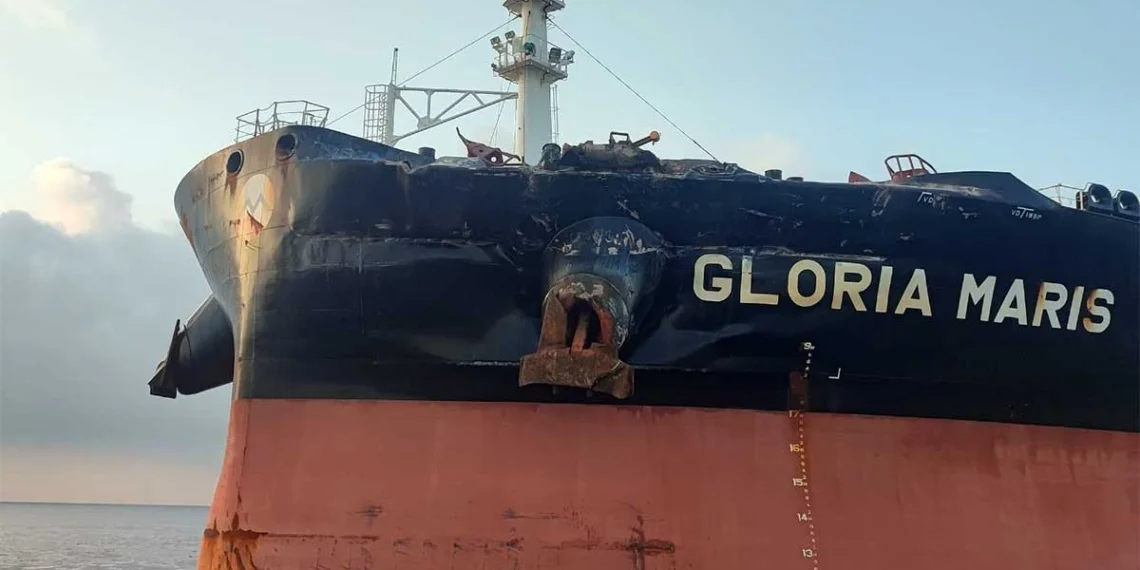
Visible damage to the bow of the oil tanker Gloria Maris after a maritime collision

The purpose of this post is to give an overview of how to appeal hull insurance denials, understand the legal nuances involved, and clarify the role that the insured plays in these complex scenarios.

It assumes some knowledge of general insurance terminology but this post is particularly helpful for shipowners and others new to the marine hull side of the business.

Whether dealing with hull appeals or cargo appeals, the appeal process in marine insurance will be similar, but for hull claims it is worthy to mention the nuances related to hull clauses, policy exclusions, and specific responsibilities of the insured. In most cases, the appeals process takes place within the framework of the insurance contract before escalating to courts or civil proceedings. Appeal hull insurance denials are frequent, often resulting from policy ambiguities or disputes over documentation requirements. It typically begins with the insured submitting a formal appeal letter and supporting documentation to the insurer. If the denial persists, alternative dispute resolution methods, such as mediation or arbitration, may come into play as outlined in the policy.

This article aims to provide shipowners with a broad understanding of the opportunities available to address and appeal hull insurance denials, empowering them to manage these complex scenarios effectively.

What we will explore, for example, is whether, after the initial claim denial, shipowners have legal or contractual options to appeal, how to provide additional documentation, and what strategies they can follow to strengthen their case with the insurer.

1. Understanding Hull Insurance Denials

Hull insurance covers physical damage to ships and related risks, such as collisions, grounding, or machinery failure. It is designed to mitigate the “friction” in global trade caused by risks to vessels, including piracy, fire, and weather conditions.

However, claims may be denied for several reasons, including:

  • Policy exclusions explicitly list certain damages not covered, such as wear and tear, inherent vice, or negligence of the insured.
  • Breach of warranty happens when there is non-compliance with conditions like maintaining the vessel’s class.
  • Failure to report incidents promptly (late notification) can prejudice the insurer’s ability to investigate.
  • Insufficient documentation occurs when there is a lack of evidence to prove that the damage was caused by a covered peril.
  • Disputes over proximate cause arise from disagreements on whether the damage was directly caused by an insured risk.

These reasons are closely tied to fundamental principles of marine insurance, particularly “utmost good faith,” which requires complete transparency from shipowners and other parties involved. Breaches in disclosure, such as withholding information about prior incidents or the vessel’s condition, can lead to claims being voided. To avoid such issues, shipowners must ensure full compliance with policy terms.

A relevant legal consideration for shipowners is the importance of timely reporting. For instance, a recent legal case involving a collision highlighted how delays in notifying insurers can significantly weaken a claim. In that case, the shipowner reported the incident after repairs had already begun, making it difficult for the insurer to investigate the proximate cause of the damage. To prevent this, shipowners should ensure compliance with notification clauses, which often require reporting incidents within a specific timeframe—typically 48 or 72 hours. Failure to do so could result in a denial of the claim based on late notification.

2. Steps to appeal a Hull Insurance Denial

2.1. Understand the denial

When an insurer denies a claim, the first critical step is to fully understand their reasoning. This begins by carefully reviewing the denial letter provided by the insurer. Identify the cited hull clauses or exclusions and evaluate whether their interpretation aligns with your policy. For instance:

  • Was the damage caused by an insured peril, such as a collision?
  • Did efforts to extinguish a fire directly result in cargo or vessel damage?

For shipowners, it’s crucial to consider the operational context of the incident. For example, if the vessel was navigating in a high-risk area or under specific weather conditions, ensure this is documented and presented as part of your case.

Next, compare these reasons against the terms of your hull insurance policy. This includes evaluating coverage clauses, exclusions, and warranties. Pay particular attention to obligations such as maintaining class and complying with reporting requirements. Understanding whether the insurer’s interpretation of these clauses aligns with your own is essential to formulating a strong response.

Legal tip for shipowners: Keep detailed records of your vessel’s maintenance, operational logs, and incident reports. These documents not only fulfill reporting requirements but also provide the evidence needed to counter any misinterpretation by the insurer. For instance, if the claim involves collision damage, include bridge logs, radar recordings, and third-party witness statements to build a robust appeal.

2.2. Gather Supporting Evidence

The success of an appeal often hinges on the quality and comprehensiveness of the evidence you provide. Start by collecting all relevant documentation to support your claim.

Key documents include:

  • Policy documents and endorsements: Detail your coverage and obligations, highlighting any hull clauses applicable to the claim.
  • Incident reports: Include surveys conducted immediately after the incident, photographs or videos of the damage, and detailed accounts from witnesses, including crew members.
  • Repair estimates, receipts, and invoices: These quantify the financial impact of the damage and support your claim’s valuation.

For shipowners, ensuring that incident logs and crew testimonies are accurate and detailed can make a significant difference. For instance, documenting how and when the damage occurred, along with weather conditions and navigational data, can strengthen your claim against an insurer’s denial.

Marine surveyors or average adjusters can provide impartial assessments of the damage and validate your claims. Their reports carry significant weight in disputes and can help clarify technical details for the insurer. An average adjuster specializes in analyzing claims under the terms of marine insurance policies and can provide:

  • Detailed assessments of the validity of your claim, evaluating the insurer’s reasons for denial.
  • Expert advice on calculating claims involving total loss or partial loss, ensuring financial assessments are accurate and fair.
  • Support in establishing proximate cause: If the insurer argues that an excluded peril caused the damage, an average adjuster can provide evidence to demonstrate that the damage aligns with a covered peril, documenting the sequence of events leading to the loss.

Legal tip for shipowners: Maintain a pre-approved list of marine surveyors or adjusters familiar with your operations. This can save valuable time when disputes arise, ensuring you have access to trusted experts who understand your vessel’s specifications and operational context.

Handling proximate cause disputes

Proximate cause disputes are among the most common in hull insurance claims. If your insurer denies a claim based on their determination of proximate cause, you must build a compelling case. Start by:

  1. Documenting the sequence of events that led to the damage, supported by navigational logs and witness accounts.
  2. Providing expert testimony or reports that validate your interpretation of the proximate cause.
  3. Referencing legal precedents, such as Rhesa Shipping Co. S.A. v. Edmunds (The Popi M), to demonstrate how proximate cause disputes have been resolved in favor of insured parties in the past.

Example for shipowners: In disputes over total loss, adjusters’ reports must demonstrate that the destruction of the vessel meets legal definitions. For instance, if your vessel suffered irreparable damage after grounding, evidence such as structural reports, towing attempts, and salvage efforts should be included to substantiate your claim.

2.3. Engage your broker

Brokers have a vested interest in maintaining good relationships with both the insurer and the insured. They can:

What brokers can do for shipowners:

  1. Facilitate Communication effectively by acting as intermediaries between you and the insurer. Brokers ensure concerns are accurately conveyed and responses are well understood.
  2. Leverage their industry knowledge and relationships to advocate for a favorable resolution. They can highlight precedents or clarify policy terms to strengthen your case.
  3. Brokers provide strategic guidance to help you understand the insurer’s perspective, adjust your appeal, and identify weaknesses to improve your chances of success.

Legal tip for shipowners: In complex cases, particularly those involving proximate cause disputes or policy exclusions, involve your broker as early as possible. They can coordinate with marine surveyors, average adjusters, and legal counsel to build a cohesive case that aligns with your policy’s hull clauses.

Example of broker support:

Suppose your claim involves damage due to firefighting efforts after a fire onboard. If the insurer denies the claim, arguing that the damage is secondary and not covered, your broker can:

  • Refer to specific hull clauses or endorsements that explicitly cover such scenarios.
  • Facilitate expert input to clarify how the damage is directly related to an insured peril.
  • Negotiate with the insurer to reconsider their position based on policy wording and supporting evidence.

2.4. Respond with a formal appeal

After understanding the denial and gathering supporting evidence, the next step is to draft a formal appeal letter. This letter is a critical component of your appeal process and should include the following elements:

  • Start with a professional tone to establish credibility and clearly state your intent to appeal the denial.
  • Reference specific policy provisions that align with your claim and support your position.
  • Summarize the incident concisely, highlighting the proximate cause and its connection to covered perils.
  • Attach relevant documentation as evidence, including photos, surveys, repair estimates, and expert reports, to counter the insurer’s reasoning.
  • Highlight misinterpretations or restrictive readings of policy terms that may have influenced the denial.

Ensure the letter is detailed but not overly technical. Clear, factual arguments are more persuasive and resonate better with claims adjusters. For example, if the claim denial involves collision damage, include bridge logs, radar records, and photographs of the damage to reinforce your appeal.

2.5. Negotiate with the insurer or seek legal recourse

Once you’ve submitted your appeal with new evidence, the next step is to engage in negotiations with the insurer. Request a formal review of your claim, presenting the additional documentation and arguments that counter the insurer’s reasons for denial. If the insurer remains firm, consider proposing mediation as a non-adversarial method to resolve the dispute. Mediation involves a neutral third party facilitating discussions between you and the insurer to reach an amicable resolution. This approach is often quicker and less costly than litigation or arbitration.

However, if negotiations and mediation fail, shipowners may need to pursue legal recourse. A maritime lawyer specializing in insurance disputes can:

  • Assess the legal merits of your case and determine the best course of action.
  • Provide guidance on arbitration or litigation, ensuring compliance with any contractual obligations.
  • Represent you in court or arbitration proceedings, protecting your interests and ensuring a fair outcome.

In maritime insurance contracts, arbitration clauses are common, obliging parties to resolve disputes outside of court under specific rules, such as the Lloyd’s Open Form. Arbitration is typically faster and less expensive than litigation but lacks the judicial oversight that courts provide.

If arbitration is not mandatory or the insured opts for another route, litigation in a competent court becomes the alternative. Courts will examine whether the insurer’s reasons for denial align with the terms of the policy and maritime laws.

Case Example: In Rhesa Shipping Co. S.A. v. Edmunds (The Popi M), the Court underscored the importance of proving proximate cause in hull insurance disputes. Shipowners must establish that the damage was directly caused by a covered peril, particularly in cases involving total loss or complex incidents like collisions or firefighting damage.

Legal tip: Ensure that any legal action is initiated within the policy’s limitation period to preserve your rights and strengthen your case.

2.6. Consider regulatory support

In jurisdictions with established insurance regulators, shipowners have an additional avenue to address claim denials: filing a formal complaint. Regulatory bodies play a vital role in overseeing insurers’ compliance with local laws and ensuring they act in good faith.

What regulatory support can offer:

  • Investigations into insurer conduct to determine whether they adhered to principles of good faith and fair dealing.
  • Enforcement of compliance with local insurance laws, ensuring the insurer meets its obligations under the policy.
  • Additional leverage for shipowners, pressuring insurers to reconsider their position and negotiate more favorably.

Legal tip for shipowners: Familiarize yourself with the regulatory frameworks applicable in your jurisdiction, as processes and options for recourse can vary widely. In some cases, lodging a regulatory complaint can prompt the insurer to re-evaluate their decision, avoiding the need for costly litigation.

Conclusion

Appealing a hull insurance claim denial is a demanding process that requires diligence, comprehensive evidence, and expert guidance. Whether the denial involves damage to a vessel, collisions, or total loss, shipowners must understand their policy responsibilities and explore every available recourse.

While navigating this process, shipowners should be prepared for challenges such as prolonged timelines, significant resource commitments, and pushback from insurers. However, these obstacles can often be overcome with the support of maritime legal experts who can:

  • Interpret complex policy terms and provide clarity on coverage disputes.
  • Develop compelling arguments that align with both policy language and legal precedents.
  • Negotiate with insurers or represent shipowners in mediation, arbitration, or court.

For shipowners facing denied claims, seeking professional guidance is critical. At Marlin Blue, we specialize in helping shipowners resolve disputes effectively, from initial appeals to arbitration or litigation.

Don’t let a denied claim jeopardize your operations. Contact Marlin Blue today to appeal denied marine insurance claims effectively.

The Role of a Loss Adjuster in Marine Insurance Claims

Who is a loss adjuster?

A loss adjuster is an insurance claims specialist who investigates claims, including complex or contentious ones.

In the marine insurance industry, the role of loss adjusters is focused on handling marine claims, such as cargo damage or vessel collision. That is why this role requires one to possess expertise in various areas, including:

  • Marine engineering and naval architecture.
  • Maritime law and insurance policies.
  • Cargo handling and transportation.
  • Risk assessment and management.
  • Damage assessment.

Loss adjusters are typically, though not exclusively, employed by insurers to investigate the circumstances of claims made by policyholders. They then advise their principal on whether the claims are covered by the insurance policy and, if so, determine the appropriate amount to be paid.

Although insurers may have their loss adjusters, this role is often found in third-party administrators (TPAs) or companies specializing in claims management, and even in specialized law firms. These external entities provide impartiality in the loss adjustment process.

Who usually engages loss adjusters?

Loss adjusters are typically engaged by insurance companies to independently verify claims and ensure that they are valid and accurately quantified.

For instance, if there is cargo damaged during transport, loss adjusters are hired by the insurance company to assess the extent of the damage, investigate the cause, and determine the appropriate compensation.

However, they may also be hired by policyholders or third parties involved in a marine insurance claim to independently assess the loss or damage.

When is a loss adjuster involved?

In the insurance claims process, when a marine insurance claim is made, the loss adjustment is activated primarily to determine responsibilities for the consequences and assess the real monetary value of the losses. However, it also serves various other important functions, including:

  • Investigating and determining the root cause of the loss.
  • Assessing the damage to quantify the extent of the loss in monetary terms.
  • Selling and salvaging to recover losses and minimize the financial impact.
  • Implementing precautions to prevent further losses.
  • Detecting and preventing fraud in insurance claims.
  • Consulting on measures to prevent future losses.
  • Negotiating and settling claims.
  • Overseeing repairs and renewals.

Loss adjusters operate in several key areas within the marine industry:

  • Cargo Claims: Assessing damage to cargo during transit.
  • Hull and Machinery Claims: Investigating damage to ships and their machinery.
  • Liability Claims: Evaluating third-party claims against shipowners.
  • Salvage and General Average: Handling claims related to salvage operations and shared losses.

The challenging roles of a marine loss adjuster

The expertise of marine loss adjusters is built by the multifaceted role they face. It is a job that requires a deep understanding of maritime law, shipping operations, and marine insurance policies.

The adjusters role also are tasked with managing large-scale and high-value claims, ensuring accurate and fair settlements while maintaining impartiality. Potential for fraudulent claims requires vigilance and thorough investigation.

A loss adjuster’s experience is forged by dealing with professional challenges related to conflict resolution, incorporating the opinions and knowledge of other experts, and engaging in face-to-face interactions with cargo or ship owners, people who are often dealing with serious events, such as fatalities or catastrophic losses.

The human interactions emphasize the empathetic aspect of their job. Their team is often the only direct contact the insured party has during the claims process.

This challenge is further exacerbated by the fact that insured parties often have high expectations for compensation, while adjusters must adhere strictly to the terms and conditions of the policy.

This empathetic approach often puts loss adjusters in the position of acting as counselors to clients, typically insurance companies. This advisory role, where loss adjusters are expected to guide insurers on the amounts to indemnify, underscores the importance of their interpersonal skills and emotional intelligence.

Methodology of a loss adjuster

The methodology employed by a marine loss adjuster typically includes the following steps:

1. Initial Assessment

Upon receiving the claim notification, the marine loss adjuster is assigned to the case and reviews the initial details provided. They gather all relevant documentation and prepare for an on-site inspection. If any issues are preventing this, they must promptly inform their superior.

2. Survey and Investigation

A marine surveyor may be called upon by the loss adjuster to conduct a technical inspection and provide an expert report on the condition of the vessel or cargo, and to provide technical evidence and expert opinions that help in determining liability and appropriate settlement. The relationship between a loss adjuster and a marine surveyor is collaborative and complementary.

The adjuster or surveyor may visit the site of the loss to gather firsthand information.

Upon arrival at the site, the adjuster meets with the insured to verify the details of the incident report against the actual situation. This includes checking the affected cargo or vessel, taking photographic evidence of the scene, the damaged items, and any other relevant factors. By physically examining the property or assets, the adjuster can identify any hidden damages or potential causes of the loss.

They also collect statements from the insured and any third parties involved.

3. Evaluation of Loss

The marine loss adjuster starts by analyzing the surveyor’s report and additional evidence to determine the damage extent. Then, estimates for repair or replacement costs are obtained from relevant sources. Depreciation is calculated to account for any reduction in value, and the salvage value of the damaged goods is assessed. This thorough evaluation ensures a fair and accurate settlement.

4. Responsibility Determination

After determining the responsibility for the accident, the adjuster must act accordingly based on the following scenarios:

4.1. Fault of the Insured Party:

  1. For minor damages below the deductible, inform the insured that the damages do not meet the deductible and therefore, the insurer will not cover these costs. The adjuster might guide how to handle repairs or replacements out-of-pocket.
  2. For major damages above the deductible without third parties involved, initiate the claims process with the insurer to cover the damages, and coordinate inspections and evaluations to determine the claim amount.

4.2. Responsible for Third-Party Damages with Insurance: the adjuster should inform the insured’s insurer about the liability towards the third party, and facilitate the management of claims between the insured and the affected third party.

4.3. Affected by Third Parties with Insurance: the loss adjuster would initiate subrogation processes to recover losses from the third party’s insurance, working with legal teams to ensure effective recovery.

4.4. Affected by Uninsured Third Parties: the loss adjuster documents and assesses the damages caused by the uninsured third party, providing ongoing support to the insured throughout the legal and recovery process.

5. Reporting

After completing the investigation and determining the extent of the damage or loss, the marine loss adjuster compiles a report, including:

  • A detailed account of the incident, including photographs and statements collected during the investigation.
  • An assessment of the damage or loss, supported by evidence.
  • An analysis of the cause of the loss and determination of liability.
  • Recommendations for settlement amounts based on the policy terms and the investigation findings.

6. Conclusion of Service

Once all obligations are fulfilled and the claim has been fully resolved, close the claim.

How can loss adjusters be impartial if they are employed by the insurer?


This professional role is expected to be carried out correctly, orderly, controlled, and transparently. Loss adjusters maintain impartiality through adherence to professional standards and ethical guidelines established by industry bodies. These bodies include the Chartered Institute of Loss Adjusters (CILA), similar organizations in different countries, or the International Federation of Adjusting Associations (IFAA).


The terms and conditions of the insurance policy also guide the loss adjuster’s work. Contractual obligations ensure that claims are settled according to the policy’s stipulations.


Another way to maintain independence is when insurers employ third-party administrators (TPAs)  independent firms specializing in claims management, to handle loss adjustment. This separation ensures that the adjuster’s findings are not influenced by the insurer’s internal interests. 

In some cases, specialized law firms are engaged to provide an independent assessment, further ensuring that the evaluation is unbiased.

Additionally, their reputations and career longevity depend on their ability to remain unbiased and trustworthy.

How Marlin Blue can help you

At Marlin Blue, we understand the complexities of dealing with insurance claims, providing specialized legal services in marine insurance and loss adjustment. We handle these matters every day and know how insurance companies, reinsurers, and brokers operate. Our firm steps in and manages all these conversations on your behalf, working to help you achieve the resolution you need and deserve.

For over a decade, Marlin Blue has been helping insurers, reinsurers, and brokers navigate through claims. We understand the complexities of the industry and help prevent issues that may arise. You already have enough challenges in your day-to-day operations, so let us handle this for you. Call us or contact us online to schedule a free consultation.

Loss Adjustment in Marine Insurance: Explained

iew from the deck of a large tanker ship during a calm sea journey

What is loss adjustment?

Loss adjustment within the insurance industry is evaluating and determining the extent of an insurance claim.

This process activates when insurance companies validate a claim after an incident, and it involves all on-site and remote assessments necessary to accurately evaluate the claim, ensuring that claims are settled fairly and by the terms of the insurance policy.

It can be carried out either in-house or through external companies on behalf of a marine insurance company.

If we have to highlight the main aspects of loss adjustment, these will be:

  • Evaluating the extent of the physical damage or loss.
  • Determining the cause of the incident or loss.
  • Ensuring the claim is covered under the terms of the insurance policy.
  • Calculating the amount of compensation due to the insured party.
  • The objective is to reach a fair outcome that benefits both parties

What type of claims are capable of adjusting?

In marine insurance, the loss adjustment process is deployed whenever claims are related to casualties and liabilities derived from accidents and incidents. This encompasses cargo, ships and vessels, land-based equipment, and pleasure crafts.

The types of claims that can be adjusted in marine insurance include:

  • Cargo Insurance Claims
  • Freight Claims 
  • Liability Claims
  • Hull and Machinery Claims
  • Protection and Indemnity (P&I) Claims
  • General Average Claims
  • Port and Terminal Claims

In cargo claims, the loss adjustment process will focus on evaluating physical damage to the cargo, or its loss during transit, whether due to hazards such as theft, damage, or natural disasters.

The adjuster must determine the extent of the damage and calculate the appropriate compensation, considering factors such as the cause of the damage, the conditions of transportation, and the specific clauses of the insurance policy.

Let’s look specifically at how the loss adjustment process works for shortage claims.

Loss adjustment for shortage claims

For example, in the case of bulk liquid cargo (BLC) shortage claims, adjusters will focus on comparing the ship’s quantity or weight figures with the tank figures on shore to determine the extent of the shortage.

After the Preliminary Inspection Report by an independent surveyor and examination of the shipping documents and statements of the relevant parties, the adjusters verify the findings determine liability based on the policy terms, and calculate the value of monetary scarcity.

In these cases, it is worth highlighting the importance of applying measurement standards to ensure accurate assessment of quantities and weights, along with legal awareness when approving and signing BL.

Loss adjustment for cargo theft claims

When cargo goes missing, the adjuster evaluates the loss and calculates the compensation amount based on several key documents: the sales contract to understand the terms of the sale and the value of the goods, the bill of lading (BL) to verify the shipment details and terms, the insurance policy to confirm coverage details and any exclusions, and pre-shipment reports to provide details on the condition and quantity of cargo before shipment.

Additionally, documentation and evidence to establish the liability of the carrier, including security measures and protocols, are reviewed.

Loss adjustment for reefer cargo

Among the most common cases are damages to refrigerated goods. To calculate the compensation amount for the loss in these claims, the adjuster:

  • establishes the initial value of the goods before any damage occurs based on the sales contract and market value.
  • quantifies the degree of spoilage or damage using inspection and incident reports
  • identifies any deviations that could have caused the damage, confirming if the carrier met the contractual temperature requirements.
  • reviews the insurance policy for applicable deductibles, exclusions, and coverage limits, and subtracts deductibles from the total claim while considering any coverage caps.
  • calculates the final compensation amount by summing up the validated costs, adjusted for the specifics of the insurance coverage, to determine the amount due to the insured party.

How do local and international regulations affect loss adjustment?

International conventions like Hague-Visby, Hamburg, and Rotterdam Rules set frameworks for liability and compensation. This means that during the loss adjustment process, the regulations applicable to the claim in question will set the maximum compensation limits.

An example of maximum compensation limits established by regulations is found in the International Convention on Civil Liability for Oil Pollution Damage of 1992 (CLC 1992).

As a real practical case, it is worth remembering the incident with the ship “Prestige”. In 2002, this oil tanker sank off the coast of Galicia, Spain, causing extensive environmental pollution and resulting in a lawsuit that was settled by the limits of liability established by the CLC 1992. The loss adjustment took these limits into account, which determined the maximum amount of compensation that the insurers had to pay.

Local insurance laws and regulatory authorities define specific procedures and documentation requirements for loss adjustment, such as bill of lading, insurance certificates and inspection reports, ensuring a complete and accurate evaluation. They also define the procedures for submitting and processing claims, including deadlines, formats, and official channels.

What role does subrogation play in the loss adjustment process?

During the loss adjustment process, insurers assess the potential for subrogation when determining the cause and responsibility of the loss.

What is Loss Adjustment Expense (LAE)?

Loss Adjustment Expense (LAE) refers to the costs associated with the investigation and processing of insurance claims. These expenses are incurred by insurance companies to determine the validity of a claim and the appropriate amount of compensation.

What are examples of allocated loss adjustment expenses (ALAE)?

In the context of marine insurance, LAEs may include costs such as hiring marine surveyors to assess damage to vessels, investigation costs to determine the cause of an accident at sea, and legal fees for resolving claim disputes. For example, if a ship is damaged during a storm, the expenses incurred to hire a surveyor to assess the damage and a lawyer to handle any legal dispute would be considered LAE.

Marlin Blue serves as marine loss adjusters for marine insurers. Our legal team provides claims management and loss adjusting services.

Marlin Blue has vast experience adjusting claims. It is precisely this along with our experienced professionals that makes Marlin Blue unique when dealing with marine claims.

Upgrade your claims handling

Open Cover in Marine Insurance

Sunset over the bustling port of Mallorca, illustrating the vital role of marine insurance in international trade.

Open covers in marine insurance obligate insurers to cover all forward shipments that meet the pre-agreed terms within the policy duration, providing blanket coverage over a specified period.

These contracts are typically adopted by businesses that frequently ship goods, specifically by companies involved in high-volume trade over long periods.

This is because open-cover policies in marine insurance offer a reprieve from the frequent contract negotiations required by standard insurance. For shippers, they streamline the insurance process for consistent trade types, offering procedural simplicity and potential cost savings. From the insurer’s perspective, such policies simplify administrative tasks and ensure premium revenues.

1. What is a Marine Open Cover?

An open cover is an agreement between the insurer and the insured.

It is an arrangement designed to automatically cover all forward shipments by an insured party that meet specific pre-agreed criteria detailed, like terms, rates, and conditions, within the open cover policy. This relationship is pivotal as it dictates the duties and responsibilities of each party under the terms of the contract.

Open covers are generally structured as long-term contracts, often spanning an annual period to provide ongoing coverage. However, they can also be arranged as ‘always open’ or permanent covers, which remain effective until explicitly cancelled.

Unlike standard policies that define precise details upfront, during that period open covers allow the specifics, such as cargo weight and value, to be declared subsequently as shipments occur.

This flexible arrangement doesn’t provide a fixed sum insured but instead, adjusts coverage based on aspects like Possible Maximum Loss (PML) or Single Cargo Limit (SCL).

For instance, a multinational company might use an open cover to insure different crude oil shipments weekly, with details like source, tonnage, and value specified for each shipment.

Open cover can be structured with premiums paid from a cash deposit account held by the insurer, offering consistent coverage and financial stability with routine premium adjustments. Alternatively, premiums can be calculated per shipment based on each issued insurance certificate, providing a payment structure that aligns more logically with the actual movement of goods.

2. Advantages of Open Covers

  • Open cover policies reduce the need for individual endorsements for each shipment, streamlining administrative processes.
  • Premiums are often lower due to reduced administrative costs compared to individual policies.
  • Facilitates quicker insurance responses for multiple shipments, enhancing operational agility in fast-paced markets.
  • Enables easier price negotiations and budgeting for the assured.
  • The insured or their brokers can typically issue their own certificates.
  • An inadvertent omission to declare a shipment does not prejudice the insured, provided it is rectified promptly.

3. Open Cover Key Features

3.1 What’s Covered?

Open covers insure a wide array of goods, including those owned by the assured as well as those under their care, control, and custody for which they have insurance obligations.

This inclusive approach ensures coverage extends to all goods handled in the course of business activities, even if the assured does not own them.

The wording in typical open cover policies is deliberately broad to encompass all types of goods and interests that the assured may be involved with, whether directly or indirectly. This includes responsibility for insuring goods, legal liabilities, or following instructions to insure specific shipments.

However, the goods insured must be accurately and reasonably described in the policy to avoid issues such as non-coverage for errors in the description or misinterpretation of insured goods, as highlighted in legal precedents.

Some open covers also specify exclusions, like precious metals or dangerous goods, which might only be covered under specific conditions or additional rates. This breadth of coverage ensures that businesses can operate with confidence, knowing that their diverse shipping needs and potential liabilities are comprehensively addressed by their insurance policies.


3.2 Valuation of Goods

In terms of valuation, as other Cargo insurance policies, open covers usually adopt a CIF plus 10% valuation basis to accommodate potential profit margins, but they also cover complex scenarios like returned goods and used machinery with specifically tailored valuation bases. A basis of valuation of goods is a prerequisite in an open cover.


3.3 Modes of Transport

An open cover not only covers sea transport but also extends to other modes of conveyance. This includes rail, road, parcel post, courier services, and other connecting conveyances.

Craft risks, which are risks associated with smaller vessels used within port limits or to and from mid-stream anchorages (places where ships are anchored away from the port), are typically covered under the terms of an open cover if specified.

When high-value items are transported, especially in the insured’s own vehicles, the risk profile changes. Using personal or company vehicles can increase the risk because traditional avenues of recourse that exist when third-party carriers are used (like claims against a transport company’s insurance) might not be available.

Another specific consideration might be the quality of vessels used for transport, Insurers may adjust the terms of coverage based on the type of vessels involved in the transportation of insured goods, possibly requiring higher standards of maintenance or specific vessel types for certain kinds of cargo.


3.4 Global Coverage

Open cover policies typically compensate for physical loss or damage to insured items, as well as any related liabilities or expenses, according to the conditions outlined in the policy schedule. Common features include:

  • The cover provides all-risk protection in accordance with the ICC (A) or ITC (A) standards.
  • Protection against damage from accidents or fire during the journey is included in the cover.
  • The specific terms of coverage chosen will determine the premium rate.
  • Compared to the all risks cover, the basic cover is less expensive and only protects against specific risks.
  • The policy includes coverage for War and SRCC (Strikes, Riots, & Civil Commotion).
  • Theft, Pilferage & Non-delivery (TPND) are covered under the basic cover only.
    Buyers have the option to choose additional storage cover before the cargo is delivered.

3.5 Limits of Liability

Open cover usually specifies two main types of limits:

1. Per Bottom Limit
This refers to the maximum sum insured for goods aboard any one ship, which is determined based on the anticipated highest value of goods shipped.

Insurers might also include sub-limits for other modes of transport like rail, road, or air, especially when the ocean-going shipment limit is high, to prevent these limits from applying universally.

2. A location limit
Almost always included in open covers, this limit applies to the maximum value at a single location, usually set at double the per bottom limit. This covers unforeseen accumulation of goods at a location during transit.

For multinational groups, this is particularly crucial as large accumulations at ports can pose significant risk, highlighted by scenarios like a tsunami destroying several shipments at once.

Despite its importance, the definition of “location” often lacks clarity and consistency among insurance practitioners.


3.6 Certificate of Insurance and Good Faith

As with any other insurance contract, open cover is grounded in the principle of “utmost good faith,” obliging the insured to fully disclose all relevant information that could affect the risk assumed by the insurer. Non-disclosure can lead to the avoidance of the policy.

To facilitate this, insurers provide certificates that must be completed with each cargo shipment, detailing cargo value, travel period, and location. These certificates help manage the cumulative value of insured cargo, which is capped under the policy’s terms for a specific period.

Particularly under terms like CIF and CIP, these certificates are relevant because where the seller must secure marine cargo insurance for the buyer’s benefit. Open covers typically allow the broker, agent, or the assured to issue pre-signed insurance certificates.

In certain markets, these may require the assured’s countersignature to activate. Challenges arise with duplicate certificates, which are sometimes demanded by overseas buyers or banks. To mitigate risks associated with duplicates, it is recommended to limit their issuance and clearly mark any duplicates to specify their status.


3.7 Exclusions

Open cover typically excludes:

  • Insolvency of carrier
  • Wilful misconduct of the assured
  • Ordinary leakage in case of liquid cargo
  • Ordinary loss in weight
  • Improper packing
  • Inherent vice
  • Ordinary wear & tear
  • Cyber failures and malicious usage.

4. Considerations for Shippers and Insurers

4.1 Applicable legislation

The legal framework that will govern the open cover policy, should be agreed upon by both parties involved in the contract. This includes specifying the proper law that will apply to interpret the terms of the contract and the jurisdiction under which any disputes will be settled. Choosing the correct legal framework can affect everything from contract enforcement to dispute resolution processes.


4.2 Cancellation

An open cover policy in marine insurance continues until canceled, structured to provide continuous protection under agreed terms.

Cancellation can be initiated by either the insurer or the assured due to dissatisfaction with terms or a reevaluation of risks, though such cancellations are uncommon.

The cancellation notice typically takes effect 30, 60, or 90 days from the date it is issued or received. Some policies only allow cancellation at the renewal date, preventing mid-period termination.

Importantly, cancellations do not affect shipments already covered prior to the notice period’s expiry. If the policy includes stock throughput or storage, the cancellation terms should clearly state that insurers are not liable for storage risks post-cancellation.


4.3 Transfer

Circumstances under which the insurance coverage can be transferred to another party, if at all, must be stipulated. This is particularly relevant in scenarios involving the sale of the insured goods or changes in the ownership of the company being insured. Both parties should understand the procedure and conditions under which a transfer can be legally and effectively executed.


4.4 Period

The inception and termination dates either specify the local standard time at the place (or storage locations insured, if any) where shipment commences or the local standard time at the principal address of the assured.

Conclusion

In marine insurance, open covers are essential for businesses engaged in regular shipping activities. These policies provide a safety net against the myriad risks associated with marine transportation and offer flexibility crucial in the dynamic global trade environment.

Insurers evaluate various factors such as the type of goods shipped, shipping routes, and the overall risk profile of the shipper when offering open cover. Shippers should consider adopting open cover to streamline the management of extensive and continuous shipments, as it significantly reduces the complexities of handling multiple insurance contracts.

Underwriters assess the possibility of providing open cover based on detailed risk evaluations, the shipper’s claims history, and adherence to safety and packing standards. Therefore, shippers must maintain high standards of operational transparency and regulatory compliance to qualify for and derive maximum benefit from open cover policies.

For expert advice and tailored legal solutions that secure your assets and operations, reach out to a specialized team of lawyers today.

Top 15 Risks Covered for Shipowners in Marine Insurance

A key strategy lies within the realm of marine insurance, where two principal policy types stand out: Hull and Machinery (H&M) and Protection & Indemnity (P&I).

These insurance types are indispensable tools for a shipowner, acting as a bulwark against the myriad risks that accompany maritime activities.

H&M insurance covers physical damages to the vessel, a crucial aspect of maintaining operational continuity after maritime accidents. On the other hand, P&I insurance covers a broader range of liabilities towards third parties, including damages to other vessels, injuries to individuals, and environmental pollution.

Together, these insurances form a comprehensive shield, fortifying a shipowner’s interests against the unpredictable seas of maritime operations.

Let’s delve into the specific risks and coverages relevant to shipowners in marine insurance:

Navigational Risks

The navigational risks could include groundings, severe weather damage, and damage to maritime structures. Such structures include docks, piers, jetties, bridges, undersea cables, and pipelines.

The H&M insurance is indispensable in this context, providing coverage for physical damage to the ship.

A classic example of where H&M insurance plays a crucial role is in the case of a vessel sinking without loss of life. In such a scenario, the insurance policy would typically reimburse the insured value of the hull to the shipowner.

Pollution Risks

In today’s environmentally conscious world, pollution risks stand out as a primary concern for shipowners.

The maritime industry, with its reliance on heavy fuels, has the potential to significantly impact the environment. Instances of oil spills, chemical leaks, or other forms of pollution can lead to severe ecological damage, resulting in hefty fines and cleanup costs.

Both H&M and P&I policies address these risks.

Collision Risks

Collision liability refers to the shipowner’s legal responsibility for damages caused by their vessel to another vessel, object, or property. 

In the event of a collision, the shipowner could be held liable for any harm inflicted upon the other vessel, its cargo, or any other property implicated in the incident. 

This liability may stem from various factors, including negligence, improper navigation, or other acts or omissions by the shipowner or crew.

Following a collision, the shipowner faces potential legal claims, liabilities to third parties, and significant repair costs.
To protect against these risks, they are covered under the H&M insurance policy. This policy typically covers three-quarters of the damages incurred in a collision. The remaining quarter is either absorbed by the shipowner or covered by P&I insurance.

General Average Contributions

The concept of ‘General Average’ is rooted in maritime law, wherein all parties in a sea venture proportionally share the loss resulting from a sacrifice for the common good. This can include the shipowner, cargo owners, and any other parties with a financial interest in the voyage.

For shipowners, the General Average principle can lead to substantial unforeseen expenses. Hence, having H&M insurance helps by covering their proportion of the loss, and ensuring that shipowners are not disproportionately affected by these shared maritime losses.

The Yantian Express incident in 2019, where cargo owners had to contribute to the losses, exemplifies the necessity of H&M insurance in covering such contributions.

Salvage Charges

In the event of an accident or emergency, the costs associated with the salvage and rescue of a vessel can be considerable.
These expenses are not limited to the recovery of the vessel itself but also include environmental cleanup efforts and measures to mitigate further damage. Additional costs such as legal and consultancy fees often emerge from incident investigations, litigations, or negotiations.

Furthermore, costs related to containment and mitigation are crucial for minimizing environmental and third-party property damage.
In scenarios requiring evacuation, expenses for crew accommodation and repatriation also arise.

A critical, yet sometimes overlooked, consequence is the loss of income during the vessel’s downtime.

H&M insurance typically covers the expenses related to the recovery and repair of the shipowner’s vessel, while P&I insurance may cover salvage-related liabilities towards third parties, including rescue operations for crew and passengers.

Miscellaneous Disaster-Related Expenses

In maritime operations, shipowners face “Miscellaneous Disaster-Related Expenses,” encompassing unforeseen costs from emergencies or disasters. These include emergency response and mitigation actions, legal and administrative fees, environmental cleanup, cargo-related expenses, crew accommodation and repatriation, and potential loss of income.

Such expenses are unpredictable and significant, necessitating comprehensive insurance to safeguard against financial instability.
These risks in the maritime industry may be covered under both H&M and P&I insurance policies, but the extent of coverage depends on the specific terms of each policy.

Constructive Total Loss

This occurs when the cost of repairing a vessel exceeds its value. H&M insurance covers such scenarios, providing vital support to shipowners.

Crew Liability Risks

Shipowners are responsible for their crew’s safety and wellbeing. These encompass responsibilities for crew injuries or illnesses, including medical expenses and compensation, and extend to repatriation and accommodation in emergencies or contract terminations.

Shipowners are also bound to honor contractual wages and benefits, even during vessel inactivity. Negligence, resulting in harm due to unsafe working conditions or inadequate equipment, can lead to significant liability. Additionally, labor disputes or contractual breaches may invoke legal challenges.

P&I insurance offers coverage for any liabilities arising from crew-related incidents.

Passenger and Third-Party Liabilities

Liabilities towards passengers and third parties, such as injuries or damage to cargo, are significant concerns in maritime operations. The risks increase manifold in situations like onboard accidents, cargo mishandling, or navigational errors.

P&I insurance provides protection against claims arising from such incidents.

Risks of Wreck Removal Liabilities

Shipowners are legally bound to remove wrecks, a duty that entails potentially expensive and complex operations. This responsibility often arises in the aftermath of maritime accidents where a vessel has sunk or been abandoned, posing navigational hazards or environmental threats.

P&I insurance typically covers these responsibilities.

Loss of Hire Risks

Loss of Hire insurance addresses the financial implications when a vessel is temporarily non-operational due to covered perils. Scenarios like repair, salvage operations, or inability to fulfill commercial activities are included.

Risks Not Covered by Hull and Machinery (H&M) Policy

Exposure to risks that fall outside the scope of H&M insurance necessitates additional coverage.
These risks might include certain types of environmental damages, specific legal liabilities, or other extraordinary expenses that are not traditionally covered by H&M policies.

Cargo Damage Risks

Cargo insurance, typically separate from H&M and P&I policies, offers coverage for damage or loss of goods in transit.
This insurance is crucial for safeguarding the financial interests of both the shipowner and the cargo owners, ensuring compensation for any harm or loss to the cargo

War Risks

The perils of war, including hostile acts, hijacking, and piracy, are unique challenges in maritime operations.
These dangers are explicitly excluded in the standard H&M insurance clauses, most notably in the Institute Time Clauses (ITC). Recognizing this gap, there exists a specific attachment known as the Institute War and Strikes Clauses, which addresses these exceptional risks.

War risk insurance is essential for providing coverage against these unique threats. It offers crucial protection in areas of heightened risk or during periods of conflict.

This type of insurance is especially vital for vessels operating in high-risk zones or during volatile times. With the standard H&M policies excluding war-related risks, the War and Strikes Clauses attachment becomes a key element in ensuring that shipowners have financial protection against these extraordinary risks.

Cyber Security Risks

As shipowners increasingly integrate technology into all aspects of a vessel’s operations and shore-side activities, cyber security emerges as a significant concern. The growing interconnectivity of these technological systems heightens the risk of cyber attacks, which can disrupt operations and lead to substantial financial losses.

Given the novel nature of these risks, they are not covered under the standard ITC in H&M insurance policies. To address this gap, the shipping industry has introduced a specific attachment known as the Institute Cyber Attack Exclusion Clause. This clause is a critical adaptation to the evolving landscape of maritime risks, acknowledging the unique challenges posed by cyber threats.
The Institute Cyber Attack Exclusion Clause outlines the limitations and exclusions related to cyber risks, highlighting the need for shipowners to seek additional, specialized insurance coverage for cyber threats.

For further information or to check if a specific claim is covered under your policy, please contact us.


Content reviewed by Guillermo Zamora.


Institute Yacht Clauses (IYC), or “Spanish clauses”?

In order to sail in Spain, it’s compulsory to take out civil liability insurance for all motorboats, or for sailing boats longer than 6 metres (Royal Decree 607/1999 of 16th April 1999). When the time comes to sign their policy, your customers may be puzzled by the choice between “Spanish clauses” and “English clauses”.

Wondering where the differences lie?

Let’s start with some background information:
📝 The “English clauses”, whose official name is “Institute Yachts Clauses” (IYC) were drawn up by the Institute of London Underwriters in 1985.

📝 “Spanish clauses” is simply the term used to refer to insurance policies issued by default in Spain, which were last updated in 2014.

The main difference between both types of insurance is that…
👉 Spanish conditions work by inclusion, whereas English conditions work by exclusion. 

This means that, when you take on Spanish insurance, the risk covered by the insurer are clearly stated in the policy terms and conditions. However, the English clauses include everything that is not explicitly excluded.

In a nutshell, IYC and Spanish clauses differ in terms of the coverage they grant the insured in certain areas:
·        All risks.
·        Insured value.
·        Speed warranty.
·        Theft.
·        Sister ship.
·        Charter
As yachts can vary enormously in shape, size, and use, customers will rely on their insurer or broker to advise them on which policy wording will best suit their vessel and its intended use.

In the attached carousel, you’ll find more detailed information on the criteria that differentiate both sets of clauses.

What has been the largest single loss of containers on a vessel in the last 10 years?

On its last voyage, the MOL Comfort was half loaded, carrying 4,382 containers. Enough for its unknown cargo to become the biggest loss in history.

In June 2013, the 8110 teu container ship MOL Comfort broke in two in the Indian Ocean. The descent was very slow and It lasted almost a month, until July 11. The crew was rescued by another container ship, while the two pieces of ship separated, and continued sailing on their own, loaded with containers.


LOST AT SEA

The World Shipping Council (WSC) Containers Lost at Sea Report covering 2020-2021 shows that containers lost overboard represent less than one thousandth of 1% (0.001%) of the roughly 241 million packed and empty containers currently shipped each year.
The WSC estimates that there were on average a total of 1,629 containers lost at sea each year between 2008 – 2021.

The biggest container losses in the last 10 years were:

2014. Svendborg Maersk lost 517 containers in rough weather in the Bay of Biscay.
2015. El Faro sank in a hurricane off the Bahamas losing 33 crew and 391 containers.
2019. MSC Zoe lost 342 boxes in a storm in the North Sea.
2020. ONE APUS lost 1816 in a storm cell in the North Pacific Ocean.
2021. Maersk Essen lost 750 containers in the North Pacific Ocean.

📷: gcaptain

War clauses in Marine Cargo Insurance

It has been almost a month since the military conflict in #Ukraine began. This tragic situation has led us to consider the matter of dry shipping, the war regulations under the Institute of Cargo Clauses (ICC).

A Marine Cargo Insurance policy should have an answer for every situation, even when it comes to war risks. Depending on the Country and the market, different wordings and laws are the ones regulating the cargo policies.

However, ICC has the most extensive range of clauses in marine insurance. These clauses were first created by the Institute of London Underwriters. Nowadays,Lloyd’s Market Association via its Joint Cargo Committee (JCC) is the institution in charge of developing and updating the ICC.

The most common ICC are A, B, and C and their associated clauses War and Strike Clauses, among others.

Concerning a war like the one currently happening in Ukraine and the Black Sea, it is absolutely vital to emphasize that the ICC A, B, and C regulate war exclusions on clause number 6.

Given the complexity of war conflicts, and the necessity of covering war risks, different war clauses are available.

Extended types of War Clauses:
? Institute War Clauses (Cargo)
? Institute War Clauses (Air Cargo) (excluding sendings by Post)
? Institute War Clauses (sendings by Post)

Whether you handle claims on behalf of an Insurance Company or Cargo Interest, pay special attention to the risks covered by the IWC as they could apply to the current war situation.