Reefer Cargo Claims: what claims handlers need to know

reefer cargo claims

Managing reefer cargo claims is a challenging task for many in the shipping sector.

Perishable cargo, transported using reefer containers, brings along a series of potential complications, many of which lead to claims. From frozen food cargo claims to the broader challenges of cold chain logistics claims, the transportation of these temperature-sensitive goods is fraught with complexities.

Throughout this article, we delve into the prevalent challenges surrounding reefer cargo claims, while also shedding light on the foundational aspects of such container claims.

Reefer cargo claims demand meticulous handling and keen attention to detail. Known by carriers and freight forwarders as ‘reefer’ containers, these refrigerated units present distinct requirements, introducing challenges to both the shipping and insurance sectors.

Introduced in the 1970s, refrigerated containers, often termed ‘reefers’, have evolved into reliable engineering marvels, efficiently transporting perishables across long distances without compromising quality.

Today’s reefer advancements, particularly the incorporation of IoT, allow shippers to remotely track real-time and adjust container settings, like temperature. Although this adds significant convenience for shippers, it also raises concerns for carriers. They remain accountable for the container’s performance throughout the journey, especially since these settings can be changed remotely without their awareness.

Reefer Cargo Claims: why they matter

Diego Alonso, our expert in reefer cargo, observes: “Since the onset of COVID, we’ve seen a notable uptick in reefer container claims, many of which are increasingly complex cases. Handling these claims demands specialized attention and understanding. In our records at Marlin Blue, reefer-related issues now account for a significant 37% of all cargo claims.”

Drivers, logistics providers, transportation companies, motor carriers, and insurers should prioritize understanding refrigerated cargo claims, given the financial implications and the magnitude of potential loss.

This understanding is further complicated by the multifaceted responsibilities of carriers, which can span across sea transits to overland haulages and container terminal stays, all pivotal in the cold chain logistics claims.

Types of reefer containers cargo

Reefer containers can carry a diverse range of goods that need to be temperature controlled during shipping. The North of England P&I Association (NEPIA, 2019) categorizes reefer cargo into:

  • Living organic: Includes fresh fruits, vegetables, flowers requiring refrigeration, and possibly fresh fish or meat.
  • Non-living organic: Examples include frozen meat or fish cargoes.
  • Inert: Non-food items such as medicine and pharmaceuticals.

The most common cause of reefer container claims

One of the most recurrent causes is the variation of temperature during the voyage, which can compromise sensitive goods. Flooding of the hold, either by external seawater intrusion or leaking pipes within, can wreak havoc on cargo.

Similarly, poor monitoring or inadequate maintenance of reefer units, along with mechanical failures, jeopardizes temperature-sensitive shipments.

Fresh vegetables, reefer cargo damage

Heavy weather can strain the ship and cargo, while improper cargo handling, whether on the ship side or shore side, can result in significant damage.

There are instances of leaking containers, and unclaimed cargo often becomes a liability.

Fires, albeit less frequent, are catastrophic, and their effects are compounded when cargo is poorly stowed or insufficiently lashed and secured.

Shippers at times are culpable, failing to secure their cargo adequately. Theft, an ever-present menace, results in direct losses, while inherent vice — the natural tendency of goods to deteriorate — is an overlooked but pertinent issue.

There are also cases where damage is detected prior to loading, questioning the state of the container or its contents before the voyage.

At times, the root cause is elusive, falling into categories of multiple factors, unknown reasons, or other unexpected events.

 In summary, these causes result in the following list of types of reefer cargo claims:

  • Temperature Deviation Claims
  • Delay in Transit Claims
  • Mechanical Failure Claims
  • Improper Setting Claims
  • Inadequate Ventilation Claims
  • Contamination Claims
  • Controlled Atmosphere Claims
  • Poor Packaging or Stowage Claims
  • Shortage or Theft Claims
  • Condensation or “Sweat” Damage Claims
  • Claims from Incorrect Use of Humidity Controls
  • Power Interruption Claims
  • Claims due to Incorrect Gas Levels
  • Reefer Malpractice Claims

Challenges in reefer container claims handling process

Claims handlers in the shipping industry often face various challenges, such as:

1. Ensuring optimal temperature management

The cargo must be stored, transported, and handled at the correct temperature to maintain its quality. This must be done at the right timing, in the right place.

Based on the specific characteristics of the product, the refrigerated container is designated with a suitable “set-point” temperature. This can be either frozen or chilled, as specified by the shipper. Understanding the Set-point Temperature:

  • It is the temperature the shipper requests from loading (stuffing) carrier to configure the refrigeration unit at the shipper’s facility.
  • It’s not the temperature the carrier undertakes to maintain in the cargo itself.
  • It’s not exactly the temperature of the air supplied from the refrigeration unit.
  • It is usually stipulated at the time of booking and copy-pasted in the B/L or Sea Waybill.

Many claims are triggered when a consignment is received in an evidently compromised condition, largely due to temperature discrepancies. Various factors can lead to temperature fluctuations in reefer containers, such as:

  • System Malfunctions: Both refrigeration and Controlled Atmosphere (CA) systems can malfunction due to component failures, such as issues with compressors, fans, or gas leakages.
  • Power Interruptions: Extended off-power periods can happen at various locations, from the shipper’s premises, load and discharge ports, during transit, to the consignee’s site.
  • Improper Stowage: Ensuring proper airflow is crucial. Obstructions or inappropriate cargo arrangements, including exceeding height limits, can impact temperature maintenance.
  • Hot/Warm Stuffing: Reefer containers primarily maintain temperatures. They aren’t typically meant to cool down warm cargo, with some exceptions like certain banana shipments.
  • Cargo Ripening: Some produce, known as climacteric cargoes, can ripen prematurely, producing heat and ethylene. If one portion ripens early, it can adversely affect the entire cargo.
  • Setting Errors: Mistakes in setting temperature parameters or ventilation can result in cargo damage. For instance, confusion between °C and °F or inappropriate humidity control can be detrimental.

2. Double-check that all documentation is complete, accurate, and up-to-date.

It serves as evidence of loss, helps to ensure compliance with regulations, supports efficient and effective resolution of claims, and provides legal protection in the event of a dispute or challenge. 

Transport & Delivery Documentation:

  • Transport Document (Bill of Lading/ CMR/ Air Waybill/ Postal Receipt/Other International Carrier’s Receipt)
  • Independent Loading/Stuffing Report
  • Delivery Note
  • Booking
  • Tracking
  • Equipment Exchange Slips (EIR) indicating times and dates, air and temperature configurations, and the status of the refrigerated container when delivered to the loading port (EIR input) and collected from the unloading port (EIR output).
  • Tally Sheets, Ship Outturn Report, Container Damage Report, Container Stuffing/Destuffing Tally Records, etc, as applicable.
  • Copy of the instrucctions to carrier regarding carriage temperature

Refrigeration & Monitoring Records:

  • Microprocessor Downloads from the Refrigerated Container (“Data Logger”) detailing the full journey, capturing temperature data, alarms, event histories, and automated pre-trip checks.
  • Transit-encompassing Partlow Charts, records/logs of monitoring at both loading and unloading ports, Shipborne Reefer Container Tracking Data, documentation on controlled or modified atmosphere, or air circulation records.

Cargo Documentation:

  • Original Packing List/Weight List
  • Contract of Sale/Purchase
  • Photos (prior to transportation)
  • Report (prior to transportation)

Damage Determination & Reports:

  • Survey Report with pictures
  • Pictures of the cargo stow prior to destuffing
  • Protest Letter
  • Original Exception Report from carrier/bailee
  • Analysis report from a laboratory approved by the surveyor, in case of wetting or contamination claims.

Quantification of Damage:

  • Original Commercial Invoice
  • Freight Invoice
  • Salvage Receipt if the cargo was sold for salvage or auctioned away, adn details
  • Destruction Certificate if the cargo was not sold for salvage
  • Reconditioning or Repair Invoices, if applicable

Insurance Documentation:

  • Original Certificate of Insurance
  • First Written Notice of Claim on Carriers or any Third Party responsible for the loss/damage (e.g., Forwarder/Port/Terminal/Warehouse/Warehouse Keeper)

3. Maintenance

Ensure proper maintenance and condition of refrigerated containers to avoid goods-exterior contact and maintain air circulation.

Here, three important issues:

  • Adequate adjustment of the parameters: Set point, Ventilation, Atmosphere.
  • A Reefer container uses circulating cool air to envelop the cargo, and the T-shaped rails in the floor facilitate this circulation.
  • The carrier should perform a Pre-Trip Inspection (PTI) on all refrigerated containers prior to loading

4. Mechanical failures

Reefer cargo is transported in refrigerated containers, wich can be prone to mechanical failures.

5. Human error

Stay vigilant about human error such as incorrect loading, miscommunication, or incorrect temperature settings. 

For example, the carrier sets the temperature before releasing the container, but the exporter should verify it’s set correctly before packing the cargo.

6. Loss mitigation

Evaluate the possibility of loss mitigation immediately after the occurrence of a loss.

By promptly evaluating the possibility of loss mitigation, claims handlers can ensure that they are taking all necessary steps to mitigate any further losses and protect the interests of their clients. This may involve:

  1. Rapidly gathering information about the cause and extent of the loss.
  2. Contacting relevant stakeholders such as carriers, adjusters, and surveyors to gather information and coordinate efforts.
  3. Reviewing available resources, such as cargo insurance and mitigation experts, to determine the best course of action.
  4. Actively communicating with the client to provide updates and ensure their needs and concerns are being addressed.

DOCUMENTATION

In the event of salvage or destruction, certain documentation is required, including

  • Justify the cost of salvage
  • Reasonableness
  • Destruction certificate
  • Salvage invoice

7. The role of marine surveyors

Consider involving a marine surveyor early in the claims process.

A marine surveyor plays a crucial role in the investigation of damaged cargo. They conduct an examination of the contents and condition of the container to determine the cause of any damage or spoilage. A high quality global network of marine surveyors can greatly benefit claims handlers in the event of cargo damage.

SURVEY REPORT
Claims handlers use survey reports to make informed decisions regarding damage to cargo. The report provides information on the cause and extent of damage, helping handlers assess liability as well as determining settlement amounts and aiding negotiations with stakeholders. It also provides recommendations for mitigating losses.

8. Legal aspects

Ensure that all relevant legal aspects are considered when handling a claim.

To effectively address this challenge, claims handlers should prioritize understanding of crucial legal considerations and take action to comply with them.

This may include:

  1. Applicable regulations: Claims handlers must be aware of and comply with all relevant regulations and laws, such as maritime law and insurance laws, that govern the claims process.
  2. Limit of liability: Claims handlers must understand the limits of liability under the insurance policy and ensure that settlements are consistent with these limits.
  3. Claim period: Claims handlers must be aware of the time frame for filing a claim and take steps to initiate the claims process within this period.
  4. Time bar: Claims handlers must be aware of any time limitations or deadlines that apply to the claims process, such as the statute of limitations, and take steps to comply with these requirements. By taking these legal considerations into account, claims handlers can ensure that the claims process is conducted in a legally compliant and effective manner.

Managing reefer cargo claims is a task of immense responsibility and intricacy within the logistics sector. The variables at play, from human errors to mechanical challenges, demand meticulous attention and profound knowledge. The key to successfully handling these claims lies in prevention, proper documentation, and swift, efficient response when issues arise. In the ever-evolving world of maritime transportation, staying a step ahead by continuously educating oneself and leveraging technology to one’s advantage is paramount.

Read more about cargo damage.

Entrust your reefer cargo claims to the best. At Marlin Blue, we ensure that each claim is handled with the expertise it deserves. Need guidance or have questions about marine insurance? Get in touch with our specialists today. Click here to connect with Marlin Blue.

Bibliography

The North of England P&I Association Limited. (2019). Refrigerated Containers. Retrieved from https://www.nepia.com/publications/refrigerated-containers-briefing/

Vishwanath, K.S. (2023). A Practical Guide to the Law and Practice (2nd ed.). Witherbys.


Disclaimer

The purpose of this publication is to provide a source of information which is additional to that available to the maritime industry from regulatory, advisory, and consultative organisations. Whilst care is taken to ensure the accuracy of any information made available no warranty of accuracy is given and users of that information are to be responsible for satisfying themselves that the information is relevant and suitable for the purposes to which it is applied. In no circumstances whatsoever shall North be liable to any person whatsoever for any loss or damage whensoever or howsoever arising out of or in connection with the supply (including negligent supply) or use of information.

Cargo Damage Surveys: A Global Perspective

A container ship sailing near the coast, where cargo damage surveys may occur.

1. Understanding Cargo Damage Surveys

When cargo is affected, damaged, or appears to be missing, a thorough investigation is imperative to discern the nature, cause, and extension of the damages. These investigative processes are known as the Cargo Damage Surveys. Within the marine cargo industry, the damage surveys are typically conducted on behalf of ship owners, operators, and charterers as well as logistics service providers, cargo insurers, claim handling companies and Protection & Indemnity (P&I) clubs.

2. Cargo Damage Surveys location and time

The location of the damage cargo surveys can vary based on the specific circumstances of the incident and the state of the cargo. Such issues can arise during port operations, during the loading or unloading of trucks, handling within a warehouse, or even in-transit. 

To illustrate, consider the following potential scenarios:

  1. Post-offloading from a bulk carrier, damage to grain cargo becomes evident and is duly noted by the consignee.
  2. Within a warehouse setting, upon opening the shipment, the consignee identifies an unsettling absence of several boxes.
  3. At a port, the consignee, while unloading a container, notices a broken seal. This prompts a thorough check of the content, revealing missing merchandise.
  4. A refrigerated container fails health inspection due to temperature fluctuations during its road transit.
  5. In the throes of a tempestuous sea voyage, concerns arise that the contents of certain containers might have been compromised. In some instances, shipping companies notify the consignee and/or the cargo owner about potential damage, suggesting a shift of goods from one damaged container to another.
  6. After an especially rough journey, visible damages are observed on vehicles being transported via a Roll-on/Roll-off (RoRo) ship.

In many cases, it’s the consignee who spearheads the dialogue with the cargo insurer, initiating a comprehensive damage inspection. While the conventional approach leans towards inspecting at the delivery venue, occasionally, depending on the severity or the nature of the damage, inspections might take place on the transport vehicle directly. At times, trucks or vessels might be held up, but more commonly, the cargo is unloaded for a detailed examination.

The consignee’s proactive engagement with the insurer not only accelerates the claims process but also ensures that potential issues are promptly addressed. This underlines the pivotal role of effective communication strategies and protocols when confronting cargo damage.

To safeguard the integrity of a claim and avoid potential denial due to negligence or oversight, it’s crucial that any suspicion or confirmation of damage be reported promptly. Not only is timely reporting essential, but it’s also vital that the initial inspection for any potential damages occurs immediately upon delivery, with notifications sent to all involved parties. Delays in reporting or initiating a survey could be interpreted as negligence by either the carrier or the consignee. Thus, it’s imperative to begin damage assessments as soon as they’re discovered.

3. Why are Cargo Damage Surveys essential?

Cargo damage surveys hold a key position in the maritime industry, primarily because they play a critical role in facilitating insurance claims, determining liability, making operational improvements, and ensuring regulatory compliance.

Whenever there is an event of damage, there often arises a question about who is responsible. Is it the carrier, the shipper, the cargo handlers, or even factors beyond human control? The survey helps establish the cause of the damage, helping ascertain the liable party. This clarity is indispensable as it helps involved parties to prevent or minimize potential financial repercussions from the damaged goods.

Furthermore, the marine insurance sector heavily depends on these damage surveys. They offer an objective perspective, aiding insurers in determining the legitimacy and amount of a claim. Without these surveys, the insurance process would be more complicated and prone to disputes.

Equally significant is the role these surveys play in enhancing operations and maintaining cargo quality. By identifying the reasons for cargo damages, shipping companies, port operators, and other involved entities receive invaluable feedback. This feedback is crucial as it enables these stakeholders to fine-tune their cargo handling and transport processes, which in the long run can minimize damages, save costs, and improve overall efficiency.

Lastly, regulatory compliance is a concern that cannot be sidelined, especially when the cargo in question involves hazardous materials. Certain jurisdictions mandate the reporting and investigation of such damages. Here again, cargo damage surveys rise to the occasion, ensuring that all regulatory standards are met and adhered to.

In summary, the significance of cargo damage surveys in the maritime domain is multifaceted, making them an essential tool that transcends mere procedural formality.

4. The process of conducting a Damage Cargo Survey

In very general terms, the process commences with the consignee or the cargo owner notifying the appropriate parties about the observed damage. This includes contacting the insurer, the cargo handling agent, and potentially a claims handling company. Although everything depends on the type of case, there is a general process that we can summery on the following steps:

Appointment of a Surveyor

Insurance companies, claims handling firms, or P&I clubs typically appoint a marine surveyor to conduct a thorough inspection. The selection of the surveyor often hinges on their area of expertise, their proximity to the cargo’s location, and the nature of the goods in question. Many insurance policies specify which surveyors are recognized or permissible. Depending on various factors – such as the location of the inspection, the magnitude of the loss, and the type of cargo or damage – there may be a need to control costs. In some cases, based on these considerations, it may be essential for the surveyor to be physically present, while in others, it might not be necessary.

Documentation

The initial notification should be accompanied by preliminary documentation, including:

  • Photographs of the damaged cargo
  • Shipping documentation (Such as Bill of lading, Packing list, and Cargo manifest)
  • Invoice value of the goods
  • Any other pertinent information.

Preliminary Inspection

This initial phase entails a direct evaluation of the cargo to determine the scale and nature of the damage. The designated surveyors inspect for evident signs of mishandling, breakages, leaks, contamination, and other irregularities.

A crucial aspect of this step is the preliminary damage estimation, which serves as an essential tool for insurance companies to allocate a reserve of potential costs. They’ll evaluate the cargo’s overall state and its packaging, identifying any inconsistencies between the received goods and the associated documentation.

Evidence and cargo sampling

Every observation made during the preliminary inspection is meticulously documented. This includes noting the date, time, location, and specific details of the damage. Photographic evidence is an extremely valuable evidence. High-resolution photographs or videos of the damaged areas, the cargo’s positioning, and any other pertinent observations are taken. These visuals offer a clear and irrefutable record, ensuring all stakeholders have a clear understanding of the damage’s extent and nature.

Interviews and statements

Witness accounts can be invaluable in determining the cause and timeline of damage. Surveyors often interview crew members, port staff, truck drivers, and anyone else involved in the cargo’s transportation or handling. These interviews help piece together the events leading up to the damage, providing insights into potential mishandling, environmental factors, or procedural lapses. Detailed statements are then recorded, providing a verbal testament to complement the physical evidence.

Sampling and laboratory testing (if needed)

If cargo sampling is required and cargo interests/their surveyors wish to take samples, the appointed surveyor should ensure that these are taken on a joint basis and are representative of the cargo in the space being sampled.

For certain types of cargo, especially perishable goods, chemicals, or other sensitive materials, physical samples may be taken for laboratory analysis. This helps determine issues like contamination, spoilage, or any chemical changes that might have occurred during transit. Laboratory tests offer scientific evidence of the cargo’s condition, adding another layer of proof and specificity to the survey.

Estimation of Loss

Based on the observed damage and market conditions, the surveyor provides an estimation of the financial loss. This valuation considers factors like the cost of repair, the diminished value of goods, disposal costs, and potential consequential losses.

Concluding Reports and Recommendations

The surveyor, from the outset, should strictly follow any specific guidelines or directives provided by the appointing entity. This ensures alignment in expectations and a smooth transition from preliminary findings to final conclusions.

Once all evidence has been gathered and analyzed, a comprehensive report is compiled. The heart of the surveyor’s duty lies in the comprehensive report, which is a culmination of all gathered data and assessments. This report should consist of:

  • Background Information: This includes details like affected parties, contractual relationships, shipping terms, conveyance specifics, voyage details, stowage and securing methods, and particulars of the affected cargo.
  • Detailed Inspection: A thorough examination of the damaged cargo detailing its appearance, the nature of the damage, its extent, and any peculiarities or anomalies noticed.
  • Determining the Cause: The surveyor conducts a comprehensive analysis to provide a professional opinion on the probable cause of the damage or loss. This assessment includes loss adjustment and claim calculation, which is underpinned by the evidence collected and reasoned deduction.
  • Recommendations: This section is dual-pronged – firstly, suggesting immediate steps to limit the impact of the existing damage and secondly, proposing measures to prevent similar losses in the future. These measures can include changes in packaging, enhanced handling procedures, or modified storage conditions.

The Preliminary Report

  • Terms of Reference: A brief on the mandate provided to the surveyor.
  • Vessel and Consignment Particulars: Information about the ship, its specifications, cargo details, contractual nuances, and other relevant specifications.
  • Cargo History: A chronological narration of the cargo’s journey, from the loading to the unloading ports.
  • Survey Logistics: Data about when and where the survey took place, and a list of all attendees.
  • Findings: A rundown on the damage’s nature, extent, and financial implications. This section should provide clarity on how conclusions were drawn, detailing sampling methods, analysis techniques, and mitigation measures. It should also highlight any discrepancies between the surveyor’s findings and those of other attendees.
  • Visual Evidence: An organized collection of photographs that substantiate the described damage and its context.
  • primera estimación de daños (cuantía). útil para que las aseguradoras hagan una reserva del dinero que puede costarles
  • Document Appendix: A compilation of all supporting documents that helped shape the surveyor’s conclusions.

In conclusion, the final report and its preliminary report are instrumental in the damage claim process. By maintaining precision, clarity, and thoroughness, the surveyor not only facilitates claim resolution but also bolsters trust and transparency among all stakeholders involved.

The finalized report is submitted to the insurer, the consignee, and other relevant parties. This document then becomes the basis for subsequent actions, be it insurance claims, recovery procedures, or improvements in cargo handling.

5. Types of Damage Cargo Surveys

The types of surveys have been grouped based on their relevance to the nature and type of cargo, ensuring that related items are categorized together:

Bulk Commodities Surveys

  • Grain
  • Minerals
  • Oil and petroleum products
  • Bulk Buyers Inspection: Examination of bulk cargo based on buyer’s criteria.
  • Petro Carbon Load/Discharge 
  • Bulk Liquid: Oversight on liquid cargo operations like oil or chemicals.

General Cargo Surveys:

  • Machinery and equipment
  • Steel and metal products
  • Packed goods (cartons, boxes)
  • Electronics
  • Containerized Cargo: General cargo loaded into standard containers.
  • Cargo Lashing/Handling/Logistics: Inspection of cargo securement and handling methodologies.

Liquid Cargo Surveys:

  • Chemicals
  • Vegetable oils
  • Wines and spirits
  • Bunker Sampling: Taking fuel samples to ensure its quality and quantity.

Perishable Cargo Surveys:

  • Fruits and vegetables
  • Frozen food
  • Seafood and meat
  • Dairy products
  • Refrigerated Cargo: Perishables, pharmaceuticals.

Specialized Cargo Surveys:

  • Project cargo (large equipment, machinery)
  • Hazardous materials
  • Vehicles

Live Cargo Surveys:

  • Livestock
  • Exotic animals for zoos
 

Conclusion

Damage surveys are essential instruments with a range of critical functions. They not only aid in expediting insurance claims and establishing liability but also contribute to the enhancement of operational procedures and the assurance of compliance with regulations. These surveys hold a central role in this context, and their significance is further amplified by a global network of skilled surveyors.

At Marlin Blue, our team of international lawyers specializes in managing claims and ensuring the smooth resolution of cargo damage issues. If you find yourself in need of expert guidance and support in navigating the complexities of cargo damage surveys and related matters, do not hesitate to reach out to us. We are here to assist you in safeguarding your interests and ensuring a seamless resolution of any maritime disputes.

Thank you for taking the time to explore the world of cargo damage surveys with us. We look forward to serving your maritime legal needs and providing the expertise you require in this intricate field.

Yacht Crew Certification: Implications for Marine Insurance Claims

Yacht Crew Certification

1. The importance of yacht crew certification

There should be no doubt that the yacht crew’s responsibility is vast, ranging from ensuring passenger safety to maintaining operational efficiency. The crew, through a blend of experienced seafarers and domestic staff, is the guarantor of comfort and safety at sea.

In this post, we will review the international standards and regulations governing maritime crew certification, focusing on specific training and competence requirements to obtain a yacht crew certification.

2. The Minimum Safe Manning Certificate (MSMC)

The MSMC is a document issued by a country’s Maritime Authority for a specific vessel, ensuring yachts are safely manned according to international regulations. It is crucial to note: this is a minimum requirement.

This certificate dictates the minimum number of crew members required on board to ensure the safe operation of the vessel, considering various factors such as the type, size, purpose, and equipment of the vessel, encompassing navigation, crew safety, and environmental protection.

For instance, a recreational yacht measuring 75 feet may be required to have a Minimum Safe Manning of three crew members, including one captain and two deckhands, to operate safely and efficiently, taking into account some of the aforementioned factors, in contrast to a 150-feet commercial yacht, which may necessitate a larger crew with specialized roles.

3. Certification and licensing requirements in yacht crew certification

The diverse responsibilities aboard a yacht demand specialized training and skills development. For owners and operators, especially those with limited resources, orchestrating comprehensive training programs and skill enhancement opportunities is daunting yet imperative. Herein, the uniqueness of each yacht’s operational needs is addressed, focusing on a multitude of aspects, from catering to navigation. All masters, officers, and crew members are required to possess proof:

Standards of Training, Certification, and Watchkeeping (STCW)

The STCW is a comprehensive set of international regulations intended to ensure that the highest standards of seafarer competence are maintained globally. It outlines the minimum qualifications, training, and certifications that seafarers need to work on a ship, focusing on promoting maritime safety and environmental protection.

Basic Safety Training (BST)

Basic Safety Training is a standard preliminary safety course for all seafarers, as mandated by the STCW. It covers fundamental safety aspects, including personal survival techniques, fire prevention and fire fighting, elementary first aid, and personal safety and social responsibilities, preparing the seafarers to handle emergency situations effectively.

Seafarer’s Identification and Record Book (SIRB)

The SIRB serves as an official, internationally recognized document that provides a record of a seafarer’s employment on board ships. It acts as an identification document containing vital information about the seafarer and their career history, ensuring their identity and service history are readily available during inspections.

Certificate of Competency (CoC)

All masters and officers listed on the MSMC are required to possess a valid Certificate of Competency (CoC).

A Certificate of Competency is a form of license provided to seafarers, proving that they have met the specific requirements and qualifications needed for a particular rank or function on a ship. It verifies the holder’s skills, experience, and understanding of their duties and responsibilities, ensuring they are competent to perform their role on board safely and effectively.

Navigating the various regulations and ensuring compliance can be challenging, especially for multinational yacht operations.

4. The prevalence of the Maritime Labour Convention (MLC)

The Maritime Labour Convention (MLC) often serves as the criterion standard in the realm of maritime employment rights.

It stipulates that yacht owners should implement proper protections for their crew.

This involves issuing proper employment contracts with clear provisions about salary, sick pay, and repatriation rights in case of accident or dismissal.

Compliance with the MLC isn’t mandatory for all vessels. It’s only ratified in certain countries and is enforceable only for commercial boats.

5. Insight into Marine Claims

Crew negligence vs Crew incompetence

Understanding the difference between negligence and incompetence is essential for proper claims management.

Crew negligence

  • Briefly: a failure to take reasonable care by the crew.
  • A loss caused due to crew negligence is (mostly) covered by yachts insurance policies.

Crew incompetence

  • It is a failure on the part of the owner
  • It is directly related to the concept of unseaworthiness.
  • The unseaworthiness of the yacht could result in a rejection of the claim.

Rental boats: A rising problem

Yacht Charter Without Captain and /or License is on the rise in tourist destinations such as The Balearic Islands:

  • Accidents and injuries: Leading to injuries to passengers or third parties
  • Damage to the Yacht and collisions with others
  • Weather-related Issues
  • Environmental concerns

6. Key Takeaways

Be curious and look out for:

  • Minimum Safe Manning Certificate (MSMC).
  • The training of the crew and if they hold specific certifications like STCW, BST, and SIRB for safe operations.
  • Welfare and health of the crew in connection with the Maritime Labour Convention (MLC) or equivalents.
  • The crew is the most important asset of a Vessel. 
 
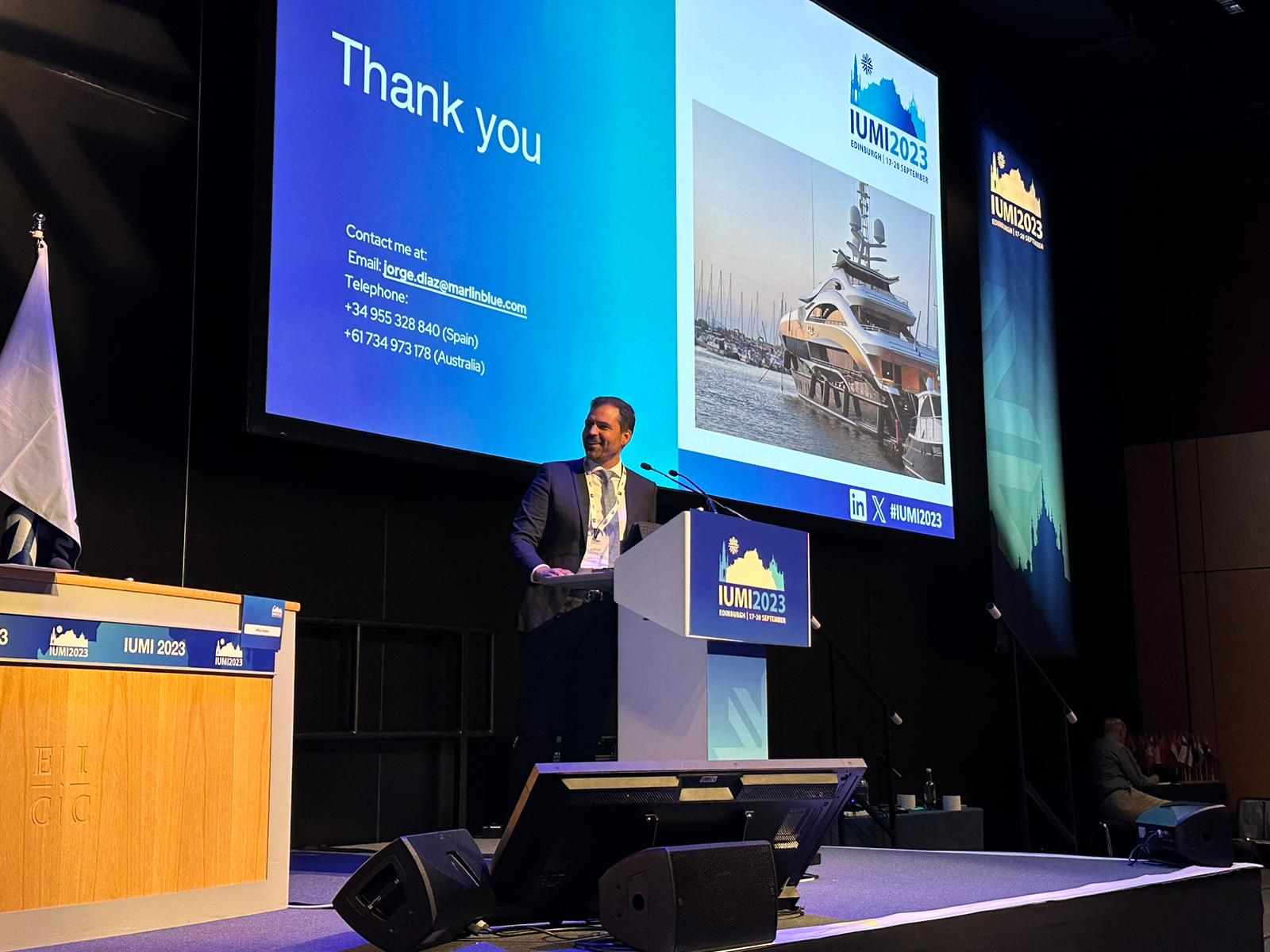
The content shared in this blog post was initially presented at the IUMI 2023 conference in Edinburgh by Jorge Diaz

IUMI 2023 Edinburgh Conference

Jorge Diaz as a Keynote Speaker at IUMI 2023 Edinburgh Conference

The IUMI Conference is the largest and most influential forum in international marine insurance, reflecting its mission to raise professional standards and be the trusted voice of global marine insurance. This year’s conference theme, opened by President Frédéric Denèfle, symbolized the ongoing adaptability and resilience inherent in marine underwriting amidst ongoing global challenges, including natural disasters, geopolitical turmoil, and the disruptions brought about by the war in Ukraine and the pandemic.

Marlin Blue. Annual conference. IUMI 2023
Guillermo Zamora, Jorge Díaz and Juan José Domínguez at IUMI 2023 Edinburgh Conference

Our participation and contributions at the conference have reinforced our dedication to advancing industry standards and fostering innovations in marine insurance. Stay tuned to our updates for more reflections on the conference and insights into the evolving landscape of marine insurance.

The bill of lading contract in cargo claims

Bill of Lading Document

The Bill of Lading  (B/L or BoL) serves as prima-facie evidence of the terms of the contract of carriage between the shipper and the carrier.

The value of the bill of lading

Imagine how crucial this document is when it comes to handling claims?

Once the cargo is loaded on board the vessel (“shipped on board”), it’s time to issue the B/L, which serves 3 purposes.

  1. Receipt for the goods: it contains a description of the cargo received, including the marks needed to identify the goods, as well as the quantity of packages, their volume, and weight.
    The B/L also proves that the cargo has been received “clean,” in other words, in apparent good order and condition.
    Well, unless it’s “dirty”, and remarks to this effect have been made on the B/L itself.
  2. Evidence of the transport contract: the terms of carriage agreed upon before the goods are sent to the ship are printed on the front and back of the B/L.
  3. Document of title: the B/L authorized holder is entitled to receive delivery from the carrier. However, it doesn’t necessarily operate as a transfer of the property.

Key participants in the bill of lading

As with all commercial documents and operations, there are essential parties whose roles are critical to facilitating the most efficient shipping process possible:

Role Description
Shipper The shipper is the originator of the goods being shipped. This entity is responsible for the initiation of the shipping transaction and is often the principal in the contract of carriage with the carrier.
Consignee The consignee is the end recipient of the goods being transported. This party is usually identified in the B/L as the entity to whom the goods are destined and to whom the title of the goods may ultimately be transferred upon delivery.
Notify Party The notify party is the individual or entity designated in the B/L to be contacted once the goods reach the specified destination and are ready for reception. This contact is crucial for the coordination of the cargo release and delivery processes.
Carrier

The carrier role is performed by the shipping company or shipowner responsible for the transportation of the goods. The carrier, whether it is a shipping line, a ship’s agent, or the shipowner themselves, is also tasked with issuing the Bill of Lading document. It is important to note that the shipping company’s role encompasses the legal and logistical responsibilities for the goods while in transit.

The Hamburg Rules in Article 14 stipulate the carrier’s obligation to issue a B/L to the shipper, underlining its foundational role in the maritime legal landscape[1].

Furthermore, it is incumbent upon the shipping companies to issue the B/L document—whether done by shipowners, consignees, or shipping lines—or by the captain of the vessel on which the goods will be carried.

It is imperative to remember that between three and five original copies of the B/L should be issued to account for various legal and logistical needs throughout the shipping process.

Yes, a B/L can be transferred. There are generally three types of B/L with respect to the ability to transfer:

Order Bill of Lading: This can be transferred to another party through endorsement and delivery of the bill. It is negotiable and commonly used in international trade where the shipment is consigned to the order of a shipper’s bank, the buyer, or another party.

Straight (or non-negotiable) Bill of Lading: This is consigned to a specific consignee and cannot be transferred to another party in the sense of transferring title to the goods. The consignee may still be able to direct the carrier to deliver the goods to another party, but the rights under the B/L remain with the original consignee.

Bearer Bill of Lading: This can be transferred by simple possession, as it consigns the goods to whoever holds the bill. This type is very rare due to the high risk of loss or theft.

When a B/L is transferred, the transferee (new holder) obtains the rights to claim the goods from the carrier and, in the case of an order B/L, can also pursue any cargo claims that may arise due to loss, damage, or other shipping issues. 

The transfer of rights is significant in trade, as it allows the goods to be sold in transit and the seller to retain control until payment is secured. However, the transfer must be done according to the type of bill of lading and the corresponding laws and practices governing such transfers.

Requirement data in a Bill of Lading

The information within a B/L encompasses much more than the ports of origin and destination. Functioning as a deed of the goods in transit, the data captured within a B/L must be precise and comprehensive. In the words of John F Wilson, “Most companies engaged in the liner trade will produce their own proprietary brand of bill, while smaller operators can adopt the standard forms drafted by the international shipping organization”[2]. This statement underlines the customizable nature of the B/L, adapting to the needs of a diverse array of shipping companies while maintaining a standard that ensures consistency across the industry. A Bill of Lading should meticulously detail the following essential information:
Category Details
Description of Goods The type of cargo being transported is critical. For Full Container Load (FCL) shipments, the number of containers; for Less than Container Load (LCL) shipments, the number of packages should be specified. Additionally, a thorough description of each package should be included, detailing the type of goods, type of packaging, quantity per package, and the number of units.
Shipper’s Details Full name and address of the shipper, including the name, address, telephone number, and email of the party responsible for sending the goods.
Consignee’s Information Full name and address of the consignee: The details of the end recipient who will receive the goods must be recorded.
Notify Party’s Details The full name and address of the party to be notified of the shipment’s status should be explicitly stated to ensure proper communication upon cargo arrival.
Vessel Particulars The name of the ship and the voyage number on which the goods are being transported should be provided for identification and tracking purposes.
Initial Receipt Location The place where the shipping company first takes possession of the cargo needs to be identified to trace the movement of the goods right from the start.
Port of Loading The port at which the goods are loaded onto the vessel is a fundamental data point, as it represents the initial stage of the sea transit.
Port of Discharge The port where the goods will be offloaded from the vessel must be clearly indicated to ensure all parties are aware of the final maritime destination of the cargo.
Place of Delivery Finally, the exact location where the goods are to be delivered to the consignee should be noted, completing the journey’s itinerary from shipper to recipient.
Freight amount Cost of maritime transportation, surcharges (additional costs associated with transport), the currency used for these figures, and whether the freight is prepaid or payable at the destination (freight collect)
Each element of data provided in the B/L forms the skeleton of the shipping transaction, providing a transparent and traceable map of the journey. This meticulous documentation is not merely an operational formality but a legal necessity, ensuring that the rights and responsibilities of all parties are clearly defined and protected throughout the entire transportation process.

As the B/L is a legal record of the transaction, inaccuracies in completing it may have serious repercussions.

The precision of the Bill of Lading is imperative and constitutes an indispensable element in preserving the transactional integrity between the shipper and the carrier. It operates not merely as a record but as a fundamental instrument ensuring the legality and validity of the contractual agreement. When discrepancies infiltrate this document, they may precipitate a cascade of adverse legal and financial outcomes.

Additional Expenses

The first wave to hit might be additional expenses. A B/L marred by inaccuracies can generate a domino effect of cost overruns. For instance, if the weight of the cargo is underreported, you could be looking at hefty fines and re-weighing charges at the port of discharge. Similarly, incorrect descriptions or codes related to the cargo can lead to delays and the accrual of demurrage charges, where the cargo sits idle, accruing fees like a taxi stuck in traffic with the meter running.

Service Interruptions

Furthermore, errors can cause service interruptions. A B/L serves as a navigational chart for the cargo, guiding it through the myriad checkpoints and ports. An error might misdirect your cargo, leading to delays that ripple outward, affecting not just the immediate shipment but the schedules of connecting hauls, ultimately disrupting supply chains. In a world where time is money, these delays translate to lost revenue, strained customer relationships, and dented reputations.

Insurance Voidance

The third squall borne from B/L inaccuracy is insurance voidance. Insurance coverage for cargo is hinged on the declarations made in the B/L. Misrepresentation or omissions can lead to a void in coverage, leaving shippers exposed and vulnerable. In the unfortunate event of cargo damage or loss, an inaccurate B/L could thus render insurance claims null and void, thrusting the financial burden of replacement or reimbursement squarely onto the shipper.

Potential Criminal Charges

Finally, and most gravely, is the specter of criminal charges. The B/L is a legal document, and deliberate inaccuracies can be construed as fraud. This is particularly acute in cases where the contents of a container are falsely declared – a serious violation that can attract legal sanctions, penalties, and in severe instances, custodial sentences. The implication of fraud not only imperils the immediate parties involved but can also tarnish the broader reputation of entities associated with the shipment.

A meticulously detailed B/L is a shipper’s safeguard against these formidable pitfalls. It’s the thread that stitches the safety net under the high-wire act of shipping logistics. It is vital that every character and digit entered on a B/L is triple-checked for its veracity. In essence, accuracy in a B/L does not just prevent fiscal and legal jeopardy; it fosters a climate of trust and efficiency that is foundational to the shipping industry.

Legal Framework for B/L

The B/L does not exist in a vacuum; it is enmeshed within a complex legal framework that spans national and international law.

International Conventions

International conventions have defined the basic obligations of the carrier towards the cargo and prescribed the maximum immunities and limitation of liability he can claim.

Several international conventions, such as the Hague-Visby Rules, the Hamburg Rules, and the Rotterdam Rules, provide a legal backdrop for the B/L. These conventions attempt to balance the rights and responsibilities of all parties involved in the shipping process, offering a medley of regulations that underpin the B/L’s legal standing.

National Laws

While international conventions set the stage, national laws play a critical role in the enforcement and interpretation of B/L terms. The diversity of legal systems adds layers of complexity to the B/L, making it imperative for parties to understand the specific legal context in which their B/L will operate.

In Spain, the maritime transport by Bill of Lading (B/L) in Spain is regulated by the Law of December 22, 1949, on Maritime Cargo Transport by Bill of Lading, and articles 246 to 266 of the Maritime Navigation Law 14/2014, of July 24. This legislation establishes the legal framework for the issuance and management of B/Ls, which serve as a receipt for shipped goods, a document of title, and a potential contractual agreement between shippers and carriers.

In England, the Carriage of Goods by Sea Act 1992 is the key legislation governing B/Ls. This Act implemented the Hague-Visby Rules and outlines the rights and responsibilities of all parties involved in the shipping contract. It is noteworthy that, despite Brexit, English law continues to have a substantial influence on international maritime law, and the use of B/Ls in England remains consistent with global practices to ensure smooth international trade operations.

The introduction of containerization and the use of multimodal transportation have indeed changed the shipping industry, enhancing the efficiency of global trade. In terms of cargo claims, the use of a Combined Transport Bill of Lading (CTBL) or Multimodal Transport Document (MTD) reflects these changes by providing a unified contract that covers the entire transportation process, even though it may involve several different carriers operating across sea, land, and air.

When addressing cargo claims, the CTBL or MTD brings forth the complexity of dealing with multiple liability regimes.

Since the liability clause within these documents dictates that responsibility for loss or damage is determined by the local laws of the region where the incident occurs, and by the specific mode of transport being used at that time, claimants must navigate through varied legal frameworks.

This could mean, for instance, that if cargo is damaged during the rail leg of its journey following a sea passage, the claim would be subject to the rail transport regulations of the country in which the damage took place.

Understanding the nuances of how liability is assigned in multimodal transport is crucial for both shippers and consignees. It impacts the level of recourse they have in the event of loss or damage. Therefore, securing comprehensive insurance coverage that takes into account the different carriers and jurisdictions involved in the transport process is vital. Insurance policies should be tailored to cover the specific risks associated with each segment of the multimodal journey to ensure adequate protection against potential cargo claims.

The Electronic Bill of Lading (eB/L)

Definitively, the last thing to be mentioned in the posts is the eB/L. In an age of digital transactions and blockchain technology, the traditional paper B/L faces challenges of adaptation. 

The shift from paper to eB/Ls has the potential to transform the cargo claims process, promising enhanced traceability, reduced documentation errors, and faster claim resolution. Utilizing blockchain technology, eB/Ls offer an immutable record of the cargo’s journey, increasing transparency and making it easier to determine liability in the event of a dispute. This can lead to quicker settlements and improved efficiency for all parties involved.

However, challenges remain in the form of legal recognition and global standardization. The legal frameworks across different jurisdictions are yet to fully embrace eB/Ls as being on par with their paper counterparts. Moreover, the maritime industry’s hesitance to move away from traditional methods and concerns about cybersecurity also pose significant hurdles to the widespread adoption of eB/Ls.

This topic warrants further exploration and will be the subject of subsequent discussions in our forthcoming posts.

Conclusions

Remember, the ultimate role of a bill of lading is to serve as a definitive record of the goods shipped, ensuring accountability, facilitating the resolution of disputes, and minimizing financial damage in the face of a claim.

So, when precision and proficiency in cargo claims are paramount, play it safe and rely on our seasoned experts at Marlin Blue.

Discover more about our comprehensive claims handling services and how we can safeguard your interests.

Bibliographic References

  1. K S Trujillo, ‘International Marine Cargo Insurance: Building Generic and Thematic Competences in Commercial Translation’ (2019) 32 The Journal of Specialised Translation 268, 268-279 https://jostrans.org/issue32/art_trujillo.pdf accessed 7 November 2023.
  2. John Wilson, Carriage of Goods by Sea (7th edn, Pearson Longman 2010)
  3. Alan E Branch, Elements of Shipping (8th edn, Routledge 2009) 117.

The Ins & Outs of Marine Insurance Cargo Claims

The Ins & Outs of Marine Iinsurance Cargo Claims

As the maritime industry keeps evolving, the importance of marine insurance coverage rises in parallel. And one of the critical aspects of marine insurance is freight claims. When cargo suffers damage or loss, timely and efficient handling plays a key role in safeguarding your relationships with clients.

But cargo claims aren’t all black and white. Their intricacies can pose significant challenges for insurance providers.

That’s why we’d like to delve into some common obstacles in cargo claims handling and how professional claims handlers help you overcome them. Moreover, at the end of this blog post, you’ll find a curated list of valuable resources to enhance your claims handling processes.

Let’s start by…

Understanding cargo claims

Cargo claims are part and parcel of marine transportation. They may stem from a myriad of incidents that can occur during transit.

  • Damage caused by mishandling.
  • Improper packaging.
  • Adverse weather conditions.
  • Accidents.
  • Theft.
  • Total loss of cargo.

As an insurance company, you strive to uphold your commitment to your clients and be there for them when something goes wrong.

That’s why it’s crucial to have a firm grasp on the types of cargo claims and the unique challenges they pose. When faced with a claim, your initial task is to determine its nature and classify it. This lays the foundation for an effective claims handling process.

Think about it in these terms.

  • Damage during transit may involve assessing to what extent the cargo is damaged, determining liability, and establishing the cause behind the damage.
  • Total loss claims require an investigation to assess the cargo value and what led to the loss.
  • Delays in cargo delivery can result in financial losses for the consignee. This means you will have to address claims promptly while accounting for what caused the delay.

Challenges in cargo claims handling

Dealing with marine cargo claims is no easy task. Here are some of the hurdles you may encounter:

  • Complex documentation

Cargo claims involve stacks of paperwork, including BLs, cargo manifests and survey reports. The sheer volume of documentation makes it challenging to assess the claim’s validity.

And let’s not forget that providing incomplete or inaccurate documents can cause delays and disputes during the claims process.

  • Different international regulations

Cargo claims may span many jurisdictions, each with its unique set of maritime laws and regulations.

Lack of understanding of the applicable legal framework may lead to non-compliance or oversight of essential legal requirements. With all that entails, including invalidated claims or financial penalties.

  • Time sensitivity

Prompt action is crucial in cargo claims. Not only to prevent further damage, but also to protect the assured from financial losses.

Now, internal bureaucratic procedures and overwhelmed claims departments can slow down the claims handling process.

  • Fraudulent Claims

Identifying and dealing with insurance fraud is an ongoing challenge. Distinguishing legitimate claims from suspicious ones requires experience to protect the interests of all parties involved.

Overcoming hurdles hand in hand with professional claims handlers

These challenges are overwhelming when you’re on your own. Fortunately, marine claims handlers have all it takes to help you navigate cargo claims.

  • Expertise in documentation management

Seasoned marine claims handlers will identify any discrepancies or inconsistencies in your paperwork and streamline the claims process.

  • Knowledge of international regulations

Staying up to date with the latest international maritime regulations is a must for marine claims handling agencies. This enables them to deal with cargo claims across different jurisdictions.

  • Access to qualified professionals

To ensure a fair and accurate settlement, you must delve deep into the incident. You’ll need to unravel its complexities until you can determine what led to the damage or loss of the cargo.

This takes a collaborative approach. And a professional marine claims handler puts at your disposal a global network of experts (e.g., surveyors and cargo inspectors).

  • Timely response and communication

Marine claims handlers respond promptly to reported incidents, start investigations, and maintain effective communication with all stakeholders.

They are well aware of how crucial it is to react swiftly to reduce the insured’s financial burdens and achieve a timely settlement.

  • Fraud detection and prevention

Professional handlers can recognise red flags that may point to fraudulent claims. Their vigilance protects you while ensuring genuine claims are handled fairly.

  • Technological skill

Digital tools and data analytics allow claims handlers to assess claims more accurately, identify patterns, and make well-informed decisions.

By integrating technology into their workflow, claims handlers also reduce processing times.

Resources for dealing with cargo claims

Here’s a selection of 7 essential resources to improve your claims handling processes.

  1. International Group of P&I Clubs

The International Group of P&I Clubs is an association of 13 major shipowners’ protection and indemnity (P&I) clubs. Their website offers information on different aspects of marine insurance, including cargo claims, legal resources, and industry updates.

  1. International Maritime Organization (IMO)

The IMO is a specialized agency of the United Nations responsible for regulating international shipping. Their website provides access to essential conventions, codes, and guidelines impacting marine insurance and cargo claims.

  1. International Chamber of Commerce (ICC) – Incoterms®

The ICC’s Incoterms rules set the responsibilities of buyers and sellers in international trade transactions. Understanding Incoterms helps you determine where the risk and responsibility for cargo transfer from the seller to the buyer.

  1. The Nordic Association of Marine Insurers (Cefor)

Cefor is an association of marine insurers from the Nordic countries. In their website, you’ll find publications, statistics, and insights related to marine insurance and claims handling.

  1. American Institute of Marine Underwriters (AIMU)

AIMU provides resources and education for marine insurance professionals. Their website includes industry-specific updates to stay informed about current trends and best practices.

  1. Cargo Incident Notification System (CINS)

CINS is an initiative of several major container shipping lines to share data on cargo incidents. It provides valuable statistics and information on common cargo claim issues.

  1. Transportation Intermediaries Association (TIA)

TIA represents third-party logistics (3PL) companies and provides resources and best practices for managing cargo claims and logistics risks.

These resources will support you in handling your cargo claims. But you can take your commitment to client satisfaction and claims resolution to the next level by hiring a professional marine claims handler.

Find out more about Marlin Blue and what we can do for you here.

Hull Casualty Costs: 5 Key Questions Answered

Hull Casualty Costs: 5 Key Questions Answered

Understanding Hull Casualty Costs

Hull casualty costs is a significant component in marine insurance. But, what exactly are hull casualty costs? These are costs associated with the repair or replacement of parts of a ship’s hull that have been damaged. They can quickly add up, encompassing not only the direct expenses of materials and labor for repairs, potential dry-docking costs, and any associated downtime costs, but also indirect expenses.

Indirect costs can be wide-ranging, from increased insurance premiums following a claim, to a potential loss of business due to reputational damage in the wake of a hull casualty incident. 

Therefore, understanding and effectively managing hull casualty costs is crucial to ensure the financial stability of marine operations and foster the longevity and sustainability of the vessel’s operational life.

5 Key Questions about Hull Casualty Costs Answered

1. What are the current trends in hull casualty costs?

Utilizing data from CEFOR and NORDIC MARINE INSURANCE STATISTICS (NoMIS), we’ve delved into the nuances of hull casualty costs.

  • 2022 has seen record-low major losses in hull insurance, even with an overall uptick in the size and complexity of vessels.
  • In 2022, there was a breakdown of claims cost by type of casualty. Machinery makes up 45.5% of the total cost of claims, followed by fires/explosions (8.2%, with a strong impact on cost) and collisions (12.2%).
  • The frequency of claims that are over USD 500,000 has stabilized between the years 2008 and 2020. This could indicate the effectiveness of risk mitigation measures or advancements in maritime technology during this period.
  • There’s a downward trend in machinery and nautical-related claims, suggesting that improvements in the machinery and navigation systems of ships, as well as increased crew training, are reducing these types of incidents.
  • The year 2022 saw less costly fires than the preceding three years. This could be attributed to improved fire prevention and control measures onboard vessels. However, it’s important to note that while the fires may have been less costly from a hull perspective, they were still serious in terms of crew and cargo impact.
  • There’s been a moderate increase in claims cost per vessel or repair costs, still shy of pre-pandemic levels. This displays a trend of stabilization at a moderate level over the recent years.
  • The past three years have seen a decrease in costs across nearly all age groups and vessel types. An important aspect to consider is the escalating value of vessels, posing a potential risk for more expensive future losses. 2022 also marked an increase in costs related to high-value vessels with substantial deductibles, leading to fewer claims reported to insurers.
  • There’s been an upward trend in claims frequency following an extraordinary drop in 2020, although it’s yet to surpass pre-pandemic levels. Notably, the frequency of major losses, involving costly casualties, was very low in 2022.
Hull Claims Frequency Analysis by Cedix and Nomis
Source: CEFOR and NORDIC MARINE INSURANCE STATISTICS (NoMIS), 2023

2. What factors contribute to the increased hull casualty costs claims?

Several elements drive up the costs of hull casualty claims. These include:

  • Inflation: Rising costs of materials such as steel, and labor can lead to higher repair costs.
  • Damage Type: The severity and location of hull damage significantly affect repair costs. Major hull damage can necessitate costly internal systems repair or replacement.
  • Exchange Rates: Repairs often entail payments in currencies other than USD. A strong USD can potentially help keep costs down.
  • Maintenance Routines: Vessels with poor maintenance are more prone to severe damage, leading to costlier claims.
  • Vessel Operation: Irresponsibly or unsafely operated vessels may incur more damage, and hence, costlier claims.
  • Vessel Age and Type: Older vessels and certain vessel types are more susceptible to damage, thus generating costlier claims.
  • Technological and Design Changes: New vessel technologies and designs can lead to unknown or increased repair costs.
  • Deductible Level: A higher deductible implies more out-of-pocket expenses for the insured, possibly leading to costlier claims for the insurer.

3. What factors influence the frequency of hull casualty incidents?

Several factors impact hull casualty frequency, including static vessel characteristics like age, size, and type, as well as vessel activity which encompasses trade, maintenance, lay-ups, congestions, speed, distance sailed, and geographical factors. The pandemic has variably influenced activity levels across different vessel segments.

Changes in underlying risks such as new technologies, fuels, vessel design also play a role. Higher insurer deductibles result in fewer reported claims, while inflation means more claims may surpass the deductible level

4. What are the challenges on hull casualty costs?

The landscape of hull casualty costs is fraught with challenges and yet presents opportunities for future advancements. Let’s delve into a few key areas.

  • Complexity and Cost of Modern Vessels: The increasing size, complexity, and value of modern vessels are significant challenges. As ships become more sophisticated and expensive, the potential costs associated with hull casualties rise correspondingly. Also, the shift towards more eco-friendly, but technologically complex propulsion systems, like LNG or hybrid engines, will require specialized repair skills, possibly leading to higher repair costs.
  • Climate Change and Extreme Weather: As weather patterns become more severe and unpredictable due to climate change, the maritime industry may face increased hull casualties from extreme weather events. Future strategies will need to factor in these evolving environmental risks.
  • Geopolitical Risks and Piracy: Geopolitical instability can lead to elevated risks, such as piracy or sabotage, causing potential spikes in hull casualty incidents and, subsequently, costs.
  • Regulations: Increased environmental and safety regulations can lead to higher operational costs for shipping companies, which can indirectly impact hull casualty costs. For example, complying with new regulations may require costly equipment upgrades or changes to operational procedures that could impact hull casualty risks.
  • Global Market Dynamics: Fluctuations in the global economy can affect shipping trends and thus impact hull casualty costs. For example, during periods of economic downturn, there may be pressures to cut costs, potentially leading to deferred maintenance or reduced crew training, both of which could increase the risk of hull casualties.

5. As a claims handler, what are the strategies to manage low spend on hull claims?

As a claims handler, effective management of hull claims to minimize spend revolves around several key strategies:

  • Understanding the Policy: Comprehensive understanding of the policy and its terms, conditions, and coverages is essential. This includes the insured’s duties in the event of a loss, the insurer’s rights, and the specifics of what is covered and excluded.
  • Early Intervention: Getting involved at the earliest stages of a claim can lead to more efficient management and help control costs. This can include quickly arranging for damage assessments, gathering necessary documentation, and beginning the adjustment process.
  • Effective Communication: Regular communication with all parties involved, including the insured, surveyors, loss adjusters, and repairers, can streamline the claim process and help prevent unnecessary costs.
  • Detailed Investigation: A thorough investigation can help ensure that claims are valid and that the payout is fair for both the insured and the insurer. This can involve examining the cause of the loss, the extent of the damages, and the cost of repairs.
  • Negotiation of Repair Costs: Negotiating with repairers can be key in managing the cost of hull claims. This can involve seeking multiple repair estimates or working with preferred vendors who offer high-quality services at a lower cost.
  • Leveraging Technology: Using technology can make the claim process more efficient and cost-effective. This can include claim management software to track and manage claims, as well as technologies like drone inspections or 3D scanning for damage assessments.
  • Ongoing Training: Continual training for the claims team can lead to more effective claim management. This can involve keeping up to date with policy changes, insurance laws, and emerging risks and trends in the maritime industry.
  • Prevention and Risk Management: Working with policyholders on preventative measures and risk management can help reduce the frequency and severity of losses, leading to lower hull claims costs over time. This can involve sharing safety resources, offering training, or providing feedback on risk assessments.

Conclusion: Navigating Hull Casualty Costs

In conclusion, hull casualty costs represent a significant potential expense for shipowners and operators. With a clear understanding of what constitutes these costs, how they can occur, and how to minimize them, companies can navigate these waters more safely and efficiently. Investing in prevention measures and appropriate insurance cover can significantly mitigate these risks and protect the business in the long term.

Subrogation: recoup your losses

Imagine a shipping company loses control of a vessel due to a storm and is forced to abandon it. You will compensate your client for the loss of their ship, under the terms of their insurance policy.

What happens if, a few months later, the ship is recovered? You’ll be entitled to receive the salvaged vessel. Rather, that will be the case if the assured subrogated their rights to your insurance company when the claim for their loss was settled.

Let’s analyse what subrogation is and to what extent it can have an impact on your claims handling process.

What does subrogation mean?

The word “subrogation” comes from Latin.

  • Sub means “in the place of, under”.
  • Rogare can be translated as “to propose, ask”.

The combination of both literally means “putting in the place of another” or “substitute”. In fact, subrogation is often referred to as the doctrine of “substitution”.

What does subrogation imply in practical terms?

Subrogation is part and parcel of the indemnity clause, which lays out the obligation to compensate the insured for any damages or losses in return for the premiums paid.

This legal mechanism allows insurance carriers to “step into the shoes of the policyholder” when seeking compensation for losses. Whatever rights of action the assured may have against the third party at fault will shift to you as an insurer.

You will thus be entitled to sue and recover damages from the third party who caused the insurance loss or is legally liable for it.

In a nutshell, subrogation is your best shot at salvaging losses incurred by paying on insurance policy claims.

What are the principles underlying subrogation?

There are two core concepts behind subrogation.

  • It seeks to lay responsibility for a loss on the party who ought to bear it. Hence, the insurer enforces the policyholder’s rights against the wrongdoer.
  • It prevents the assured from recovering anything beyond the amount of the loss suffered. If they could recover both under the insurance policy and in legal proceedings from the liable third party, claims may be perceived as a potential for windfall profit.

What are the principles underlying subrogation?

There are two core concepts behind subrogation.

  • It seeks to lay responsibility for a loss on the party who ought to bear it. Hence, the insurer enforces the policyholder’s rights against the wrongdoer.
  • It prevents the assured from recovering anything beyond the amount of the loss suffered. If they could recover both under the insurance policy and in legal proceedings from the liable third party, claims may be perceived as a potential for windfall profit.

Which parties are involved in subrogation?

Policyholder

They start the process by claiming for the damage caused by a third party.

Insurance carrier

Once you settle the claim with your insured, you may initiate the process of recouping the claim amount.

At-fault third party

You’ll be pursuing them on behalf of the policyholder, since they are legally liable for the insured loss.

How does subrogation work?

As an insurer, you want to process your claims as swiftly as possible. That’s why you may pay your client’s claim for losses directly, and seek reimbursement of your funds by pursuing a subrogation claim against the party at fault for the loss. But, in order to take this step, you need the assured’s authorisation to proceed in their name.

In practice, most insurance policies contain clauses granting the insurer the right of subrogation. So, the general rule is that subrogation may happen without any further formalities, as long as the insured has been indemnified for their insured loss.

What about if there isn’t a subrogation clause in the insurance policy? The defendants may argue that you haven’t been subrogated in the insured’s rights, which could cause your claim to fail altogether.

You can overcome this hurdle by getting your insured to sign a letter of subrogation (“subrogation receipt”) on payment of the claimed amount.

What’s a subrogation receipt?

It’s a document providing evidence that your assured’s claim has been settled. By signing it, the insured will release all subrogation rights to you.

A subrogation receipt may read like this:

Received of the ________________ the sum of ______ Dollars ($_____), being in full payment of all claims and demands for loss and damage by ________ on the ________ day of ____, 20____ to the property at _____________ described in Policy No. __________ issued by said Company.

And in consideration of such payment the undersigned hereby assigns and transfers to the said Company each and all claims and demands against any person, persons, corporation or property, arising from or connected with such loss or damage, (and the said Company is subrogated in the place of and to the claims and demands of the undersigned against said person, person, corporation or property in the premises), to the extent of the amount above named.

What are the benefits of subrogation?

  • Recouping costs caused by a third party.
  • Improving your loss record.
  • Keeping your policyholder’s insurance rates low.

What else do you need to know about subrogation?

• You may not exercise subrogation rights against your own assured.

If the assured caused the damage, it doesn’t make sense that you could seek to recoup the payment of the loss. In principle, insurance extends to loss caused by the negligence of the assured. That cover would be lost if you were to take back with subrogation what you have given with the insurance.


• You may compel the assured to let you use their name in a claim.

If the insured refuses to let you take their place, you may bring proceedings against both the insured and the third party at fault.

• You may be asked to include a waiver of subrogation in the insurance policy.

This provision would prevent you from suing the third party to recoup your losses. You’d be thus exposed to greater risk.


The bottom line is that subrogation protects your economic interests while ensuring at-fault parties bear their responsibility. So, get your insured to sign a subrogation receipt and cover your bases.

While we’re at it… Why not take one step further and make sure you leave nothing to chance when it comes to your claims handling? Check out our services and find out how we help you stay afloat in the ocean of claims.

Rendez-Vous ParisMAT 2023: Marlin Blue Embraces Role as Event Sponsor

Marlin Blue at Rendez-Vous ParisMAT 2023

Marlin Blue is proud to announce our sponsorship of this significant event. Our involvement underscores our commitment to staying at the edge of industry insights and developments. We believe gatherings like ParisMAT 2023 foster a sense of community within our field and serve as a catalyst for industry growth, pushing us to continually adapt and innovate.

Guillermo Zamora and Jorge Díaz will be representing Marlin Blue at the event.

Why Le Rendez-Vous ParisMAT 2023 is Crucial for the Marine Insurance Industry

Marlin Blue Sponsors Rendez-Vous ParisMAT 2023

Le Rendez-Vous ParisMAT 2023 is an annual event that is indispensable for the Marine, Transport, and Aviation insurance industry. It serves as a significant rendezvous point for over 600 participants from more than 40 countries, including insurers, brokers, experts, maritime lawyers, risk managers, insurtechs, and educators. Together, they come to exchange ideas, debate evolving market trends, and shed light on aspects that provide meaningful insight into the profession.

The core objective of the event, organized by CESAM with the support of the Organizing Committee members, is to showcase the unique skills and knowledge of all actors in the marine, transport, and aviation insurance ecosystem. It also aims to strengthen ties with foreign markets and amplify the advantages of the French market on an international stage.

In a global context where the only constant is change, events like ParisMAT 2023 are critical for shaping the future of marine insurance. They open up a forum for discussing contemporary issues impacting the sector, whether they concern international trade, the world of shipping, regulatory changes, or the evolving market of marine and aviation insurance. Topics that were deliberated in 2022, such as the challenges in the maritime world, cyber risk, complexities of the supply chain, geopolitical impacts on marine insurance, and more, all significantly influence the profession.

Participants can look forward to insightful roundtable discussions and interventions that aim to inform and foster a collective approach to the future of transport insurance. Notably, the event also highlights the future of insurance through the Student Prize, awarded each year to the best thesis on a subject relevant to maritime, transport, and aviation insurance risks.

What to Expect at Le Rendez-Vous ParisMAT 2023

As we look forward to Le Rendez-Vous ParisMAT 2023, the anticipation is palpable. This event offers a grand stage for a series of key sessions, roundtable discussions, and expert-led interventions that will shine a spotlight on the pressing issues and future trends in Marine, Transport, and Aviation insurance.

Building upon the engaging agenda from the previous year, this year’s sessions promise to delve into new challenges and opportunities. You can expect topics as diverse as the evolving landscape of maritime risk, the implications of regulatory changes, and the impact of digitization on the marine insurance sector. Global commerce, the complex world of shipping, and the ever-present specter of cyber risk will be explored, presenting a holistic view of the forces shaping our industry.

The event will provide critical insight into the transformation of the marine and aviation insurance market. The participants will be introduced to emerging trends, and they will be encouraged to question and debate the future direction of the sector. This could include sustainability efforts within the maritime environment, the increasing complexity of the supply chain, and the impacts of geopolitical shifts on marine insurance.

Marlin Blue will be actively participating in these discussions. Our team is prepared to share our expertise and contribute to the discourse on key industry topics. We also anticipate engaging with industry pioneers and learning from the diverse perspectives that make this event a rich melting pot of ideas.

Moreover, we look forward to gaining valuable insights to inform our strategic direction and enhance the services we offer to our clients. This includes keeping pace with digital advancements in marine insurance, understanding the impact of global events on maritime risk, and aligning our strategies with the direction of international trade.

Le Rendez-Vous ParisMAT 2023 is set to be an enlightening event that will shed light on the state and future of Marine, Transport, and Aviation insurance. For Marlin Blue, it’s an opportunity to align with the global insurance community, gain knowledge, share expertise, and work collectively towards a dynamic and inclusive future for our industry.

Why is Marlin Blue sponsoring Rendez-Vous ParisMAT 2023?

Marlin Blue’s sponsorship of Le Rendez-Vous ParisMAT 2023 is a strategic decision that aligns perfectly with our core values and ambitions as a leading provider of marine claims management.

As specialists in the legal services for the marine and insurance sectors, we understand the importance of staying at the forefront of industry trends and insights. By sponsoring ParisMAT 2023, we place ourselves at the epicenter of cutting-edge discussions, fostering an environment where knowledge sharing is prized, and future-focused strategies are developed.

This sponsorship also reaffirms our commitment to the industry we serve. Insurance and reinsurance companies form our main target audience, and this event provides an excellent platform to connect with these vital stakeholders. Our active involvement in this event demonstrates our dedication to understanding and responding to the evolving needs of these companies.

Additionally, we see this sponsorship as an opportunity to showcase our expertise. Marlin Blue is dedicated to minimizing losses and accelerating claim resolution through our proven experience and unprecedented strategic collaboration. The event offers us a platform to share our successes and innovative solutions with a broad, engaged, and relevant audience.

Lastly, we firmly believe that our contribution to ParisMAT 2023 is a tangible way to support the industry’s growth and advancement. We’re not just observers but active participants in shaping the future of marine and aviation insurance. Through our sponsorship, we are investing in that future and, by extension, the future success of Marlin Blue and all our clients and partners.

In essence, Marlin Blue’s sponsorship of Le Rendez-Vous ParisMAT 2023 is a reflection of our commitment to leadership, innovation, and the growth of the marine, transport, and aviation insurance industry.

Wilful misconduct

Marlin Blue's specialist team in survey coordination

As claims handlers, we are seeing a big increase in breaking the #CMR limitation due to #wilfulmisconduct on the part of carriers.

🚚 Article 29 of the Convention on the Contract for the International Carriage of Goods by Road (CMR) specifically states that a carrier may not exclude, limit or otherwise shift the burden of proof under the CMR Convention, if the damage has been caused by their wilful misconduct or default on their part which is considered to be equivalent to wilful misconduct in the eyes of the Court seized (Article 29).

🚫 For instance, for a carrier to stray from their itinerary for no good reason (for a social call) and to leave goods unattended is an inexcusable fault amounting to a default equivalent to wilful misconduct in the meaning of Article 29 of the Convention.

In Spain, the Contract of Carriage of Goods by Road (LCTTM) is applicable to national carriage and it was made in the light of the CMR Convention. For this reason, the LCTTM contains a general principle of limitation of liability similar to the CMR Convention and a provision, Article 62, announcing in which cases such limitation shall be excluded.