7 Things a Maritime Lawyer Should Do for You

Ship navigating stormy sea, representing maritime legal risk and dispute scenarios

1. Align with Your Business Goals to Anticipate Needs

The best maritime lawyers anticipate problems, and to do that, they must understand your commercial model, your operational pressure points, and your appetite for legal risk. Whether you’re underwriting logistics risk, managing commodity flows, or coordinating claims from port to port, your lawyer should act as an extension of your strategy.

What this alignment enables:

  • Tailored legal solutions that match your risk profile and operational model.
  • Proactive advice before a contract is signed or a dispute escalates.
  • Prioritisation of legal actions that protect your commercial outcomes, not just your legal rights.
  • Early warnings and preventive clauses that reduce future friction.

Why it matters: A lawyer aligned with your business can flag risks during contract reviews, optimise claim strategy in real-time, and escalate only when it supports your commercial goals.

2. Reinforce the Reputation and Client Experience of Your Insurance Brand

Marine lawyers often represent the insurer in front of its policyholders, particularly in subrogated claims or defence arrangements included in the policy. In these scenarios, the lawyer becomes part of your brand experience.

What this representation influences:

  • How your client perceives the value of your cover and support during claims.
  • Whether the claim process feels defensive or collaborative to the insured.
  • The credibility of the insurer’s legal strategy in recovery or litigation.
  • The long-term satisfaction and retention of technically demanding clients.

Why it matters: A lawyer who communicates well, understands client pressures, and defends with professionalism is not just defending your position, they’re enhancing your brand. In competitive marine markets, this perceived value is a differentiator.

3. Handle Disputes Across Ports, Borders, and Jurisdictions

Disputes in maritime trade often span multiple countries, laws, and stakeholders. A maritime lawyer should be equipped to act fast, choose the most effective resolution channel, and enforce outcomes across jurisdictions.

What you should expect:

  • Representation in arbitration and litigation under frameworks like LMAA, ICC, or UNCITRAL.
  • Pre-litigation strategy and out-of-court settlements.
  • Cross-border coordination with local counsel and foreign courts.

Why it matters: Delays or missteps in dispute strategy can freeze cargo, delay payments, and increase exposure. Effective legal coordination keeps your operations moving.

4. Draft and Review Contracts That Protect You

In maritime logistics and international trade, the contract is your primary tool for managing risk. But if your lawyer doesn’t tailor it to your realities, it may do more harm than good.

What your lawyer should deliver:

  • Custom clauses on jurisdiction, law, force majeure, and liability limits.
  • Aligned terms with Incoterms, transport chain obligations, and insurance scope.
  • Templates you can reuse: charter parties, sales agreements, freight contracts.

Why it matters: Bad contracts lead to unenforceable rights, uninsured exposure, and unpredictable costs. Good ones prevent all three.

5. Manage and Recover Marine Insurance Claims

Marine claims demand speed, accuracy, and industry-specific knowledge. Your lawyer must coordinate technical evidence, defend your position, and push for recovery through the most appropriate channel—litigation, subrogation, or settlement.

Key tasks they should perform:

  • Review and interpret Hull & Machinery, Cargo, and P&I policies.
  • Work with surveyors, adjusters, underwriters, and reinsurers.
  • Initiate subrogated actions or negotiate recourse with liable third parties.

Why it matters: Inadequate documentation or slow legal response can cost insurers recovery, and cost traders or forwarders compensation altogether.

6. Defend Against Regulatory and Civil Exposure

When facing port detentions, MARPOL breaches, crew disputes or customs sanctions, your lawyer must not only understand the rules, but the way they’re enforced across different ports and flags.

What your legal partner must do:

  • Assist with environmental or safety violations and regulatory investigations.
  • Defend civil actions from crew, port authorities, or customers.
  • Coordinate with Port State Control, flag states, classification societies.

Why it matters: Delays in responding can worsen liability. A strong legal defence minimises detention times, fines, and PR damage.

7. Leverage a Network of Surveyors and Technical Experts

A maritime lawyer’s value multiplies when supported by a trusted network of marine surveyors, engineers, and technical consultants. In high-stakes claims or operational disputes, legal arguments must be backed by solid technical evidence fast.

What this network provides:

  • On-site inspection and damage assessment anywhere in the world.
  • Immediate coordination with surveyors, adjusters, loss prevention experts.
  • Technical reports that support legal recovery or defence strategies.
  • Stronger positioning during insurer negotiations or court proceedings.

Why it matters: A lawyer who relies solely on legal documentation may miss critical technical angles. Having technical support in-house or in-network accelerates your response and increases your chances of success.

Conclusion: Choose a Legal Partner Who Understands Your Trade, Your Risks, and Your Business

A maritime lawyer should bring more than legal expertise, they should align with your business goals, operational constraints, and claim realities. For insurers, carriers, traders and freight forwarders, this alignment ensures faster, smarter, and more effective legal action.

At Marlin Blue, we help clients across the maritime ecosystem reduce risk, resolve claims, and negotiate contracts that work in practice. Our team combines legal insight with technical coordination and commercial pragmatism.

Let’s talk about how we can support your cross-border operations, contracts, and claims with strategic legal solutions.

Towage Contracts and Claims in Tug and Tow Incidents

Tugboat assisting SCI Chennai under a towage contract during port manoeuvring

The towage contract stands as a legal instrument for ensuring the controlled movement of vessels and offshore units. From assisting large ships in confined ports to facilitating complex offshore towing operations, towage has become an essential part of global shipping and marine logistics.

Beyond operational certainty, these contracts are fundamental to claims handling, dispute resolution, and effective contract negotiation and enforcement. Towage contracts provide:

  • A solid legal framework for the parties involved
  • Greater certainty in the allocation of responsibilities
  • Risk management for marine insurers
  • Clarity in claims handling and liability in the event of an incident

In recent years, contractual disputes and incidents related to towage operations have attracted growing attention within the insurance and legal sectors. Questions often arise around liability, seaworthiness, indemnities, and the application of standard forms such as TOWCON and TOWHIRE, developed by BIMCO.

To help shipowners, charterers, marine insurers, and legal professionals navigate this complex contractual landscape, we have prepared this article as a comprehensive guide to the structure, key clauses, and claims implications of towage contracts.

1. What is a Towage Contract?

A towage contract arises when a vessel cannot or should not perform certain manoeuvres or navigation on its own. This may occur due to technical, operational, or safety concerns:

  • In ports, merchant vessels often require tugs for berthing or unberthing, especially in tight or adverse conditions.
  • In offshore operations, rigs, barges, or equipment must often be towed long distances across international waters.
  • In emergencies, a vessel adrift may need immediate assistance to avoid accidents or damage.

The classic legal definition, from The Princess Alice (1849), describes towage as the use of one vessel to expedite the voyage of another, without more. Today, the definition has expanded to cover coastal and deep-sea towing, offshore support, and even emergency assistance that may evolve into salvage operations. Importantly, towage is a contractual service, distinct from salvage which arises voluntarily.

Tug vs. Tow: Who is Who?

  • The tug is the vessel providing the towing service.
  • The tow is the vessel or object being moved.

In unmanned tow scenarios, the tug generally assumes full responsibility for navigation and safety unless the contract provides otherwise.

Tugboats assisting Ever Given container ship under emergency towage contract conditions in the Suez Canal
Tugboats assisting the Ever Given container vessel during the Suez Canal grounding incident of 2021. While the operation involved towage services, it did not fall under pre-existing TOWCON or TOWHIRE contracts. Instead, claims and responsibilities were debated under salvage law, given the emergent nature and maritime peril involved.

Definition and Legal Framework

Although the towage contract is widely used in international maritime operations, its legal interpretation and construction are predominantly governed by English law. This is particularly apparent in the use of standard forms such as TOWCON and TOWHIRE. These forms are regularly adopted by shipowners, charterers, operators, brokers, and marine insurers across jurisdictions. Despite their global reach, they typically incorporate English law as the governing law and stipulate London as the seat of arbitration or jurisdiction, unless expressly amended. As a result, English legal principles play a central role in defining the rights, obligations, and remedies available under towage contracts, even where neither party is domiciled in the UK. In the absence of clear written terms, the Supply of Goods and Services Act 1982 (SGSA 1982) becomes relevant. Under this statute, services must be performed with reasonable care and skill, and within a reasonable time. These statutory duties align closely with the long-standing principles established in English case law. In landmark cases such as The Julia and The Minnehaha, the courts imposed clear obligations on both tug and tow to exercise diligence, competence, and good seamanship. It is important to note that the Unfair Contract Terms Act 1977 has limited application to towage contracts. Typically, towage agreements are excluded from the Act’s scope, unless the operation involves a private pleasure craft or results in death or personal injury. In such cases, statutory protections cannot be excluded or overridden by contract, ensuring minimum safety standards and consumer protection.

2. Types of Towage Services

Towage services can be broadly classified into three main categories: port towage, coastal or deep-sea towage, and emergency or salvage towage.

Port Towage

Port towage is the most routine and frequently encountered form of towage. It involves the use of tugs to assist vessels in berthing, unberthing, or shifting within harbour limits. These manoeuvres are essential, particularly for large commercial vessels with limited manoeuvrability in confined waters, and are often required by port authorities. In the United Kingdom, these operations are usually governed by the UK Standard Conditions for Towage and Other Services (UKSTC), 1986 Revision, a widely recognised contractual framework that provides certainty and uniformity in harbour towage arrangements. Port towage services are often monopolised or centrally coordinated, with local tugowners operating as a group and offering standardised terms. This structure limits the scope for bespoke negotiation, making standard form contracts not only practical but necessary. As a result, shipowners and their legal advisors must be familiar with the implications of these standard conditions, particularly clauses related to liability, indemnity, and exemptions. Operationally, port towage is short in duration but high in risk, particularly in congested or weather-sensitive terminals. It is also the most likely context in which implied contracts arise, as services are often arranged verbally or through routine port procedures rather than formal written agreements.

Coastal or Deep-Sea Towage

Coastal and deep-sea towage go far beyond the scope of port operations. These services involve the transport of vessels, floating structures, or maritime equipment across extended distances, which may include national coastal routes or international sea passages. Given the greater risks, ranging from prolonged exposure to environmental conditions to complex navigational challenges, bespoke or standardised long-form contracts are essential. In this context, the preferred instruments are the internationally recognised TOWCON 2008 and TOWHIRE 2008 forms. TOWCON is a lump-sum towage agreement, best suited for well-defined operations with a fixed route and anticipated duration. It includes provisions for staged payments, delay compensation, and salvage services. TOWHIRE operates on a daily hire basis and provides more flexibility, allowing the tug to be employed on a time basis while maintaining clear obligations regarding performance and risk allocation. These contracts include comprehensive clauses covering:
  • Seaworthiness and tow-worthiness (certification and inspection)
  • Knock-for-knock liability regimes
  • Delay, cancellation, and force majeure provisions
  • Jurisdiction and governing law (usually English law with arbitration in London)
Given the technical and financial stakes in deep-sea towage, these agreements are typically subject to close legal and insurance scrutiny before execution.

Emergency & Salvage Towage

Unlike scheduled towage, emergency services arise suddenly and often demand immediate response outside of pre-established contractual frameworks. These situations blur the line between contractual towage and salvage, raising complex legal and commercial issues. Initially, the service may fall under a towage contract. However, if the level of danger increases beyond what the contract anticipated, the service may legally transform into salvage, governed not by contract but by the Salvage Convention 1989 and common law principles. This transformation often leads to disputes about the applicable legal regime, remuneration, and liability. English case law, particularly The Minnehaha, illustrates how services rendered under a towage agreement can become salvage once peril is established. In such cases, the original contract may be suspended, and the tugowner may claim salvage rewards instead of contractual payment, subject to conditions such as voluntariness, danger, and successful benefit. To mitigate uncertainty, many towage contracts now include “no salvage” clauses or fallback provisions to clarify the parties’ intent. However, courts remain cautious in enforcing these clauses when true peril exists, as salvage law is designed to reward maritime assistance that prevents loss at sea.

3. Claims Management and Dispute Resolution in Towage Contracts

3.1. Common Types of Claims The most common claims associated with towage contracts include:
  • Damage to the tow during manoeuvring or ocean transit
  • Personal injury or loss of life to crew members on either vessel
  • Environmental damage or pollution, often triggering statutory liabilities
  • Salvage claims where the towage evolves into an emergency operation
  • Third-party property damage, such as collision with other vessels or infrastructure
  • Breach of contract, especially around delays, non-performance, or termination conditions
Claims are often complicated by factors such as unclear commencement or termination of towage, misapplication of knock-for-knock clauses, and uncertainty about which party had effective control.

3.2 Contractual Clauses that Impact Claims

The knock-for-knock liability regime, frequently embedded in TOWCON and TOWHIRE (clauses 25 and 23 respectively), plays a crucial role in how claims are processed and disputed. This system generally precludes fault-based liability between the contracting parties, instead assigning each the responsibility for their own property and personnel. However, its application can be challenged if:
  • There is gross negligence or wilful misconduct
  • The damage occurred outside the scope of the towing period as contractually defined
  • A third party (not party to the contract) brings a direct claim, bypassing contractual limits
Another critical element is the presence of a “no salvage” clause, which can restrict the tugowner’s ability to reclassify the operation as salvage and seek higher compensation. Courts tend to examine these clauses closely, especially where public policy or life-saving operations are involved.

3.3 Dispute Resolution Mechanisms

Towage contracts typically include dispute resolution clauses that select English law and London arbitration, unless otherwise agreed. Arbitration under LMAA terms is common in maritime cases and offers confidentiality and expert decision-making, particularly in high-value or technically complex claims. In practice, claims may also be resolved through:
  • Pre-litigation negotiation, especially where both parties have long-standing commercial relationships
  • P&I Club intervention, often facilitating settlement through standard claims protocols
  • Court litigation, if arbitration is not contractually mandated or when enforcement is needed internationally
The effectiveness of the dispute resolution mechanism depends heavily on the clarity of the contract, the quality of evidence, and prompt notification and documentation of the incident. For further enquiries or clarification, kindly contact us.  

Bibliography

  • Rainey, Simon and Clarke, Lord. The Law of Tug and Tow and Offshore Contracts. 4th ed., Informa Law, 2017.
  • Brice, Geoffrey. Maritime Law of Salvage. 5th ed., Sweet & Maxwell, 2011.

Shipment Contract Risk of Loss: Essential Legal Advice for Commodity Traders

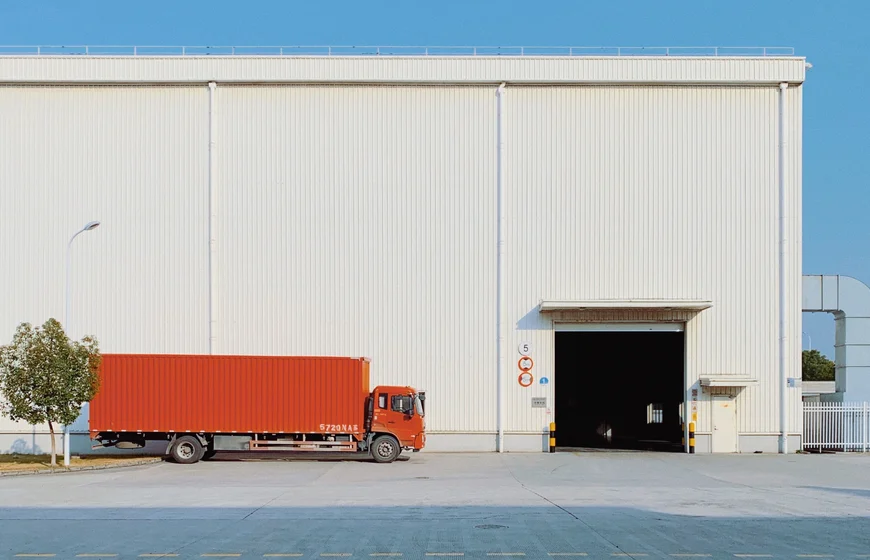
Red freight truck at loading dock representing shipment contract risk of loss

International sales contracts raise a fundamental question: who bears the risk of loss in shipment contracts if the goods are lost between the moment the contract is concluded and its fulfilment? Put differently: what happens if the goods disappear, are damaged, or fail to arrive, and no party is at fault? Who is liable when risk materialises between contract formation and delivery?

This issue is particularly relevant in the shipment contract risk of loss context, especially in the international commodities trade, such as crude oil, iron ore, soybeans, gold, or wheat, where maritime transport, contracts governed by Incoterms, and coordination with marine cargo insurance demand legal clarity.

What is the Risk of Loss?

At its core, the risk of loss pertains to the question of liability when goods are damaged or lost during transit without negligence from either the buyer or seller.

For example, if a trader purchases crude oil worth £500,000 and the shipment is lost in transit due to unforeseen maritime accidents, identifying who bears this loss, buyer or seller, becomes crucial.

Knowing who has the risk of loss in a contract for the sale of goods is important for obvious reasons: it is not uncommon for goods to be lost or stolen between the time they leave the seller’s possession and before the buyer gets them.

Transfer of Risk in Shipment Contracts

The transfer of risk is not automatic; it occurs at the intersection of contractual terms, applicable laws, delivery arrangements, clearly aligned insurance coverage and proactive claims defense.

1. Contractual Strategy & Incoterms

The starting point in determining risk allocation under a shipment contract is always the written agreement between the parties. The contract should expressly state the precise moment when the risk of loss transfers, whether at the port of loading, upon physical delivery to the buyer, or at the handover to the first carrier.

Contracts governed by Incoterms frequently include terms such as FOB or CIF, which are widely used but often misunderstood or incorrectly applied. These terms must be interpreted in alignment with the overall contract to prevent inconsistencies that may lead to legal uncertainty or disputes.

  • FOB (Free on Board): Clearly stipulates that the risk passes to the buyer once the goods are loaded onto the vessel.
  • CIF (Cost, Insurance, and Freight): Requires the seller to procure minimum marine cargo insurance, but the risk still transfers to the buyer at the port of shipment.
  • EXW (Ex Works): Allocates the risk to the buyer from the moment the goods are made available for collection at the seller’s premises.

For effective risk management and to ensure contractual liability for loss, it is crucial to incorporate freight risk clauses and ensure that these Incoterms are synchronised with marine cargo insurance policies.

2. Cargo Insurance Coverage

In the context of commodity trading, well-structured and explicitly defined marine cargo insurance policies are essential to mitigating exposure and ensuring that financial losses from damaged or lost goods are promptly compensated. As previously discussed, insurance coverage must align precisely with the contractual risk allocation to avoid uncertainty, disputes, or gaps in protection.

A key question arises at this stage: who is responsible for procuring insurance—the buyer or the seller? The answer depends entirely on the Incoterm chosen in the sale contract.

For example:

  • Under FOB, the buyer bears the risk from the moment the goods are loaded, and therefore must arrange insurance.
  • Under CIF, the seller is obliged to provide minimum insurance cover until the port of destination, even though risk transfers earlier.
  • Under EXW, the buyer assumes full risk from the moment the goods are made available, including the responsibility to insure.

Importantly, this responsibility does not fall on logistics providers or freight forwarders, unless expressly agreed in a separate contract. Therefore, clarity in drafting and negotiating insurance obligations is a critical aspect of shipment contract risk management.

The concept of insurable interest also plays a decisive role when goods suffer a casualty loss. This is particularly relevant because, in many cases, neither the buyer’s nor the seller’s insurance company wants to assume coverage, each arguing the other had the greater interest at the time of loss.

The seller retains an insurable interest if they hold title to the goods or a secured interest in them.

The buyer acquires an insurable interest once the goods are specifically identified to the contract (e.g. by labelling, segregation, or physical allocation).

According to the Uniform Commercial Code (UCC), a party may only insure goods in which they have an insurable interest—typically arising from ownership, possession, or contractual rights. Therefore, insurance claims are only valid when the claimant’s insurable interest has legally attached at the time of loss.

Understanding and aligning contractual liability for loss with the correct insurance arrangements, based on both the applicable Incoterm and legal framework, is crucial to safeguarding both commercial assets and strategic positions in international commodities trade.

3.The nature of delivery

Risk allocation also depends significantly on delivery logistics:

  • Shipment Contracts: Risk transfers upon handover to the carrier.
  • Destination Contracts: Seller retains risk until delivery to the agreed location.
  • Direct Buyer Pickup: Clear communication and timing for goods availability crucially define risk transfer.

4. Applicable legal framework

When a shipment contract does not explicitly state when the risk of loss transfers, the applicable legal framework fills the gap, often with vastly different consequences depending on the jurisdiction. For traders in the international commodities trade, understanding the default rules under major legal systems is essential to prevent disputes and support claims under marine cargo insurance.

These legal regimes determine whether the buyer or seller bears the risk when goods are lost or damaged in transit, and how freight risk clauses should be interpreted in the absence of clear agreement.

Below is a comparative summary of the most influential legal systems and instruments governing risk of loss in commodity shipment:

Legal Framework Default Risk Transfer Rule Key Considerations / Exceptions
UK – Sale of Goods Act 1979 Risk passes when goods are delivered to the carrier (shipment contracts), unless otherwise agreed. Parties can contractually override this rule. Risk can also remain with the seller if delivery is delayed due to the seller’s fault or breach.
US – UCC (Uniform Commercial Code) Article 2 Risk passes:
Shipment contracts: on delivery to first carrier
Destination contracts: on delivery to agreed place
The seller’s merchant status, contract classification, and performance timelines can influence the timing of risk transfer.
Spain – Civil Code (Arts. 1096.3 & 1182) Risk typically passes on physical delivery. However, seller retains risk if:
• In delay (mora)
• In case of a double sale
If the goods perish before delivery without fault and before delay, the seller may be released from the obligation.
CISG (UN Convention on the International Sale of Goods) Risk passes when goods are handed over to the first carrier, if the contract involves carriage of goods. Articles 66–70 provide harmonized rules. Risk does not pass if the seller retained control or if a fundamental breach occurs.
Lex Mercatoria / Trade Usage Customary international trade practice may influence when risk transfers, especially in sectors like oil, metals, and agricultural goods. Often used in arbitration when the contract refers to general principles, or in case of gaps or silence in contract clauses.

Legal Defence in Shipment Contract Disputes: What If?

How can commodity traders and insured parties defend themselves in disputes involving cargo damage or loss? Below we explore three critical scenarios: when contracts are poorly drafted, when documentation is inconsistent, and when a cargo claim is pending.

What If the Contract is Poorly Drafted?

When the shipment contract lacks clarity—particularly around when risk transfers or what law governs the agreement—traders are exposed to disputes, delays, and financial loss. In such cases, the trader’s legal defence must rely on:

  • Strategic alignment of shipping documents (especially the bill of lading)
  • The applicable default legal framework (e.g., UCC, UK Sale of Goods Act, CISG)
  • Expert legal counsel familiar with maritime and insurance law

A poorly drafted contract may not protect your position in the event of breach or loss. That’s why proactive risk allocation, comprehensive legal review, and aligned marine cargo insurance terms are essential safeguards in the international sale of goods.

What If There Are Discrepancies in Documentation?

In international commodity trading, even minor inconsistencies between the sale contract, bill of lading, and insurance certificate can have major legal consequences:

  • If the bill of lading is marked “on board”, risk typically passes at loading.
  • Delays in issuing this document, or discrepancies with contractual terms (e.g., Incoterm mismatch), can shift liability.
  • Inconsistencies between documents may invalidate insurance coverage or delay claims processing.

Legal defence in this context depends on identifying and correcting these gaps before the risk materialises. A robust documentation audit process before shipment is vital.

What If a Cargo Claim Is Pending?

When a loss has occurred and a claim is pending, traders must act swiftly and strategically:

  • Verify that the loss occurred after the risk of loss had transferred to the buyer (or remained with the seller, as applicable).
  • Review the bill of lading, insurance policy wording, and Incoterms used in the sale.
  • Coordinate legal and insurance teams to establish insurable interest and minimise delays in compensation.

If the insurance company denies coverage, the burden may fall on the contractual parties to prove who held risk and when it transferred. Legal counsel experienced in claims recovery and dispute resolution under international sales law is essential at this stage.

Conclusion

In practice, the principles surrounding risk of loss in shipment contracts are nuanced and context-dependent. Several key factors may influence liability and the ability to defend claims:

  • Whether the seller qualifies as a merchant under the applicable legal system.
  • Whether goods are moved by a third-party carrier or collected directly by the buyer.
  • Whether the delivery terms are clearly and explicitly defined in the contract.
  • Whether the goods are conforming or if there has been a breach of contract.

Ultimately, a well-drafted shipment contract should eliminate uncertainty by clearly defining:

  • When the risk of loss transfers,
  • Who bears that risk, and
  • Under which conditions it may shift due to delay, breach, or unforeseen circumstances.

For commodity traders, this clarity is a strategic asset. It leads to fewer disputes, stronger negotiating positions, and faster, more effective claims handling when the unexpected happens.

Need support with shipment contracts or cargo claims?

At Marlin Blue, we help traders and logistics professionals:

  • Review and negotiate shipment contracts and Incoterms.

  • Align marine cargo insurance coverage with legal obligations.

  • Handle cargo loss or damage claims — from first notification to settlement.

  • Manage disputes with insurers, including claim denials or delays.

  • Represent you in litigation or negotiate out-of-court settlements across jurisdictions.

Contact us today to protect your position and resolve your shipment disputes with confidence.

Appealing a cargo damage survey report

A bulk carrier and a barge performing cargo transfer operations at sea, representing the significance of precise assessments in cargo damage survey reports and appeals.

When dealing with cargo damage, one document becomes central to the entire claims process: the cargo damage survey report.

This report, prepared by a surveyor appointed by the insurer or a claims management agency, defines who is responsible and how much should be paid. Sounds simple. But it rarely is.

However, what happens when you disagree with the findings?

Whether it’s discrepancies in valuation, questionable methodologies, or overlooked evidence, disputes can arise.

But disagreeing with an expert assessment doesn’t mean you’re out of options.

On the contrary, it opens the door to legal options that allow you to challenge or supplement it.

This is where strategy comes into play: technical objections, additional evidence, requesting a second opinion—each case demands a different approach.

And this all starts with one cornerstone: understanding the cargo damage survey.

1. Understanding the importance of cargo damage surveys

1.1. How is compensation for cargo damage determined?

Determining compensation for cargo damage after an incident involves assessing various technical and contractual factors. 

Typically, the carrier’s or cargo owner’s insurer appoints a surveyor to evaluate the nature and extent of the damage, as well as its potential causes. 

The surveyor’s report provides a detailed evaluation of:

  1. Review of documentation: Includes the insurance policy, bill of lading, and other related documents. This review verifies the applicable coverage under the contracted clauses (e.g., Institute Cargo Clauses A, B, or C) and whether the damage is partial or total.
  2. Physical inspection of the cargo: Visible damage is assessed to determine its extent.
  3. Determination of the cause of the damage or loss: Identifying the responsible party—whether the carrier, port operator, or a third party—is crucial, based on the terms of the transport contract. Factors such as poor stowage, adverse weather conditions, and non-compliance with regulations by the involved parties are also analyzed.
  4. Identification of pre-existing conditions of the cargo: Evaluating whether the damage might have occurred prior to transport.
  5. Analysis of voyage records: Reviewing data such as the route taken, transit time, and incident reports during the journey.
  6. Nature and extent of the damage: Determining the severity of the damage and its impact on the cargo.
  7. Calculation of economic loss: Estimating the actual value of the damage based on the quantity of cargo affected and its commercial value.

The surveyor’s report serves as the basis for determining the amount the insurer will pay, which may not always align with the claimant’s expectations.

1.2. How do expert reports influence decisions in appeals or arbitration?

Expert reports can make or break a case in appeals or arbitration. Why? Because they carry weight—sometimes more than you’d expect.

  1. They provide the expertise that judges, arbitrators, or juries lack, breaking down complex technical or scientific matters into something they can act on.
  2. Courts lean heavily on these reports to decide cases where the issues go far beyond everyday legal knowledge.
  3. Arbitrators often rely on expert assessments—sometimes because procedural rules require it—to ensure their decisions are informed and fair.

However, here’s the catch: these reports aren’t perfect. Disagreements happen. And when they do, it’s essential to understand the reasons behind them and how to address these issues effectively.

2. Common reasons for disputing a survey report

The parties may challenge the validity of the report or the credibility of the surveyor by presenting arguments related to:

1. Methodological issues

  1. Inadequate Inspection Procedures: The surveyor may have failed to follow industry-standard inspection protocols.
  2. Insufficient Sampling: In cases of bulk cargo, the sampling method might be questioned if it’s not representative of the entire shipment.
  3. Environmental Factors: Failure to consider external conditions like weather or temperature that could have affected the cargo.

2. Discrepancies in valuation

  1. Market value disagreements: The assessed value of damaged goods may not align with current market rates.
  2. Repair vs. replacement costs: Disputes can arise over whether repair costs or full replacement value should be applied.
  3. Depreciation calculations: Disagreements on how depreciation of goods is factored into the valuation.

3. Omission of key facts or evidence

  1. Incomplete documentation: Failure to include relevant shipping documents, photographs, or test results.
  2. Overlooked pre-existing conditions: Not accounting for the condition of goods prior to shipment.
  3. Ignored contributory factors: Neglecting to consider all potential causes of damage, such as improper packaging or handling.

4. Impartiality concerns

  • Perceived bias: If the surveyor appears to favor one party over another.
  • Conflict of interest: When there’s a pre-existing relationship between the surveyor and one of the involved parties.

5. Technical competence

  • Lack of expertise: Questions about the surveyor’s qualifications or experience in dealing with specific types of cargo or damage.
  • Misapplication of standards: Incorrect application of industry standards or regulations.


Conclusion

Appealing a cargo damage survey report requires a thorough understanding of maritime law, insurance practices, and the appeals process.

Whether you’re dealing with jurisdictional conflicts or complex damage assessments, having experienced legal representation can make a significant difference in the outcome of your appeal.

For more information on how we can assist you with maritime claims and appeals, please contact our international law firm specializing in trade and marine insurance litigation.


Claims Subrogation in Cargo Insurance: From Claim to Recovery

The image shows a port worker wearing a safety vest and hard hat standing on a dock, observing a large crane loading or unloading shipping containers. Several containers and a cargo ship are visible in the background.

What is Subrogation in Cargo Insurance?

Cargo insurance is designed to cover the risks associated with transporting goods by sea, air, road, or rail, providing compensation to cargo owners for losses. In this sector, claims subrogation is a common term used to refer to the legal process by which an insurer, after compensating the policyholder for a covered loss, assumes the rights of the insured to seek recovery from the party responsible for the loss.

Once the insurer indemnifies the policyholder, the recovery process begins. The insurer leverages legal and contractual rights to pursue the responsible party, which could include carriers, warehouse operators, freight forwarders, or other third parties. This recovery process involves detailed investigation, formal demands, negotiation, and, when necessary, legal action to enforce accountability and recover the indemnified amount.

Subrogation rights are often defined by contractual agreements and the jurisdiction governing the insurance policy. For example:

  • Under English Law: Subrogation rights are implied within the Marine Insurance Act 1906, which provides a comprehensive framework for insurers to recover losses.
  • Under Spanish Law: Article 43 of the Ley de Contrato de Seguro explicitly governs subrogation, requiring the insurer’s right to be formally acknowledged in indemnity receipts.

In both cases, the principle is clear: once an insurer pays a claim, it gains the legal right to recover the loss from responsible third parties.

Why Subrogation Matters

Subrogation is particularly vital in the logistics and freight forwarding industry. Here, goods pass through multiple hands—carriers, warehouse operators, and port authorities—each of whom may bear some responsibility for cargo damage or loss. Claims subrogation ensures that accountability is traced back to the liable party.

The nature of international trade means that claims subrogation can arise from a variety of incidents. Below are the most frequent scenarios in which subrogation plays a role:

  1. Cargo Damage
    When goods are damaged during transit or handling, insurers can recover compensation from responsible parties like carriers or warehouse operators.
  2. Theft
    If goods are stolen during transit or while in storage, insurers may pursue recovery from liable parties, such as carriers, warehouse operators, or port authorities, depending on where the theft occurred and who was responsible for safeguarding the cargo.
  3. Shipping Delays
    If delays cause financial losses for the insured, insurers may pursue recovery from freight forwarders, port operators, or other logistics providers.
  4. Lost Cargo
    Missing shipments in the supply chain may lead insurers to recover losses from shipping companies or subcontractors involved in transportation.
  5. Warehouse Incidents
    Loss or damage occurring in storage facilities can result in claims against warehouse operators or their subcontractors.
  6. Carrier Negligence
    Improper handling, insufficient maintenance, or failure to comply with shipping protocols often leads to subrogation claims against carriers.
  7. Third-Party Liability
    Claims may arise from incidents involving customs brokers, dockworkers, or other third parties in the logistics process.

How Does Claims Subrogation Work in Cargo Insurance?

Below are the key circumstances under which subrogation rights are activated, along with detailed explanations.

2.1. Activation of Subrogation Rights Through Payment

When the insurer compensates the policyholder for the loss, subrogation rights are activated. This payment is the trigger that allows the insurer to step into the policyholder’s position and pursue recovery from the responsible third party.

Without this payment, there’s no legal ground for subrogation. The Indemnity and Subrogation Receipt formally acknowledge the transfer of rights.

2.2 Legal or Contractual Basis for Subrogation

When permitted by law or specified in the contract, this provides the legal or contractual right to subrogate. In the UK, subrogation arises under common law and is typically included in policies as part of the right of indemnity. In Spain, Article 43 of the Ley de Contrato de Seguro requires that the insurer’s right to subrogate be explicitly stated in the indemnity receipt, setting the legal grounds for recovery. Without this legal or contractual foundation, subrogation is unenforceable.

2.3. Demonstration of a Liable Third Party

When the party pursuing the claim can demonstrate the responsibility of a third party for the loss of cargo. If there’s no clearly identifiable liable third party (e.g., a carrier, freight forwarder, or handling agent), recovery isn’t possible because there’s no one to pursue for the claim.

2.4. Protecting the Policyholder’s Other Rights

When there’s no interference with the policyholder’s other rights. The subrogation process must not affect the policyholder’s other rights, such as their right to file a separate claim independently.

2.5. When waiver of subrogation clauses are present.

A waiver of subrogation clause can limit or completely negate the insurer’s right to pursue recovery against a third party. These clauses are commonly included in contracts to prevent one party from seeking reimbursement from the other for certain losses, even if subrogation rights would otherwise exist. In the presence of a waiver of subrogation, the insurer is contractually barred from exercising its right of subrogation, even if indemnity has been paid. These factors significantly influence the scope of coverage and the potential recovery process following a claim.

This highlights the importance of thoroughly reviewing contractual agreements before initiating a subrogation claim.

2.6. Payments by Interested Third Parties

When payment is made by a party with a vested interest in fulfilling the obligation, except where confusion arises regarding the portion covered.

Subrogation is allowed for a third party with an interest in ensuring the debt is paid (e.g., a guarantor). However, if there are multiple debtors, there may be ambiguity about which portion of the debt is subject to subrogation.

2.7. Legal Exclusions

When legal exclusions don’t apply.

Subrogation may be restricted by law if exercising this right would harm the insured. Under Article 43 of the Ley de Contrato de Seguro, subrogation cannot proceed against close family members of the insured or if the insured themselves caused the damage, except in cases of willful misconduct (dolo).

Understanding legal exclusions is crucial. Attempting to subrogate in cases where exclusions apply can invalidate the claim and damage client relationships.

2.8. Role of Loss Adjusters in Subrogation

When the claim is managed by a loss adjuster on behalf of the insurer

A loss adjuster or claims manager, such as Marlin Blue, can initiate the subrogation process when authorized by the insurer. This is particularly effective in complex claims where specialized knowledge is required.

Acting as the insurer’s representative, Marlin Blue can efficiently handle subrogation claims, leveraging industry expertise to pursue recovery against the liable third party, streamlining the entire process.

2.9. Adherence to Policy Limits

The indemnity payment must adhere to the coverage limits outlined in the insurance policy. If the payment exceeds these limits or is made without proper coverage, the insurer may need to pursue a recovery action instead of subrogation.

Ensuring that the indemnity payment aligns with the policy limits is critical for the validity of subrogation. Exceeding coverage limits could lead to disputes and jeopardize the right of recovery.

Challenges in Claims Subrogation

Despite its importance, subrogation is not without challenges. Key obstacles include:

  1. Jurisdictional Differences: Laws governing subrogation vary widely, creating complexity in cross-border claims.
  2. Multiple Liable Parties: In logistics, several parties may share responsibility for a loss, complicating recovery efforts.
  3. Waiver of Subrogation Clauses: These contractual provisions can limit or negate an insurer’s recovery rights.
  4. Insufficient Evidence: Successful recovery hinges on proving liability. Without clear evidence, subrogation claims may fail.
  5. Time Constraints: Many jurisdictions impose strict deadlines for filing subrogation claims.

FAQ sobre Subrogación de Reclamos en Seguros de Carga

What Rights Does an Insurer Gain After Paying a Claim?
The insurer gains the right to pursue recovery from the liable third party under the insured’s name.

What Happens If the Insured Receives Additional Payments After Indemnification?
The insurer may be entitled to recover any excess compensation received by the insured.

How Do Local Laws Impact the Subrogation Process?
Local laws may define how subrogation rights are exercised, including limitations on claims against specific parties.

Subrogation vs. Compensation: What’s the Difference?
Subrogation is the insurer’s right to recover losses from a third party, while compensation is the indemnity payment made to the insured for their loss.

At Marlin Blue, we specialize in managing the entire claims subrogation process, from negotiating with responsible parties to initiating legal actions when necessary. 

Whether you’re dealing with complex cargo claims, navigating waiver of subrogation clauses, or requiring support in cross-border logistics disputes, we’re here to help. 

Waivers of subrogation clauses in Marine Insurance

The image shows stacked cargo containers, including refrigerated containers (reefers), on a ship deck, with a crane above under a partly cloudy sky. The containers are securely fastened, ensuring safe transportation.

Waivers of subrogation are contractual provisions where an insurer agrees to forgo its right to recover losses from a third party that caused the damage. In liability management, this clause ensures that the measures taken by the insured or the insurer to save, protect, or recover insured property do not create additional legal disputes.

In simpler terms, it allows both parties to act in good faith to protect the subject matter without influencing their legal standing in a claim. This makes the waiver clause a fundamental aspect of claims management in marine policies.

In this article, we’ll explain what a waiver of subrogation is, how it works, and why it’s a critical element in marine insurance contracts, such as charter parties, shipbuilding agreements, and freight forwarding arrangements.

Subrogation in Marine Insurance: Understanding Waivers

Subrogation occurs when your insurance company, after paying a loss, steps into your legal rights to recover financial damages from a responsible third party.

Practical applications of subrogation waivers in hull and cargo insurance:

1. Hull Insurance

Waivers of subrogation are frequently included in hull insurance policies to protect owners and operators from insurance disputes that may arise in joint ventures, time charters, or bareboat charters. These clauses facilitate smoother operations by minimizing legal conflicts between parties involved in the ship’s operation.

2. Recoveries and Claims Management

In high-value claims involving multiple stakeholders, waiver clauses directly influence insurance recoveries. By agreeing not to pursue recoveries from partners or affiliates of the insured, insurers simplify the claims process and promote commercial harmony.

3. Cargo Insurance 

In cargo loss scenarios, subrogation waivers may apply under specific terms of the ICC clauses (Institute Cargo Clauses). These waivers are often negotiated to prevent conflicts among carriers, freight forwarders, and cargo owners.

This is a standard practice in contracts governed by the ICC or laws such as the Marine Insurance Act 1906. Under the ICC, the right of subrogation is implicitly granted to insurers. This means that after compensating the assured, the insurer can seek to recover part or all of the loss from another party, if that party is partially responsible. For instance, in marine insurance — particularly in cargo insurance — subrogation allows insurers to hold third parties, such as carriers or logistics providers, accountable for damages.

A waiver of subrogation alters this dynamic. What happens when this right is waived?

In cases where subrogation is waived, insurers lose the right to seek recovery from a third party, such as the carrier named in a Bill of Lading (B/L),  even if the third party is at fault.

What is a Waiver of Subrogation?

A waiver of subrogation, often referred to as a “sub waiver,” is an agreement where the insurer forfeits its right to seek recovery from a third party responsible for a loss.

This type of agreement is typically included in contracts as part of comprehensive liability management strategies between two or more contracting parties. It is commonly added as a clause in contracts across industries that involve shared risks or overlapping responsibilities.

Key features of waivers of subrogation:

  • Liability Waiver: Limits the insurer’s right to sue third parties for reimbursement.
  • Risk Allocation: Ensures all parties share risks equitably without cross-claims or disputes.
  • Third-Party Liabilities: Reduces cascading legal actions in complex contracts involving multiple stakeholders, such as carriers and stevedores.

An example of a waiver of subrogation clause:

“The Insurer agrees to waive any right of subrogation it may have against any carrier, freight forwarder, or other third party responsible for the loss of or damage to the insured goods, provided that such waiver has been agreed upon in writing by the Insured prior to the occurrence of the loss or damage.”

In industries such as construction, waivers of subrogation are used to prevent disputes between contractors, subcontractors, clients, and other involved parties. By including this clause, parties agree to rely solely on their insurance policies, avoiding litigation and potential financial conflicts.

In the maritime sector, a waiver of subrogation helps to avoid disputes between carriers, cargo owners, and other stakeholders involved in shipping operations. This ensures that claims processes run smoothly without triggering additional legal actions between involved parties.

For example, imagine you are the owner of a shipping company, and cargo onboard one of your vessels is severely damaged during transit. The cargo owner files a claim against your company for the damage, and your insurer steps in to pay the claim on your behalf.

Later, an investigation reveals that the port stevedores were partially responsible for the improper stowage of the cargo, which contributed to the loss. Without a waiver of subrogation, your insurer could recover a portion of the loss from the stevedores or their liability insurer.

However, if a waiver of subrogation exists, the insurer forfeits its right to seek recovery from the stevedores for their part in causing the loss. In such a case, the insurer absorbs the financial impact entirely, ensuring no further legal action is taken against the third party involved.

What is the Purpose of Waivers of Subrogation Clauses?

Including a waiver of subrogation in a contract serves several purposes:

  1. Facilitating commercial relationships: The waiver helps prevent lengthy and costly litigation between contractual parties, such as landlords and tenants, contractors and subcontractors, or joint ventures. By eliminating the insurer’s ability to seek recovery from other parties in the contract, it preserves professional relationships and avoids disruptions in ongoing business dealings
  2. Encouraging risk-sharing: A waiver of subrogation ensures that each party involved in a contract is responsible for managing their own insurance coverage and absorbing potential losses. By waiving recovery rights, the clause eliminates the need for one party to pursue compensation from others involved, fostering a collaborative approach to risk management.
  3. Meeting contractual obligations: In industries like maritime, construction, and real estate, contracts often require the inclusion of a waiver of subrogation. This ensures compliance with standard industry practices and simplifies the claims process, making it easier to resolve disputes without triggering additional legal action.
  4. Minimizing cross-claims: By waiving subrogation rights, the clause prevents one party’s insurance carrier from pursuing claims against another party to recover money paid to the insured or a third party. This reduces the risk of cascading lawsuits, which can complicate the resolution of a claim
  5. Providing clarity in claims handling: The clause ensures that any actions taken by the insured or the insurer to save, protect, or recover the insured property will not be misinterpreted. For example:
    • If the insured issues a Notice of Abandonment for a Constructive Total Loss (CTL) but later takes measures to recover the goods, these actions will not invalidate the notice.
    • Similarly, if the insurer rejects the notice and takes steps to recover the goods, it will not be considered an acceptance of the abandonment.

Risks and Challenges of Sub Waivers

While waivers of subrogation provide significant benefits, they can also introduce notable risks and challenges for insurers, insured parties, and contractual stakeholders. Below are the key considerations:

  1. Increased insurance costs: Insurers may charge higher premiums to account for the additional financial risk posed by waiving subrogation rights. Since the insurer forfeits its ability to recover losses from third parties, the overall burden of claims increases, which is reflected in higher policy costs. For example, in high-risk industries like marine insurance, this cost escalation can be significant, impacting the affordability of policies for shipowners, charterers, and freight forwarders. Additionally, insured parties may face difficulties justifying the higher premiums, especially when operating under tight budgets or in competitive markets. This cost pressure could lead some parties to seek alternative insurance arrangements, potentially compromising the overall quality of coverage.
  2. Limited recovery rights: By waiving subrogation, the insurer loses the ability to seek compensation from third parties who may have contributed to the loss. This can place a greater financial burden on the insurer, potentially impacting the insurer’s ability to offer favorable settlements or affecting the overall claims experience for the insured. In practice, this limitation may discourage insurers from actively pursuing recoveries in cases where shared liability could reduce their exposure. For insured parties, the absence of recovery efforts might lead to frustration, especially when they perceive that third parties bear some responsibility for the loss. This dynamic highlights the need for transparency between insurers and insured parties when negotiating waiver clauses.
  3. Complexity in multinational policies: In international contracts, legal requirements surrounding waivers of subrogation can vary significantly between jurisdictions. These differences may complicate the enforcement or validity of a waiver in certain regions, creating legal uncertainties for both insurers and insured parties.For instance, some jurisdictions may outright prohibit subrogation waivers in specific industries, while others may impose stringent requirements for their inclusion in contracts. This complexity can result in added administrative costs, delays in policy implementation, or disputes over the interpretation of the waiver. Ensuring compliance with local laws requires a thorough understanding of regional regulations, often necessitating legal consultation or specialized expertise.
  4. Potential for overlapping liability: In contracts with multiple stakeholders, waiving subrogation may inadvertently create scenarios where one party absorbs disproportionate risks. Without subrogation rights, insurers cannot redistribute financial responsibility, potentially leading to imbalances in liability sharing. This issue becomes particularly pronounced in complex arrangements such as joint ventures, charter agreements, or construction projects, where multiple parties share operational responsibilities. In these situations, the absence of subrogation rights may leave certain parties exposed to liabilities that exceed their initial risk assumptions, undermining the fairness of the contractual arrangement.
  5. Impact on risk management: By waiving subrogation rights, insurers and policyholders must rely on clear and effective contractual arrangements to mitigate risks. Poorly drafted agreements can lead to disputes, misunderstandings, or unintended liabilities in complex claims situations. For example, ambiguous wording in a subrogation waiver clause might create confusion about its scope or applicability, resulting in disagreements between insurers and insured parties during a claim. Furthermore, inadequate risk allocation can exacerbate financial exposure, leaving parties vulnerable to unforeseen losses. Effective risk management strategies, such as comprehensive contract reviews and detailed risk assessments, are essential to address these challenges

Frequently Asked Questions About Waiver of Subrogation

Q1: Why might an insurer hesitate to agree to a waiver of subrogation?

Insurers may be reluctant to agree to a waiver of subrogation because it prevents them from recovering losses from third parties responsible for a claim. This increases their financial exposure and may require them to raise premiums to offset the additional risk.

Q2: Why might an insured party avoid including a waiver of subrogation?

An insured party might avoid a waiver of subrogation because it can lead to higher insurance premiums or limit the insurer’s ability to recover claims costs. This may indirectly result in increased future costs for the insured.

Q3: How is a waiver of subrogation included in insurance policies under the ICC?

To include a waiver of subrogation under the ICC, the parties must agree on its terms and include a specific clause in the policy. The clause should:

  • Clearly define the third parties to whom the waiver applies (e.g., contractors, carriers).
  • Be explicitly approved by the insurer, as it limits their recovery options.
  • Align with applicable legal requirements in relevant jurisdictions.

Q4: Can an insurer deny coverage if a waiver of subrogation is not pre-approved?

Yes, insurers often require the waiver to be explicitly included in the policy or pre-approved in writing. If the waiver is not authorized, claims involving waived recovery rights may not be covered, leaving the insured exposed to additional risks.

Q5: Are waivers of subrogation negotiable?

Yes, terms can often be negotiated to align with contractual and operational requirements.

Q6: Why do insurers require a subrogation form signed by the insured in marine insurance?

In marine insurance, insurers cannot exercise subrogation rights until they have paid the claims. According to the case James Nelson and Sons Ltd. v Nelson Line Ltd. (1906), insurers do not acquire independent rights and cannot sue in their own name. For this reason, unless otherwise stipulated by the legal provisions of a country, the insured must sign a subrogation form to confirm that the insurers hold the same rights as the insured when initiating recovery actions.

Conclusion

A waiver of subrogation clause is a valuable tool in marine insurance, enabling parties to act in mutual interest while reducing the risk of adverse legal implications. However, its application varies by jurisdiction and must be carefully assessed for compliance and financial impact.

Want to dive deeper into claims management and risk mitigation strategies? Check out our services and learn how we can support your needs in claims and dispute resolution.

What is the Indemnity and Subrogation Receipt?

The image shows a large container ship navigating through calm blue seas under a clear sky. The ship is fully loaded with colorful cargo containers, leaving a visible wake in the water.

Every day, claims handlers encounter the Indemnity and Subrogation Receipt as part of the routine process of managing insurance claims. When a new recovery case is assigned, one of the first documents to consider is the Indemnity and Subrogation Receipt.

This document provides evidence that an assured claim has been settled. By signing it, the insured will release all subrogation rights to the insurer, enabling it to pursue third-party recovery.

Subrogation is a fundamental process in the insurance industry, allowing insurers to “step into the shoes” of the insured and recover losses from the responsible party.

However, subrogation can often be a complex and time-consuming process that requires:

  • Strong negotiation skills.
  • Specialized team members and a reliable network of experts.
  • In-depth knowledge of international maritime law and technical expertise in areas like hull insurance.

When a claim is managed by a loss adjuster on behalf of the insurer, such as Marlin Blue, the process of claiming against the liable party may start even before subrogation occurs. This proactive approach helps expedite the recovery process.

1. What is an indemnity and subrogation receipt?

The indemnity and subrogation receipt is a commonly used document in the insurance industry to formalize the transfer of the insured’s rights to the insurer after a compensation payment.

While most insurance policies include a subrogation clause, this receipt, a standard agreement in insurance, acts as an additional legal confirmation of the transfer of rights from the insured to the insurer.

2. What information is included in the indemnity and subrogation receipt?

The content and format of the receipt can vary among insurers, but it typically includes the following key elements:

  • Insured’s details: Name, address, and policy information.
  • Description of the incident: Details of the event, including the date and type of loss.
  • Indemnity amount: The amount paid to the insured.
  • Transfer of rights clause: A statement confirming that the insured transfers their rights to the insurer to pursue third-party claims.
  • Signature and ratification: The insured’s signature and, in some cases, notarization to ensure legal validity.

3. Risks and potential conflicts when signing a subrogation receipt

Although the document is beneficial to both parties, there are important considerations the insured should be aware of before signing:

3.1. Waiver of Additional Rights

By signing the receipt, the insured acknowledges that they have been fully indemnified and agree not to make any further claims for the same incident. This could be problematic if unexpected costs arise after the indemnity payment.

3.2. Lack of Understanding

In some cases, the insured may not fully comprehend that they are relinquishing all their rights to claim compensation. This lack of understanding can lead to disputes, especially if the insured later decides to pursue legal action against the third party responsible for the loss.

3.3. Issues with Partial Coverage

If the insured was only partially compensated (e.g., due to the application of a deductible), there could be confusion about whether they can claim the remaining amount directly from the responsible third party.

4. Frequently asked questions about the subrogation receipt

Q1. Why sign the subrogation receipt?

Signing the subrogation receipt offers several advantages for both the insured and the insurer. First, it allows for a quicker indemnity process, enabling the insured to receive payment without delays. It also shifts the responsibility of recovering the compensation amount to the insurer, sparing the insured from the complexities of legal actions against the third party. However, the insured must be aware that by signing the document, they effectively waive any right to make additional claims related to the incident.

Additionally, by recovering the compensation paid out, the insurer can mitigate the financial impact of the claims, improving the technical results of insurance companies by properly enforcing subrogation rights against liable third parties. This can potentially lead to more competitive premium rates for all its policyholders.

Q2. What happens if the receipt is not signed?

If the insured refuses to sign the subrogation receipt, the insurer may withhold the indemnity payment until the process is finalized. The signature serves as a guarantee for the insurer, allowing them to pursue recovery from third parties without the risk of additional claims from the insured. Not signing may also mean that the insured takes on the responsibility of directly recovering their losses, a process that can be lengthy, costly, and complex.

  • The insured might deny the transfer of rights, arguing that they did not understand or agree to it.
  • Conflicts could arise if the insured decides to independently sue the responsible third party, complicating the insurer’s recovery efforts.
  • The subrogation process could face challenges in jurisdictions where the receipt is a necessary formality for validating the transfer of rights.

Q3. Can the terms of the subrogation receipt be negotiated?

In some cases, it is possible to negotiate specific aspects of the subrogation receipt with the insurer.

Q4. Can you exercise subrogation rights against your own assured?

No, you typically cannot exercise subrogation rights against your own insured. If the insured party (the assured) caused the damage, it doesn’t make sense for the insurer to seek recovery from them. In principle, insurance coverage extends to losses caused by the negligence of the assured. Attempting to recoup a payment through subrogation in such cases would negate the protection provided by the insurance policy.

Q5. Should the receipt be signed if additional expenses are expected?

It is important to inform the insurer of any pending expenses before signing the receipt to ensure that all costs are considered in the indemnity payment.

Q6. What happens if the insured is not fully informed?

In some instances, the insured might not be fully aware of their rights or the implications of signing a subrogation receipt. This could lead to disputes if the insured later attempts to make an additional claim for the same loss.

Conclusion

The bottom line is that subrogation protects your economic interests while ensuring at-fault parties bear their responsibility. So, get your insured to sign a subrogation receipt and cover your bases.

While we’re at it… Why not take one step further and make sure you leave nothing to chance when it comes to your claims handling? Check out our services and find out how we help you stay afloat in the ocean of claims.

Institute Bulk Clauses: Definition and Guaranteed Outturn

A large ship on fire at a port with thick black smoke rising into the sky, surrounded by smaller boats on the water.

The Institute Bulk Clauses (IBC) provide standardized terms and conditions for insurance coverage in maritime trade, particularly for the transportation of liquid bulk cargoes, generally products such as crude oil and palm oil. Institute Bulk Oil Clauses is in accordance with English Law, which is often the governing law for marine insurance policies.

The IBC are developed by the Institute of London Underwriters (ILU) and are used worldwide to standardize the insurance coverage for bulk cargo.

These clauses are incorporated into marine insurance policies to cover bulk cargo shipments against various risks, including damage, loss, and liability during transit. They offer to cargo owners, insurance companies, and any company involved in transportation and sale contracts within the liquid bulk trade market, guidelines that simplify and expedite contract negotiations and drafting.

As the maritime liquid bulk traffic continues to grow, the importance of these clauses in mitigating risks and protecting the interests of all parties involved cannot be overstated.

This article delves into these clauses and their extensions, with a focus on the Guaranteed Outturn Extension (GOE).

Structure and Content of Institute Bulk Clauses

The clauses include defining covered perils, exclusions, conditions, and warranties precisely. A well-structured policy will delineate the scope of coverage, the obligations of the assured, and the procedures for claims.

The structure and content of the IBC typically include the following sections:

1. Introduction

The introduction sets the stage for the clauses, providing a brief overview of the purpose and scope of the insurance coverage. It may include definitions of key terms used throughout the document.

2. Coverage Scope

The Institute Bulk Clauses provide comprehensive coverage for various risks associated with liquid bulk cargo shipments. These include:
  • Physical Damage: Coverage for any physical damage to the cargo during transit.
  • Contamination: Protection against contamination of the liquid cargo, which can significantly impact its value.
  • Shortage: Coverage for any shortages in the cargo delivered compared to the quantity stated in the shipping documents.

3. General Average and Salvage

The clauses often include provisions for general average (shared loss among all parties) and salvage (compensation for rescuing a ship or its cargo).

4. Duration & Transit

This insurance attaches from the moment the insured subject matter is loaded on board the vessel for the purpose of the insured voyage. Additionally, the risk commences from the time the consignment leaves the tanks for loading at the place named in the policy for the commencement of transit.

The insurance continues during the ordinary course of transit.

This means the coverage remains active while the goods are in transit from the point of origin to the final destination, including any necessary transshipments.

The insurance terminates upon the first of the following events:

  • Entry into storage tanks at the destination, when the insured subject matter is discharged into storage tanks or a storage vessel at the destination named in the policy.
  • 30 days after arrival at the destination. Alternatively, the coverage ceases 30 days after the vessel arrives at the destination named in the policy.

5. Exclusions

The IBC explicitly list certain exclusions to prevent ambiguity and manage risk effectively, including:

  • Willful misconduct of the assured.
  • Ordinary leakage and wear and tear.
  • Insufficient or unsuitable packing or preparation.
  • Inherent vice or nature of the insured subject matter.
  • Loss due to delay.
  • Financial default of the vessel’s operators.
  • War and nuclear risks.
  • Unseaworthiness of the vessel.

Specific warranties and conditions must be adhered to, such as the seaworthiness of the vessel and the legality of the voyage.
Understanding the detailed terms and conditions of the Institute Bulk.

6. Claims Process and Subrogation Recovery

The claims process under the Institute Bulk Clauses requires insurers and reinsurers to adhere to strict protocols for notification, documentation, and assessment of claims.

Prompt notification of loss or damage by the assured is crucial, and insurers must ensure that all necessary documentation, including survey reports and evidence of loss, is provided.

Insurers need to conduct thorough and impartial assessments to determine the validity of claims and the appropriate indemnification.

Effective communication and documentation are essential to managing claims efficiently and mitigating the risk of disputes.

Additionally, insurers must consider the process of recovery after subrogation. Subrogation rights allow the insurer to recover losses from third parties responsible for the damage. This section outlines:

  • Insurer’s Rights: The process by which the insurer steps into the shoes of the assured to pursue recovery from liable third parties.
  • Recovery Process: Legal strategies to maximize recoveries and offset the losses paid out under the policy.

7. Dispute Resolution

The IBC often include clauses related to dispute resolution, specifying the mechanisms through which disputes should be resolved, such as arbitration or court proceedings.

Policies often include arbitration clauses specifying the preferred method of resolving disputes outside of court, which can be faster and more cost-effective. Insurers must ensure that dispute resolution provisions are clear and enforceable, and they should be prepared to engage in arbitration or litigation if necessary. It’s vital to choose arbitration institutions and rules that align with the nature of maritime disputes and ensure fair and efficient outcomes.

Guaranteed Outturn Extension under Institute Bulk Clauses for Liquid Bulk Cargo Insurance

The Guaranteed Outturn Extension (GOE) is an additional coverage option under the IBC, designed to address measurement inaccuracies during the loading and unloading of liquid bulk cargo, which can lead to disputes and claims.

The GOE ensures compensation for any shortfall between the quantity of cargo loaded and discharged at the destination, provided the shortfall exceeds a specified percentage or amount defined in the policy. Accurate documentation and measurement at both loading and discharge ports are crucial for validating the claim.

The loss is calculated based on the difference between the BL quantity and the outturn quantity. Financial compensation is determined by the market value of the shortfall at the destination port.

Case Study: National Oilwell Varco Norway AS v. Keppel FELS Ltd

Court: Singapore International Commercial Court

Scenario
A shipment of machinery parts for oil drilling was found to be short upon arrival at the discharge port. The Bill of Lading indicated 1,000 metric tons loaded, but only 950 metric tons were received. 

Application of GOE
The shipper invoked the Guaranteed Outturn Extension under the Institute Bulk Clauses, claiming the shortfall exceeded the threshold specified in the policy. Accurate documentation was provided from both the loading and discharge ports.

Outcome
The court upheld the claim under the GOE, and the insurer was ordered to compensate the shipper for the 50 metric ton shortfall. This case demonstrated the effectiveness of the GOE in providing financial protection against quantity discrepancies during transit.

Legal Advice

For detailed legal advice on how these clauses can be effectively utilized in your contracts, contact us.

Our team of experts is ready to provide the guidance you need to navigate the complexities of bulk cargo insurance and ensure that your interests are fully protected.

Liquid Bulk Cargo [Types, Maritime Transportation and Claims]

A large blue tanker ship named "Fure West" docked at a port with large storage tanks in the background.

In 2024, the global market for liquid bulk cargo is experiencing dynamic shifts driven by evolving supply and demand trends, technological innovations, and strategic enhancements in port infrastructure.

The liquid bulk cargo market is influenced by several factors, including global economic conditions, geopolitical events, and environmental regulations. The demand for energy commodities like crude oil and LNG remains robust, driven by industrial growth and increasing energy consumption in developing economies.

Conversely, shifts towards renewable energy sources and stricter environmental regulations are reshaping supply dynamics, influencing the types of liquid bulk cargoes being transported and the routes taken.

To ensure comprehensive coverage and minimize liabilities, cargo insurers must thoroughly understand the intricacies of liquid bulk cargoes. Successful claims management in this niche means figuring out who’s really responsible and understanding the particular risks that come with transporting these kinds of liquids.

If you want to learn about liquid bulk cargo from a marine insurance perspective, this guide will come in handy. We’ll cover:

  • What liquid bulk cargo is
  • The common types of liquid bulk cargo
  • Transport and shipping overview
  • Claims management

Let’s start.

What is Liquid Bulk Cargo?

According to the International Maritime Organization (IMO), liquid bulk cargo refers to any cargo carried in closed tanks and poured or pumped into the carrying vessel.

This category includes a wide range of liquids, from hazardous chemicals to edible oils. The handling and transportation of liquid bulk cargo require specialized infrastructure and safety protocols to prevent accidents and environmental damage.


Liquid bulk cargoes encompass a wide range of products essential to various industries. Key sectors include:

  • Energy sector relies on the shipment of petroleum, natural gas, and other related liquids to fuel power plants and meet global energy demands.
  • Chemical engineering and industrial plants regularly transport liquid nitrogen, various chemicals, and other industrial liquids necessary for manufacturing processes and energy production.
  • Food and beverage industry relies on bulk shipping for the transportation of edible oils, liquid sugars, and beverages to meet production and distribution needs.
  • Construction industry utilizes bulk cargo shipping for transporting dirt, rocks, and other materials needed for large-scale land filling and building projects.
  • Mining industry ships metal ores, iron ore, and charcoal as raw materials are extracted and processed.
  • Agriculture Industry frequently ships large quantities of livestock feed, seeds, and other agricultural products to support farming operations.

Types of liquid bulk cargo

Liquid bulk cargo can be broadly classified into the following categories:

  1. Edible Liquids:
    • Vegetable oil: Used for cooking and food production.
    • Cooking oil: Various types used in culinary applications.
    • Fruit juices: Natural and processed juices for consumption.
    • Milk: Dairy products transported in bulk for processing and distribution.
    • Edible oils: Including olive oil, palm oil, and other consumable oils.
  2. Non-Edible, Non-Hazardous Liquids:
    • Lubricants: Used in machinery and engines.
    • Adhesives: Industrial glues and bonding agents.
    • Liquid fertilizers: Nutrient solutions for agricultural use.
    • Zinc ash: By-products from industrial processes.
  3. Hazardous Liquids:
    • Petroleum: Crude oil and refined products.
    • Liquefied Natural Gas (LNG): Used as a cleaner energy source.
    • Liquefied Petroleum Gas (LPG): Including butane and propane, used for heating, cooking, and as fuel for certain engines.
    • Gasoline: Fuel for internal combustion engines.
    • Dangerous chemicals: Including acids and industrial solvents.
    • Sulphuric acid: Used in various industrial applications.
  4. Non-Hazardous, Non-Edible Liquids:
    • Glycerin: Used in pharmaceuticals and cosmetics.
    • Aqueous dyes: Used in textile and paper industries.


An LNG (Liquefied Natural Gas) tanker ship docked at a port during sunset, with large spherical storage tanks illuminated in red.
This LNG tanker illustrates the transportation of LNG, a cleaner energy source. Each type of liquid bulk cargo, such as petroleum, chemicals, and edible oils, requires its own specialized vessel to ensure safe and efficient transport.

Liquid bulk cargo categories explained

Hazardous Liquids

These include petroleum, LPG, LNG, and various chemicals. They pose significant risks due to their potential for fire, marine pollution, and air pollution. The hazards are determined by properties such as boiling point, flash point, and auto-ignition temperature.

Non-Hazardous Liquids

This category includes liquids that do not pose significant risks to organisms or the environment, such as vegetable oils, cooking oils, and milk.

Edible Liquids

These are food-grade liquids safe for human consumption, such as wine, edible oils, and juices.

Non-Edible Liquids

This includes both hazardous and non-hazardous liquids that are not suitable for consumption, such as glycerin and certain industrial chemicals.

Transport and Shipping Overview

Liquid bulk cargo can be transported by air, land, or maritime routes. 

In most shipments, the maritime route is preferred due to its cost-effectiveness and capacity. Supertankers can carry up to 2 million barrels of oil, significantly reducing freight costs and delivery times compared to other modes of transportation. However, the high risk associated with maritime shipping includes potential environmental disasters from spills, as not every dock is equipped to handle up to one billion pounds of liquid bulk cargo.

Other transportation modes include rail tank cars, tanker trucks, and pipelines, depending on the distance, infrastructure availability, and specific cargo requirements.

Ports and terminals for handling liquid bulk cargo

The tank terminal market operates on various models based on location, capacity, type of cargo, and services offered. These models include:

  • Dedicated storage terminals: Specific to products like oil, chemicals, or liquefied gases.
  • Multipurpose terminals: Handle a variety of bulk liquids.
  • Contract types: Terminals can operate under long-term contracts, consignment storage agreements, or on-demand rental models.

Key ports around the world, such as those in Rotterdam, Singapore, and Houston, have become pivotal hubs in the global liquid trade market.

Common infrastructure and facilities for liquid bulk cargo

  1. Berths and docks: Specialized berths equipped to handle large tankers, with deep-water access to accommodate vessels with significant draft.
  2. Storage tanks: Various sizes and types, including fixed-roof tanks, floating-roof tanks, and spherical tanks for gases, designed to store different liquid bulk cargo safely.
  3. Pipelines: Extensive network of pipelines for transferring cargo from ships to storage tanks and vice versa. These pipelines are often equipped with heating systems to handle viscous liquids.
  4. Pumps and compressors: Essential for moving liquids through pipelines, these systems must be compatible with the type of liquid being handled.
  5. Loading/Unloading arms: Flexible, articulated arms used to connect the ship to the shore-based transfer system, ensuring safe and efficient transfer of liquids.
Liquid bulk cargo is transferred from the ship at the berth through loading arms, moved via pipelines to storage tanks, and managed by pumps and compressors for safe storage and distribution.

Loading process of liquid bulk cargo

Given the inherent risks and complexities associated with the transfer and storage of liquid bulk cargo, meticulous terminal planning is crucial to enhance productivity at ports and terminals.

These facilities must be equipped with specialized infrastructure to efficiently manage the loading and unloading processes.

Here are the critical steps involved in the liquid bulk cargo loading process:

  1. Tank preparation: Before loading, tanks must be thoroughly cleaned and prepared to prevent contamination. This includes inspecting and verifying that there are no residues from previous cargoes.
  2. Documentation verification: All necessary documentation, including permits, certificates, and maintenance records of the vessel, must be reviewed.
    Hose Connection: Loading hoses are connected between the vessel and the shore storage facility, ensuring that all connections are secure and properly sealed.
  3. Safety checks: Safety checks are conducted, including verifying the integrity of hoses and valves and implementing spill management procedures.
  4. Loading: The liquid bulk is transferred from the shore storage to the vessel using specialized pumps. During this process, flow rates and filling levels are constantly monitored, and precise records are maintained.
  5. Tank condition monitoring: Tank conditions, including inert gas pressure and temperature, are monitored to ensure product stability during loading.
  6. Completion of loading: Once loading is complete, valves are closed, and hoses are safely disconnected. Final inspections are conducted to ensure there are no leaks.
  7. Final documentation: All loading records and documents are updated and verified to ensure all relevant information is accurately recorded.
  8. Post-loading cleaning and maintenance: Hoses and equipment used during loading are cleaned and maintained, preparing them for future use.

Storage

When transporting liquid and gaseous cargo, liquid bulk terminals provide facilities for discharge and storage. Key aspects of storage in liquid bulk terminals include:

Storage tanks

Terminals feature various types of storage tanks, such as fixed-roof, floating-roof, and spherical tanks for different types of cargo.

Cryogenic tanks

For gases like LNG, cryogenic tanks are used to maintain extremely low temperatures necessary for storage in liquid form.

Membrane tanks

These tanks offer efficient storage solutions for large volumes of gas and are designed to minimize boil-off rates.

Improper cleaning or maintenance of storage tanks can lead to contamination, and an inadequate temperature control, especially in cryogenic tanks, can spoil the cargo, leading to claims as well.

Looking ahead, key trends in the bulk liquid storage industry include the integration of smart technologies like IoT and AI for real-time monitoring, predictive maintenance, and increased automation to improve operational efficiency and safety.

There is also a strong focus on sustainability, with initiatives aimed at reducing carbon footprints, enhancing energy efficiency, and adhering to stricter environmental regulations. Innovations in storage solutions, such as advanced materials and cryogenic technology, are emerging to meet the growing demand for diverse products, including LNG and alternative energy sources.

Claims Management in Liquid Bulk Cargo Insurance

When it comes to marine insurance, handling claims and disputes involving liquid bulk cargo is critical due to the high costs involved. Transporting liquid bulk cargo poses several challenges, leading to various types of claims.

Managing these claims and disputes effectively requires:

  • A thorough understanding of the legal and regulatory frameworks governing international shipping (e.g., MARPOL, SOLAS)
  • Mitigating risks with custom strategies
  • Implementing prompt incident response procedures
  • Ensuring quick claims management
  • Providing coverage for losses or damages
  • Seeking expert solutions for assessing liability

Primary Causes of Liquid Bulk Cargo Claims

Contamination

Contamination can occur at any stage, from pre-loading to post-discharging. Liquid bulk cargos have strict specifications, and any deviation can result in significant losses and claims.

Shortage Claims

These arise when there is a discrepancy between the quantity loaded and discharged, due to measurement inaccuracies, leaks, or theft.

Spillage and Leakage

Claims from spills or leaks during loading, transportation, or discharge result not only in cargo loss but also environmental damage and hefty fines.

Temperature Damage

Many liquid bulk cargos, such as chemicals or foodstuffs, require specific temperature conditions. Failure to maintain these can lead to degradation or spoilage.

Mechanical Damage

Mechanical failures of pumps, pipes, or tanks can cause contamination, spills, or cargo loss.

Pollution

Environmental pollution claims arise from spills or leaks during transit, involving significant cleanup costs and legal penalties.

Improper Handling

Incorrect handling during loading or unloading can damage the cargo or cause contamination, often due to unsuitable equipment or procedures.

Risk Assessment & Loss Prevention

When trouble arises, understanding the options is vital. What to do when faced with potential or actual losses?

  1. Immediate notification
    Start the notification process as soon as you become aware of any loss or damage.
    Alert all relevant parties including your insurance companies, carrier, and any other involved parties.
  2. Send a surveyor
    Evaluate the cause and extent of the loss or damage.
  3. Gather relevant documents
  4. Protest Letter
  5. Submit Claim
  6. Loss mitigation and salvage.
  7. Take immediate steps to secure and protect the remaining cargo.
  8. Seek legal advice (i.e. Arresting Vessel)
  9. Subrogation. Pursue subrogation to recover costs from responsible third parties, ensuring that your company is reimbursed for the expenses incurred due to the fault of another entity.
  10. Utilizing Arbitration and Mediation. Employ arbitration and mediation to resolve disputes efficiently.


Conclusion

With ongoing advancements in maritime transportation technologies, cargo operations have become more efficient and safer than ever.

Technological advances are revolutionizing the transportation and handling of liquid bulk cargo. As a result, claims management, liability assessment, and risk evaluation have greatly benefited from these innovations, opening a range of opportunities for marine insurance.

Remember, it is essential to keep detailed records of tank ullages, temperatures, and inert gas pressures to support any claims arising from contamination or cargo loss.

At Marlin Blue, we are a law firm specializing in claims management and legal assurance for producers, transporters, insurance companies, and carriers. Our services include handling recoveries and subrogations to ensure you receive compensation from responsible third parties.

Subrogation: recoup your losses

Imagine a shipping company loses control of a vessel due to a storm and is forced to abandon it. You will compensate your client for the loss of their ship, under the terms of their insurance policy.

What happens if, a few months later, the ship is recovered? You’ll be entitled to receive the salvaged vessel. Rather, that will be the case if the assured subrogated their rights to your insurance company when the claim for their loss was settled.

Let’s analyse what subrogation is and to what extent it can have an impact on your claims handling process.

What does subrogation mean?

The word “subrogation” comes from Latin.

  • Sub means “in the place of, under”.
  • Rogare can be translated as “to propose, ask”.

The combination of both literally means “putting in the place of another” or “substitute”. In fact, subrogation is often referred to as the doctrine of “substitution”.

What does subrogation imply in practical terms?

Subrogation is part and parcel of the indemnity clause, which lays out the obligation to compensate the insured for any damages or losses in return for the premiums paid.

This legal mechanism allows insurance carriers to “step into the shoes of the policyholder” when seeking compensation for losses. Whatever rights of action the assured may have against the third party at fault will shift to you as an insurer.

You will thus be entitled to sue and recover damages from the third party who caused the insurance loss or is legally liable for it.

In a nutshell, subrogation is your best shot at salvaging losses incurred by paying on insurance policy claims.

What are the principles underlying subrogation?

There are two core concepts behind subrogation.

  • It seeks to lay responsibility for a loss on the party who ought to bear it. Hence, the insurer enforces the policyholder’s rights against the wrongdoer.
  • It prevents the assured from recovering anything beyond the amount of the loss suffered. If they could recover both under the insurance policy and in legal proceedings from the liable third party, claims may be perceived as a potential for windfall profit.

What are the principles underlying subrogation?

There are two core concepts behind subrogation.

  • It seeks to lay responsibility for a loss on the party who ought to bear it. Hence, the insurer enforces the policyholder’s rights against the wrongdoer.
  • It prevents the assured from recovering anything beyond the amount of the loss suffered. If they could recover both under the insurance policy and in legal proceedings from the liable third party, claims may be perceived as a potential for windfall profit.

Which parties are involved in subrogation?

Policyholder

They start the process by claiming for the damage caused by a third party.

Insurance carrier

Once you settle the claim with your insured, you may initiate the process of recouping the claim amount.

At-fault third party

You’ll be pursuing them on behalf of the policyholder, since they are legally liable for the insured loss.

How does subrogation work?

As an insurer, you want to process your claims as swiftly as possible. That’s why you may pay your client’s claim for losses directly, and seek reimbursement of your funds by pursuing a subrogation claim against the party at fault for the loss. But, in order to take this step, you need the assured’s authorisation to proceed in their name.

In practice, most insurance policies contain clauses granting the insurer the right of subrogation. So, the general rule is that subrogation may happen without any further formalities, as long as the insured has been indemnified for their insured loss.

What about if there isn’t a subrogation clause in the insurance policy? The defendants may argue that you haven’t been subrogated in the insured’s rights, which could cause your claim to fail altogether.

You can overcome this hurdle by getting your insured to sign a letter of subrogation (“subrogation receipt”) on payment of the claimed amount.

What’s a subrogation receipt?

It’s a document providing evidence that your assured’s claim has been settled. By signing it, the insured will release all subrogation rights to you.

A subrogation receipt may read like this:

Received of the ________________ the sum of ______ Dollars ($_____), being in full payment of all claims and demands for loss and damage by ________ on the ________ day of ____, 20____ to the property at _____________ described in Policy No. __________ issued by said Company.

And in consideration of such payment the undersigned hereby assigns and transfers to the said Company each and all claims and demands against any person, persons, corporation or property, arising from or connected with such loss or damage, (and the said Company is subrogated in the place of and to the claims and demands of the undersigned against said person, person, corporation or property in the premises), to the extent of the amount above named.

What are the benefits of subrogation?

  • Recouping costs caused by a third party.
  • Improving your loss record.
  • Keeping your policyholder’s insurance rates low.

What else do you need to know about subrogation?

• You may not exercise subrogation rights against your own assured.

If the assured caused the damage, it doesn’t make sense that you could seek to recoup the payment of the loss. In principle, insurance extends to loss caused by the negligence of the assured. That cover would be lost if you were to take back with subrogation what you have given with the insurance.


• You may compel the assured to let you use their name in a claim.

If the insured refuses to let you take their place, you may bring proceedings against both the insured and the third party at fault.

• You may be asked to include a waiver of subrogation in the insurance policy.

This provision would prevent you from suing the third party to recoup your losses. You’d be thus exposed to greater risk.


The bottom line is that subrogation protects your economic interests while ensuring at-fault parties bear their responsibility. So, get your insured to sign a subrogation receipt and cover your bases.

While we’re at it… Why not take one step further and make sure you leave nothing to chance when it comes to your claims handling? Check out our services and find out how we help you stay afloat in the ocean of claims.